How to Spot Quality Vinyl Siding That Will Last Decades
When it comes to protecting your home’s exterior, vinyl siding remains one of the most popular choices among homeowners – and for good reason. It offers excellent durability, low maintenance requirements, and attractive curb appeal at a reasonable price point. However, not all vinyl siding is created equal. The difference between premium quality siding and budget options can mean the difference between a beautiful exterior that lasts 30-40 years versus one that starts showing wear and tear within a decade.
I’ve seen countless homeowners make costly mistakes by choosing inferior vinyl siding, only to face premature fading, cracking, and warping that forces them into expensive replacements much sooner than expected. That’s why understanding how to identify high-quality vinyl siding before making your investment is crucial for protecting both your home and your wallet.
Understanding Vinyl Siding Construction and Materials
Quality vinyl siding starts with superior raw materials and manufacturing processes. Premium vinyl siding is typically made from virgin PVC resin, which provides better color retention, impact resistance, and overall longevity compared to recycled materials. While recycled content isn’t necessarily bad, products made entirely from virgin materials tend to perform better over time.
The manufacturing process also plays a critical role in determining quality. High-end vinyl siding undergoes co-extrusion, where multiple layers are fused together during production. This creates a more uniform product with better color consistency and enhanced durability. The outer layer often contains UV inhibitors and impact modifiers that help the siding withstand harsh weather conditions and maintain its appearance for decades.
Another key factor is the siding’s formulation. Quality manufacturers invest in advanced polymer blends that include titanium dioxide for UV protection, impact modifiers for flexibility, and stabilizers that prevent degradation over time. These additives significantly impact the siding’s performance but aren’t always visible to the naked eye, making it essential to research the manufacturer’s specifications.
Key Visual Indicators of Premium Vinyl Siding
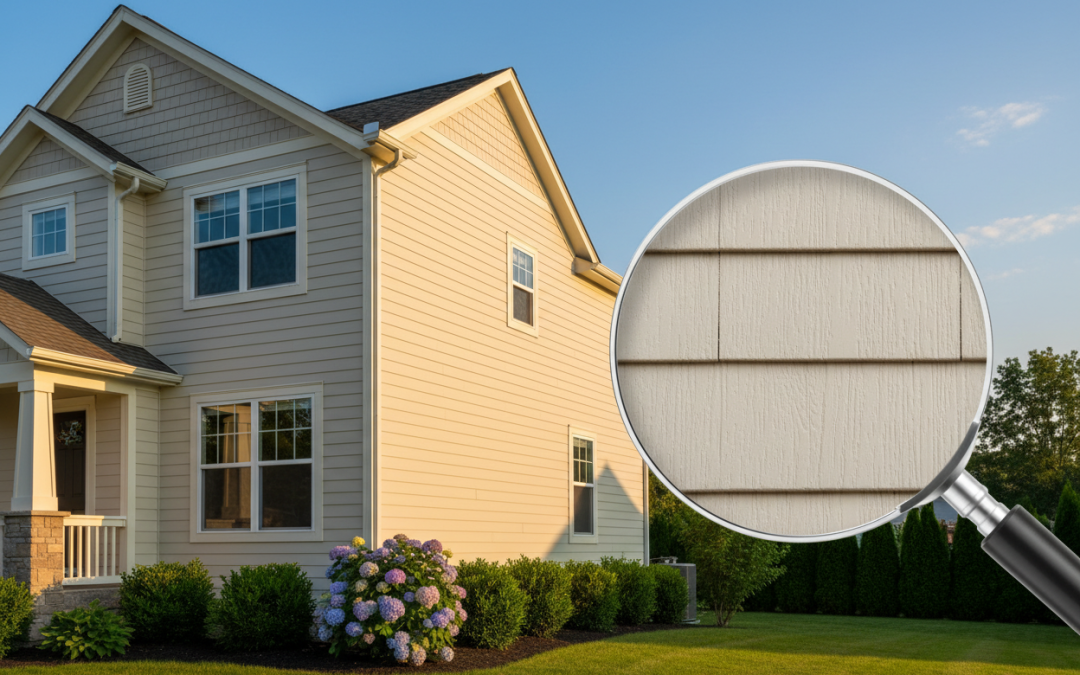
When examining vinyl siding samples, several visual cues can help you identify quality products. First, look at the color consistency throughout the panel. Premium siding should have uniform coloration without streaks, blotches, or variations in shade. The surface should appear smooth and even, without visible imperfections, dimples, or rough textures that might indicate poor manufacturing quality.
Pay close attention to the siding’s finish. High-quality vinyl siding often features a subtle texture or grain pattern that mimics natural wood, adding visual interest and helping hide minor scratches or imperfections. The finish should look natural and well-executed, not artificial or overly glossy. Cheap siding often has a flat, plastic appearance that screams “budget product” from a distance.
Examine the edges and cut lines of the siding panels. Quality products will have clean, precise cuts with smooth edges. Rough or uneven edges often indicate inferior manufacturing processes or lower-grade materials. The nail hem – the top portion where nails are driven – should be sturdy and well-formed, as this area experiences significant stress during installation and throughout the siding’s lifetime.
Thickness and Gauge: Why Size Matters
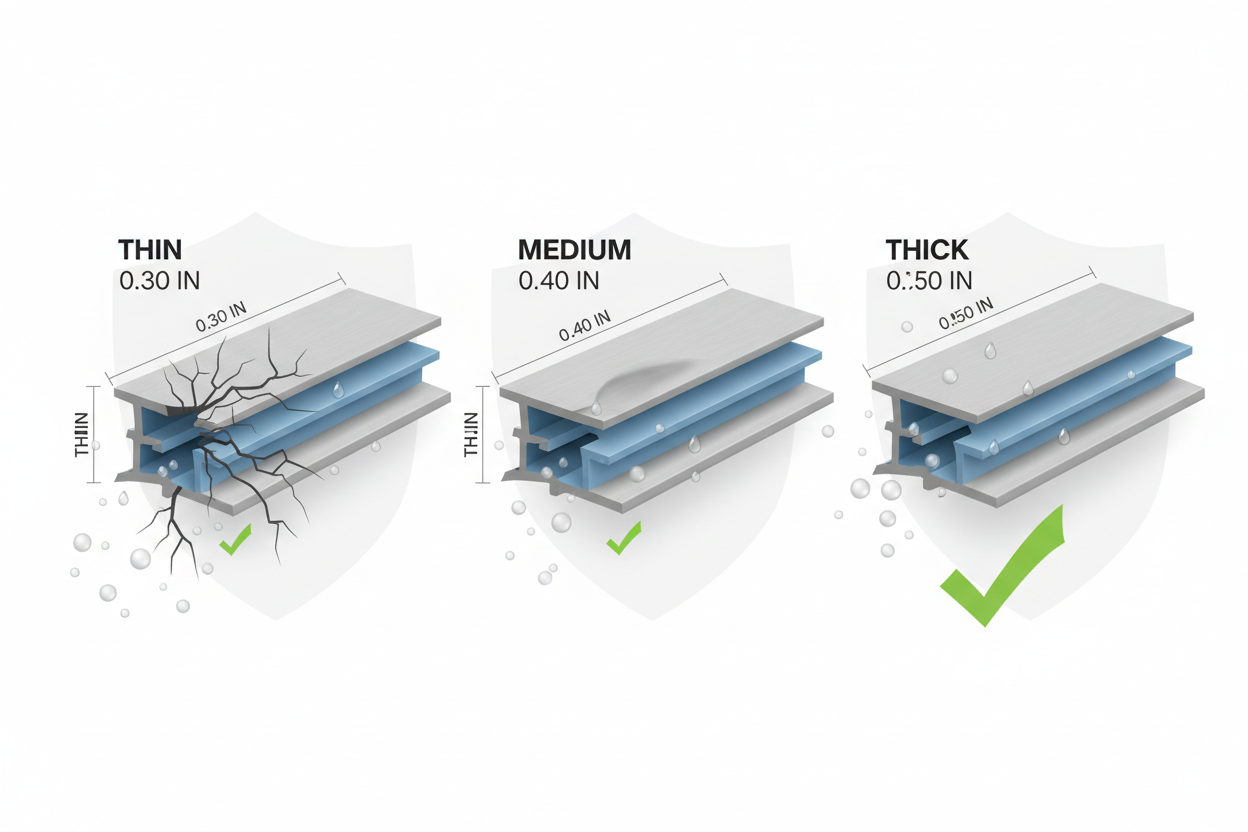
Vinyl siding thickness, measured in mils or gauge, directly correlates with durability and performance. Premium residential vinyl siding typically ranges from 0.040 to 0.055 inches thick, with thicker options providing better impact resistance and longevity. While thicker isn’t always better in every application, it generally indicates a more substantial product that can withstand harsh weather conditions and accidental impacts.
However, thickness alone doesn’t tell the complete story. The siding’s overall construction, including the backing and reinforcement systems, contributes significantly to its performance. Some manufacturers offer insulated vinyl siding with foam backing that adds both thermal performance and structural integrity, though this comes at a higher cost.
When comparing thickness, be aware that some manufacturers may advertise their thickest point while others provide average thickness measurements. Always ask for specific gauge information and compare similar measurement methods across different brands to make accurate comparisons.
Color Technology and Fade Resistance
One of the most visible signs of vinyl siding quality over time is color retention. Premium vinyl siding incorporates advanced color technology that penetrates throughout the material rather than just coating the surface. This through-body coloration ensures that minor scratches or wear won’t expose different colored material underneath.
Look for siding that uses capstock technology, where a thick layer of color-rich material is co-extruded over the base material. This approach provides superior fade resistance and color retention compared to painted or surface-colored options. Some manufacturers offer specialized color formulations designed to reflect heat and resist UV damage, particularly important for darker colors that traditionally fade more quickly.
When evaluating color options, consider asking manufacturers about their fade warranties. Quality products often come with 20-30 year fade warranties, while budget options may offer limited or no fade protection guarantees. These warranties reflect the manufacturer’s confidence in their color technology and can provide valuable protection for your investment.
Impact Resistance and Weather Performance
Vinyl siding must withstand various weather conditions, from hail storms to high winds and temperature extremes. Quality siding incorporates impact modifiers that help the material flex rather than crack when struck by debris or subjected to sudden temperature changes. This flexibility becomes particularly important in regions with severe weather conditions.
Look for siding that has been tested for impact resistance according to industry standards. Many premium products undergo rigorous testing to simulate hail impact, with some earning certifications from insurance industry organizations. This testing data can provide valuable insights into how the siding will perform in real-world conditions.
Temperature performance is another crucial factor. Quality vinyl siding maintains its flexibility across a wide temperature range, preventing cracking in cold weather and excessive expansion in hot conditions. Some manufacturers provide specific temperature performance data, including expansion and contraction rates that help installers properly space panels for optimal performance.
Manufacturer Reputation and Warranty Coverage
The manufacturer behind your vinyl siding plays a crucial role in determining product quality and long-term satisfaction. Established manufacturers with decades of experience typically offer more reliable products and better customer support than newer or unknown companies. Research the manufacturer’s history, market presence, and reputation within the industry.
Warranty coverage provides valuable insight into product quality and manufacturer confidence. Premium vinyl siding often comes with comprehensive warranties covering materials, labor, and specific performance aspects like fade resistance and impact damage. Pay attention to warranty terms, including coverage duration, transferability to new homeowners, and specific exclusions or limitations.
Be wary of warranties that seem too good to be true or contain numerous exclusions that could void coverage. Quality manufacturers stand behind their products with reasonable warranty terms that provide real protection for homeowners. Additionally, consider the manufacturer’s financial stability and longevity – a warranty is only valuable if the company remains in business to honor it.
Installation Requirements and Compatibility
Even the highest quality vinyl siding will fail prematurely if not installed correctly. Premium siding manufacturers typically provide detailed installation guidelines and may require certified installers to maintain warranty coverage. These requirements reflect the manufacturer’s commitment to proper installation and optimal performance.
Quality vinyl siding often features enhanced installation systems, such as improved nailing hems, better locking mechanisms, and more precise manufacturing tolerances that facilitate proper installation. These features may not be immediately obvious but contribute significantly to long-term performance and appearance.
Consider the availability of matching accessories and trim pieces when evaluating siding options. Premium manufacturers typically offer comprehensive accessory lines that ensure a cohesive appearance and proper weatherproofing around windows, doors, and other architectural features.
Cost Considerations and Value Assessment
While quality vinyl siding typically costs more upfront than budget alternatives, the long-term value proposition often favors premium products. Higher quality siding lasts longer, maintains its appearance better, and may increase your home’s resale value more effectively than cheaper alternatives.
When comparing costs, consider the total cost of ownership rather than just initial purchase price. Factor in potential replacement costs, maintenance requirements, and energy efficiency benefits when evaluating different options. Premium siding with better insulation properties may provide ongoing energy savings that offset higher initial costs over time.
Don’t forget to account for installation costs, which can vary based on the siding’s complexity and installation requirements. Some premium products may require specialized installation techniques or certified installers, potentially increasing labor costs but ensuring optimal performance.
Frequently Asked Questions
How long should quality vinyl siding last?
Premium vinyl siding should last 30-40 years or more with proper installation and minimal maintenance. Budget products may only last 15-20 years before showing significant wear or requiring replacement.
What thickness of vinyl siding is best for residential use?
For residential applications, look for siding that’s at least 0.040 inches thick, with 0.044-0.055 inches being ideal for maximum durability and performance.
Does vinyl siding color affect its longevity?
Darker colors traditionally fade faster than lighter ones due to heat absorption, but modern color technology has significantly improved fade resistance across all color ranges. Quality manufacturers offer similar warranties regardless of color choice.
How can I verify vinyl siding quality before purchase?
Request product specifications, review warranty terms, research manufacturer reputation, and examine physical samples for thickness, color consistency, and overall construction quality.
Is insulated vinyl siding worth the extra cost?
Insulated vinyl siding provides additional thermal performance and structural integrity, making it worthwhile in many climates. However, the cost-benefit ratio depends on your specific situation and energy costs.
What should I look for in a vinyl siding warranty?
Look for comprehensive coverage including materials, fade resistance, and impact damage, with reasonable terms and minimal exclusions. Warranties of 20-30 years typically indicate quality products.
Selecting quality vinyl siding that will protect and beautify your home for decades requires careful attention to materials, construction, and manufacturer reputation. By focusing on these key indicators and avoiding the temptation to choose based solely on price, you’ll make an investment that pays dividends in durability, appearance, and peace of mind for years to come. Remember that the best vinyl siding combines superior materials, advanced manufacturing processes, and comprehensive warranty protection – all backed by a reputable manufacturer with a proven track record in the industry.


Affordable home window replacement Highland Park Texas

Home replacement window companies Fairview Texas

Affordable home window replacement Bedford Texas











Home replacement window companies Southlake Texas










How much does it cost for vinyl replacement windows Ferris Texas

Affordable replacement windows Caddo Mills Texas


How much does it cost for vinyl replacement windows Rockwall Texas




Home replacement window companies Burleson Texas




How much does it cost for vinyl replacement windows Valley View Texas


How much does it cost for vinyl replacement windows Quinlan Texas














Aledo TX Replacement Siding Installation Services











Wylie TX Replacement Siding Installation Services