
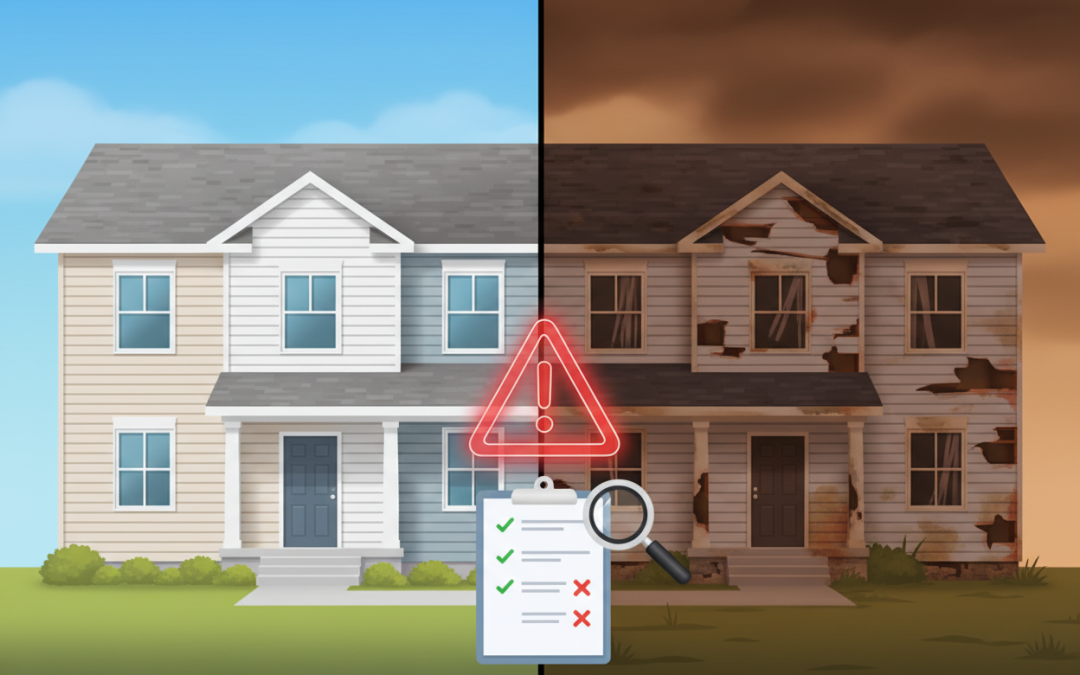
Siding Replacement Red Flags: Avoiding Contractor Scams
When it comes to home improvement projects, few things are as important as protecting your family’s shelter. Your home’s siding serves as the first line of defense against the elements, making siding replacement a significant investment that deserves careful consideration. Unfortunately, the siding industry attracts its fair share of unscrupulous contractors who prey on unsuspecting homeowners. Recognizing the warning signs of contractor scams can save you thousands of dollars and countless headaches.
Whether you’re dealing with storm damage, aging materials, or simply wanting to upgrade your home’s appearance, understanding how to identify legitimate contractors versus potential scammers is crucial. This comprehensive guide will walk you through the most common red flags to watch for when hiring a siding contractor, helping you make informed decisions that protect both your investment and your peace of mind.
Door-to-Door Sales Tactics: The Classic Warning Sign
One of the most prevalent red flags in the siding industry is the unexpected door-to-door salesperson. While not all door-to-door contractors are scammers, this approach is often used by fraudulent operators who target homeowners immediately after storms or during peak home improvement seasons.
Legitimate siding contractors typically don’t need to cold-call neighborhoods because they maintain steady business through referrals, online presence, and established reputations. When someone shows up at your door claiming they “happened to be in the neighborhood” and noticed your siding needs work, proceed with extreme caution.
These door-to-door scammers often create artificial urgency by claiming they have leftover materials from a nearby job or offering limited-time discounts that expire if you don’t sign immediately. Remember, quality siding work is a significant investment that deserves proper research and multiple quotes, not snap decisions made under pressure.
Pressure Sales and Urgency Tactics
Reputable siding contractors understand that homeowners need time to make informed decisions about major home improvements. Scammers, however, rely on high-pressure tactics designed to prevent you from thinking clearly or seeking second opinions.
Watch out for contractors who insist you must sign a contract immediately to secure special pricing or who claim their offer expires within hours. Phrases like “This deal won’t last” or “I can only offer this price today” should immediately raise red flags. Legitimate contractors will provide detailed written estimates and give you adequate time to review their proposal.
Another pressure tactic involves creating false urgency about your home’s condition. While some siding issues do require prompt attention, most problems don’t constitute emergencies that require immediate action. Be wary of contractors who claim your home is in imminent danger or that waiting could result in catastrophic damage.
Unrealistic Pricing: Too Good or Too Expensive
Pricing irregularities often signal contractor scams, whether the estimate seems suspiciously low or unreasonably high. Extremely low bids might indicate the contractor plans to use substandard materials, cut corners on installation, or demand additional payments once work begins.
On the flip side, drastically overpriced estimates might target homeowners who aren’t familiar with typical siding costs. Scammers sometimes inflate prices for insurance claims or prey on homeowners’ lack of knowledge about fair market rates.
Quality siding replacement typically costs between $8 to $15 per square foot for vinyl siding, $12 to $20 for fiber cement, and $15 to $30 for premium materials like cedar or engineered wood. Prices vary by region, but estimates that fall significantly outside these ranges warrant additional scrutiny.
Always obtain multiple quotes from different contractors to establish a baseline for reasonable pricing. This practice not only helps you identify potential scams but also ensures you’re getting competitive rates for quality work.
Lack of Proper Licensing and Insurance
Professional siding contractors maintain proper licensing and comprehensive insurance coverage to protect both themselves and their clients. Scammers often operate without these essential credentials, leaving homeowners vulnerable to liability and substandard work.
Before hiring any contractor, verify their business license through your state’s licensing board or local building department. Many states provide online databases where you can confirm a contractor’s license status and check for any complaints or violations.
Insurance verification is equally important. Legitimate contractors carry both general liability insurance and workers’ compensation coverage. Don’t simply take their word for it – request certificates of insurance directly from their insurance company. This documentation should show current coverage that won’t expire during your project timeline.
Contractors who can’t provide proof of licensing or insurance, or who seem evasive when asked about these credentials, should be eliminated from consideration immediately. Working with unlicensed or uninsured contractors can leave you financially responsible for accidents, injuries, or property damage that occurs during the project.
Payment Demands and Financial Red Flags
How a contractor handles payment requests often reveals their legitimacy and professionalism. Scammers frequently demand large upfront payments or full payment before beginning work, while legitimate contractors typically follow industry-standard payment schedules.
Be extremely cautious of contractors who request payment in cash only or who insist on full payment upfront. Reputable siding contractors usually require a small deposit to secure materials and scheduling, with the majority of payment due upon project completion.
A reasonable payment structure might include 10% down to start, 25-40% when materials arrive, another 25-40% at the project midpoint, and the final balance upon satisfactory completion. This schedule protects both parties and ensures the contractor remains motivated to complete quality work.
Never pay for work that hasn’t been completed, and be wary of contractors who claim they need money upfront to purchase materials. Established contractors typically have arrangements with suppliers or sufficient cash flow to handle material purchases without requiring customer advances.
Missing or Inadequate Documentation
Professional siding contractors provide comprehensive documentation for their services, including detailed written estimates, formal contracts, material specifications, and warranty information. Scammers often operate with minimal paperwork, making it difficult to hold them accountable for their work.
A legitimate siding estimate should include itemized costs for materials, labor, permits, cleanup, and any additional services. The document should specify material brands, grades, colors, and installation methods. Vague estimates that lump everything together under general categories make it impossible to verify you’re receiving what you paid for.
Contracts should clearly outline project timelines, payment schedules, change order procedures, and warranty terms. They should also include the contractor’s license number, insurance information, and physical business address. Avoid contractors who want to proceed with verbal agreements or handwritten notes on scraps of paper.
Additionally, reputable contractors provide manufacturer warranties on materials and workmanship warranties on installation. Be suspicious of contractors who can’t explain warranty coverage or who offer unusually long warranty periods that seem too good to be true.
Poor Online Presence and References
In today’s digital age, legitimate siding contractors maintain professional online presences that include websites, social media profiles, and customer reviews. While newer companies might have limited online history, established contractors should have verifiable digital footprints.
Research potential contractors through multiple channels, including Google reviews, Better Business Bureau ratings, Angie’s List, and local contractor directories. Pay attention to review patterns – be wary of contractors with only five-star reviews or those whose reviews seem artificially positive or generic.
Request references from recent customers and actually contact them to discuss their experiences. Legitimate contractors are proud of their work and happy to provide references. Ask previous customers about work quality, timeliness, cleanliness, and whether they would hire the contractor again.
Scammers often can’t provide legitimate references or may give you fake contact information. Some might claim their previous customers prefer privacy, but most satisfied homeowners are willing to share positive experiences with potential customers.
Substandard Materials and Installation Shortcuts
Quality siding replacement requires premium materials and proper installation techniques. Scammers often cut costs by using inferior materials or skipping essential installation steps, resulting in premature failure and costly repairs.
Be cautious of contractors who can’t specify material brands or grades, or who seem evasive when discussing material quality. Reputable contractors use name-brand siding from established manufacturers and can provide detailed specifications for all materials.
Watch for red flags during installation, such as skipping house wrap or moisture barriers, inadequate fastening methods, or poor attention to flashing and trim details. Quality siding installation requires careful attention to these details to prevent water intrusion and ensure long-term performance.
If you notice workers taking shortcuts or using installation methods that seem questionable, don’t hesitate to ask questions or request clarification. Professional contractors welcome customer involvement and are happy to explain their installation processes.
How to Protect Yourself When Hiring Siding Contractors
Protecting yourself from siding contractor scams requires proactive research and careful vetting of potential contractors. Start by obtaining multiple quotes from different companies to establish baseline pricing and compare approaches to your project.
Verify all credentials independently rather than trusting contractor-provided documentation. Check licensing through official channels, confirm insurance coverage directly with insurance companies, and research business standings through the Better Business Bureau and local consumer protection agencies.
Take time to make your decision, regardless of any pressure tactics. Quality contractors understand that siding replacement is a major investment and will respect your need to carefully consider your options.
Document everything throughout the process, including initial conversations, estimates, contract terms, and any changes to the original agreement. This documentation protects you if disputes arise and helps ensure both parties understand their obligations.
Trust your instincts – if something feels wrong or too good to be true, it probably is. Don’t let excitement about improving your home override common sense about contractor selection.
Conclusion: Making Smart Siding Replacement Decisions
Siding replacement represents a significant investment in your home’s protection, energy efficiency, and curb appeal. While the process of finding a reliable contractor might seem daunting, understanding common red flags helps you navigate the selection process with confidence.
Remember that legitimate siding contractors build their reputations through quality work, fair pricing, and professional service. They maintain proper licensing and insurance, provide comprehensive documentation, and give customers time to make informed decisions without high-pressure tactics.
By staying vigilant for warning signs like door-to-door sales, pressure tactics, unrealistic pricing, missing credentials, and poor documentation, you can avoid costly scams and find contractors who will deliver quality results. Take your time, do your research, and don’t let anyone rush you into decisions about your home’s exterior protection.
Your home deserves quality siding installed by professionals who stand behind their work. With careful contractor selection, your siding replacement project will enhance your home’s beauty and protection for years to come.
Frequently Asked Questions
Q: How much should I expect to pay for siding replacement?
A: Siding replacement costs vary by material and region, but typically range from $8-15 per square foot for vinyl, $12-20 for fiber cement, and $15-30 for premium materials. Always get multiple quotes to ensure fair pricing.
Q: Is it okay to hire a door-to-door siding contractor?
A: While not all door-to-door contractors are scammers, this approach is commonly used by fraudulent operators. It’s better to research and contact contractors yourself rather than making decisions based on unsolicited visits.
Q: What licenses should a siding contractor have?
A: Requirements vary by state, but contractors typically need general contractor licenses or specialized siding installation licenses. Check with your state’s licensing board to verify current credentials.
Q: How long should a siding replacement project take?
A: Timeline depends on home size and complexity, but most residential siding projects take 1-2 weeks. Be wary of contractors promising unrealistically fast completion times.
Q: What should I do if I suspect I’ve hired a scammer?
A: Stop all payments immediately, document everything, contact your state’s consumer protection agency, and consider consulting with an attorney. Report the incident to help protect other homeowners.
Q: Should I pay for siding work upfront?
A: Never pay the full amount upfront. Legitimate contractors typically require only a small deposit (10% or less) with the majority due upon completion. Large upfront payments are major red flags.


























Window replacement near me in Highland Park Texas