

Budget-Friendly Window Replacement Strategies That Work
Let’s face it – window replacement can feel overwhelming, especially when you’re watching your budget like a hawk. I’ve been there, staring at those drafty old windows while calculating the potential cost in my head and feeling my heart sink. But here’s the thing: replacing your windows doesn’t have to drain your savings account or force you into debt. With the right strategies and a bit of planning, you can achieve that dream of energy-efficient, beautiful windows without breaking the bank.
Whether you’re dealing with windows that rattle in every breeze, condensation between glass panes, or energy bills that make you cringe, this guide will walk you through practical, proven strategies to replace your windows affordably. From timing your purchase perfectly to exploring financing options you might not have considered, we’ll cover everything you need to know to make smart decisions that your wallet will thank you for.
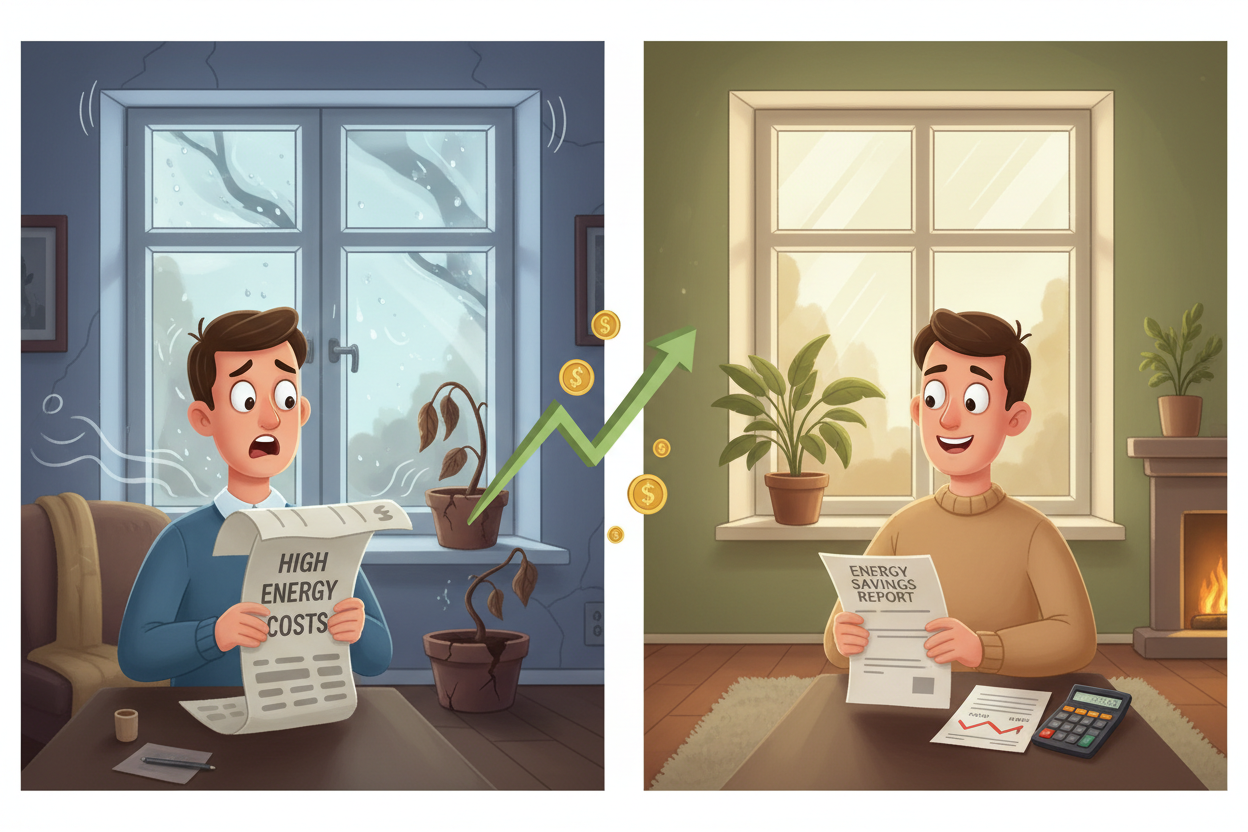
Understanding When Window Replacement Makes Financial Sense
Before diving into cost-saving strategies, it’s crucial to determine whether replacement is truly necessary or if repairs might suffice. Sometimes what feels like a major window problem can be solved with simple fixes that cost a fraction of full replacement.
Consider replacement when you notice multiple issues: significant air leaks that weatherstripping can’t fix, visible rot or damage to the frame, condensation between double-pane glass, or difficulty opening and closing windows. If your energy bills have been creeping up and your windows are more than 15-20 years old, replacement often pays for itself through energy savings.
However, if you’re dealing with minor issues like small air leaks, loose hardware, or cosmetic problems, repairs might be the smarter financial choice. A professional assessment can help you make this determination, and many window companies offer free consultations that can save you from unnecessary expenses.

Smart Shopping: Finding Quality Windows at Lower Prices
The window market is more competitive than ever, which works in your favor as a budget-conscious consumer. Start by researching different manufacturers and understanding that the most expensive option isn’t always the best value. Many mid-range manufacturers produce excellent windows that perform just as well as premium brands.
Consider shopping at big box stores for standard-sized windows. While they may not offer the same level of customization as specialty window retailers, their buying power often translates to significant savings for consumers. Home improvement stores frequently run seasonal promotions that can reduce costs by 20-30%.
Don’t overlook online retailers either. Many reputable window manufacturers now sell directly to consumers online, cutting out middleman markups. Just ensure you’re comfortable with the installation requirements and return policies before making large purchases.
Factory seconds or discontinued models can offer substantial savings. These windows often have minor cosmetic flaws that don’t affect performance, or they’re simply last season’s colors. Contact manufacturers directly to inquire about these opportunities.
Timing Your Purchase for Maximum Savings
Strategic timing can significantly impact your window replacement costs. The window industry, like many others, has predictable seasonal patterns that savvy consumers can leverage.
Late fall and winter typically offer the best deals on windows. Demand drops during colder months since most people prefer not to have their homes opened up for installation during frigid weather. However, if you can handle a bit of temporary discomfort, you’ll often find contractors and retailers eager to offer discounts to maintain cash flow during slower periods.
End-of-year clearance sales can yield impressive savings as retailers make room for new inventory. Similarly, manufacturers often introduce new models in spring, making previous year’s models available at reduced prices.
Keep an eye on holiday weekend sales, particularly Memorial Day, Labor Day, and Black Friday. Many home improvement retailers offer significant discounts during these periods, sometimes combining manufacturer rebates with store promotions for maximum savings.
DIY Installation vs Professional Services: Making the Right Choice
Installation costs typically account for 30-50% of your total window replacement expense, making this a significant area for potential savings. However, the decision between DIY and professional installation isn’t just about money – it’s about capability, time, and long-term results.
DIY installation can save thousands of dollars, especially if you’re replacing multiple windows. Modern windows are designed to be more user-friendly than older models, and many manufacturers provide detailed installation guides and video tutorials. If you’re handy with tools and have experience with home improvement projects, this could be a viable option.
However, consider the risks carefully. Improper installation can lead to air leaks, water damage, and voided warranties. Some window manufacturers only honor warranties when installation is performed by certified professionals. Additionally, installation mistakes can actually increase your energy costs, negating the efficiency benefits you’re paying for.
A middle-ground approach might involve doing some of the prep work yourself – removing old windows, cleaning up debris, or painting – while leaving the actual installation to professionals. This can reduce labor costs while ensuring proper installation.
Exploring Financing Options and Rebate Programs
Don’t let upfront costs prevent you from moving forward with necessary window replacement. Multiple financing options can make the project manageable while allowing you to start enjoying energy savings immediately.
Many window manufacturers and contractors offer promotional financing, sometimes including 0% interest for qualified buyers. These programs can spread costs over 12-48 months, making high-quality windows accessible even on tight budgets. Read the fine print carefully, as promotional rates often revert to higher standard rates if not paid in full by the promotion’s end.
Home improvement loans from banks or credit unions often offer better long-term rates than promotional financing, especially for larger projects. Some lenders specialize in energy-efficiency improvements and may offer preferential rates for qualifying window replacements.
Government rebate programs can significantly reduce your net costs. Federal tax credits for energy-efficient windows can provide substantial savings, though eligibility requirements change periodically. Many states and local utilities also offer rebates for energy-efficient home improvements. Research available programs in your area before making purchases, as some require pre-approval or specific product certifications.
Utility company programs sometimes include financing options or on-bill financing, where improvement costs are added to your monthly utility bill and paid off over time. These programs often feature below-market interest rates and simplified approval processes.
Maximizing Energy Efficiency on a Budget
Energy-efficient windows cost more upfront but can provide substantial long-term savings. The key is finding the sweet spot between efficiency and affordability that makes sense for your specific situation.
Focus on the most important efficiency features for your climate. In colder regions, prioritize low U-factors for better insulation. In warmer climates, low solar heat gain coefficients are more important for reducing cooling costs. Don’t pay extra for features that won’t benefit your specific situation.
Double-pane windows with low-E coatings offer excellent value for most climates. While triple-pane windows provide superior insulation, the additional cost often takes decades to recoup through energy savings in moderate climates. Save the premium for triple-pane windows if you live in extremely cold regions or have specific noise reduction needs.
Consider upgrading windows in phases, starting with those that will provide the greatest impact. South-facing windows in cooling climates or north-facing windows in heating climates often provide the best return on investment. This approach spreads costs over time while delivering immediate benefits in priority areas.
Working with Contractors: Getting Quality Work at Fair Prices
If you decide on professional installation, choosing the right contractor can make or break your budget-friendly window replacement project. The lowest bid isn’t always the best value, but the highest isn’t necessarily better either.
Get multiple quotes, but ensure you’re comparing apples to apples. Ask each contractor to specify exactly what’s included: removal and disposal of old windows, installation materials, cleanup, and any necessary trim work. Hidden costs can quickly derail a budget-conscious project.
Check references and verify licensing and insurance. A contractor who damages your home or provides poor installation can end up costing far more than you saved by choosing them. Look for contractors who specialize in window installation rather than general handymen, as specialized experience often leads to better results and fewer complications.
Consider timing flexibility as a negotiation tool. Contractors often offer discounts for flexible scheduling, allowing them to fit your project into their schedule when convenient. Being willing to wait for an opening in their schedule can result in significant savings.
Don’t overlook smaller, local contractors. While large companies have marketing budgets and brand recognition, smaller operations often have lower overhead and can offer competitive pricing while providing personalized service.
Avoiding Common Costly Mistakes
Budget-conscious window replacement requires avoiding pitfalls that can turn affordable projects into expensive disasters. Learning from others’ mistakes can save you significant money and frustration.
Accurate measurements are crucial. Ordering wrong-sized windows can result in expensive rush reorders, delayed projects, and additional labor costs for modifications. When in doubt, pay for professional measuring services – it’s much cheaper than fixing ordering mistakes.
Don’t skimp on quality for the sake of saving a few dollars. Extremely cheap windows often lack proper weatherstripping, have poor hardware, or use inferior glass that negates energy savings. Focus on value rather than just low price.
Understand your home’s architectural requirements before shopping. Some neighborhoods have strict guidelines about window styles, and historic homes may have specific requirements. Buying non-compliant windows can result in costly returns or modification requirements.
Plan for unexpected issues. Older homes often reveal surprises during window replacement – rotted framing, electrical issues, or structural problems. Setting aside 10-20% of your budget for contingencies can prevent project delays and stress.
Frequently Asked Questions
How much can I realistically save with budget-friendly window replacement strategies?
Depending on your approach, you can typically save 20-40% compared to standard retail pricing. Combining seasonal timing, promotional financing, rebates, and smart shopping can result in savings of $200-500 per window on average projects.
Is it worth replacing windows if I’m planning to sell my home soon?
Window replacement typically recoups 60-80% of its cost in increased home value, making it worthwhile even for near-term sales. Energy-efficient windows are particularly attractive to buyers and can help your home sell faster.
How do I know if my windows actually need replacement or just repairs?
Replace windows if you notice condensation between glass panes, significant air leaks that weatherstripping can’t fix, difficulty operating windows, or visible frame damage. Minor issues like loose hardware or small air leaks can often be repaired cost-effectively.
What’s the minimum quality level I should consider for budget window replacement?
Look for double-pane windows with low-E coatings and proper weatherstripping. Avoid single-pane windows or those without low-E coatings, as they won’t provide adequate energy efficiency. ENERGY STAR certification ensures minimum performance standards.
Can I mix different window brands or styles to save money?
Yes, but maintain consistency on the same elevation of your home for aesthetic reasons. You might use premium windows on your home’s front facade and more budget-friendly options on less visible sides, or upgrade only the largest windows that impact energy efficiency most.
How long should I expect budget-friendly windows to last?
Quality budget windows should last 15-25 years with proper maintenance. While premium windows might last 30+ years, mid-range options still provide excellent longevity and value when chosen carefully.
Budget-friendly window replacement doesn’t mean compromising on quality or efficiency. By timing your purchase strategically, exploring all available financing and rebate options, and making informed decisions about installation, you can achieve significant improvements to your home’s comfort and energy efficiency without overspending. Remember that the cheapest option isn’t always the best value – focus on finding windows that offer the right balance of quality, efficiency, and affordability for your specific situation. With careful planning and smart shopping, your window replacement project can enhance your home’s value and comfort while staying within your budget constraints.






Affordable home window replacement Colleyville Texas

Affordable home window replacement Roanoke Texas





Best home window replacement Grand Prairie Texas






Affordable replacement windows Flower Mound Texas
















How much does it cost for vinyl replacement windows Wilmer Texas

How much does it cost for vinyl replacement windows Crowley Texas