The Hidden Benefits of Insulated Vinyl Siding Systems: More Than Meets the Eye
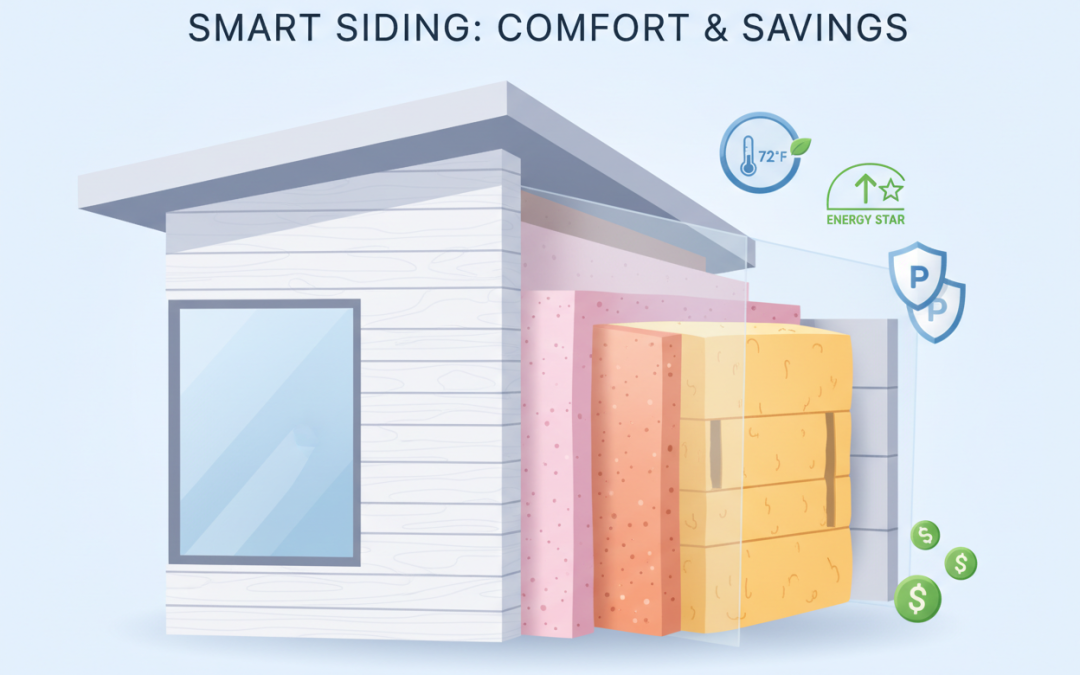
When homeowners think about upgrading their exterior siding, they often focus on the obvious benefits: improved curb appeal, better weather protection, and reduced maintenance. However, insulated vinyl siding systems offer a treasure trove of hidden advantages that many property owners never consider. These sophisticated exterior solutions go far beyond traditional vinyl siding, incorporating advanced insulation technology that transforms your home’s performance in ways you might never have imagined.
While standard vinyl siding has been a popular choice for decades due to its affordability and low maintenance requirements, insulated vinyl siding takes these benefits to an entirely new level. The addition of rigid foam insulation backing creates a comprehensive system that addresses multiple home performance issues simultaneously, making it one of the most intelligent investments you can make for your property.
Understanding Insulated Vinyl Siding Technology
Insulated vinyl siding systems represent a significant evolution in exterior cladding technology. Unlike traditional vinyl siding that hangs loosely on your home’s exterior, insulated versions feature a rigid foam backing that’s permanently attached to the vinyl panel. This foam layer, typically made from expanded polystyrene (EPS) or polyurethane, ranges from half an inch to over an inch in thickness.
The manufacturing process involves precision engineering to ensure the foam backing perfectly contours to the vinyl panel’s profile, eliminating air gaps and creating a seamless thermal barrier. This integration results in a siding system that performs multiple functions simultaneously, acting as both protective cladding and continuous insulation.
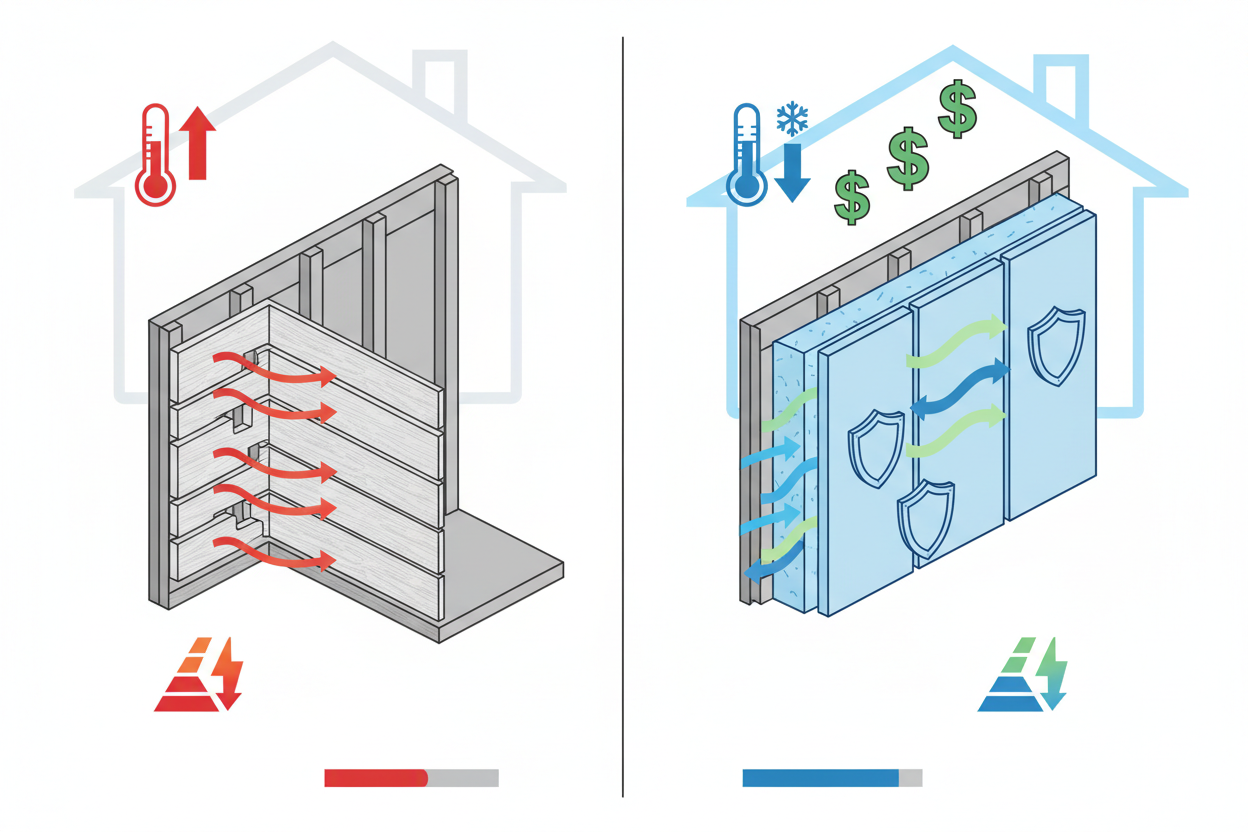
What makes this technology particularly impressive is how it addresses the thermal bridging issues common in traditional construction methods. By providing a continuous layer of insulation across the entire wall surface, insulated vinyl siding helps eliminate the cold spots and heat loss that occur through wall studs and other structural elements.
Energy Efficiency Beyond the Obvious
Most homeowners understand that insulated siding can help reduce energy bills, but the extent of these savings often surprises even industry professionals. The continuous insulation provided by these systems can improve your home’s overall R-value by 2 to 4 points, which translates to significant energy savings throughout the year.
During winter months, the insulation backing helps retain heated air inside your home, reducing the workload on your heating system. Conversely, in summer, it acts as a barrier against heat gain, keeping your air conditioning system from working overtime. This year-round performance improvement can result in energy savings of 15 to 20 percent compared to homes with traditional siding.
The thermal mass effect created by insulated vinyl siding also contributes to more stable indoor temperatures. This means fewer temperature fluctuations throughout the day, creating a more comfortable living environment while reducing the frequency of HVAC system cycling. The result is not only lower energy bills but also extended equipment life and reduced maintenance costs.
Structural Advantages You Never Considered
One of the most overlooked benefits of insulated vinyl siding systems is their contribution to overall structural integrity. The rigid foam backing provides additional support to the exterior walls, helping to reduce wall movement and flex that can occur with traditional siding installations.
This added structural support becomes particularly valuable in areas prone to high winds or severe weather conditions. The continuous backing helps distribute wind loads more evenly across the wall surface, reducing stress concentrations that can lead to damage or failure. Many insulated vinyl siding systems have been tested to withstand wind speeds exceeding 200 miles per hour.
The foam backing also helps bridge minor imperfections in the wall sheathing, creating a smoother, more uniform appearance. This is especially beneficial when installing siding over older homes where the original sheathing may have some irregularities or minor damage that would otherwise show through traditional vinyl siding.
Moisture Management and Vapor Control
Effective moisture management is crucial for long-term home health, and insulated vinyl siding systems excel in this area through multiple mechanisms. The continuous insulation layer helps maintain wall temperatures above the dew point, significantly reducing the risk of condensation within the wall assembly.
Many insulated siding systems incorporate advanced drainage features, including weep holes and channel designs that promote water evacuation. The rigid backing also provides a stable surface that helps maintain proper siding alignment over time, preventing the gaps and warping that can allow moisture infiltration.
The vapor permeability characteristics of quality insulated vinyl siding systems are carefully engineered to allow moisture vapor to escape from the wall assembly while preventing liquid water intrusion. This balanced approach helps prevent the moisture-related problems that can lead to mold, rot, and other structural issues.
Sound Dampening Properties
Living in a quieter home is a luxury that many homeowners don’t realize they’re missing until they experience it. Insulated vinyl siding systems provide significant sound dampening benefits that can dramatically improve your indoor living environment.
The foam backing acts as an acoustic barrier, absorbing sound waves and reducing noise transmission from outside sources. This is particularly beneficial for homes located near busy streets, airports, or other noise sources. The improvement in sound reduction can be substantial, often reducing exterior noise levels by 30 to 40 percent compared to traditional siding.
The sound dampening effect works both ways, also helping to contain indoor sounds and providing better privacy for your family activities. This can be especially valuable in densely populated neighborhoods where homes are built close together.
Impact Resistance and Durability
The backing foam in insulated vinyl siding systems provides exceptional impact resistance that goes far beyond what traditional vinyl siding can offer. The rigid support helps prevent denting and damage from hail, flying debris, and accidental impacts that might occur during lawn maintenance or recreational activities.
This enhanced durability translates to longer-lasting appearance and performance. While traditional vinyl siding might show dents or damage from relatively minor impacts, insulated systems maintain their appearance and integrity much longer. This durability factor often makes insulated vinyl siding a more economical choice over the long term, despite higher initial costs.
The UV resistance of quality insulated vinyl siding systems is also superior, with advanced formulations that resist fading and chalking for decades. Many manufacturers offer warranties of 30 years or more, reflecting their confidence in the product’s long-term performance.
Installation Benefits and Professional Advantages
From a contractor’s perspective, insulated vinyl siding systems offer several installation advantages that can benefit homeowners. The rigid backing provides a more stable surface for cutting and handling, reducing waste and improving installation efficiency.
The enhanced structural support also means that insulated siding can often be installed over existing siding in certain situations, potentially reducing removal and disposal costs. The backing foam helps bridge minor imperfections in the substrate, creating a more professional-looking finished installation.
Many insulated vinyl siding systems feature improved fastening systems and installation details that enhance long-term performance. These design improvements often result in faster installation times and reduced labor costs, savings that can be passed on to homeowners.
Environmental and Sustainability Considerations
The environmental benefits of insulated vinyl siding systems extend beyond energy savings. The improved thermal performance reduces your home’s carbon footprint by decreasing energy consumption for heating and cooling throughout the building’s lifetime.
Many insulated vinyl siding products incorporate recycled materials in their manufacturing process, and the long lifespan of these systems means fewer replacement cycles and reduced waste generation over time. The durability and longevity of insulated vinyl siding make it an environmentally responsible choice for conscious homeowners.
The manufacturing processes for quality insulated vinyl siding have also become more sustainable, with many producers implementing energy-efficient production methods and waste reduction programs that minimize environmental impact.
Cost-Benefit Analysis and Long-Term Value
While insulated vinyl siding systems typically cost more upfront than traditional vinyl siding, the total cost of ownership often favors the insulated option. The energy savings alone can offset much of the additional initial investment over the system’s lifetime.
When you factor in the reduced maintenance requirements, enhanced durability, and potential insurance benefits in areas prone to severe weather, the economic case for insulated vinyl siding becomes even stronger. Many homeowners find that the improved comfort and reduced noise levels provide quality-of-life benefits that are difficult to quantify but highly valuable.
The resale value impact of insulated vinyl siding can also be significant, as energy-efficient homes are increasingly sought after by buyers. The combination of improved curb appeal and documented energy performance can provide a strong return on investment when it comes time to sell your home.
Conclusion: Maximizing Your Home’s Potential
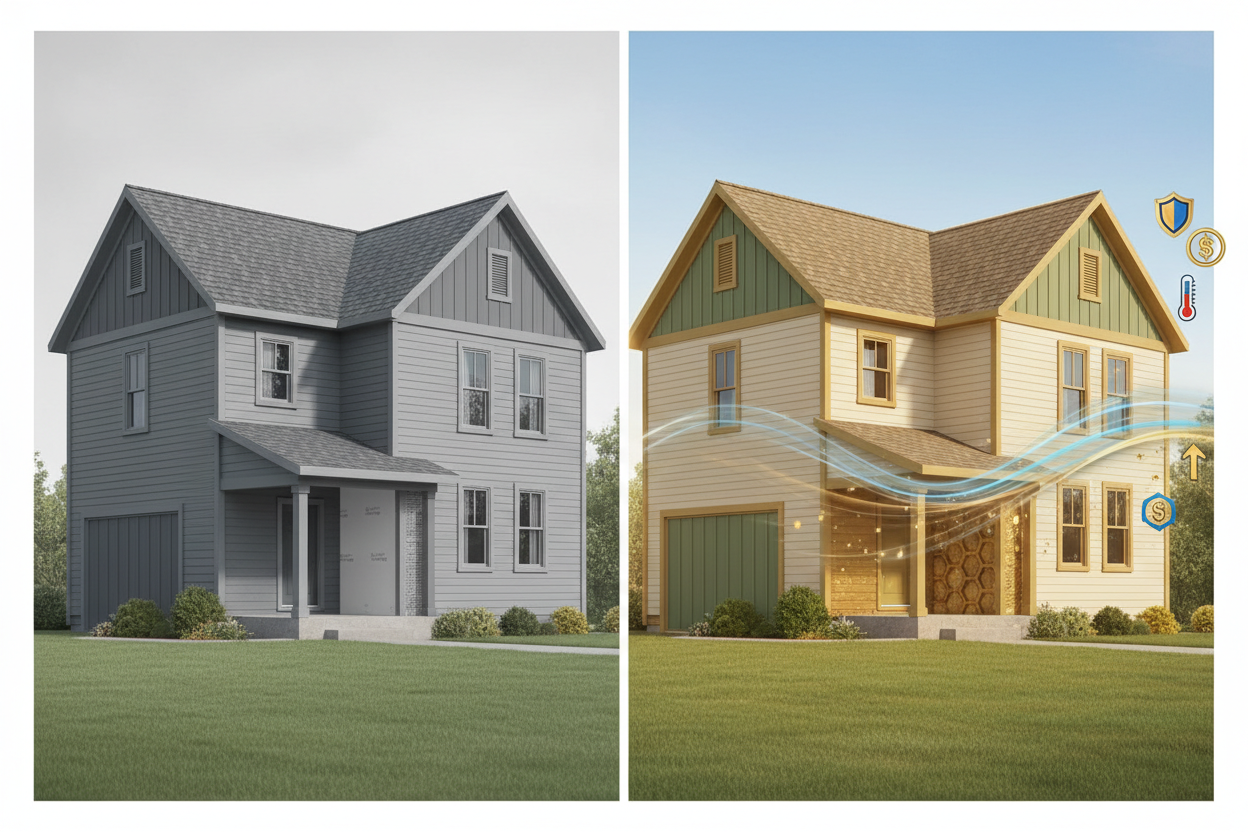
Insulated vinyl siding systems represent far more than a simple exterior upgrade. They’re a comprehensive home performance solution that addresses energy efficiency, comfort, durability, and aesthetics in a single installation. The hidden benefits we’ve explored – from structural support and moisture management to sound dampening and environmental sustainability – demonstrate why these systems are becoming the preferred choice for discerning homeowners.
As building science continues to evolve and energy costs rise, the advantages of insulated vinyl siding systems become even more compelling. The technology represents a mature, proven solution that delivers measurable benefits across multiple performance categories.
For homeowners considering exterior improvements, insulated vinyl siding offers an opportunity to transform your home’s performance while enhancing its appearance and value. The investment in quality insulated siding systems pays dividends in comfort, efficiency, and peace of mind for decades to come.
Frequently Asked Questions
How much can I expect to save on energy bills with insulated vinyl siding?
Energy savings typically range from 15 to 20 percent compared to homes with traditional siding, though actual savings depend on factors like climate, home size, and existing insulation levels. Most homeowners see noticeable reductions in their heating and cooling costs within the first year of installation.
Can insulated vinyl siding be installed over existing siding?
In many cases, yes. Insulated vinyl siding can often be installed over existing wood, aluminum, or vinyl siding, provided the substrate is in good condition and properly prepared. This can reduce installation costs and disposal fees, though a professional assessment is recommended.
How does insulated vinyl siding perform in extreme weather conditions?
Insulated vinyl siding systems are engineered to withstand severe weather, with many products tested to resist winds exceeding 200 mph. The foam backing provides additional impact resistance against hail and debris, making it an excellent choice for areas prone to severe weather.
What’s the typical lifespan of insulated vinyl siding?
Quality insulated vinyl siding systems typically last 30 to 50 years or more with proper installation and minimal maintenance. Many manufacturers offer warranties of 30 years or longer, reflecting confidence in the product’s durability and performance.
Does insulated vinyl siding require special maintenance?
Maintenance requirements are minimal and similar to traditional vinyl siding. Occasional washing with soap and water is typically all that’s needed to maintain appearance and performance. The enhanced durability of insulated systems often means less maintenance over time compared to other siding materials.
How much does insulated vinyl siding cost compared to traditional options?
Insulated vinyl siding typically costs 20 to 30 percent more than traditional vinyl siding initially, but the energy savings, durability, and reduced maintenance often result in lower total cost of ownership over the system’s lifetime.

















How much does it cost for vinyl replacement windows Leonard Texas












Affordable home window replacement Denison Texas

Affordable home window replacement Roanoke Texas







Home window replacement near me Cedar Hill Texas


Black replacement windows Preston Hollow Dallas Texas

















Prosper TX Replacement Siding Installation Services


Grand Prairie TX Siding Replacement Contractors