
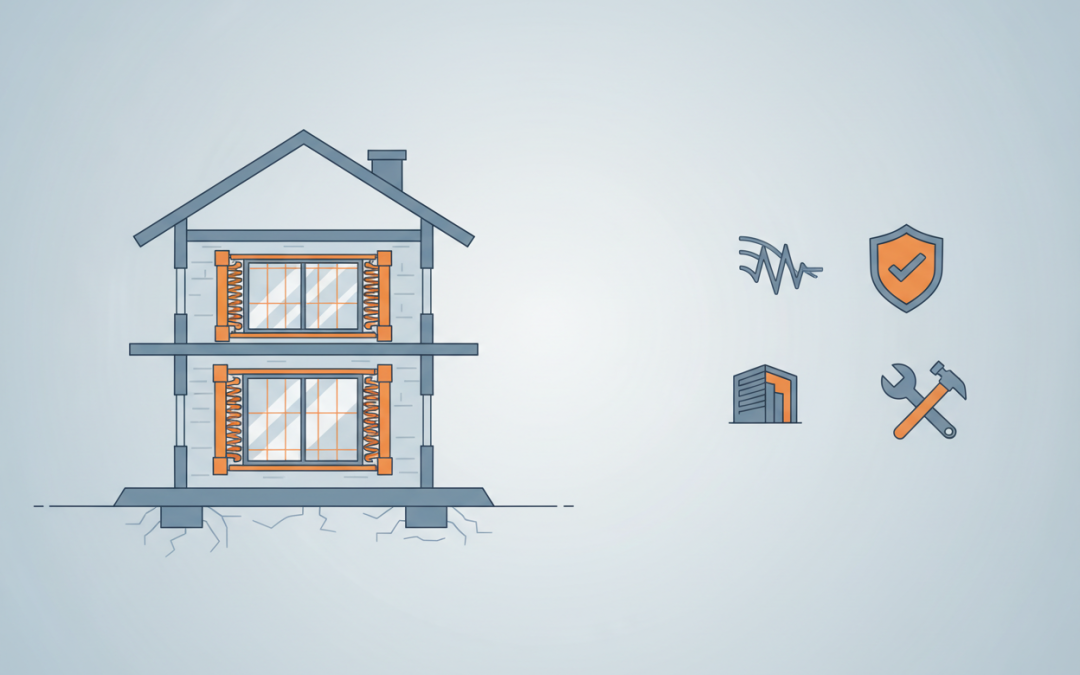
How to Handle Window Replacement in Earthquake-Prone Areas: A Complete Guide for Homeowners
Living in an earthquake-prone area comes with unique challenges that most homeowners never have to consider. One of these challenges is ensuring your windows can withstand seismic activity while still providing the natural light, ventilation, and aesthetic appeal you desire. Whether you’re dealing with aging windows that need replacement or planning new construction, understanding how to properly handle window replacement in seismic zones could literally be the difference between safety and disaster.
I’ve worked with countless homeowners in California, Alaska, and other earthquake-prone regions who initially thought any window would do. They quickly learned that standard windows simply aren’t designed to handle the lateral forces and building movement that earthquakes create. This comprehensive guide will walk you through everything you need to know about selecting, installing, and maintaining windows that can stand up to Mother Nature’s most powerful forces.
Understanding Seismic Building Codes and Window Requirements
Before diving into specific window types and installation techniques, it’s crucial to understand that earthquake-prone areas have specialized building codes for good reason. These codes aren’t bureaucratic red tape – they’re life-saving requirements based on decades of research and real-world earthquake damage analysis.
The International Building Code (IBC) and local amendments specify that windows in seismic zones must be able to accommodate building drift without failure. Building drift refers to the horizontal movement that occurs when a structure sways during an earthquake. A typical multi-story building might drift several inches during a major quake, and your windows need to flex with this movement rather than shatter.
Most earthquake-prone areas fall into Seismic Design Categories D, E, or F, which have the most stringent requirements. In these zones, windows must be tested to withstand specific drift ratios, typically ranging from 0.75% to 2.5% of the story height. This means if you have 10-foot ceilings, your window system needs to accommodate up to 3 inches of movement in any direction.
Choosing the Right Window Materials for Seismic Zones
Not all window materials perform equally when the ground starts shaking. Each material has distinct advantages and limitations that become critically important during seismic events.
Vinyl windows have gained popularity in earthquake zones due to their flexibility. Unlike rigid materials, vinyl can bend and flex without breaking, making it naturally suited for seismic activity. However, lower-quality vinyl can become brittle over time, especially in areas with extreme temperature variations. If you’re considering vinyl, invest in high-quality, multi-chambered frames that maintain their flexibility throughout their lifespan.
Aluminum windows offer excellent strength-to-weight ratios and don’t deteriorate like some organic materials. Modern aluminum window systems designed for seismic zones incorporate thermal breaks and flexible gasket systems that allow for building movement. The key is ensuring the aluminum frames are properly engineered with adequate wall thickness and reinforcement at stress points.
Wood windows, while traditional and aesthetically pleasing, require careful consideration in earthquake zones. Solid wood frames can be quite rigid and may crack under stress, but engineered wood products and properly designed wood windows with flexible mounting systems can perform well. The maintenance requirements for wood in seismic zones are higher, as any deterioration can compromise the window’s ability to flex with building movement.
Fiberglass windows represent a newer option that combines many benefits for seismic applications. They’re strong, flexible, and dimensionally stable across temperature ranges. Fiberglass doesn’t expand and contract as much as other materials, which helps maintain proper sealing and structural integrity over time.
Glass Selection: Beyond Standard Glazing
The glass itself plays a crucial role in earthquake safety, and standard single-pane glass simply isn’t adequate for seismic zones. When buildings move during earthquakes, tremendous stress is placed on glazing systems, making proper glass selection essential for both safety and performance.
Tempered glass should be your minimum standard in earthquake-prone areas. This safety glass is four to five times stronger than regular glass and, when it does break, crumbles into small, relatively harmless pieces rather than creating dangerous shards. Most building codes in seismic zones require tempered glass in windows within a certain distance of the ground or in large glazing areas.
Laminated glass takes safety a step further by incorporating a plastic interlayer between two or more glass panes. Even when broken, laminated glass tends to stay in place, held together by the interlayer. This characteristic is particularly valuable during earthquakes when you want to prevent glass from falling and creating hazards both inside and outside the building.
For the ultimate in earthquake protection, consider impact-resistant glazing systems. While originally developed for hurricane zones, these systems also excel in seismic applications. They combine laminated glass with specially designed frames that can absorb and distribute impact forces, whether from flying debris during an earthquake or from the building movement itself.
Installation Techniques That Make the Difference
Even the best seismic-rated windows will fail if they’re not properly installed. Installation in earthquake-prone areas requires techniques that go far beyond simply securing the window in the opening.
The attachment method is critical. Rather than rigid mounting that fights building movement, seismic window installation uses flexible attachment systems. These might include slotted mounting holes that allow for movement, flexible gaskets that maintain sealing while accommodating drift, or specialized anchoring systems designed to flex with the building.
Proper flashing and sealing become even more important in seismic zones because building movement can create and reopen pathways for water infiltration. The flashing system must be designed to maintain its integrity even as the building moves. This often means using flexible flashing materials and creating overlapping systems that don’t rely on a perfect, static seal.
The rough opening preparation also differs from standard installations. Openings in seismic zones often need to be slightly oversized to accommodate building drift, with the extra space filled using flexible materials rather than rigid shims. The goal is to create a mounting system that holds the window securely during normal conditions but allows controlled movement during seismic events.
Working with Qualified Professionals
While some homeowners might tackle window replacement as a DIY project in stable areas, earthquake-prone regions require professional expertise. The stakes are simply too high to risk improper installation.
Look for contractors who have specific experience with seismic window installation. They should be familiar with local building codes, understand drift requirements, and have experience with the specialized installation techniques required. Don’t hesitate to ask for references from other projects in earthquake-prone areas and verify that they’re properly licensed for seismic work.
Your contractor should also coordinate with structural engineers when necessary, particularly for large window installations or when modifying existing openings. Some seismic retrofits require engineering analysis to ensure the window installation doesn’t compromise the building’s overall seismic performance.
The permit process in earthquake-prone areas is typically more involved than in stable regions. Your contractor should handle all permitting requirements and ensure that inspections are scheduled at the proper stages. These inspections aren’t just bureaucratic requirements – they’re safety checks that verify your windows will perform as intended when an earthquake strikes.
Maintenance and Long-Term Performance
Installing seismic-rated windows is just the beginning. Proper maintenance ensures they’ll perform correctly when you need them most. Earthquake-prone areas often have additional maintenance requirements that go beyond typical window care.
Regular inspection of the flexible mounting systems is essential. Over time, gaskets and flexible components can deteriorate, potentially compromising the window’s ability to accommodate building movement. Schedule annual inspections that specifically check these seismic-related components, not just the general condition of the windows.
Pay special attention to the sealing systems. In earthquake-prone areas, even minor seal failures can become major problems during seismic events when building movement stresses these systems. Replace weatherstripping and sealants proactively rather than waiting for obvious failure.
Keep detailed records of your window installation, including all specifications, installation details, and maintenance performed. This documentation becomes invaluable if you need to make insurance claims after earthquake damage or if future renovations require understanding how your seismic window system was designed.
Cost Considerations and Long-Term Value
Seismic-rated windows and specialized installation techniques do cost more than standard windows, but this investment pays dividends in safety, performance, and potentially lower insurance premiums. Many insurance companies offer discounts for homes that exceed minimum seismic requirements.
Consider the total cost of ownership, not just the initial installation price. High-quality seismic windows often have longer lifespans and lower maintenance costs than standard windows, particularly when you factor in the potential for earthquake damage to improperly installed systems.
The peace of mind that comes with knowing your windows are properly designed for seismic activity is invaluable. Having lived through several significant earthquakes, I can tell you that there’s tremendous comfort in knowing your home’s envelope will remain intact when the ground starts shaking.
Window replacement in earthquake-prone areas requires careful planning, proper material selection, and expert installation. While the requirements are more stringent than in stable areas, following these guidelines will ensure your windows provide safety, performance, and peace of mind for years to come. Remember that this isn’t an area where cutting corners makes sense – invest in proper seismic-rated windows and professional installation to protect both your property and your family’s safety.
Frequently Asked Questions
Q: How often should I replace windows in earthquake-prone areas?
A: Seismic-rated windows typically last 20-30 years with proper maintenance, similar to standard windows. However, you should inspect them annually and replace them if the flexible mounting systems or sealing components show signs of deterioration, regardless of age.
Q: Can I retrofit existing windows to meet seismic requirements?
A: In some cases, yes, but it depends on the existing window type and installation. Simple retrofits might include adding flexible mounting hardware or upgrading to laminated glass. However, many older windows require complete replacement to meet current seismic standards.
Q: Are seismic-rated windows required by law in all earthquake-prone areas?
A: Requirements vary by location and building type. Most areas in Seismic Design Categories D, E, and F have specific window requirements, but these may only apply to new construction or major renovations. Check with your local building department for specific requirements in your area.
Q: Do seismic windows provide better energy efficiency?
A: Not necessarily. Seismic rating and energy efficiency are separate performance criteria. However, many modern seismic-rated windows also incorporate energy-efficient features like low-E coatings and multi-pane glazing.
Q: What happens if my windows fail during an earthquake?
A: Window failure during earthquakes can create safety hazards from flying glass and compromise your home’s weather envelope. Properly installed seismic-rated windows are designed to flex with building movement rather than fail catastrophically, maintaining both safety and weather protection.
Q: Should I upgrade all windows at once or can I do them gradually?
A: While upgrading all windows provides the most comprehensive protection, you can prioritize based on factors like window condition, size, and location. Focus first on large glazing areas, ground-floor windows, and any windows showing signs of deterioration.




















Affordable home window replacement Paradise Texas

Home replacement window companies Richardson Texas





Affordable home window replacement Kennedale Texas




Affordable home window replacement Preston Hollow Dallas Texas



How much does it cost for vinyl replacement windows Princeton Texas
















Wilmer TX Replacement Siding Installation Services