
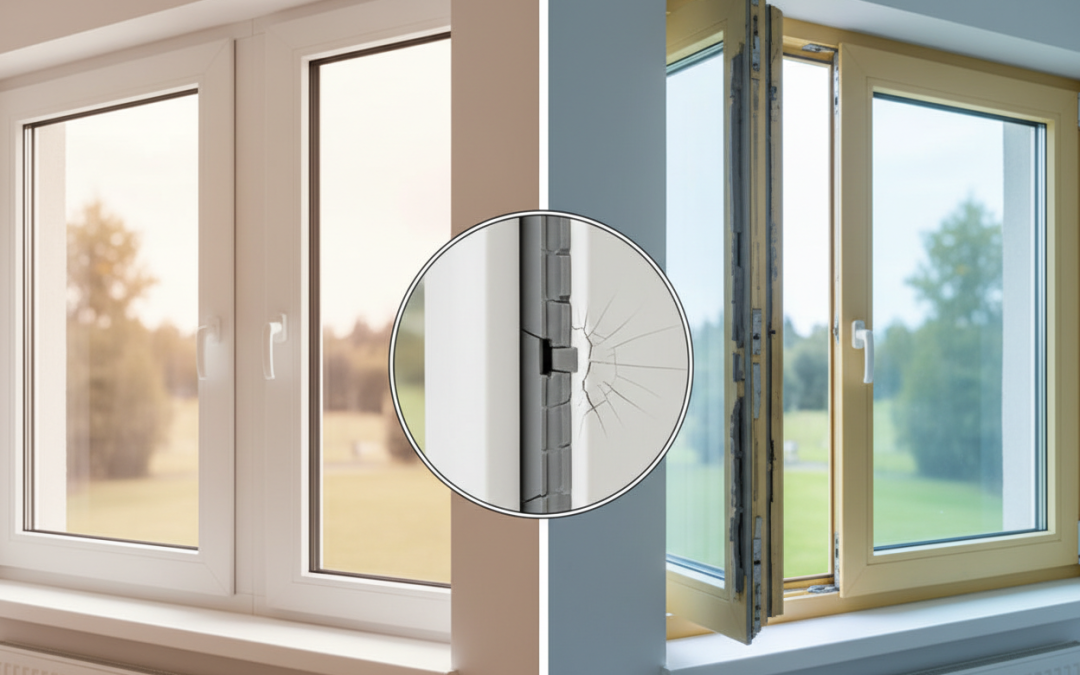
How to Identify Counterfeit Vinyl Windows in Today’s Market
Shopping for new windows can feel overwhelming, especially when you’re trying to navigate between genuine quality products and the growing number of counterfeit vinyl windows flooding the market. As someone who’s spent years helping homeowners make informed decisions about their window replacements, I’ve seen firsthand how convincing these fake products can be – and how devastating the consequences can be for unsuspecting buyers.
The vinyl window industry has experienced tremendous growth over the past decade, making it an attractive target for counterfeiters looking to capitalize on unsuspecting consumers. These fake windows might look legitimate at first glance, but they often fail to meet safety standards, lack proper energy efficiency ratings, and can cost you thousands in repairs and replacements down the line.
In this comprehensive guide, I’ll walk you through the telltale signs of counterfeit vinyl windows and share practical tips to ensure you’re investing in authentic, high-quality products that will protect your home for years to come.
Understanding the Counterfeit Vinyl Window Problem
The counterfeit window market has grown significantly as demand for energy-efficient home improvements has skyrocketed. These fake products often originate from overseas manufacturers who copy the designs and branding of legitimate window companies, creating products that appear genuine but lack the quality, durability, and safety features of authentic vinyl windows.
What makes this problem particularly concerning is that counterfeit vinyl windows can look remarkably similar to genuine products. The differences often lie in the details – materials quality, construction methods, hardware specifications, and performance ratings. Unfortunately, these differences aren’t always apparent until after installation, when problems begin to surface.
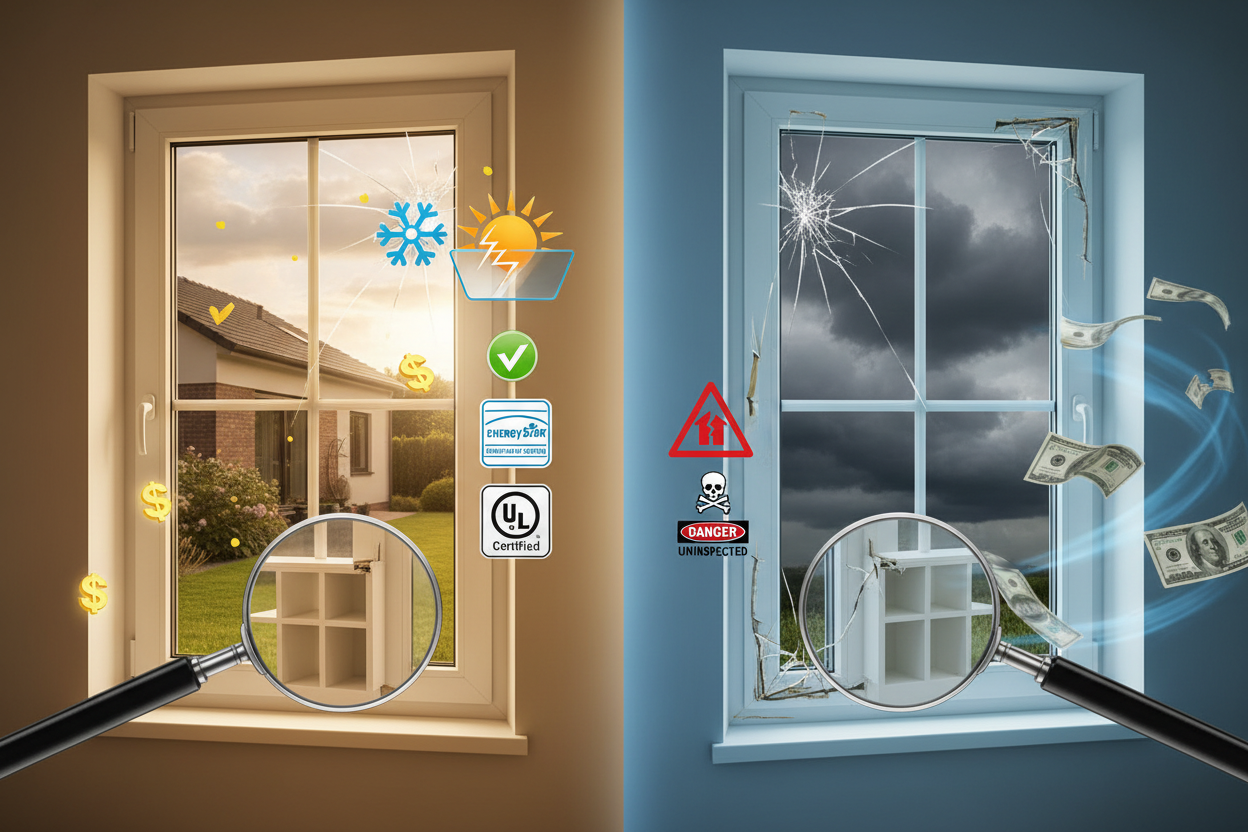
The financial impact of purchasing counterfeit windows extends far beyond the initial cost savings. Homeowners often face issues like poor insulation, water leakage, structural failure, and voided warranties. In some cases, insurance companies may refuse to cover damage caused by non-certified window products.
Red Flags When Shopping for Vinyl Windows
One of the most obvious warning signs of counterfeit vinyl windows is pricing that seems too good to be true. While everyone loves a good deal, windows priced significantly below market rates should raise immediate red flags. Legitimate vinyl window manufacturers invest heavily in research, development, and quality materials, which is reflected in their pricing.
Another major red flag is unclear or missing manufacturer information. Authentic vinyl window companies are proud of their products and prominently display their branding, contact information, and certifications. If you’re having trouble finding detailed information about the manufacturer or if the company’s website looks unprofessional or incomplete, proceed with extreme caution.
Pay close attention to the sales process itself. Legitimate window dealers will provide detailed product specifications, energy efficiency ratings, warranty information, and installation guidelines. They’ll also be happy to answer technical questions about their products. If a seller seems evasive about product details or pushes for immediate purchase decisions, this could indicate you’re dealing with counterfeit products.
Examining Physical Quality and Construction
When evaluating vinyl windows in person, start by examining the frame construction and material quality. Authentic vinyl windows use high-grade PVC compounds that feel substantial and have consistent coloring throughout. Counterfeit windows often use inferior materials that may feel lightweight, have visible color variations, or show signs of poor molding quality.
Check the welded corners of the window frame carefully. Genuine vinyl windows feature precise, clean welds with smooth joints that show no gaps or irregularities. Counterfeit windows often have sloppy welding work, visible gaps at corner joints, or inconsistent weld patterns that indicate poor manufacturing standards.
The hardware components deserve special attention during your inspection. Authentic vinyl windows use high-quality locks, handles, and operating mechanisms that feel solid and operate smoothly. Counterfeit windows frequently cut costs by using cheap hardware that feels flimsy, operates roughly, or shows signs of poor finishing. Test all moving parts multiple times to ensure they function properly.
Don’t overlook the glazing and weather sealing systems. Legitimate manufacturers use high-performance glazing compounds and weather stripping that create tight, durable seals. Counterfeit windows may use inferior sealing materials that appear adequate initially but fail prematurely, leading to air leaks and water infiltration.
Verifying Certifications and Energy Ratings
Authentic vinyl windows carry specific certifications and energy efficiency ratings that counterfeit products cannot legitimately claim. Look for ENERGY STAR certification labels, which indicate the windows meet strict energy efficiency guidelines set by the U.S. Environmental Protection Agency. These labels should include specific performance data and be permanently affixed to the window.
The National Fenestration Rating Council (NFRC) label is another crucial certification to verify. This label provides standardized information about the window’s energy performance, including U-factor, Solar Heat Gain Coefficient, and Visible Transmittance ratings. Counterfeit windows may have fake NFRC labels or no labels at all.
Always verify certifications directly with the issuing organizations. Both ENERGY STAR and NFRC maintain online databases where you can search for certified products by manufacturer and model number. If you cannot find the specific window model in these databases, it’s likely a counterfeit product.
Additionally, check for compliance with local building codes and industry standards. Legitimate vinyl window manufacturers ensure their products meet or exceed requirements set by organizations like the American Architectural Manufacturers Association (AAMA) and the American Society for Testing and Materials (ASTM).
Researching Manufacturers and Dealers
Thorough research of both the manufacturer and dealer is essential for avoiding counterfeit vinyl windows. Start by investigating the manufacturer’s history, reputation, and market presence. Established window companies typically have decades of experience, extensive dealer networks, and readily available customer reviews and testimonials.
Check the manufacturer’s website for detailed product information, technical specifications, and warranty terms. Legitimate companies provide comprehensive documentation about their manufacturing processes, quality control measures, and product testing procedures. Be wary of manufacturers with minimal online presence or websites that lack detailed product information.
Verify the dealer’s credentials and reputation within your local market. Established window dealers often hold certifications from manufacturers, maintain professional associations memberships, and can provide references from recent customers. Check online reviews, Better Business Bureau ratings, and local contractor licensing boards for any complaints or issues.
Don’t hesitate to contact the manufacturer directly to verify that the dealer is an authorized retailer of their products. Counterfeit window operations often claim to sell genuine products from reputable manufacturers, but a quick phone call can expose these false claims.
Understanding Warranty and Support Issues
Warranty coverage represents one of the most significant differences between authentic and counterfeit vinyl windows. Legitimate manufacturers stand behind their products with comprehensive warranties that cover materials, manufacturing defects, and sometimes even installation issues. These warranties are typically backed by established companies with the financial resources to honor their commitments.
Counterfeit window sellers often offer warranties that appear comparable to genuine products, but these warranties are essentially worthless. The companies behind counterfeit products frequently operate under multiple business names, change locations regularly, or simply disappear when warranty claims arise.
Carefully review warranty terms and conditions, paying special attention to what’s covered, coverage duration, and the process for filing claims. Legitimate warranties should be clear, comprehensive, and backed by companies with verifiable business addresses and contact information.
Consider the availability of ongoing support and service. Established vinyl window manufacturers maintain customer service departments, technical support teams, and networks of authorized service providers. Counterfeit window sellers typically cannot provide meaningful post-sale support or service.
Professional Installation Considerations
The installation process itself can reveal whether you’re dealing with authentic or counterfeit vinyl windows. Legitimate window manufacturers provide detailed installation instructions, technical support for installers, and specific requirements for maintaining warranty coverage.
Professional installers who work with genuine products are typically certified or trained by the manufacturer and can provide documentation of their credentials. They should be familiar with the specific installation requirements for the window brand and model you’ve purchased.
Be cautious of installation teams that seem unfamiliar with the products they’re installing or cannot provide manufacturer-specific installation guidelines. This could indicate they’re working with counterfeit products or are not properly trained on the genuine products.
Insist on receiving all manufacturer documentation, including installation instructions, warranty information, and care and maintenance guidelines. Counterfeit window operations often cannot provide complete documentation packages.
Frequently Asked Questions
How can I tell if vinyl windows are Energy Star certified?
Look for the official Energy Star label on the window, which should include specific performance ratings and the manufacturer’s information. You can verify certification by checking the Energy Star website’s product database using the manufacturer name and model number.
What should I do if I suspect I’ve purchased counterfeit vinyl windows?
Contact the manufacturer immediately to verify the authenticity of your windows. If they’re confirmed as counterfeit, document everything, contact your payment provider to dispute the charges, and consider reporting the seller to local consumer protection agencies and the Better Business Bureau.
Are counterfeit vinyl windows always lower quality?
Yes, counterfeit windows consistently use inferior materials and manufacturing processes to reduce costs. They typically fail to meet safety standards, energy efficiency ratings, and durability requirements of genuine products, leading to premature failure and potential safety hazards.
Can I get warranty service on counterfeit vinyl windows?
Warranty coverage on counterfeit windows is typically worthless because the sellers often operate illegitimately and disappear when claims arise. Even if warranty documentation is provided, counterfeit window sellers rarely have the resources or intention to honor warranty obligations.
How much should I expect to pay for quality vinyl windows?
Quality vinyl windows typically range from $300 to $800 per window, depending on size, features, and energy efficiency ratings. Prices significantly below this range should raise suspicion about product authenticity and quality.
What’s the best way to find reputable vinyl window dealers?
Start by contacting manufacturers directly for lists of authorized dealers in your area. Check local Better Business Bureau ratings, read customer reviews, and ask for references from recent customers. Verify that dealers hold proper licensing and insurance coverage.
Protecting yourself from counterfeit vinyl windows requires diligence, research, and a healthy dose of skepticism when deals seem too good to be true. By following the guidelines outlined in this post, you’ll be well-equipped to identify authentic products and avoid the costly mistakes that come with counterfeit windows. Remember, investing in genuine, high-quality vinyl windows not only protects your home but also provides long-term value through energy savings, durability, and peace of mind. Take the time to verify authenticity before making your purchase – your future self will thank you for the extra effort.






























Energy-efficient vinyl windows Westminster Texas









Home replacement window companies Whitesboro Texas






Mckinney TX Replacement Siding Installation Services

North Richland Hills TX Windows And Siding Replacement





Van Alstyne TX Cost Of Vinyl Siding Replacement





Alvarado TX Replacement Siding Installation Services

Flower Mound TX Siding Replacement Contractors