
Vinyl vs Wood vs Aluminum: Which Window Material Reigns Supreme?
Choosing the right window material for your home is one of those decisions that can keep you up at night. I’ve been there myself, standing in my living room, staring at my old, drafty windows and wondering whether I should go with vinyl, wood, or aluminum replacements. After years of helping homeowners make this exact decision and seeing the results firsthand, I can tell you that there’s no one-size-fits-all answer. But there are definitely some clear winners depending on your specific needs, budget, and lifestyle.
The window material you choose will impact everything from your energy bills to your home’s curb appeal, and yes, even your weekend plans (trust me, some materials require way more maintenance than others). Let’s dive deep into the pros and cons of each option so you can make an informed decision that you’ll be happy with for decades to come.
Understanding Your Window Material Options
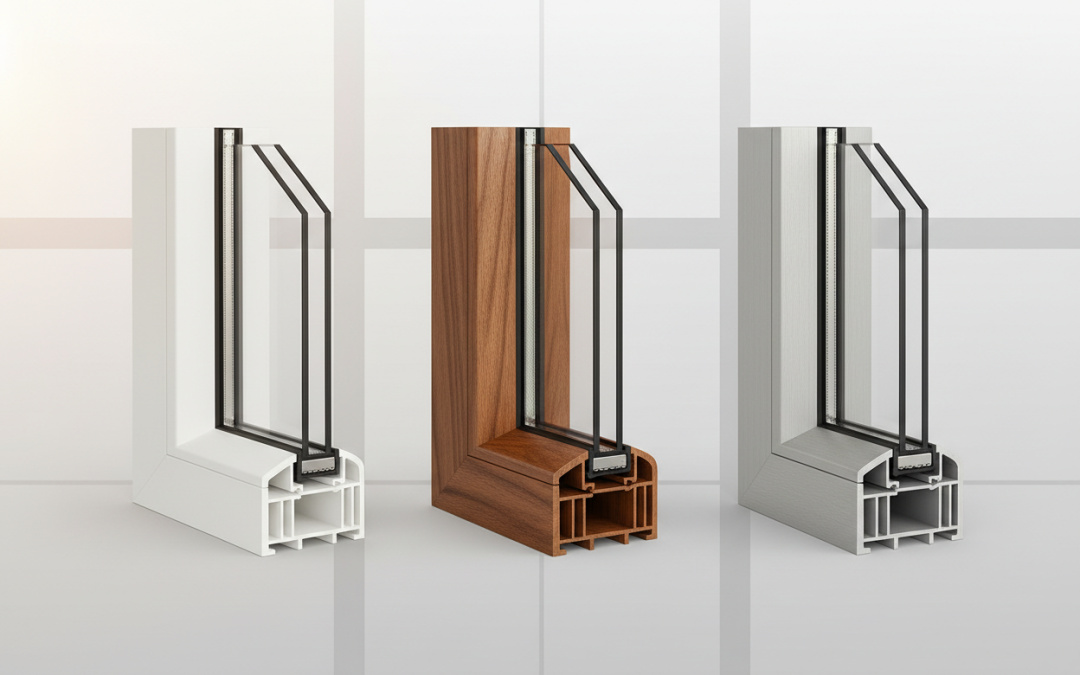
Before we get into the nitty-gritty details, let’s establish what we’re working with. Vinyl windows are made from polyvinyl chloride (PVC), the same durable plastic used in plumbing pipes. Wood windows typically feature a timber frame with various wood species like pine, oak, or mahogany. Aluminum windows use lightweight metal frames that were incredibly popular in the mid-20th century and are making a comeback in modern architecture.
Each material brings its own personality to your home. Think of vinyl as the reliable friend who’s always there for you, wood as the classic beauty who needs a bit of pampering, and aluminum as the sleek modernist who’s all about clean lines and minimal fuss.

Vinyl Windows: The Popular Choice for Good Reason
Vinyl windows have captured about 70% of the replacement window market, and there’s a solid reason for their popularity. When I first started recommending vinyl to clients, I was honestly a bit skeptical. How could something made of plastic compete with traditional materials? But after seeing countless installations and hearing feedback from homeowners, I became a convert.
The biggest advantage of vinyl windows is their incredible energy efficiency. Modern vinyl frames feature multiple chambers that create excellent insulation, often outperforming both wood and aluminum in thermal performance. I’ve seen homeowners reduce their energy bills by 20-30% after switching from old aluminum windows to quality vinyl ones.
Maintenance is where vinyl really shines. Unlike wood, you’ll never need to paint, stain, or seal vinyl windows. A simple cleaning with soap and water a few times a year is all they need. For busy families or anyone who’d rather spend their weekends doing something other than home maintenance, this is a game-changer.
Cost-wise, vinyl offers excellent value. While prices vary significantly based on quality and features, you can typically get good vinyl windows for $300-800 per window installed. The higher-end options with advanced features like triple glazing or specialized coatings might run $800-1,200, but they’re still generally more affordable than premium wood options.
However, vinyl isn’t perfect. The color options, while improving, are still somewhat limited compared to what you can achieve with paint on wood or powder coating on aluminum. And if you’re going for a traditional or historic look, vinyl might feel out of place.
Wood Windows: Timeless Beauty with Traditional Charm
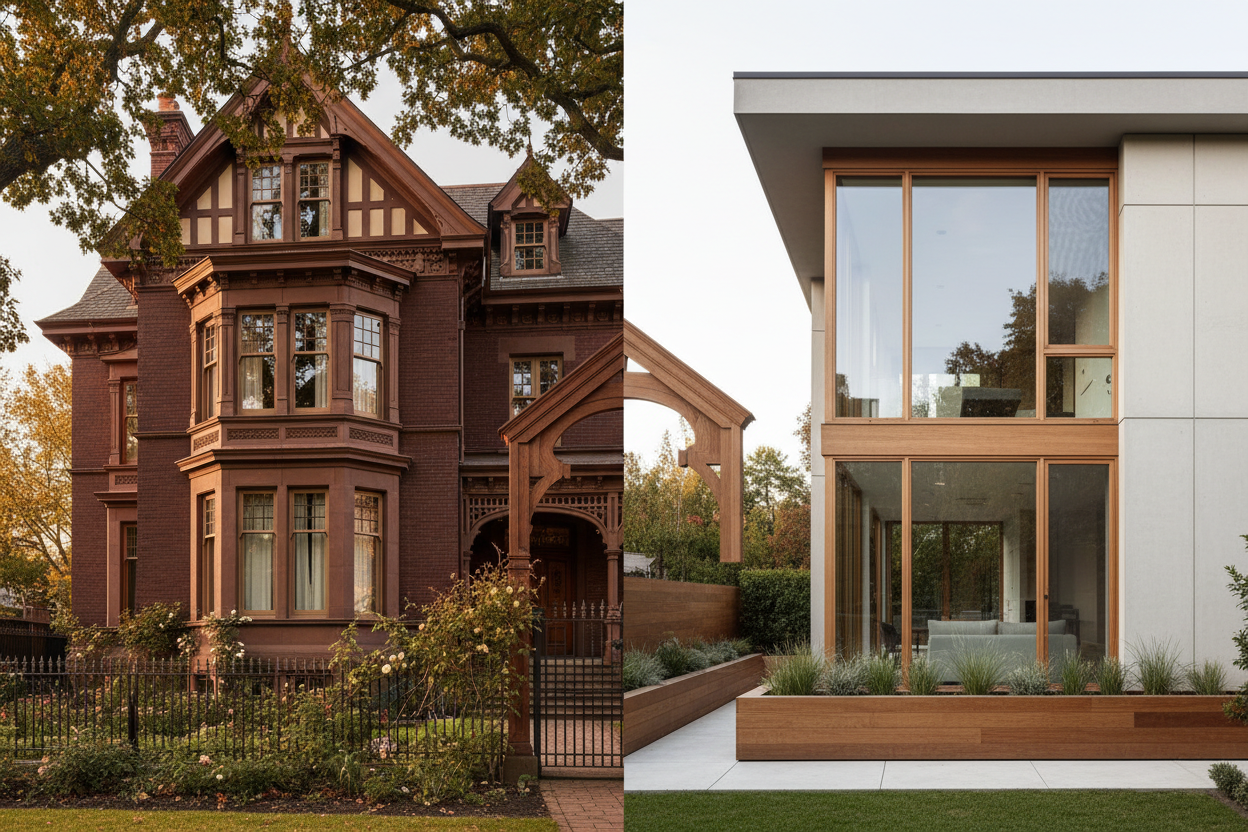
There’s something undeniably appealing about wood windows. Maybe it’s the way they complement both traditional and contemporary architecture, or how they can be customized to match virtually any design vision. I’ve worked on Victorian homes where wood windows were absolutely essential to maintaining the property’s character, and I’ve also seen stunning modern homes where sleek wood frames added warmth to an otherwise minimalist design.
The customization possibilities with wood are virtually endless. You can choose from dozens of wood species, each with its own grain pattern and characteristics. Pine offers affordability, oak provides durability and classic beauty, while mahogany delivers luxury and natural rot resistance. The ability to paint or stain wood windows in any color imaginable means they can perfectly complement your home’s aesthetic.
From an environmental perspective, wood windows often appeal to eco-conscious homeowners. Wood is a renewable resource, and many manufacturers now source their lumber from sustainably managed forests. At the end of their lifecycle, wood windows are also biodegradable, unlike vinyl or aluminum.
Energy efficiency in wood windows has improved dramatically over the past decade. Modern wood windows with proper weatherstripping and quality glazing can perform just as well as vinyl in terms of thermal performance. The natural insulating properties of wood actually give it an advantage over aluminum, though vinyl still typically edges out wood in pure energy efficiency.
The downside? Wood windows require ongoing maintenance. Depending on your climate and the quality of the initial finish, you’ll need to repaint or restain every 3-7 years. This isn’t just about aesthetics – proper maintenance is crucial for preventing rot, warping, and other moisture-related issues. The initial cost is also higher, typically ranging from $600-1,500 per window installed for quality options.
Aluminum Windows: Modern Minimalism Meets Durability
Aluminum windows had a rough patch in the 1980s and 1990s when energy efficiency became a major concern. The early versions were notorious for conducting heat and cold, leading to condensation issues and higher energy bills. But don’t write off aluminum just yet – modern aluminum windows have made a remarkable comeback.
Today’s aluminum windows feature thermal breaks – insulating barriers between the interior and exterior aluminum surfaces that dramatically improve energy efficiency. While they may not quite match the thermal performance of vinyl or wood, they’re much closer than you might expect, especially in milder climates.
The strength of aluminum is unmatched. These windows can support larger panes of glass with thinner frames, creating a sleek, modern look that’s perfect for contemporary architecture. I’ve installed floor-to-ceiling aluminum windows that would be impossible with other materials due to structural limitations.
Durability is another aluminum advantage. Unlike wood, aluminum won’t rot, warp, or attract insects. Unlike vinyl, it won’t become brittle or discolored over time. In coastal areas where salt air can be tough on materials, aluminum windows often outlast both wood and vinyl options.
Maintenance requirements fall somewhere between vinyl and wood. While aluminum won’t need painting or staining like wood, the finish may need refreshing every 10-15 years depending on environmental conditions. The good news is that aluminum can be powder-coated in virtually any color, offering excellent customization options.
Cost-wise, aluminum windows typically range from $400-1,000 per window installed, positioning them between vinyl and wood in most markets.
Energy Efficiency Showdown: Which Material Saves You Money?
When it comes to energy efficiency, the frame material is just one piece of the puzzle, but it’s an important one. Vinyl generally takes the crown here, with its multi-chamber design providing excellent insulation. Quality vinyl windows can achieve U-values (a measure of heat transfer) as low as 0.20-0.30, which translates to real savings on your energy bills.
Wood windows, when properly designed and maintained, can achieve similar performance levels. The natural insulating properties of wood give it an advantage, but the overall window design, including glazing and weatherstripping, plays a bigger role in energy efficiency than the frame material alone.
Modern aluminum windows with thermal breaks can achieve U-values in the 0.30-0.50 range, which is quite respectable. While this may not match the best vinyl or wood options, the difference in real-world energy costs is often smaller than you’d expect, especially in moderate climates.
The key is to look beyond just the frame material. Features like low-E coatings, argon gas fills, and triple glazing can make a bigger difference in energy performance than the choice between vinyl and wood frames.
Maintenance Requirements: Time vs Money Trade-offs
This is where personal lifestyle really comes into play. If you’re someone who enjoys weekend DIY projects and takes pride in maintaining your home’s appearance, wood windows might appeal to you despite their higher maintenance requirements. There’s something satisfying about refreshing the finish on wood windows and seeing them look brand new again.
For most homeowners, though, the low maintenance requirements of vinyl make it the practical choice. Beyond occasional cleaning, vinyl windows are essentially set-and-forget. This is especially valuable for hard-to-reach windows or for homeowners who’d rather spend their time and money on other things.
Aluminum falls somewhere in the middle. While you won’t need to worry about rot or warping, you may need to address finish wear over time, especially in harsh climates. The good news is that when aluminum windows do need refinishing, it’s typically a professional job that happens infrequently.
Aesthetic Appeal and Home Value Impact
The impact on your home’s appearance and value varies significantly depending on your home’s style and your local market. In historic districts or traditional neighborhoods, wood windows often provide the best return on investment because they maintain the home’s architectural integrity.
For contemporary homes, aluminum windows can actually increase value by emphasizing clean, modern lines. The ability to create large expanses of glass with minimal frame visibility is particularly appealing in modern architecture.
Vinyl windows, while practical, may not add as much to your home’s value in upscale markets. However, their energy efficiency and low maintenance requirements are increasingly valued by buyers, especially in markets where practical considerations outweigh aesthetic ones.
Climate Considerations: Matching Materials to Your Environment
Your local climate should definitely influence your decision. In harsh winter climates, the superior insulation of vinyl windows can make a noticeable difference in comfort and energy costs. The expansion and contraction that comes with extreme temperature swings can also be hard on wood windows if they’re not properly maintained.
In coastal areas, aluminum’s resistance to salt air corrosion makes it an attractive option, though modern vinyl formulations also handle coastal conditions well. Wood windows in coastal areas require more frequent maintenance but can certainly work with proper care and quality finishes.
Hot, sunny climates present their own challenges. While vinyl can handle heat well, extremely high temperatures can cause some expansion. Wood windows need protection from UV rays to prevent fading and deterioration. Aluminum handles heat well but can become quite hot to the touch.
Making Your Decision: Which Material Is Right for You?
After considering all these factors, here’s my honest recommendation based on different scenarios:
Choose vinyl if you want the best combination of energy efficiency, low maintenance, and value. It’s particularly ideal for busy families, first-time homeowners, or anyone who prioritizes practical benefits over traditional aesthetics.
Choose wood if you have a traditional or historic home, enjoy home maintenance projects, or want maximum customization options. Wood is also the best choice if you’re planning to stay in your home long-term and want to invest in premium materials.
Choose aluminum if you have a modern or contemporary home, live in a harsh climate where durability is paramount, or want to maximize glass area with minimal frame visibility.
Remember, the quality of installation matters just as much as the material choice. A poorly installed premium wood window will perform worse than a properly installed mid-grade vinyl window. Always work with experienced installers who understand the specific requirements of your chosen material.
Frequently Asked Questions
How long do vinyl, wood, and aluminum windows typically last?
Vinyl windows typically last 20-40 years, wood windows can last 30-50 years with proper maintenance, and aluminum windows often last 40-50 years or more. The lifespan depends heavily on quality, installation, maintenance, and climate conditions.
Can I paint vinyl windows?
While it’s technically possible to paint vinyl windows, it’s generally not recommended. The paint may not adhere well and can void warranties. If you want colored frames, it’s better to choose vinyl windows that come in your desired color from the factory.
Are wood windows worth the extra maintenance?
This depends on your priorities and lifestyle. Wood windows offer superior aesthetics and customization options, but they require regular maintenance. If you value traditional beauty and don’t mind periodic upkeep, wood can be worth the investment.
Do aluminum windows still have condensation problems?
Modern aluminum windows with thermal breaks have largely solved the condensation issues that plagued older aluminum windows. However, in extreme climates, they may still be more prone to condensation than vinyl or wood options.
Which window material offers the best return on investment?
This varies by market and home type. Generally, vinyl windows offer good ROI due to their energy efficiency and broad appeal. Wood windows may provide better ROI in upscale or historic markets, while aluminum can add value in modern homes.
Can I mix different window materials in the same home?
Yes, but it should be done thoughtfully. You might use wood windows on the front of your home for curb appeal and vinyl on less visible sides for cost savings. Consistency within visible sightlines is important for maintaining aesthetic cohesion.











home window replacement near me Grand Prairie Texas


















affordable home window replacement Springtown Texas







How much does it cost for vinyl replacement windows Aledo Texas





home replacement window companies Mobile City Texas


home replacement window companies Caddo Mills Texas








Josephine TX replacement siding installation services


















Celeste TX replacement siding installation services