
Step-by-Step: DIY Window Replacement for Beginners
Replacing windows might seem like a daunting task reserved for professional contractors, but with the right tools, materials, and guidance, it’s actually a manageable DIY project that can save you hundreds of dollars per window. Whether you’re dealing with drafty old windows, broken glass, or simply want to upgrade your home’s energy efficiency, learning how to replace windows yourself is a valuable skill that pays dividends in both comfort and cost savings.
I’ll be honest – when I first considered replacing my own windows, I was intimidated. The thought of removing something so integral to my home’s structure felt overwhelming. But after successfully completing my first window replacement project, I realized that with patience and proper preparation, this is absolutely something a beginner can tackle. This comprehensive guide will walk you through every step of the process, from initial planning to final touches.
When Should You Consider DIY Window Replacement?
Before diving into the how-to, let’s discuss when DIY window replacement makes sense. You’re a good candidate for this project if you’re comfortable using basic tools, have a helper available for lifting, and are dealing with standard-sized windows in good condition frames. However, if you’re working with custom sizes, structural issues, or historic windows requiring special care, it’s worth consulting a professional.
Signs that your windows need replacement include visible condensation between double-pane glass, difficulty opening or closing, drafts even when closed, or significantly higher energy bills. Sometimes, what feels like a major problem might just need weatherstripping or minor repairs, so assess carefully before committing to full replacement.
Essential Tools and Materials for Window Replacement
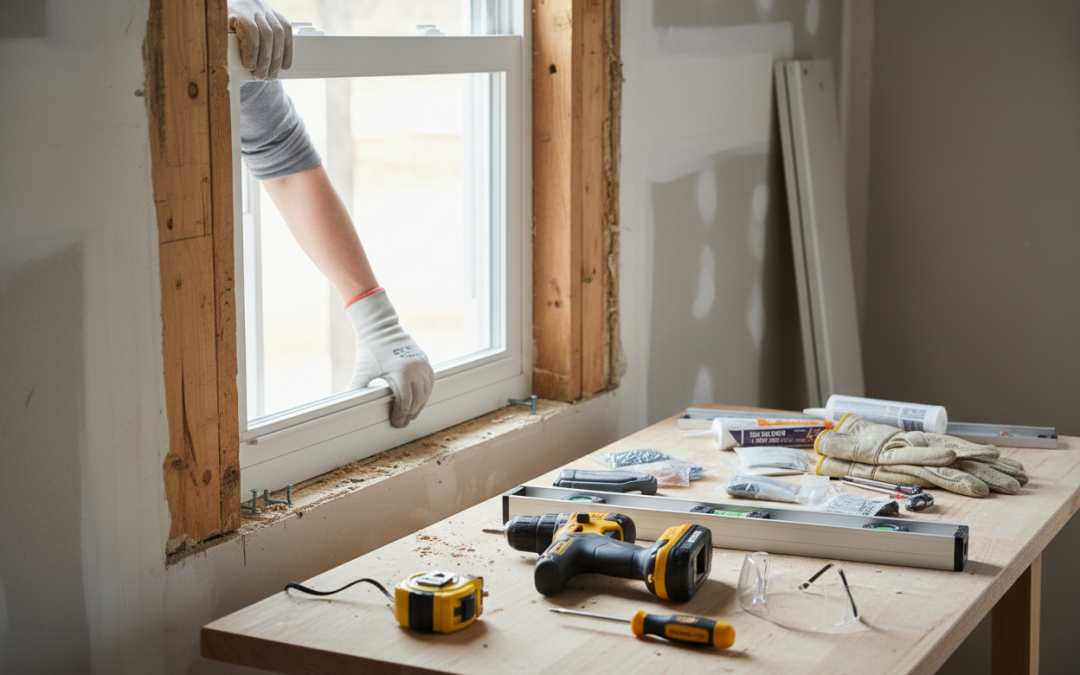
Success in any DIY project starts with having the right tools. For window replacement, you’ll need a measuring tape, level, drill with bits, screwdriver set, utility knife, pry bar, hammer, safety glasses, and work gloves. Don’t forget a helper – windows are awkward and heavy, making this definitely a two-person job.
Material-wise, you’ll obviously need your replacement window, but also consider purchasing exterior-grade caulk, weatherstripping, shims, screws appropriate for your window type, and possibly new trim if you’re updating the look. I always recommend buying about 10% more materials than you think you’ll need – it’s better to have extras than make multiple trips to the hardware store mid-project.
Measuring Your Windows Accurately
Accurate measurements are absolutely critical for successful window replacement. Measure the width at three points: top, middle, and bottom of the window opening. Use the smallest measurement to ensure your new window will fit. Similarly, measure the height at the left side, center, and right side, again using the smallest measurement.
Don’t forget to measure the depth of the window frame – this determines how thick your replacement window can be. Most standard windows fit openings between 3.25 and 4.5 inches deep. When ordering your replacement window, subtract about 1/2 inch from both width and height measurements to allow for adjustment and proper fit.
Choosing the Right Replacement Window
Window selection can feel overwhelming with so many options available. For beginners, I recommend starting with vinyl windows, which offer good energy efficiency, require minimal maintenance, and are typically more affordable than wood or fiberglass alternatives. Double-hung windows are usually the easiest style for DIY replacement.
Pay attention to energy ratings, especially if you live in an area with extreme temperatures. Look for windows with Low-E coatings and good U-factor ratings. While these might cost more upfront, they’ll save money on energy bills over time. Also consider the window’s warranty – a good manufacturer will stand behind their product for at least 10-20 years.
Preparing Your Workspace
Before starting any work, prepare your space thoroughly. Cover furniture and flooring near the work area with plastic sheeting or drop cloths. Window replacement can be surprisingly messy, with old caulk, paint chips, and debris falling during removal. Have a trash bag handy and consider renting a small dumpster if you’re replacing multiple windows.
Check the weather forecast and plan accordingly. You don’t want to remove a window only to discover rain is coming. Ideally, choose a day with mild temperatures and no precipitation. Also, inform your family about the project timeline – you’ll have an opening in your home’s envelope for several hours.
Removing the Old Window
Start by removing the window sash – the movable part of the window. For double-hung windows, this usually involves lifting the bottom sash and tilting it inward, then disconnecting any balance cords or springs. Take photos before disconnecting anything; you’ll thank yourself later if you need to reference the original setup.
Next, remove the window trim carefully using your pry bar. If you plan to reuse the trim, work slowly to avoid damage. Score along caulk lines with your utility knife before prying to get cleaner separation. Once the trim is removed, you should see screws or nails holding the window frame in place.
Remove these fasteners and carefully lift out the old window frame. This is where having a helper becomes essential – windows are heavier than they look and awkward to maneuver. Inspect the opening for any damage, rot, or issues that need addressing before installing the new window.
Installing Your New Window
Before placing the new window, apply a bead of caulk around the exterior opening to create a weather seal. Have your helper assist in lifting the new window into place – it should fit snugly but not be forced. Use shims to ensure the window is perfectly level and square; this step is crucial for proper operation.
Once positioned correctly, secure the window according to the manufacturer’s instructions. Most modern replacement windows have pre-drilled holes for screws. Don’t overtighten – this can warp the frame and affect operation. Check that the window opens and closes smoothly before proceeding to final installation steps.
Sealing and Insulating
Proper sealing is what separates a good window installation from a great one. Fill any gaps between the window frame and opening with expanding foam insulation, but be careful not to overfill – too much foam can actually bow the frame and cause operation problems.
Apply exterior caulk around the outside of the window frame, creating a continuous seal against water infiltration. Use a high-quality exterior caulk that’s paintable and rated for your climate. Smooth the caulk bead with your finger or a caulk tool for a professional appearance.
Finishing Touches and Trim Work
Reinstall your trim, or install new trim if you’re updating the look. Pre-drill holes to prevent splitting, especially with hardwood trim. Use finishing nails and sink the heads slightly below the surface, then fill with wood putty for a smooth finish.
Apply interior caulk where the trim meets the wall and window frame. This small detail makes a big difference in the finished appearance. If painting is needed, use a high-quality primer and paint suitable for your trim material.
Testing and Final Adjustments
Once everything is installed, test your window thoroughly. It should open and close smoothly without binding or gaps. Check the lock mechanism and ensure it engages properly. Look for any light coming through around the frame – this indicates sealing issues that need attention.
During the first few weeks after installation, monitor the window’s performance. Some settling is normal, but significant gaps or operation issues should be addressed promptly. Most problems can be resolved with minor adjustments to the frame or additional caulking.
Common Mistakes to Avoid
From my experience and talking with other DIYers, several mistakes come up repeatedly. Don’t skip the measuring step or assume all windows in your home are the same size – they often aren’t. Avoid overtightening screws, which can warp the frame. Don’t forget to remove old caulk completely before installing the new window.
Another common error is rushing the leveling process. Taking extra time to ensure your window is perfectly square and level pays off in smooth operation and longevity. Finally, don’t ignore manufacturer instructions – they know their product best and following their guidelines ensures warranty coverage.
Maintenance Tips for Your New Windows
Proper maintenance extends window life and maintains efficiency. Clean the glass and frames regularly with mild soap and water. Lubricate moving parts annually with appropriate lubricants – usually silicone spray for vinyl windows. Inspect and refresh caulking as needed, typically every 3-5 years.
Keep drainage holes clear of debris – these small holes in the bottom of the frame allow moisture to escape. Check weatherstripping annually and replace if it’s compressed or damaged. With proper care, quality replacement windows should provide decades of reliable service.
Replacing windows yourself is definitely achievable for most homeowners willing to invest the time and effort. While it requires careful attention to detail and proper preparation, the satisfaction of completing this project yourself – along with the money saved – makes it worthwhile. Remember, if you encounter structural issues or feel overwhelmed at any point, there’s no shame in calling a professional. The key is knowing your limits and prioritizing safety above all else.
Start with one window to build your confidence and skills before tackling multiple replacements. With patience and the right approach, you’ll soon have new, efficient windows that improve your home’s comfort and value for years to come.
Frequently Asked Questions
How long does it take to replace one window?
For a beginner, plan on 4-6 hours per window, including preparation and cleanup time. Experienced DIYers can often complete the job in 2-3 hours. Factors like window size, condition of the existing frame, and complexity of trim work affect timing.
Can I replace windows in winter?
Yes, but it requires extra planning. Choose the warmest day possible and have everything ready before removing the old window. Consider using plastic sheeting to minimize heat loss during installation. Some contractors actually prefer winter installations because scheduling is easier.
Do I need a permit for window replacement?
Requirements vary by location, but most areas don’t require permits for like-for-like window replacement. However, if you’re changing window sizes or structural elements, permits may be necessary. Check with your local building department to be sure.
What’s the difference between new construction and replacement windows?
New construction windows include the entire frame and are designed for new builds or complete renovations. Replacement windows fit into existing frames and are what most DIYers use. Replacement windows are typically easier to install and less expensive.
How much money can I save doing this myself?
Labor typically accounts for 30-50% of window replacement costs. On a $500 window, you might save $200-300 in installation fees. However, factor in your time and the value of professional warranty coverage when making your decision.
What if my window opening isn’t square?
Minor variations can be corrected with shims during installation. For openings that are significantly out of square, you may need to rebuild part of the frame or consider custom windows. This is where professional consultation becomes valuable.

How much does it cost for vinyl replacement windows Weston Texas













Affordable home window replacement Whitesboro Texas





Affordable home window replacement Addison Texas


















How much does it cost for vinyl replacement windows Sanger Texas

Replacement window companies Balch Springs Texas




Affordable home window replacement Denison Texas







Grand Prairie TX Cost Of Vinyl Siding Replacement






Van Alstyne TX Replacement Siding Installation Services