
Troubleshooting Common Vinyl Window Problems: A Homeowner’s Complete Guide
If you’re like most homeowners, you probably don’t give your vinyl windows much thought until something goes wrong. One day you’re struggling to open a stubborn window, or you notice a draft sneaking through what should be a sealed frame. Suddenly, those reliable windows that have served you well for years are demanding your attention.
Vinyl windows are incredibly popular for good reason – they’re affordable, energy-efficient, and relatively low-maintenance. However, like any home component, they can develop issues over time. The good news? Many common vinyl window problems are surprisingly easy to fix yourself with the right knowledge and a few basic tools.
Whether you’re dealing with condensation between glass panes, windows that won’t stay open, or frames that have seen better days, this comprehensive guide will walk you through the most frequent vinyl window issues and their solutions. Let’s dive in and get those windows working like new again.
Understanding Your Vinyl Windows Before Troubleshooting
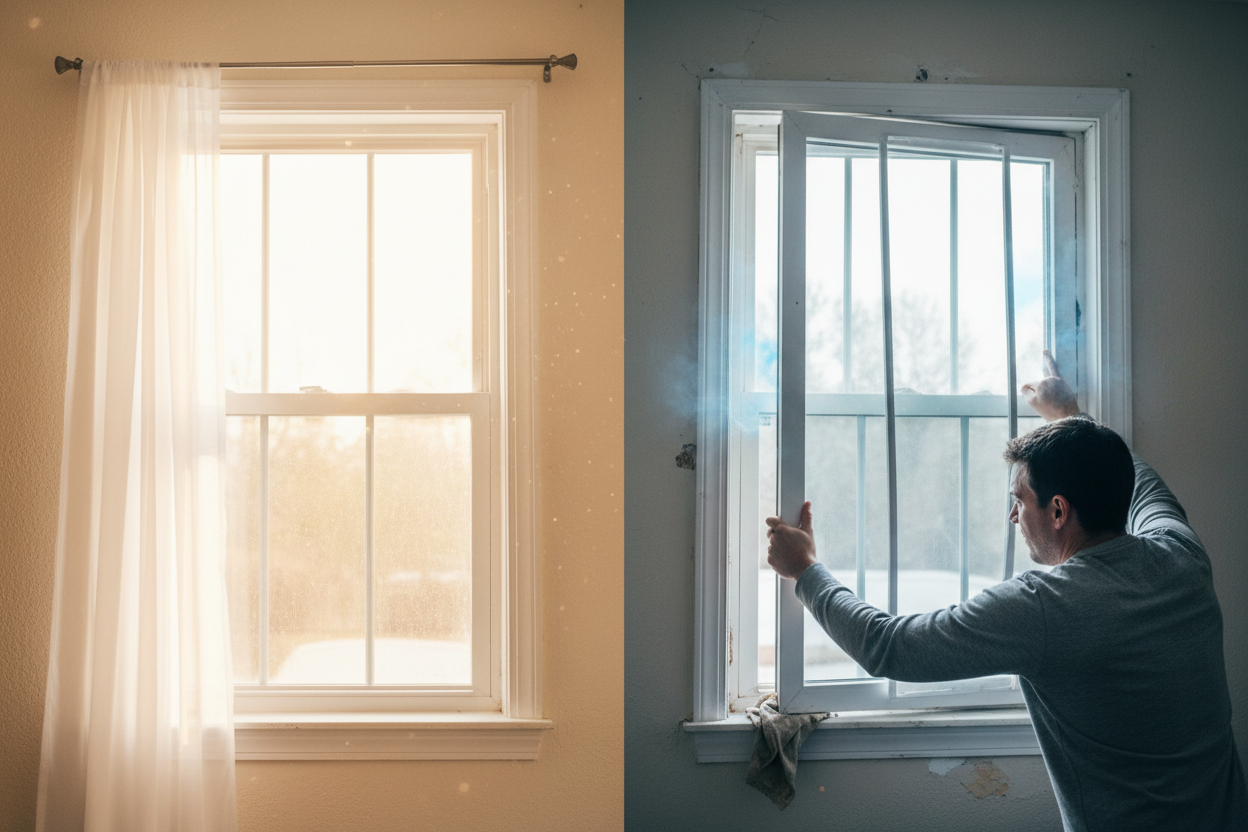
Before we jump into specific problems, it’s helpful to understand how vinyl windows work. These windows consist of a PVC (polyvinyl chloride) frame that houses the glass panels, weatherstripping for insulation, and various hardware components like locks, handles, and balance systems for double-hung windows.
The beauty of vinyl windows lies in their simplicity, but this also means that when one component fails, it can affect the entire window’s performance. Most issues stem from wear and tear, weather exposure, or improper installation – all of which we can address with the right approach.
Windows That Won’t Open or Close Properly
This is probably the most frustrating vinyl window problem homeowners encounter. You’re trying to let in some fresh air, but the window seems determined to stay put, or worse, it opens but refuses to close securely.
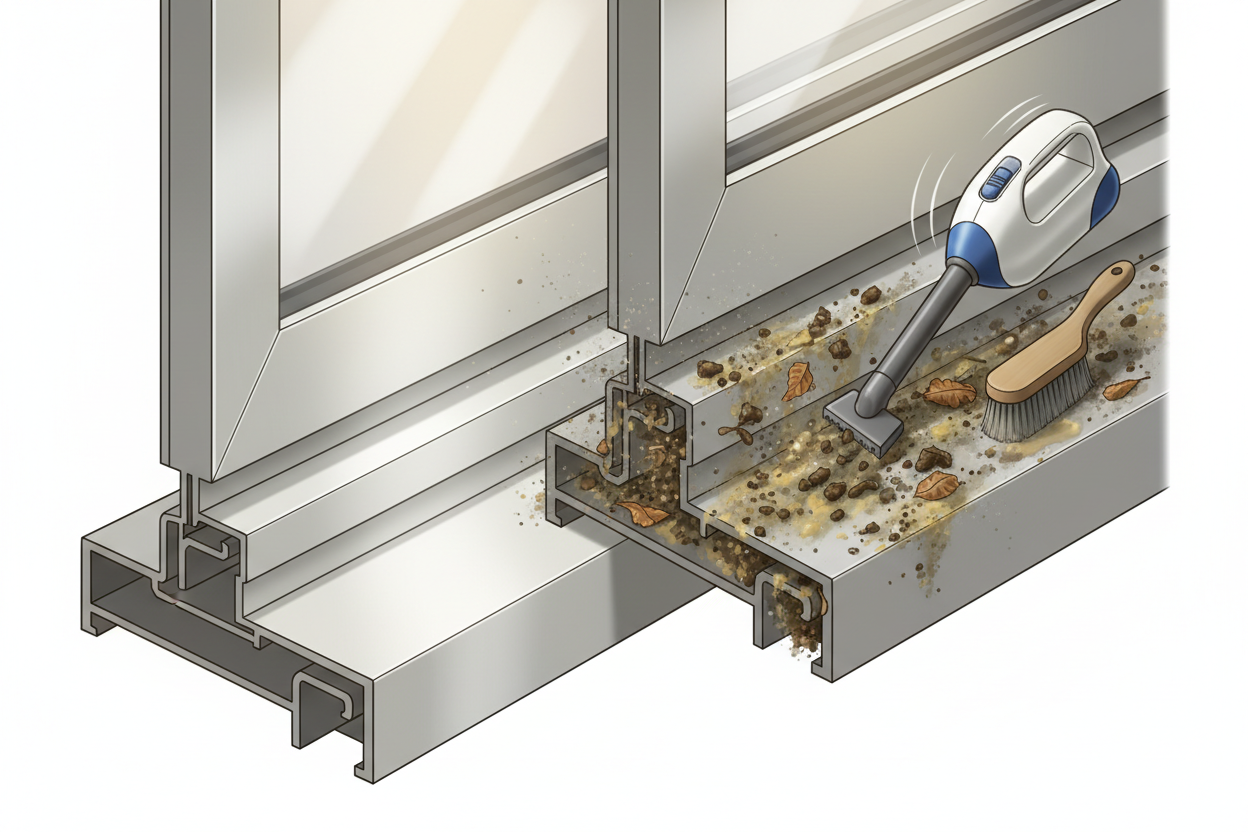
The most common culprit is dirt and debris buildup in the window tracks. Over time, dust, leaves, and other particles accumulate in the channels where the window sash slides. Start by thoroughly cleaning these tracks with a vacuum cleaner and a small brush. You’d be amazed at how much grime can collect in there.
If cleaning doesn’t solve the problem, check the window’s balance system. Double-hung vinyl windows rely on spring balances or block-and-tackle systems to counterbalance the weight of the sash. When these fail, windows become difficult to operate or won’t stay in position. Look for broken cords, damaged springs, or worn pulleys. While some balance repairs require professional help, replacing broken sash cords is often a DIY-friendly task.
Sometimes the issue is simply that the window frame has shifted slightly due to house settling. If the window binds at certain points, you might need to adjust the sash alignment or, in severe cases, have the frame professionally adjusted.
Dealing with Drafts and Air Leaks
Nothing ruins the energy efficiency of your home quite like drafty windows. If you feel air moving around your vinyl windows, even when they’re closed, it’s time for some detective work.
Start by examining the weatherstripping around the window frame. This rubber or foam seal creates an airtight barrier when the window is closed. Over time, weatherstripping can become compressed, cracked, or simply worn out. The fix is usually straightforward – remove the old weatherstripping and install new material. Most hardware stores carry adhesive-backed weatherstripping that’s perfect for this job.
Don’t forget to check the caulking around the exterior of the window frame. Caulk can shrink, crack, or pull away from the frame over time, creating gaps that let air and moisture through. Remove old, damaged caulk with a putty knife and apply fresh, high-quality exterior caulk. This simple maintenance task can significantly improve your window’s performance.
If the drafts persist after addressing weatherstripping and caulking, the problem might be with the window’s locking mechanism. Many vinyl windows rely on proper closure and locking to compress the weatherstripping effectively. A loose or damaged lock can prevent the window from sealing properly.
Condensation Between Glass Panes
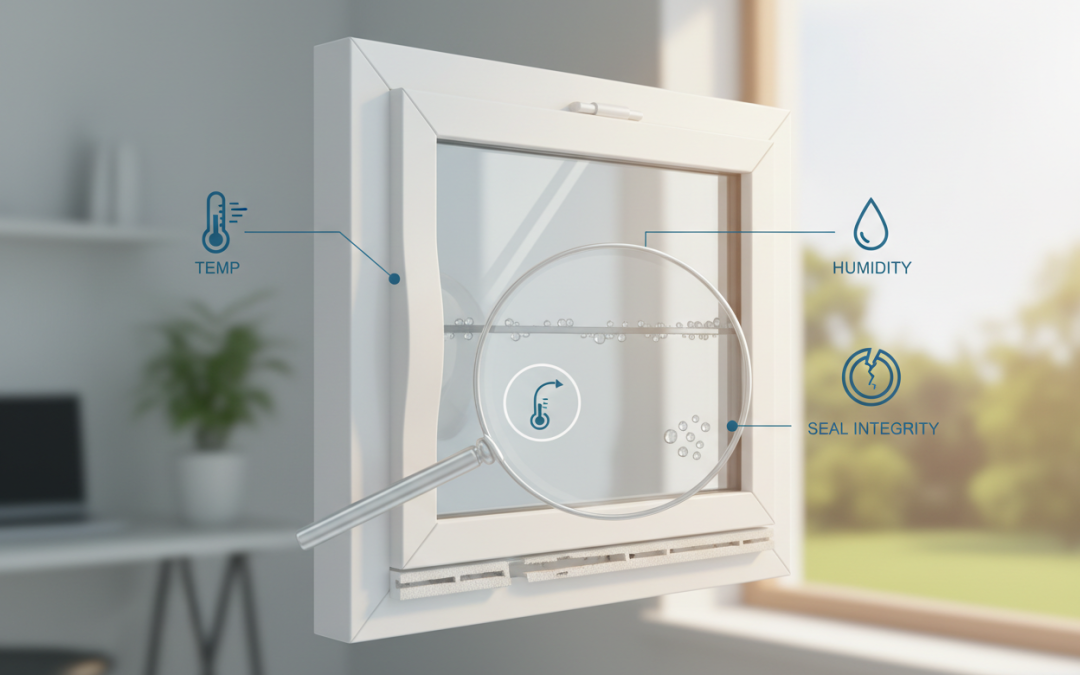
Few things are more disheartening than discovering foggy or cloudy areas between the glass panes of your vinyl windows. This condensation indicates that the seal between the panes has failed, allowing moisture to enter the insulated glass unit.
Unfortunately, this is one vinyl window problem that typically requires professional intervention or complete glass replacement. The sealed unit that creates the insulating air space between panes is manufactured as a single component. Once that seal fails, there’s no practical way to reseal it from the outside.
However, before assuming the worst, make sure you’re actually seeing condensation between panes and not just on the interior or exterior glass surface. Condensation on room-side glass usually indicates high indoor humidity levels, while exterior condensation is often a sign that your windows are actually working well – they’re so efficient that the outer pane stays cool enough for dew to form.
If you do have failed sealed units, get quotes for glass replacement rather than entire window replacement. Often, you can replace just the glass unit while keeping the existing vinyl frame, which is much more cost-effective.
Broken or Damaged Hardware
Window hardware takes a beating over the years. Handles break, locks stop engaging properly, and cranks on casement windows can strip or become loose. The good news is that most vinyl window hardware is standardized and readily available for replacement.
When dealing with broken handles or locks, start by taking a photo of the existing hardware and noting any model numbers or manufacturer markings. This information will be invaluable when shopping for replacements. Many window hardware suppliers can match components based on photos alone.
For casement window operators, the most common issue is a stripped crank mechanism. These operators are usually held in place with screws and can be replaced without removing the entire window. Just make sure to support the window sash when removing the old operator to prevent it from falling.
Sliding window rollers are another common failure point. If your sliding windows are becoming increasingly difficult to move, worn rollers are likely the culprit. These can often be replaced by removing the sash from the frame, though the exact process varies by manufacturer.
Frame Discoloration and Surface Damage
While vinyl windows are marketed as maintenance-free, they’re not immune to cosmetic issues. Over time, white vinyl can yellow, especially on south-facing windows that receive intense sun exposure. Dark-colored vinyl can fade or develop chalky residue.
For minor discoloration, try cleaning the frames with a mixture of warm water and mild dish soap. Avoid abrasive cleaners or scrubbing pads that can scratch the vinyl surface. For stubborn stains, a paste made from baking soda and water often works wonders.
If cleaning doesn’t restore the appearance, you might consider vinyl paint specifically designed for PVC surfaces. However, be aware that painting vinyl windows can void warranties and may require ongoing maintenance as the paint ages.
Small scratches and scuffs can sometimes be buffed out with fine automotive polishing compound, but deeper gouges usually can’t be repaired effectively. In cases of severe frame damage, replacement might be the most practical solution.
Preventing Future Vinyl Window Problems
The best approach to vinyl window problems is preventing them in the first place. Regular maintenance goes a long way toward keeping your windows functioning properly for decades.
Clean your window tracks seasonally, removing debris and lubricating moving parts with a silicone spray lubricant. Avoid petroleum-based lubricants, which can damage vinyl and rubber components over time.
Inspect weatherstripping annually and replace it at the first sign of wear. It’s much easier to replace weatherstripping proactively than to deal with the energy loss and potential moisture damage that comes with failed seals.
Keep an eye on caulking around window frames and touch up any cracks or gaps as soon as they appear. Water infiltration is one of the fastest ways to turn a minor issue into a major problem.
When to Call a Professional
While many vinyl window problems are DIY-friendly, some situations call for professional expertise. If you’re dealing with structural issues like a shifted frame, extensive water damage, or problems that affect multiple windows throughout your home, it’s time to call in a window contractor.
Professional help is also recommended for warranty work or when dealing with newer windows that might still be covered under manufacturer warranties. Attempting DIY repairs on warranty-covered windows could void your protection.
Safety should always be your top priority. If a repair requires removing heavy window sashes, working at height, or dealing with glass replacement, consider hiring professionals who have the proper tools and experience.
Conclusion
Troubleshooting vinyl window problems doesn’t have to be overwhelming. Most issues have straightforward solutions that any handy homeowner can tackle with basic tools and a little patience. The key is identifying problems early and addressing them before they escalate into more serious issues.
Remember that vinyl windows are generally reliable and long-lasting when properly maintained. Regular cleaning, prompt attention to minor issues, and periodic hardware lubrication will keep your windows operating smoothly for years to come. When problems do arise, don’t panic – most have been encountered and solved by countless homeowners before you.
By understanding your windows’ components and following the troubleshooting steps outlined in this guide, you’ll be well-equipped to handle the most common vinyl window problems. Your windows will thank you with years of reliable service, improved energy efficiency, and the peace of mind that comes with a well-maintained home.
Frequently Asked Questions
Q: How long do vinyl windows typically last?
A: Quality vinyl windows can last 20-30 years or more with proper maintenance. The frames often outlast other components like weatherstripping and hardware, which may need replacement every 10-15 years.
Q: Can I repair a cracked vinyl window frame?
A: Small cracks can sometimes be repaired with vinyl repair kits, but larger cracks usually require frame replacement. Cracked frames often indicate structural stress and may compromise the window’s performance and security.
Q: Why do my vinyl windows feel loose or wobbly?
A: Loose windows often result from worn hardware, damaged balance systems, or settling that has affected the frame alignment. Check the hardware first, as this is usually the easiest and least expensive fix.
Q: Is it normal for vinyl windows to expand and contract?
A: Yes, vinyl naturally expands and contracts with temperature changes. This is why proper installation includes appropriate spacing and flexible caulking. Excessive binding might indicate installation issues.
Q: Can I use WD-40 on my vinyl window hardware?
A: Avoid petroleum-based lubricants like WD-40 on vinyl windows, as they can damage rubber seals and vinyl components. Use silicone spray lubricants instead, which are safe for all window materials.
Q: How often should I replace the weatherstripping on my vinyl windows?
A: Inspect weatherstripping annually and replace it when you notice compression, cracking, or gaps. Quality weatherstripping typically lasts 5-10 years, depending on exposure and usage.













How much does it cost for vinyl replacement windows Cedar Hill Texas



How much does it cost for vinyl replacement windows Lavon Texas






How much does it cost for vinyl replacement windows Azle Texas


Best home window replacement Highland Park Texas





Window replacement near me in Flower Mound Texas



How much does it cost for vinyl replacement windows Denison Texas


How much does it cost for vinyl replacement windows Bedford Texas


How much does it cost for vinyl replacement windows Prosper Texas





How much does it cost for vinyl replacement windows Rhome Texas
























Azle TX Replacement Siding Installation Services