
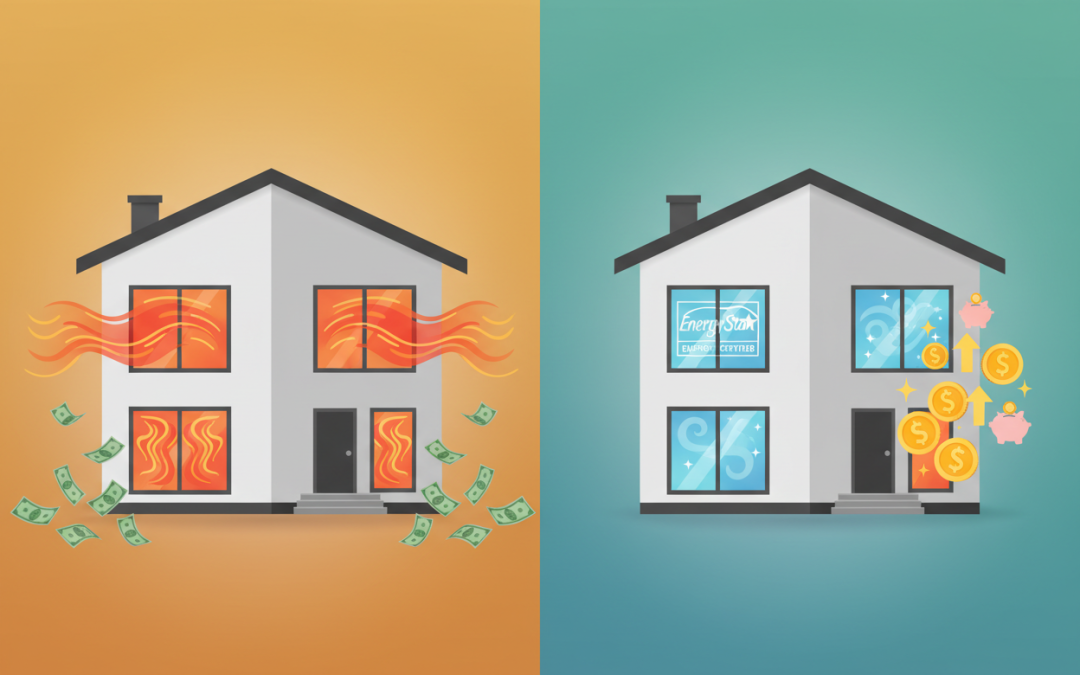
Energy Star Windows: Are They Worth the Extra Cost?
When it comes to home improvement projects, few decisions feel as permanent—or as expensive—as replacing your windows. If you’ve been shopping around, you’ve probably noticed that Energy Star certified windows come with a significantly higher price tag than standard options. This leaves many homeowners wondering: are Energy Star windows really worth the extra investment?
The short answer is yes, but like most home improvement decisions, the full picture is more nuanced. Energy Star windows can deliver substantial long-term savings, improved comfort, and environmental benefits that often justify their higher upfront cost. However, the value proposition depends on several factors specific to your home, climate, and financial situation.
In this comprehensive guide, we’ll break down everything you need to know about Energy Star windows, from how they work to calculating potential savings, so you can make an informed decision for your home.
What Makes Energy Star Windows Different?
Energy Star windows aren’t just marketing hype—they’re rigorously tested and certified by the Environmental Protection Agency (EPA) to meet strict energy efficiency standards. But what exactly sets them apart from regular windows?
The magic lies in several advanced technologies working together. Energy Star windows typically feature multiple panes of glass (usually double or triple-pane) with insulating gas fills like argon or krypton between the panes. These gases are denser than air, creating better insulation.
Low-emissivity (Low-E) coatings are another crucial component. These microscopic metallic layers reflect heat back to its source, keeping your home warmer in winter and cooler in summer. The frames themselves are also engineered for superior insulation, often using materials like vinyl, fiberglass, or specially designed wood composites that minimize heat transfer.
Perhaps most importantly, Energy Star windows are tested for air leakage. Even the most advanced glass technology won’t help if air is sneaking around the edges of your windows. Energy Star certification ensures that windows meet strict standards for preventing unwanted air infiltration.
Understanding the Cost Difference
Let’s address the elephant in the room: Energy Star windows typically cost 10-15% more than standard windows, and sometimes the difference can be even greater depending on the specific features and brand you choose.
For an average home replacing 10-15 windows, this could mean an additional $1,500 to $3,000 upfront. That’s not pocket change for most families. However, it’s important to view this as an investment rather than just an expense.
The premium you pay goes toward advanced manufacturing processes, higher-quality materials, and extensive testing and certification. Think of it like buying a hybrid car—you pay more initially, but the long-term benefits can more than make up for the higher purchase price.
It’s also worth noting that prices for Energy Star windows have become more competitive as the technology has matured and demand has increased. What once was considered a luxury upgrade is now much more accessible to average homeowners.
Energy Savings: Crunching the Numbers
The primary selling point of Energy Star windows is energy savings, but how much can you realistically expect to save? The answer varies significantly based on your location, current windows, and home characteristics.
According to Energy Star’s own estimates, replacing single-pane windows with Energy Star certified windows can save between $126-$465 annually in energy costs, depending on your climate zone. If you’re replacing older double-pane windows, the savings will be more modest but still meaningful—typically $27-$111 per year.
These numbers might seem small, but they add up over time. Over a 20-year period, even modest annual savings of $150 translate to $3,000 in total energy cost reductions. When you factor in rising energy prices, the actual savings could be substantially higher.
Regional climate plays a huge role in determining savings potential. Homeowners in extreme climates—whether very hot or very cold—typically see the greatest benefits. If you live in Minnesota and are heating your home six months a year, or in Arizona running air conditioning constantly, Energy Star windows can deliver impressive results.
Comfort and Quality of Life Benefits
While energy savings grab headlines, the comfort improvements from Energy Star windows might be even more valuable to your daily life. Have you ever sat near a window on a cold day and felt a chill, even though the thermostat says your home is warm? That’s radiant heat loss, and Energy Star windows virtually eliminate this problem.
The improved insulation creates more consistent temperatures throughout your home. No more cold spots near windows in winter or hot zones in summer. This means your HVAC system doesn’t have to work as hard to maintain comfortable conditions, and you’ll experience fewer drafts and temperature fluctuations.
Many homeowners are surprised by how much quieter their homes become after installing Energy Star windows. The multiple panes and tight seals significantly reduce outside noise infiltration. If you live near a busy street, airport, or noisy neighbors, this benefit alone might justify the upgrade cost.
There’s also the matter of UV protection. Energy Star windows block a significant portion of harmful UV rays that can fade furniture, carpets, and artwork. While it’s hard to put a dollar value on preserving your belongings, the protection is certainly worth considering.
Environmental Impact and Sustainability
For environmentally conscious homeowners, Energy Star windows offer substantial benefits beyond personal savings. Buildings account for about 40% of total energy consumption in the United States, and windows play a significant role in that energy use.
By reducing your home’s energy consumption, Energy Star windows directly decrease your carbon footprint. The EPA estimates that Energy Star windows prevent millions of tons of greenhouse gas emissions annually across all certified installations.
Many Energy Star windows are also manufactured using more sustainable processes and materials. Some manufacturers use recycled materials in their frames and have implemented more environmentally friendly production methods to earn Energy Star certification.
If you’re planning to stay in your home long-term or are concerned about environmental impact, these factors add significant value to the Energy Star premium.
Return on Investment Analysis
Calculating the true return on investment for Energy Star windows requires looking beyond just energy savings. While energy cost reductions are important, they’re only part of the financial picture.
Property value is another crucial consideration. Energy-efficient homes consistently sell for higher prices and spend less time on the market. While it’s difficult to isolate the impact of windows alone, studies suggest that energy-efficient upgrades can increase home values by 3-5%.
For a $300,000 home, this could mean an additional $9,000-$15,000 in resale value. Even if Energy Star windows contribute just a fraction of this increase, the numbers become compelling when combined with energy savings.
There are also potential tax incentives and rebates to consider. While federal tax credits for windows have expired and been reinstated several times, many utility companies and local governments offer rebates for Energy Star certified installations. These incentives can offset 10-30% of the premium cost in some areas.
When you factor in energy savings, increased comfort, potential property value increases, and available rebates, many homeowners find that Energy Star windows pay for themselves within 7-12 years.
When Energy Star Windows Make the Most Sense
Energy Star windows aren’t automatically the right choice for every situation. They make the most financial sense in specific circumstances.
If you’re replacing very old windows—particularly single-pane windows or double-pane windows more than 15 years old—the upgrade to Energy Star certification is almost always worthwhile. The energy savings will be substantial, and you’re already making a significant investment in new windows.
Homeowners in extreme climates see the greatest benefits. If you live in climate zones with very hot summers, very cold winters, or both, Energy Star windows can deliver impressive energy savings that quickly offset the higher cost.
Long-term homeowners also benefit more from Energy Star windows than those planning to move within a few years. If you’re planning to stay in your home for at least 7-10 years, you’ll likely recoup the premium through energy savings and increased comfort.
Conversely, if you have relatively new, well-functioning windows, the upgrade might not make financial sense unless you’re experiencing specific problems like excessive noise, drafts, or high energy bills.
Choosing the Right Energy Star Windows
Not all Energy Star windows are created equal. The certification has different requirements based on climate zones, so make sure you’re choosing windows appropriate for your specific location.
Pay attention to the specific ratings that matter most for your situation. The U-factor measures insulation effectiveness—lower numbers are better. Solar Heat Gain Coefficient (SHGC) measures how much solar heat passes through—you want lower numbers in hot climates and higher numbers in cold climates.
Frame material also matters significantly. Vinyl frames offer excellent insulation at a reasonable price point. Fiberglass frames provide superior durability and insulation but cost more. Wood frames can be beautiful and efficient but require more maintenance.
Don’t forget about proper installation. Even the best Energy Star windows won’t perform properly if they’re not installed correctly. Make sure you’re working with experienced installers who understand the importance of proper sealing and alignment.
Conclusion
So, are Energy Star windows worth the extra cost? For most homeowners, the answer is yes—but with important caveats.
If you’re already planning window replacement, have older inefficient windows, live in an extreme climate, or plan to stay in your home long-term, Energy Star windows typically provide excellent value. The combination of energy savings, improved comfort, environmental benefits, and potential property value increases often justifies the 10-15% premium.
However, the decision shouldn’t be made based solely on energy savings projections. Consider your specific situation, including your home’s current windows, local climate, available incentives, and personal priorities regarding comfort and environmental impact.
Remember that window replacement is a long-term investment. While the upfront cost difference might seem significant, quality Energy Star windows can last 20-30 years or more. When viewed over their full lifespan, the premium often represents excellent value for money.
Before making your final decision, get quotes for both standard and Energy Star options, research local rebates and incentives, and consider consulting with an energy auditor who can provide personalized recommendations based on your home’s specific characteristics.
Frequently Asked Questions
How much more do Energy Star windows typically cost compared to standard windows?
Energy Star windows usually cost 10-15% more than standard windows, though the exact premium varies by manufacturer, style, and features. For an average home, this translates to an additional $1,500-$3,000 for a full window replacement project.
How long does it take for Energy Star windows to pay for themselves?
Most homeowners see payback periods of 7-12 years when considering energy savings, increased comfort, and potential property value increases. Homes in extreme climates or with very old existing windows may see shorter payback periods.
Do Energy Star windows qualify for tax credits or rebates?
Federal tax credits for windows have varied over time, so check current IRS guidelines. However, many utility companies and local governments offer rebates for Energy Star certified windows. These incentives can offset 10-30% of the premium cost in some areas.
Can I install Energy Star windows myself to save money?
While possible, professional installation is strongly recommended for Energy Star windows. Proper installation is crucial for achieving the rated energy performance, and improper installation can void warranties and eliminate energy benefits.
What’s the difference between Energy Star windows and triple-pane windows?
Energy Star is a certification based on overall performance, while triple-pane refers to the number of glass layers. Some Energy Star windows are double-pane, while others are triple-pane. Triple-pane windows aren’t automatically Energy Star certified unless they meet all performance requirements.
How do I know if my current windows need replacement?
Signs include visible damage, drafts, condensation between panes, difficulty opening or closing, high energy bills, and single-pane construction. If your windows are more than 15-20 years old, replacement is often worthwhile even if they appear functional.








Home replacement window companies Copeville Texas


















How much does it cost for vinyl replacement windows Southmayd Texas


Replacement window companies Highland Park Texas