
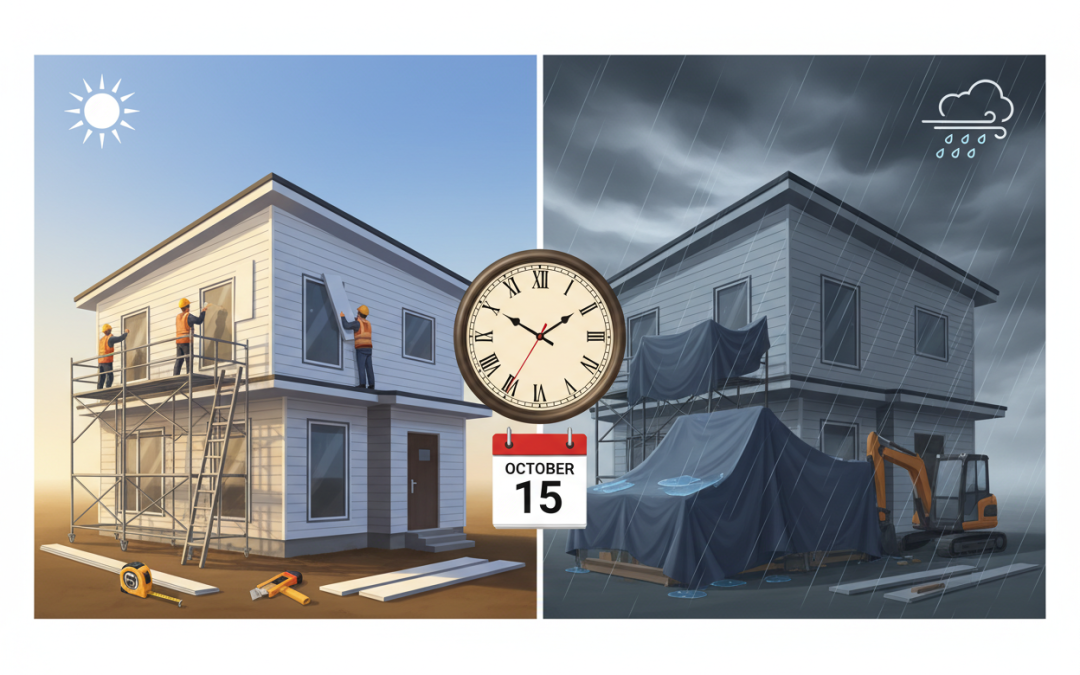
How Weather Affects Window and Siding Installation Schedules: A Complete Guide for Homeowners
Planning a window replacement or siding installation project? You’re probably excited to transform your home’s appearance and energy efficiency. However, there’s one factor that can significantly impact your timeline – the weather. As someone who’s worked with countless homeowners on exterior renovation projects, I’ve seen firsthand how Mother Nature can throw even the best-laid plans into disarray.
Understanding how different weather conditions affect installation schedules isn’t just about managing expectations – it’s about ensuring your investment is protected and the work is completed to the highest standards. Let’s dive into everything you need to know about weather-related scheduling considerations for your upcoming project.
Why Weather Matters More Than You Think
When contractors talk about weather delays, it’s not just about worker comfort (though that matters too). The quality and longevity of your window and siding installation depend heavily on optimal weather conditions. Extreme temperatures, moisture, and wind can compromise adhesives, sealants, and the overall integrity of the installation process.
I remember working with a client who insisted we proceed with their siding installation during a week of intermittent rain showers. Against our better judgment, we started the project, only to discover that moisture had compromised the adhesive bond in several sections. We ended up having to redo nearly 30% of the work, which cost both time and money that could have been avoided with proper weather planning.
Temperature: The Goldilocks Zone for Installation
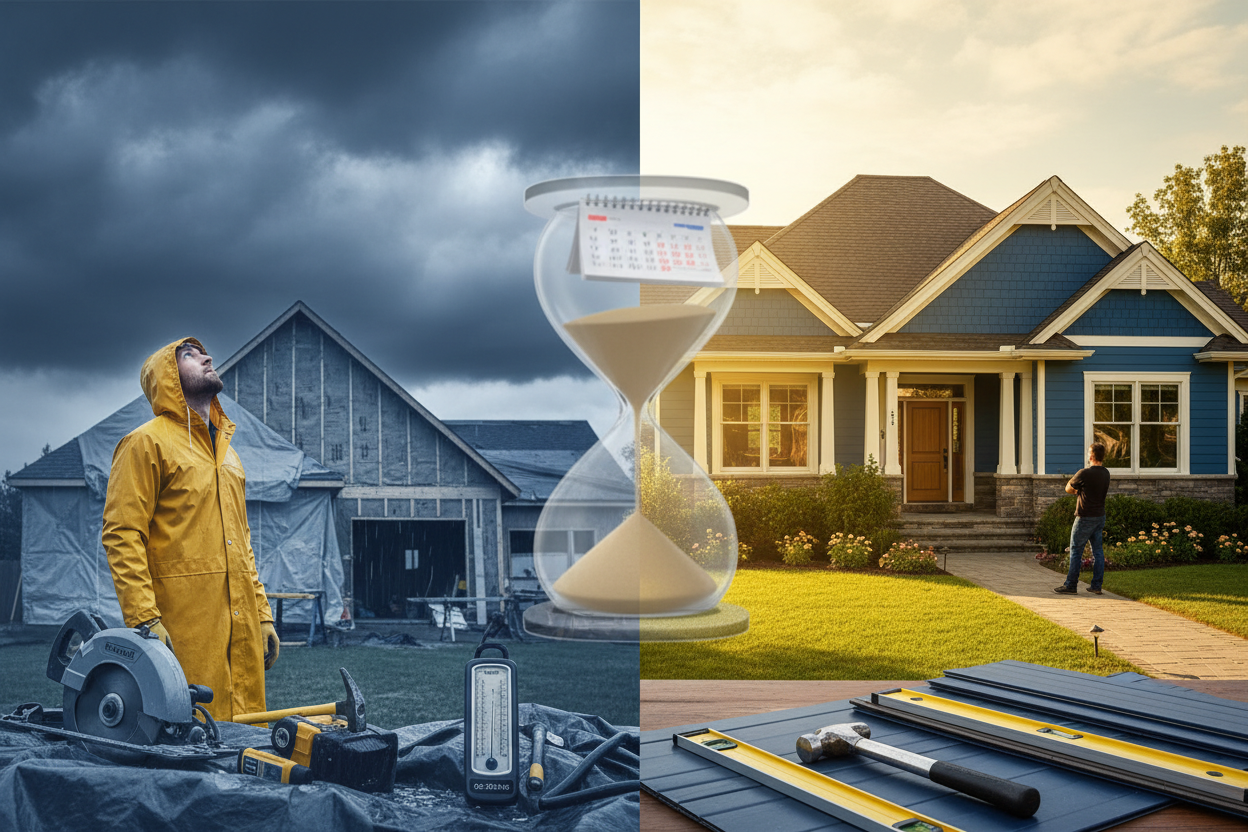
Temperature plays a crucial role in both window and siding installations. Most manufacturers specify optimal temperature ranges for their products, and deviating from these guidelines can void warranties or lead to premature failure.
For window installations, the ideal temperature range typically falls between 40°F and 85°F. When temperatures drop below freezing, caulks and sealants become difficult to apply properly and may not cure correctly. The glass itself can also contract significantly in cold weather, potentially affecting the fit within the frame.
Siding installation faces similar challenges. Vinyl siding, in particular, becomes brittle in cold weather and more prone to cracking during installation. Conversely, extremely hot weather can cause materials to expand, making precise fitting challenging and potentially leading to buckling issues as temperatures cool.
The sweet spot for most exterior installations is during mild spring and fall weather when temperatures are stable and moderate. These seasons offer the best combination of workable conditions and predictable weather patterns.
Rain and Moisture: The Silent Project Killers
Nothing stops an exterior installation project faster than rain. Beyond the obvious safety concerns of working on wet surfaces, moisture can seriously compromise the quality of your installation.
During window installation, any moisture that gets behind the window frame before proper sealing can lead to long-term water damage, mold growth, and structural issues. The installation process typically involves removing the old window and temporarily exposing your home’s interior to the elements. Even a brief shower during this vulnerable period can cause significant problems.
Siding installation is equally susceptible to moisture issues. The house wrap and insulation materials used in the process must remain dry to maintain their effectiveness. Wet conditions can also prevent proper adhesion of trim pieces and flashing, leading to future water infiltration problems.
Smart contractors always check the extended weather forecast before beginning any exterior project. If there’s more than a 30% chance of precipitation during critical installation phases, most experienced professionals will recommend postponing the work.
Wind: The Underestimated Challenge
While rain might be the most obvious weather concern, wind often presents unexpected challenges that many homeowners don’t consider. Strong winds can turn even lightweight materials into dangerous projectiles, posing safety risks to workers and potentially damaging your property or neighboring homes.
For window installations, wind speeds above 25 mph can make it extremely difficult to maneuver large window units safely. The risk of dropping or losing control of a heavy window increases exponentially in windy conditions. Additionally, wind can carry debris that might scratch or damage new windows during installation.
Siding installation faces unique wind-related challenges. Large siding panels can act like sails in windy conditions, making them difficult to position accurately. Wind can also interfere with the proper application of fasteners and cause materials to shift during the installation process.
Seasonal Installation Considerations
Spring: The Prime Installation Season
Spring is widely considered the ideal time for window and siding installations. Temperatures are moderate, rainfall is typically manageable, and homeowners are eager to complete projects before summer. However, this popularity means contractors’ schedules fill up quickly, so early planning is essential.
The main challenge with spring installations is the unpredictability of weather patterns. Spring storms can develop quickly and may include hail, which can damage materials or newly installed components. Always ensure your contractor has contingency plans for sudden weather changes.
Summer: Hot Weather Challenges
Summer installations are certainly possible, but they come with their own set of considerations. Extreme heat can make working conditions dangerous for installation crews and may affect material performance. Some adhesives and sealants don’t perform optimally in temperatures above 90°F.
The benefit of summer installations is generally more predictable weather patterns, especially in regions with dry summers. However, afternoon thunderstorms in many areas can disrupt work schedules, and the intense UV exposure during installation may affect certain materials.
Fall: The Second-Best Option
Fall offers another excellent window for installation projects. Temperatures are cooling down from summer highs, and weather patterns are often more stable than spring. Many contractors also offer competitive pricing during fall as they prepare for the slower winter season.
The key consideration for fall installations is timing. Starting too late in the season risks running into early winter weather, which could leave your project incomplete when harsh conditions arrive.
Winter: Proceed with Caution
While winter installations aren’t impossible, they’re generally not recommended except for emergency situations. Cold temperatures, snow, ice, and shorter daylight hours all contribute to challenging working conditions and potential quality issues.
If you must proceed with a winter installation, expect longer project timelines and potentially higher costs due to the additional precautions required. Some contractors may also be unwilling to warranty work completed in extreme weather conditions.
Planning Strategies for Weather-Dependent Projects
Successful exterior installation projects require flexible planning and realistic expectations. Here are some strategies I’ve developed over years of managing weather-dependent installations:
Build buffer time into your project schedule. What might take three days in perfect weather could stretch to a week or more with weather delays. This is especially important if you’re coordinating your installation with other home improvement projects.
Communicate regularly with your contractor about weather forecasts and potential delays. Experienced contractors monitor weather patterns closely and can often predict potential issues several days in advance.
Consider the specific requirements of your chosen materials. Some products are more weather-sensitive than others, and understanding these limitations upfront can help you make informed decisions about timing.
Have contingency plans for extended delays. If your project involves removing existing windows or siding, ensure you have temporary protection measures in place in case weather forces extended delays.
Working with Professional Contractors
The right contractor makes all the difference when it comes to managing weather-related challenges. Experienced professionals understand the nuances of working with different materials in various weather conditions and can make informed decisions about when to proceed and when to wait.
Look for contractors who are upfront about weather limitations and include weather delay clauses in their contracts. This transparency indicates they prioritize quality over speed and understand the importance of optimal installation conditions.
A quality contractor will also have the proper equipment and materials to protect your home during unexpected weather events. This might include tarps, temporary coverings, or quick-setting materials for emergency situations.
Conclusion
Weather will always be a factor in exterior installation projects, but understanding its impact helps you plan more effectively and set realistic expectations. The key is working with experienced professionals who prioritize quality over speed and are willing to wait for optimal conditions when necessary.
Remember that a few extra days or weeks of waiting for better weather is a small price to pay for an installation that will protect and beautify your home for decades to come. By planning ahead, staying flexible, and choosing the right contractor, you can navigate weather challenges successfully and achieve the beautiful, functional results you’re looking for.
Your home is one of your biggest investments, and exterior installations play a crucial role in protecting that investment. Don’t let eagerness to complete the project compromise the quality of the work – good weather makes for good installations, and good installations make for happy homeowners.
Frequently Asked Questions
Q: What is the minimum temperature for window installation?
A: Most manufacturers recommend temperatures above 40°F for window installation. Below this temperature, sealants and caulks may not cure properly, and materials become more brittle and difficult to work with.
Q: Can siding be installed in light rain?
A: No, siding installation should not proceed in any precipitation. Even light rain can compromise the installation quality, affect adhesives, and create safety hazards for workers.
Q: How far in advance should I schedule my installation to account for weather delays?
A: It’s recommended to build in at least 25-30% extra time beyond the estimated completion date to account for potential weather delays, especially during spring and fall when weather patterns are more unpredictable.
Q: What wind speed is too high for exterior installation work?
A: Most contractors will not work with large materials like windows or siding panels when sustained wind speeds exceed 20-25 mph due to safety concerns and the difficulty of maintaining quality control.
Q: Is it more expensive to install windows and siding during certain seasons?
A: Prices are typically highest during peak seasons (spring and early summer) due to high demand. Fall installations often offer better pricing, while winter work may cost more due to additional precautions required.
Q: How quickly can weather conditions change installation plans?
A: Weather conditions can change rapidly. Professional contractors typically monitor forecasts 3-5 days ahead and may make day-of decisions based on current conditions to ensure worker safety and installation quality.

Home window replacement near me Preston Hollow Dallas Texas







Affordable home window replacement Quinlan Texas





































Lakewood Dallas TX Siding Replacement Contractors


Waxahachie TX Cost Of Vinyl Siding Replacement