
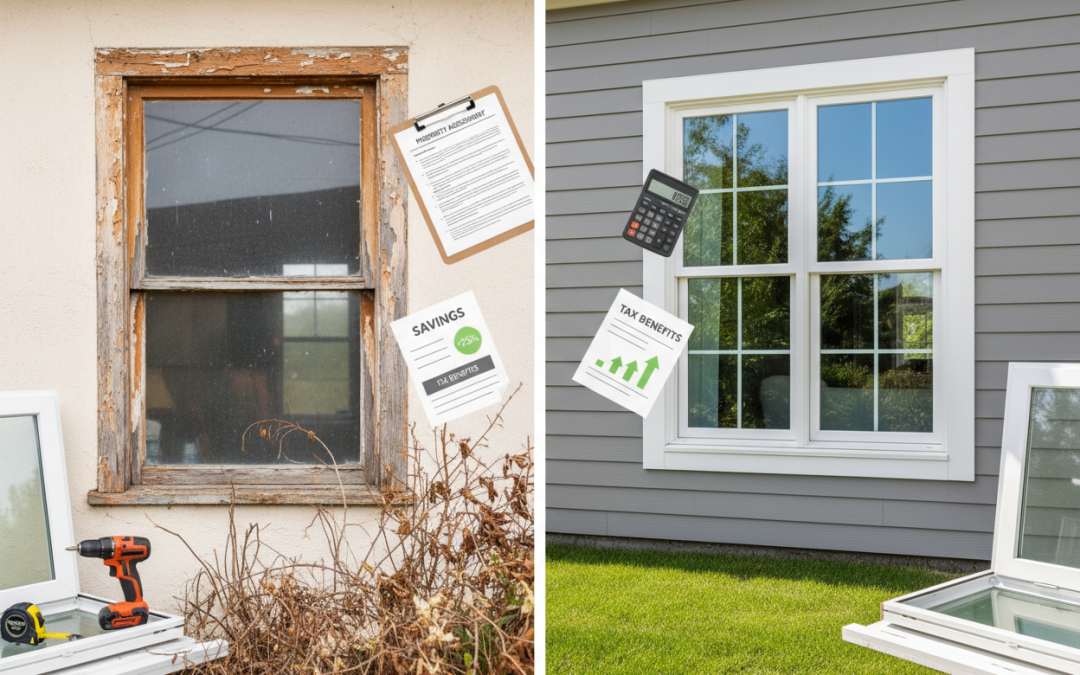
Window Replacement and Property Taxes: What Changes?
If you’re considering window replacement for your home, you’re probably thinking about energy savings, curb appeal, and comfort. But there’s another important factor that many homeowners overlook: how new windows might affect your property taxes. Understanding this connection can help you make informed decisions about your home improvement project and budget accordingly for potential changes in your annual tax bill.
The relationship between window replacement and property taxes isn’t always straightforward, and it varies significantly depending on where you live. Some homeowners see minimal changes, while others experience noticeable increases in their assessments. Let’s dive deep into what you need to know about this often-overlooked aspect of home improvement.
How Property Tax Assessments Work
Before we explore how window replacement affects property taxes, it’s crucial to understand how property assessments function. Your local tax assessor determines your home’s value based on several factors, including the condition of your property, recent improvements, and comparable sales in your neighborhood.
Property assessors typically evaluate your home’s market value annually or every few years, depending on local regulations. They consider both the interior and exterior condition of your home, including structural elements, mechanical systems, and yes – your windows. When you make improvements like window replacement, these changes can potentially increase your home’s assessed value.
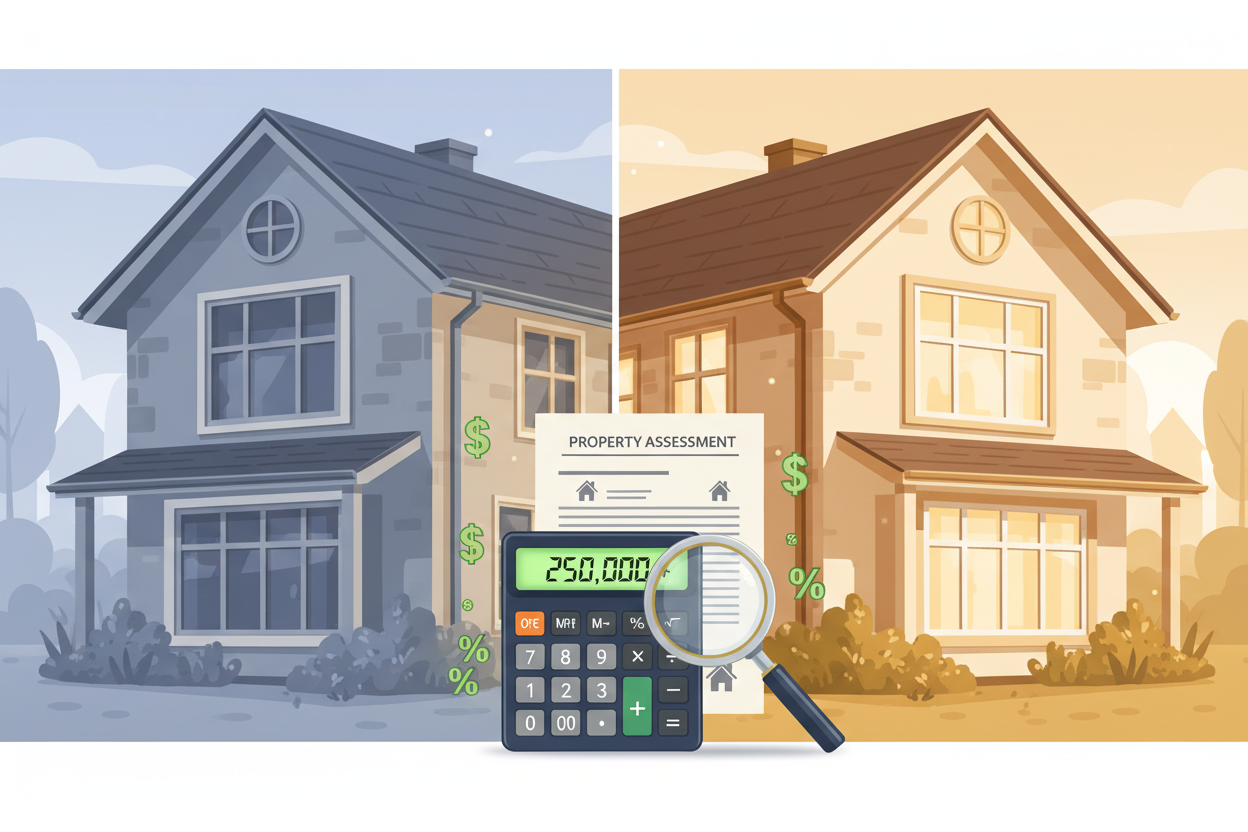
The assessment process varies by jurisdiction, but most assessors use a combination of physical inspections, permit records, and market data to determine property values. This means that major home improvements, including window replacement, often come to their attention through building permits or routine reassessments.
Do New Windows Increase Property Value?
The short answer is yes, new windows typically do increase your property’s value, but the extent depends on several factors. High-quality window replacement can boost your home’s value by 10-15% of the project cost, according to real estate professionals. However, this increase in actual market value doesn’t always translate directly to higher property taxes.
Energy-efficient windows are particularly attractive to potential buyers and assessors alike. They demonstrate that you’ve invested in your home’s long-term performance and comfort. Features like double or triple-pane glass, low-E coatings, and quality frames signal to assessors that your home has been well-maintained and upgraded with modern amenities.
The age and condition of your previous windows also matter. If you’re replacing old, drafty, single-pane windows with modern energy-efficient ones, the improvement is more dramatic than replacing relatively new windows with slightly better ones. Assessors typically recognize these significant upgrades when determining property values.
Factors That Influence Property Tax Changes After Window Replacement
Several key factors determine whether your property taxes will increase after window replacement, and by how much. Understanding these variables can help you anticipate potential changes to your tax bill.
The quality and type of windows you install play a significant role. Premium materials like fiberglass or high-end vinyl, along with advanced features like triple-pane glass or specialized coatings, are more likely to catch an assessor’s attention than basic replacement windows. Custom windows or unique architectural features also tend to add more assessed value.
Your local market conditions significantly impact how window replacement affects your property taxes. In rapidly appreciating markets, assessors might be more aggressive in recognizing improvements. Conversely, in stable or declining markets, the impact might be minimal. The frequency of reassessments in your area also matters – some jurisdictions reassess annually, while others do so every three to five years.
The timing of your window replacement relative to assessment cycles can influence when you see changes in your property taxes. If you complete your project shortly after an assessment, you might not see changes for several years. However, if assessments happen annually or you’re approaching a reassessment period, the impact could be more immediate.
Regional Variations in Property Tax Impact
Property tax laws and assessment practices vary dramatically across different states and localities. What happens in California might be completely different from Texas or New York. Understanding your local regulations is essential for predicting how window replacement might affect your taxes.
Some states have homestead exemptions or assessment caps that limit how much your property taxes can increase annually, regardless of improvements. Others have specific exemptions for energy-efficient improvements, recognizing the environmental benefits of such upgrades. Research your local tax authority’s policies or consult with a local real estate professional familiar with your area’s assessment practices.
Urban versus rural locations can also experience different impacts. In competitive urban markets where property values are rising rapidly, window replacement might contribute to a more noticeable assessment increase. Rural areas with slower appreciation might see minimal changes, especially if the replacement windows are considered maintenance rather than improvement.
Energy Efficiency Incentives and Tax Considerations
Many jurisdictions recognize the environmental and economic benefits of energy-efficient improvements and offer various incentives that can offset potential property tax increases. Some areas provide temporary exemptions for energy-efficient upgrades, while others offer rebates or credits that can help balance any tax increases.
Federal tax credits for energy-efficient windows can also help offset costs, though these don’t directly affect property taxes. Currently, homeowners can claim up to 30% of the cost for qualifying energy-efficient windows, up to certain limits. Check current IRS guidelines and consult with a tax professional to understand what credits might be available for your situation.
Some states and localities have “green building” incentives that specifically exclude energy-efficient improvements from property tax assessments for a certain period. These programs recognize that energy-efficient upgrades benefit the broader community by reducing energy consumption and environmental impact.
Strategies to Minimize Property Tax Impact
While you can’t completely avoid potential property tax increases from home improvements, several strategies can help minimize the impact. First, research your local assessment schedule and consider timing your window replacement accordingly. If you’ve recently been reassessed, you might have several years before the improvement affects your taxes.
Keep detailed records of your window replacement project, including before and after photos, receipts, and contractor information. If you believe your assessment increase is excessive, this documentation can support an appeal. Remember that assessors should consider the age and condition of your previous windows when determining the improvement’s value.
Consider the scope of your window replacement project. Replacing all windows at once creates a more noticeable improvement than doing them gradually over several years. While this doesn’t necessarily mean you should delay necessary improvements, it’s worth considering if you’re concerned about tax implications.
When to Consult Professionals
Given the complexity of property tax laws and assessment practices, consulting with professionals can provide valuable guidance for your specific situation. A local real estate agent familiar with your area’s market conditions can help you understand typical assessment practices and how improvements generally affect property values.
Tax professionals or property tax consultants can provide specific advice about your jurisdiction’s laws and potential strategies for managing property tax implications. If you’re planning a major window replacement project, their expertise might save you money in the long run.
Don’t hesitate to contact your local tax assessor’s office directly with questions about how improvements might affect your assessment. Many offices provide guidance to homeowners about assessment practices and can clarify local policies regarding home improvements.
Conclusion
Window replacement can indeed affect your property taxes, but the impact varies significantly based on local laws, market conditions, and the scope of your project. While new windows typically increase property value, this doesn’t always translate to proportional tax increases, especially in areas with assessment caps or energy-efficiency incentives.
The key is understanding your local market and tax policies before starting your project. Research assessment schedules, available incentives, and typical practices in your area. Remember that while property tax implications are worth considering, they shouldn’t be the primary factor in your decision to replace windows. The energy savings, comfort improvements, and long-term value benefits of quality windows often outweigh any modest tax increases.
Most importantly, don’t let concerns about property taxes prevent you from making necessary home improvements. Old, inefficient windows cost you money in energy bills and comfort, and they can actually hurt your property value if left unreplaced. With proper planning and understanding of your local tax implications, you can make informed decisions that benefit both your home’s performance and your financial situation.
Frequently Asked Questions
Q: Will my property taxes automatically increase if I replace my windows?
A: Not necessarily. While window replacement can increase your property’s assessed value, the impact on taxes depends on local assessment practices, timing, and the extent of the improvement. Some jurisdictions have caps or exemptions that might limit increases.
Q: How much might my property taxes increase after window replacement?
A: The increase varies widely by location and project scope. Typically, if there’s an increase, it might be 10-15% of the window replacement cost annually, but this can vary significantly based on local tax rates and assessment practices.
Q: Do I need to report window replacement to my tax assessor?
A: Requirements vary by jurisdiction. Some areas require permits for window replacement, which automatically notify assessors. Others rely on routine reassessments to identify improvements. Check your local requirements to ensure compliance.
Q: Are there tax benefits for installing energy-efficient windows?
A: Yes, many areas offer federal tax credits, local rebates, or temporary property tax exemptions for energy-efficient improvements. Research available programs in your area and consult with a tax professional about current incentives.
Q: Can I appeal my property assessment if I think the increase from window replacement is too high?
A: Yes, most jurisdictions have appeal processes for property assessments. Keep detailed records of your project costs and the condition of your previous windows to support your case if needed.
Q: Should property tax concerns prevent me from replacing my windows?
A: Generally, no. The energy savings, comfort improvements, and property value benefits of quality windows typically outweigh modest property tax increases. Focus on the overall return on investment rather than just tax implications.



How much does it cost for vinyl replacement windows Cedar Hill Texas


Energy-efficient vinyl windows Gainesville Texas



Black replacement windows North Richland Hills Texas







How much does it cost for vinyl replacement windows Springtown Texas






Best home window replacement Lakewood Dallas Texas




How much does it cost for vinyl replacement windows Red Oak Texas













Replacement window companies Preston Hollow Dallas Texas

Affordable replacement windows Flower Mound Texas















Terrell TX Replacement Siding Installation Services