
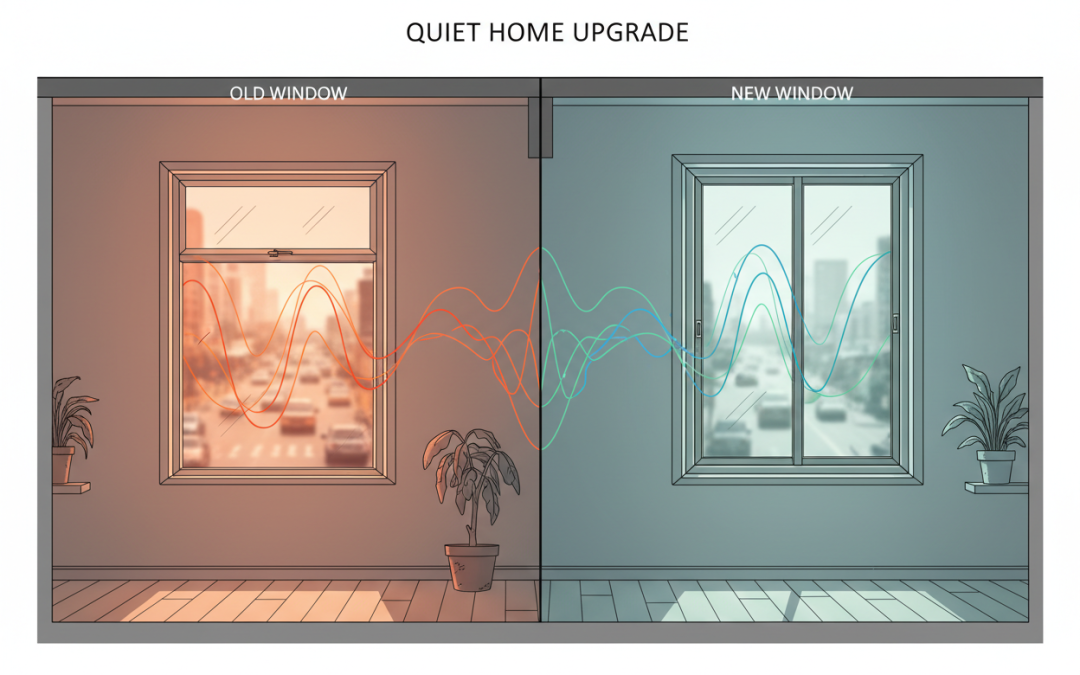
Window Replacement and Noise Reduction: Soundproofing Benefits
Living in a noisy neighborhood can turn your peaceful home into a constant source of stress. Whether it’s traffic rushing by, construction work next door, or simply the hustle and bustle of city life, unwanted noise can significantly impact your quality of life. If you’ve been struggling with noise pollution in your home, window replacement might be the solution you’ve been searching for. Modern soundproof windows offer remarkable noise reduction benefits that can transform your living space into the quiet sanctuary you deserve.
When most homeowners think about window replacement, they typically focus on energy efficiency or curb appeal. However, the soundproofing benefits of new windows are equally impressive and often overlooked. The right windows can reduce exterior noise by up to 95%, creating a dramatically quieter indoor environment that enhances your comfort, productivity, and overall well-being.
Understanding How Sound Travels Through Windows
To appreciate the soundproofing benefits of window replacement, it’s essential to understand how sound travels through your existing windows. Sound waves are vibrations that move through air and solid materials. When these vibrations hit your windows, they can pass through in several ways: through gaps and cracks around the frame, by causing the glass to vibrate, or through the window frame material itself.
Older windows are particularly susceptible to sound transmission because they often have single-pane glass, worn weatherstripping, and loose-fitting frames. These factors create multiple pathways for sound to enter your home. Even small gaps around window frames can significantly compromise your home’s acoustic performance, allowing noise to infiltrate your living space with surprising ease.
The thickness and composition of window glass also play crucial roles in sound transmission. Single-pane windows offer minimal resistance to sound waves, while the frame material and installation quality can either enhance or diminish the window’s soundproofing capabilities.
Types of Soundproof Windows for Maximum Noise Reduction
When considering window replacement for noise reduction, you’ll encounter several types of soundproof windows, each designed to combat different noise challenges. Double-pane windows represent the most common upgrade from single-pane units. These windows feature two layers of glass separated by an air or gas-filled space, which significantly reduces sound transmission compared to single-pane alternatives.
Triple-pane windows take soundproofing to the next level with three layers of glass and two insulating spaces. While more expensive than double-pane options, triple-pane windows offer superior noise reduction, making them ideal for homes in extremely noisy environments or for homeowners who prioritize maximum quiet.
Laminated glass windows incorporate a special plastic interlayer between glass panes that acts as a sound dampener. This technology, originally developed for automotive windshields, proves highly effective at reducing noise transmission while maintaining optical clarity. The plastic layer absorbs sound vibrations, preventing them from passing through the window.
For ultimate noise control, some manufacturers offer specialized acoustic windows with varying glass thicknesses and advanced frame designs specifically engineered for maximum sound reduction. These premium options can achieve remarkable noise reduction levels but come with correspondingly higher price points.
Key Features That Enhance Soundproofing Performance
Several specific features contribute to a window’s soundproofing effectiveness. Glass thickness plays a fundamental role – thicker glass naturally provides better sound insulation than thinner alternatives. However, using different glass thicknesses in double or triple-pane configurations can be even more effective, as varying thicknesses disrupt sound waves at different frequencies.
The space between glass panes significantly impacts noise reduction performance. Wider gaps generally provide better sound insulation, with optimal spacing typically ranging from half an inch to one inch. Some manufacturers fill this space with dense gases like argon or krypton, which further enhance both thermal and acoustic insulation properties.
Frame material and design are equally important factors. Vinyl and fiberglass frames typically offer superior soundproofing compared to aluminum frames, which can conduct sound vibrations. The frame’s structural integrity and how well it seals against the wall opening also affect overall acoustic performance.
Professional installation cannot be overlooked when maximizing soundproofing benefits. Even the highest-quality soundproof windows will underperform if not properly installed with appropriate sealing materials and techniques. Quality weatherstripping, acoustic caulk, and proper frame alignment are essential for achieving optimal noise reduction.
Measuring Noise Reduction: Understanding STC Ratings
When shopping for soundproof windows, you’ll encounter Sound Transmission Class (STC) ratings, which measure a material’s ability to reduce airborne sound transmission. STC ratings provide a standardized way to compare the acoustic performance of different window options, helping you make informed decisions based on your specific noise reduction needs.
Standard single-pane windows typically have STC ratings between 18-20, offering minimal sound reduction. Quality double-pane windows generally achieve STC ratings of 28-32, representing a noticeable improvement in noise control. High-performance soundproof windows can reach STC ratings of 45-50 or higher, providing substantial noise reduction that can transform your living environment.
Understanding what these numbers mean in practical terms helps put STC ratings in perspective. An STC rating of 25 reduces normal speech to a whisper, while an STC rating of 35 makes normal speech barely audible. Windows with STC ratings above 40 can make loud speech sound like a whisper, dramatically improving your home’s acoustic comfort.
It’s worth noting that real-world performance may vary from laboratory STC ratings due to installation factors, surrounding wall construction, and other variables. However, STC ratings remain valuable tools for comparing different window options and setting realistic expectations for noise reduction performance.
Additional Benefits Beyond Noise Reduction
While noise reduction might be your primary motivation for window replacement, soundproof windows offer numerous additional benefits that enhance your home’s overall performance and value. Energy efficiency improvements often accompany noise reduction features, as many of the same technologies that block sound also improve thermal insulation.
Enhanced security represents another valuable benefit of quality replacement windows. The multiple glass layers and robust frame construction that contribute to soundproofing also make windows more resistant to break-ins. Laminated glass, in particular, holds together even when broken, providing an additional security barrier.
UV protection is frequently built into modern soundproof windows, helping preserve your furniture, flooring, and artwork from sun damage. This protection can extend the life of your interior furnishings while maintaining their appearance and value over time.
Improved home value is a natural result of quality window replacement. Energy-efficient, soundproof windows are attractive features for potential buyers, often providing a strong return on investment when it’s time to sell your home. The enhanced comfort and reduced utility costs these windows provide make them compelling selling points.
Installation Considerations for Optimal Results
Achieving maximum soundproofing benefits requires careful attention to installation details. Professional installation is strongly recommended, as proper techniques and materials are essential for optimal performance. Experienced installers understand the importance of creating airtight seals and addressing potential sound transmission paths that DIY installations might miss.
The existing wall construction around your windows affects overall acoustic performance. Solid walls generally provide better sound isolation than frame construction, but proper installation techniques can maximize performance regardless of wall type. Addressing gaps between the window frame and wall opening is crucial for preventing sound leaks that can compromise the entire system’s effectiveness.
Timing your window replacement project strategically can minimize disruption while maximizing benefits. Many homeowners prefer scheduling installation during moderate weather when windows can remain open briefly without significant comfort loss. Planning ahead also allows you to coordinate with contractors and ensure optimal installation conditions.
Post-installation testing and adjustments may be necessary to achieve optimal performance. Professional installers should verify proper operation, check for air leaks, and make any necessary adjustments to ensure your new windows deliver the expected noise reduction benefits.
Cost Considerations and Return on Investment
Window replacement represents a significant investment, but the long-term benefits often justify the initial cost. Soundproof windows typically cost more than standard replacement windows due to their specialized construction and materials. However, the improved quality of life, energy savings, and increased home value often provide compelling returns on this investment.
Factors affecting window replacement costs include window size, style, performance features, and local labor rates. While premium soundproof windows command higher prices, the substantial noise reduction and additional benefits they provide often make them worthwhile investments for homes in noisy environments.
Energy savings can help offset window replacement costs over time. The same features that provide noise reduction often improve thermal efficiency, reducing heating and cooling costs throughout the year. Many homeowners find that energy savings, combined with improved comfort and home value, justify the investment in quality soundproof windows.
Financing options and potential rebates may be available to help manage window replacement costs. Some utility companies offer rebates for energy-efficient window installations, while various financing programs can spread costs over manageable payment periods.
Conclusion
Window replacement offers a powerful solution for reducing unwanted noise while providing numerous additional benefits for your home. From dramatically quieter living spaces to improved energy efficiency and enhanced security, quality soundproof windows represent investments in your comfort, health, and property value.
The key to success lies in choosing appropriate window types for your specific noise challenges, understanding performance ratings, and ensuring professional installation. While the initial investment may seem substantial, the long-term benefits of reduced noise, lower energy costs, and improved quality of life make soundproof windows worthwhile upgrades for many homeowners.
If noise pollution has been affecting your home’s comfort and tranquility, exploring window replacement options could be the first step toward creating the peaceful living environment you deserve. Consult with experienced window professionals to assess your specific needs and discover how modern soundproof windows can transform your home into a quiet, comfortable sanctuary.
Frequently Asked Questions
How much noise reduction can I expect from new soundproof windows?
Quality soundproof windows can reduce exterior noise by 75-95%, depending on the window type and installation quality. Double-pane windows typically provide 25-35% noise reduction, while specialized acoustic windows can achieve much higher performance levels.
Are triple-pane windows significantly quieter than double-pane windows?
Yes, triple-pane windows generally provide 15-25% better noise reduction than double-pane alternatives. However, the improvement may not be proportional to the additional cost, making double-pane windows with laminated glass often more cost-effective for noise reduction.
Can I improve soundproofing without full window replacement?
While full replacement provides the best results, you can achieve moderate improvements by adding weatherstripping, caulking gaps, or installing window inserts. However, these solutions typically provide limited noise reduction compared to quality replacement windows.
How long does window replacement installation typically take?
Professional installation usually takes 2-4 hours per window, depending on size and complexity. Most residential projects can be completed in 1-2 days, though larger homes or custom installations may require additional time.
Do soundproof windows require special maintenance?
Soundproof windows require minimal special maintenance beyond regular cleaning and occasional weatherstripping inspection. Quality windows should maintain their performance for 15-20 years or more with proper care.
Will soundproof windows completely eliminate all exterior noise?
While soundproof windows dramatically reduce noise transmission, complete elimination is unrealistic. However, quality installations can reduce noise to levels that no longer interfere with daily activities, sleep, or concentration.


























Home replacement window cost Lowry Crossing Texas





Affordable replacement windows Flower Mound Texas









Affordable home window replacement Richardson Texas