
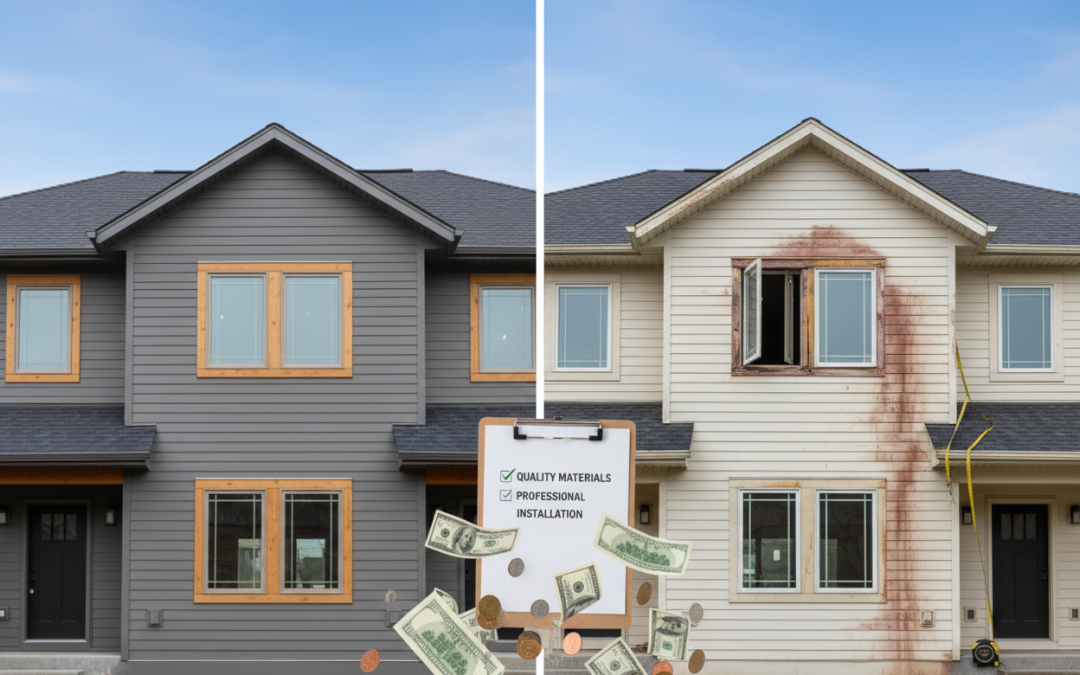
5 Costly Siding Replacement Mistakes Every Homeowner Makes
Replacing your home’s siding is one of those major home improvement projects that can either boost your property value significantly or become a financial nightmare. After helping hundreds of homeowners navigate siding replacement projects over the years, I’ve witnessed the same costly mistakes repeated time and time again. The truth is, siding replacement isn’t just about picking a pretty color and calling the first contractor you find on Google.
Whether you’re dealing with damaged vinyl siding, outdated wood panels, or simply want to refresh your home’s curb appeal, avoiding these common pitfalls can save you thousands of dollars and countless headaches. Let’s dive into the five most expensive mistakes homeowners make during siding replacement projects, and more importantly, how you can avoid them.
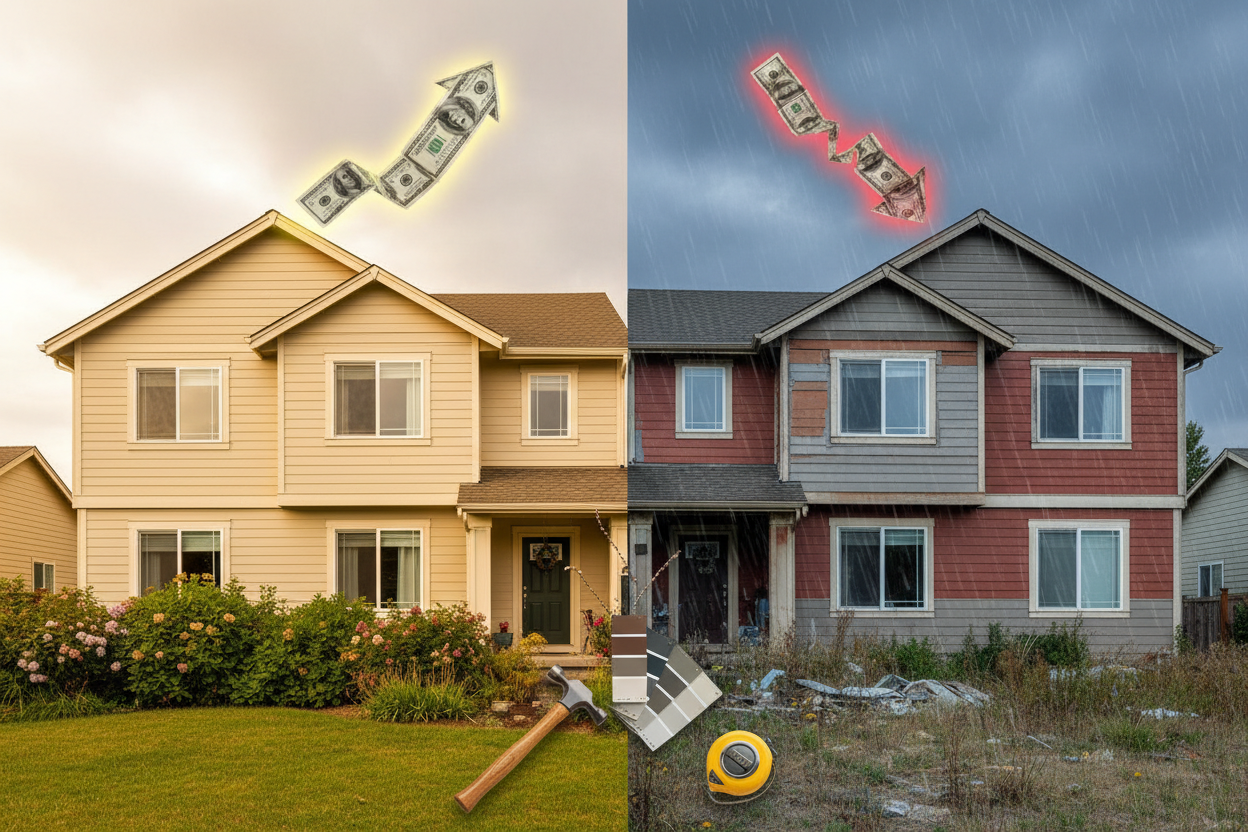
Mistake #1: Choosing the Cheapest Contractor Without Proper Vetting
We’ve all been there – you get three quotes for your siding replacement, and one contractor comes in significantly lower than the others. Your first instinct might be to jump on that “deal,” but this decision often leads to the most expensive mistake of all.
Low-ball contractors frequently cut corners in ways that aren’t immediately visible. They might use substandard materials, skip proper insulation installation, or employ inexperienced workers who don’t understand proper siding installation techniques. I’ve seen homeowners end up paying twice – once for the cheap job, and again to fix it properly.
The hidden costs of hiring an unqualified contractor extend far beyond poor workmanship. Improperly installed siding can lead to moisture infiltration, which causes mold growth, structural damage, and skyrocketing energy bills. Some homeowners have discovered thousands of dollars in water damage just months after their “budget-friendly” siding installation.
Instead of focusing solely on price, research contractors thoroughly. Check their licensing, insurance, and Better Business Bureau ratings. Ask for references from recent projects and actually contact those homeowners. A reputable contractor should provide detailed written estimates that break down materials, labor, and timeline expectations.
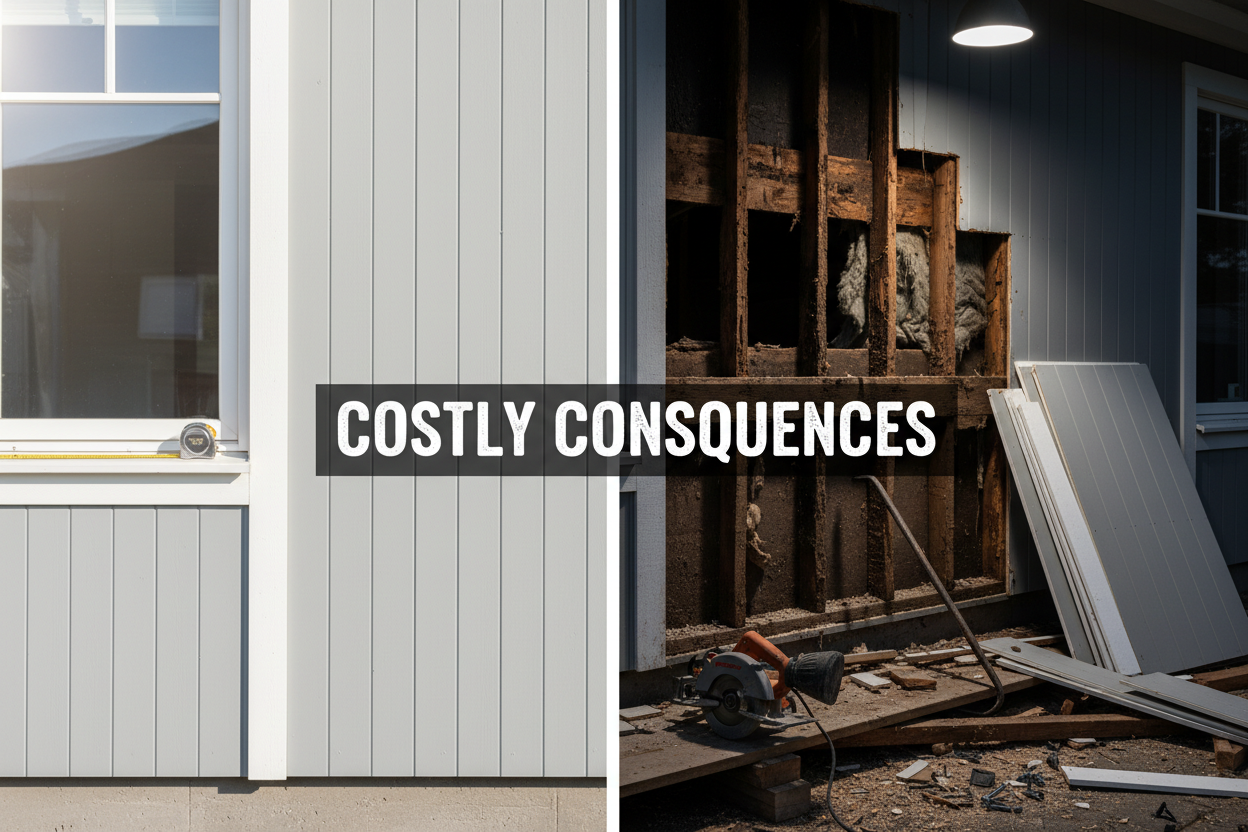
Mistake #2: Ignoring Underlying Issues Before Installation
Here’s something most homeowners don’t realize: your old siding might be hiding serious problems that need addressing before new siding goes up. Rushing to install new siding over existing issues is like putting a band-aid on a broken bone – it might look better temporarily, but the underlying problem will only get worse.
Common underlying issues include rotted sheathing, inadequate or damaged house wrap, structural problems, and existing moisture damage. Professional contractors should always inspect the substrate before installation, but not all of them do this thoroughly. Some might mention these issues but downplay their importance to keep the project moving quickly.
The cost of addressing these problems after new siding installation can be astronomical. Imagine discovering rotted wall studs six months after your beautiful new fiber cement siding is installed. You’ll need to remove sections of the new siding, repair the structural issues, and then reinstall the siding – essentially paying for parts of the job twice.
Before any siding work begins, insist on a comprehensive inspection of your home’s exterior. Address any structural repairs, update house wrap if necessary, and ensure all flashing around windows and doors is properly installed. This upfront investment will protect your new siding investment for decades to come.
Mistake #3: Selecting the Wrong Siding Material for Your Climate and Budget
Walking into a home improvement store or browsing online galleries can be overwhelming when you see all the siding options available. Many homeowners make material decisions based purely on aesthetics or initial cost, without considering long-term performance in their specific climate conditions.
Each siding material has distinct advantages and drawbacks that become crucial depending on where you live. Vinyl siding might be affordable and low-maintenance, but it can become brittle in extreme cold and may fade quickly in intense sunlight. Wood siding looks beautiful but requires regular maintenance and isn’t ideal for humid climates where moisture and insects are concerns.
Fiber cement siding offers excellent durability and fire resistance, making it perfect for areas prone to wildfires, but it requires professional installation and costs more upfront. Metal siding excels in harsh weather conditions but can dent and may not suit every architectural style.
The mistake isn’t just choosing the wrong material – it’s failing to factor in long-term costs. That cheap vinyl siding might need replacement in 15 years, while properly installed fiber cement could last 50 years or more. When you calculate the true cost per year of ownership, the more expensive option often proves more economical.
Research how different materials perform in your specific climate zone. Consider factors like temperature extremes, humidity levels, precipitation patterns, and local weather events. Don’t forget to factor in maintenance requirements and your willingness to perform or pay for ongoing upkeep.
Mistake #4: Overlooking Proper Insulation and Energy Efficiency Upgrades
Siding replacement presents a golden opportunity to improve your home’s energy efficiency, yet many homeowners focus only on the visible exterior and miss this chance entirely. This oversight can cost hundreds or even thousands of dollars annually in higher energy bills.
When contractors remove old siding, they expose your home’s insulation system – or lack thereof. Many older homes have inadequate insulation, gaps in coverage, or insulation that has settled and lost effectiveness over time. This is the perfect time to upgrade insulation, add a continuous insulation layer, or install a high-performance house wrap system.
Modern building science has proven that continuous exterior insulation can dramatically improve a home’s thermal performance while reducing thermal bridging through wall studs. Adding just two inches of rigid foam insulation during siding replacement can reduce heating and cooling costs by 20-30% in many climates.
The mistake many homeowners make is viewing insulation upgrades as an unnecessary expense rather than an investment. Yes, adding insulation increases your upfront costs, but the energy savings often pay for the upgrade within 5-7 years. After that, you’re essentially getting free money through reduced utility bills for the life of your home.
Discuss insulation options with your contractor before the project begins. Consider blown-in insulation for wall cavities, continuous exterior insulation boards, and upgraded house wrap systems. These improvements will make your home more comfortable year-round while reducing your environmental footprint.
Mistake #5: Failing to Obtain Proper Permits and Plan for Weather Delays
The excitement of starting a siding replacement project often leads homeowners to rush the planning phase, but inadequate preparation can turn your dream project into a costly nightmare. Two critical planning elements that frequently get overlooked are permit requirements and weather contingency planning.
Many municipalities require permits for siding replacement, especially when structural work or insulation upgrades are involved. Some homeowners skip permits to save money or speed up the timeline, but this decision can backfire spectacularly. Working without permits can result in fines, forced removal of completed work, and serious complications when selling your home.
Insurance companies may also refuse to cover damage related to unpermitted work. If a storm damages your new siding and the insurance adjuster discovers the work wasn’t properly permitted, you could be left paying for repairs out of pocket.
Weather delays are another major planning oversight. Siding installation requires dry conditions, and unexpected weather can extend project timelines significantly. Homeowners who don’t plan for delays often face additional costs when contractors need to return multiple times or when exposed areas suffer weather damage during extended delays.
Smart homeowners build buffer time into their project schedules and ensure their homes are properly protected during installation. This might mean scheduling the project during your area’s driest season, having temporary weather protection available, or ensuring contractors have contingency plans for weather delays.
Always check local permit requirements before starting your project, even if your contractor says permits aren’t necessary. Build extra time into your project timeline and discuss weather protection procedures with your contractor before work begins.
Protecting Your Investment: Final Thoughts on Siding Replacement Success
Siding replacement represents a significant investment in your home’s future, typically ranging from $15,000 to $50,000 or more depending on your home’s size and material choices. Avoiding these five costly mistakes can mean the difference between a successful project that adds value and comfort to your home, and a financial disaster that haunts you for years.
Remember that the cheapest option rarely proves most economical in the long run. Quality materials, professional installation, and proper planning might cost more upfront, but they deliver better performance, longer lifespan, and fewer headaches down the road.
Take time to educate yourself about siding options, thoroughly vet potential contractors, and don’t rush the planning process. Your home deserves the best protection you can provide, and your wallet will thank you for making informed decisions rather than costly mistakes.
Frequently Asked Questions
How long should quality siding last?
The lifespan varies by material: vinyl siding typically lasts 20-30 years, wood siding 20-40 years with proper maintenance, fiber cement 50+ years, and metal siding 40-70 years. Proper installation and maintenance significantly impact longevity.
What’s the best time of year for siding replacement?
Late spring through early fall generally offers the best weather conditions for siding installation. Avoid winter months in cold climates, as extreme temperatures can affect material performance and installation quality.
Should I replace siding myself to save money?
While DIY installation might seem cost-effective, siding replacement requires specialized tools, knowledge of building codes, and experience with weather barriers. Improper installation can lead to moisture problems and void material warranties. Most homeowners should hire professionals.
How do I know if my contractor is properly licensed and insured?
Ask for license numbers and insurance certificates, then verify them directly with your state licensing board and the insurance company. Reputable contractors will readily provide this information and shouldn’t be offended by your due diligence.
What questions should I ask potential siding contractors?
Key questions include: Are you licensed and insured? Can you provide local references? What’s included in your warranty? How do you handle weather delays? Will you obtain necessary permits? What’s your timeline for completion?
How much should I budget for siding replacement?
Costs vary widely based on material choice, home size, and regional labor rates. Budget $8-15 per square foot for vinyl, $12-20 for fiber cement, and $15-25+ for premium materials like natural wood or metal. Always get multiple detailed quotes for accurate pricing.




Home window replacement near me Fort Worth Texas



How much does it cost for vinyl replacement windows Little Elm Texas






Home window replacement near me Lake Dallas Texas






Home window replacement Lake Highlands Dallas Texas