
Siding Replacement: How to Handle Asbestos Discovery
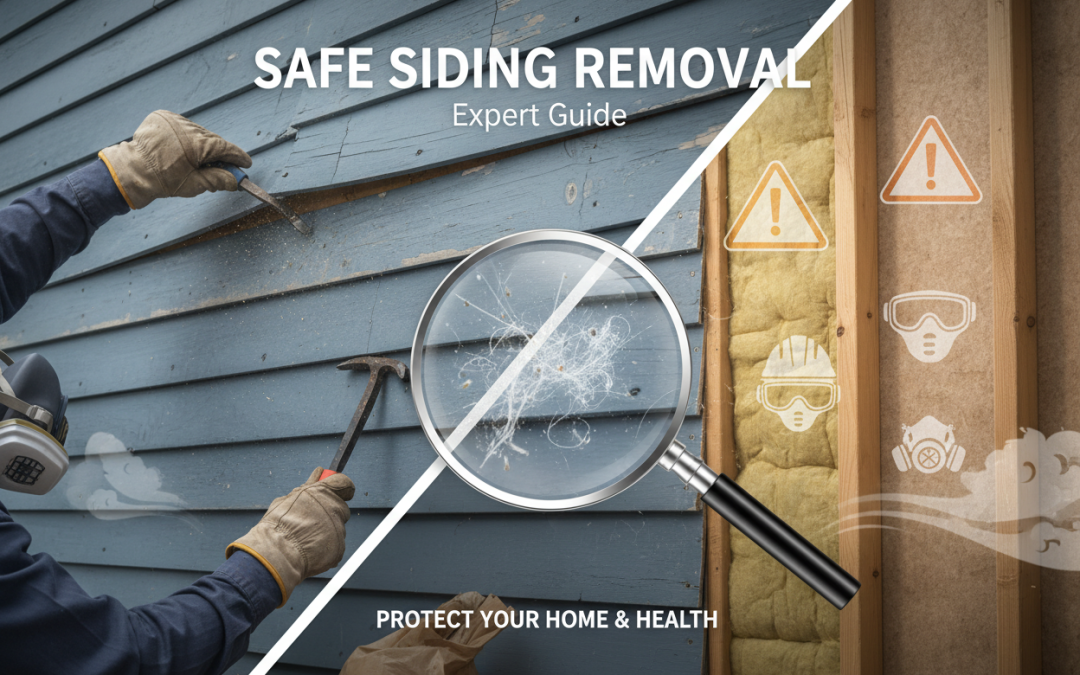
Discovering asbestos during a siding replacement project can turn an exciting home improvement endeavor into a stressful situation. While the presence of asbestos-containing materials in older homes isn’t uncommon, knowing how to handle this discovery properly is crucial for your family’s safety and legal compliance. This comprehensive guide will walk you through everything you need to know about dealing with asbestos during siding replacement, from identification to safe removal and disposal.
Understanding Asbestos in Home Siding
Asbestos was widely used in construction materials from the 1940s through the 1980s due to its fire-resistant and insulating properties. Many homes built during this era contain asbestos-cement siding, which was particularly popular because of its durability and low maintenance requirements. These siding materials typically contain 10-25% asbestos fibers mixed with cement.
The challenge with asbestos siding is that it often looks identical to non-asbestos materials. You can’t determine whether siding contains asbestos simply by looking at it. This is why professional testing becomes essential before beginning any renovation work on homes built before 1990.
Asbestos becomes dangerous when it’s disturbed and fibers become airborne. Intact asbestos siding that’s in good condition generally poses minimal risk. However, cutting, drilling, sanding, or breaking these materials can release microscopic fibers into the air, creating serious health hazards.
When to Suspect Asbestos in Your Siding
Several factors should raise red flags about potential asbestos content in your siding. The age of your home is the primary indicator – if your house was built between 1940 and 1980, there’s a higher likelihood of asbestos-containing materials. However, some products continued to contain asbestos into the early 1990s.
Certain visual characteristics might suggest asbestos content, though testing remains the only definitive method. Asbestos-cement siding often appears as rectangular or square panels with a smooth or slightly textured surface. These panels are typically 12 inches wide and come in various lengths. The material feels dense and heavy compared to modern vinyl or fiber cement alternatives.
Another telltale sign is the installation method. Asbestos siding was often installed with visible nail heads and may have a slightly different color or weathering pattern compared to modern materials. If you notice any of these characteristics, it’s time to call in professionals for testing before proceeding with your renovation plans.
The Testing Process: Getting Accurate Results
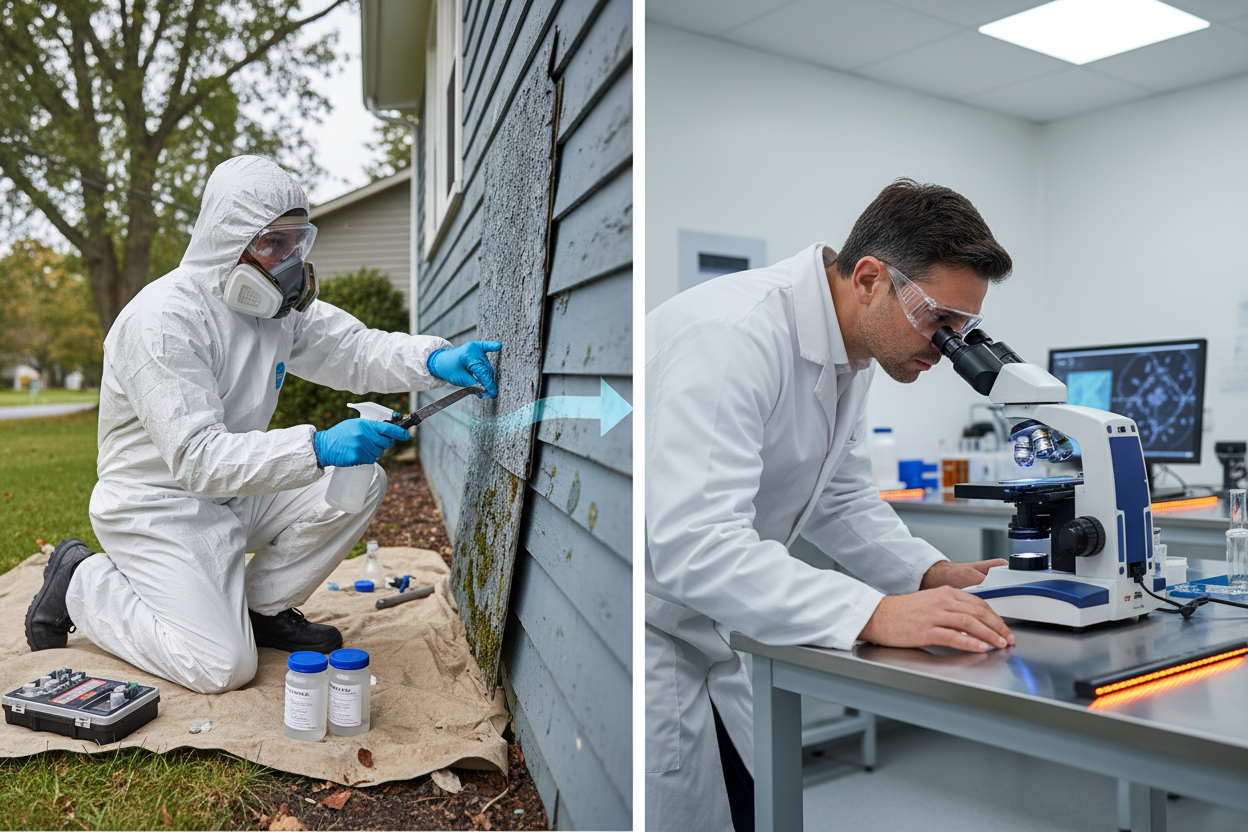
Professional asbestos testing is non-negotiable when dealing with suspected asbestos-containing siding. Never attempt to test materials yourself, as improper sampling can create dangerous exposure situations. Certified asbestos inspectors use specialized equipment and follow strict protocols to collect samples safely.
The testing process typically involves a visual inspection followed by careful sample collection. Inspectors will wet the material to minimize fiber release and use specialized tools to collect small samples from different areas of the siding. These samples are then sent to accredited laboratories for analysis using polarized light microscopy or transmission electron microscopy.
Results usually take 24-48 hours to receive. The laboratory report will indicate whether asbestos is present and, if so, the percentage of asbestos content. This information is crucial for determining the appropriate removal and disposal procedures. Keep in mind that different sections of your siding might have different asbestos content, which is why multiple samples are often necessary.
Legal Requirements and Regulations
Once asbestos is confirmed in your siding, you must comply with federal, state, and local regulations governing its handling and removal. The Environmental Protection Agency (EPA) regulates asbestos under the Clean Air Act, while the Occupational Safety and Health Administration (OSHA) sets workplace safety standards for asbestos handling.
Many states and municipalities have additional requirements beyond federal regulations. Some areas require permits for asbestos removal, mandatory notifications to local authorities, and the use of certified contractors. Failure to comply with these regulations can result in significant fines and legal complications.
It’s important to understand that regulations often distinguish between friable and non-friable asbestos materials. Siding is typically considered non-friable, meaning it’s bound in a matrix that prevents easy fiber release. However, once you begin removal work, the material may become friable, triggering stricter handling requirements.
Safety Precautions During Discovery
If you suspect you’ve discovered asbestos during your siding project, stop all work immediately. Don’t continue cutting, drilling, or disturbing the material in any way. Evacuate the immediate work area and prevent others from entering until proper assessment can be conducted.
Seal off the work area using plastic sheeting and tape to prevent potential fiber migration to other parts of your home. If you’ve already disturbed some material, avoid using regular vacuum cleaners or compressed air to clean up debris, as these methods can spread fibers throughout your home.
Change out of work clothes carefully, preferably in a garage or outdoor area, and wash them separately from other laundry using hot water. Shower thoroughly to remove any potential fibers from your skin and hair. While brief exposure to asbestos isn’t immediately dangerous, taking these precautions minimizes any potential risk.
Professional Removal vs. DIY Options
The decision between professional removal and DIY approaches depends on several factors, including local regulations, the scope of work, and your comfort level with safety procedures. Many jurisdictions require professional removal for projects involving more than a certain square footage of asbestos-containing materials.
Professional asbestos abatement contractors have specialized training, equipment, and insurance to handle asbestos safely. They use containment systems, negative air pressure units, and personal protective equipment designed specifically for asbestos work. While more expensive, professional removal eliminates liability concerns and ensures compliance with all regulations.
In some areas, homeowners may legally remove small amounts of asbestos siding themselves, provided they follow strict safety protocols. This typically involves wetting the material continuously, removing whole pieces without breaking them, and using appropriate personal protective equipment. However, the cost savings may not justify the risks and complexity involved.
Proper Disposal Methods
Asbestos-containing materials require special disposal procedures and cannot be placed in regular construction dumpsters or household trash. The material must be wetted, double-bagged in specially marked plastic bags, and transported to approved disposal facilities that accept asbestos waste.
Many areas have designated asbestos disposal sites, though they may be limited and require advance arrangements. Some facilities charge by weight or volume, and you’ll need to provide documentation proving the material has been handled according to regulations. Keep all receipts and disposal certificates for your records.
Transportation of asbestos waste also has specific requirements. The material must be properly labeled, and some jurisdictions require special permits or notifications for transport. Never attempt to dispose of asbestos materials at regular landfills or recycling centers, as this violates federal regulations and can result in substantial penalties.
Choosing Replacement Siding Materials
Once asbestos siding is safely removed, you’ll need to select appropriate replacement materials. Modern siding options offer excellent performance without health concerns. Fiber cement siding provides similar durability to asbestos-cement products but uses safe synthetic fibers instead of asbestos.
Vinyl siding offers low maintenance and cost-effectiveness, while engineered wood products provide natural aesthetics with improved weather resistance. Metal siding, including aluminum and steel options, delivers exceptional durability and fire resistance. Consider factors like climate, maintenance requirements, and architectural style when making your selection.
Energy efficiency should also factor into your decision. Many modern siding materials offer improved insulation properties compared to older asbestos products. Some options include integrated insulation or can accommodate additional insulating materials, potentially reducing your heating and cooling costs.
Cost Considerations and Budgeting
Asbestos discovery significantly impacts project costs, often doubling or tripling the original budget. Professional testing typically costs $200-500, while abatement can range from $5-15 per square foot depending on accessibility and local requirements. These costs are in addition to standard siding replacement expenses.
Factor in potential delays when budgeting your project timeline. Asbestos testing, contractor scheduling, and permit approvals can add weeks or months to your project. Weather restrictions may also apply, as many areas prohibit asbestos removal during windy conditions.
Some homeowner’s insurance policies may cover asbestos abatement costs, particularly if the discovery occurs during covered damage repairs. Check with your insurance provider about potential coverage, though policies vary significantly in their asbestos-related provisions.
Working with Qualified Contractors
Selecting the right contractor is crucial for safe and compliant asbestos handling. Look for contractors with specific asbestos abatement certifications, not just general contracting licenses. Verify their credentials with state licensing boards and check for current insurance coverage including asbestos liability protection.
Request detailed written estimates that clearly outline testing, removal, disposal, and replacement costs. Reputable contractors will provide comprehensive safety plans and explain their procedures thoroughly. Be wary of contractors who downplay asbestos concerns or suggest shortcuts to regulatory requirements.
Get multiple quotes and check references from recent asbestos projects. A qualified contractor should be able to provide documentation of proper training, equipment maintenance records, and examples of compliant disposal procedures. Don’t let cost alone drive your decision when dealing with asbestos materials.
Frequently Asked Questions
How do I know if my siding contains asbestos?
The only way to definitively determine if siding contains asbestos is through professional testing. Visual inspection cannot reliably identify asbestos content. Homes built between 1940-1990 have higher likelihood of containing asbestos siding materials.
Can I remove asbestos siding myself?
Regulations vary by location, but many areas allow homeowners to remove small amounts of asbestos siding following strict safety protocols. However, professional removal is often safer and ensures regulatory compliance. Check local requirements before attempting DIY removal.
What happens if I accidentally disturbed asbestos siding?
Stop work immediately, seal the area, and contact professionals for assessment. Brief exposure typically isn’t immediately dangerous, but proper cleanup procedures should be followed. Avoid using regular vacuums or compressed air in the affected area.
How much does asbestos siding removal cost?
Professional asbestos abatement typically costs $5-15 per square foot, not including replacement siding installation. Total project costs depend on house size, accessibility, local regulations, and chosen replacement materials.
Do I need permits for asbestos siding removal?
Many jurisdictions require permits and notifications for asbestos removal projects. Requirements vary by location and project size. Contact local building departments and environmental agencies to understand specific requirements in your area.
How long does asbestos testing take?
Sample collection typically takes 1-2 hours, while laboratory analysis requires 24-48 hours. Total turnaround time is usually 2-3 business days from sample collection to receiving results.
Discovering asbestos during siding replacement doesn’t have to derail your home improvement plans, but it does require careful handling and professional expertise. By following proper testing procedures, complying with regulations, and working with qualified contractors, you can safely address asbestos concerns while achieving your renovation goals. Remember that while asbestos discovery adds complexity and cost to your project, prioritizing safety protects your family’s health and ensures legal compliance for years to come.






Affordable home window replacement Red Oak Texas





Affordable home window replacement Prosper Texas







Window replacement cost North Richland Hills Texas











Home window replacement near me North Richland Hills Texas


How much does it cost for vinyl replacement windows Roanoke Texas


How much does it cost for vinyl replacement windows Josephine Texas


Home replacement window companies Farmersville Texas








How much does it cost for vinyl replacement windows Irving Texas














Lucas TX Replacement Siding Installation Services