
How to Choose Siding Replacement That Complements Your Roof
When you’re planning a siding replacement project, one of the most crucial decisions you’ll make is ensuring your new siding perfectly complements your existing roof. After all, these two exterior elements work together to create your home’s overall aesthetic appeal and curb value. Getting this combination right can transform your house from ordinary to extraordinary, while a mismatch can leave your property looking disjointed and potentially impact its resale value.
The relationship between your roof and siding goes beyond mere appearance. These components must work harmoniously to protect your home from the elements while creating a cohesive design that reflects your personal style. Whether you’re dealing with asphalt shingles, metal roofing, or clay tiles, there’s a perfect siding solution waiting to be discovered.
Understanding the Roof-Siding Relationship
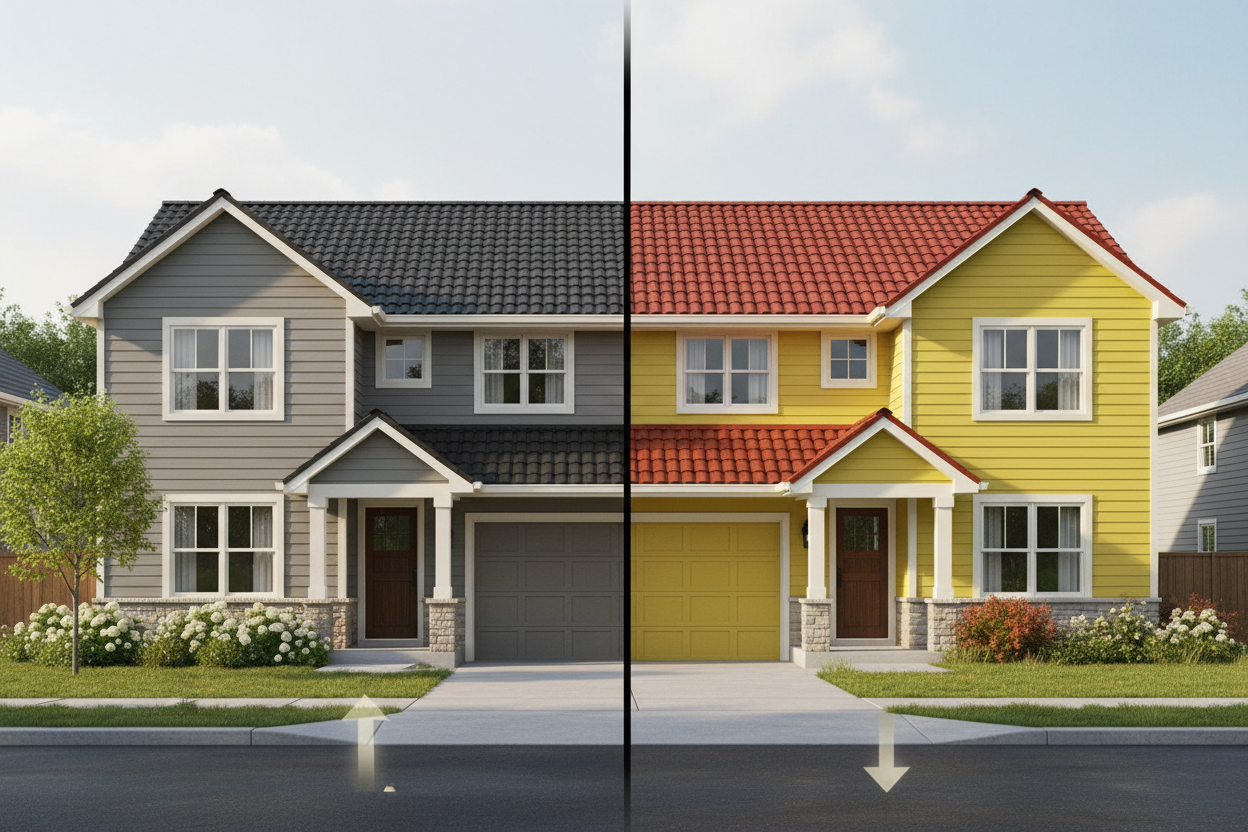
Your roof and siding form the largest visual surfaces of your home’s exterior, making their compatibility essential for achieving a polished, professional appearance. Think of them as dance partners – they need to move together in perfect rhythm to create something beautiful.
The key lies in understanding that your roof typically has a longer lifespan than your siding. Most roofing materials last 20-50 years, while siding may need replacement every 15-30 years depending on the material. This means your siding choice should complement your existing roof unless you’re planning a complete exterior renovation.
Color coordination plays a vital role, but it’s not just about matching – it’s about creating balance. Your siding and roof should either complement each other through harmonious tones or create intentional contrast that enhances both elements. The proportions matter too, as your roof’s pitch, style, and prominence will influence which siding colors and textures work best.
Analyzing Your Current Roof Style and Material
Before selecting new siding, take a comprehensive look at your current roofing situation. Start by identifying your roof material – whether it’s asphalt shingles, metal panels, clay tiles, slate, or wood shakes. Each material has distinct characteristics that will influence your siding choices.
Asphalt shingles, the most common roofing material, offer flexibility in siding selection due to their neutral appearance and wide color range. Metal roofing presents a more contemporary look that pairs beautifully with modern siding materials like fiber cement or engineered wood. Clay tiles suggest Mediterranean or Southwestern architectural styles that work best with stucco or adobe-style siding.
Consider your roof’s age and condition as well. If your roof is relatively new or in excellent condition, you’ll want to choose siding that enhances its existing appeal. However, if your roof shows signs of aging or doesn’t match your desired aesthetic, you might consider timing your siding replacement with a roof renovation for maximum impact.
The architectural style of your roof also matters significantly. A steep-pitched Victorian roof calls for different siding considerations than a low-pitched ranch-style roof. Gambrel roofs on colonial homes have specific traditional pairings, while contemporary flat or shed roofs offer more flexibility for modern siding materials.
Color Coordination Strategies
Creating the perfect color harmony between your roof and siding requires understanding basic color theory and how different hues interact in natural lighting conditions. The goal isn’t always to match perfectly – sometimes contrast creates more visual interest and architectural definition.
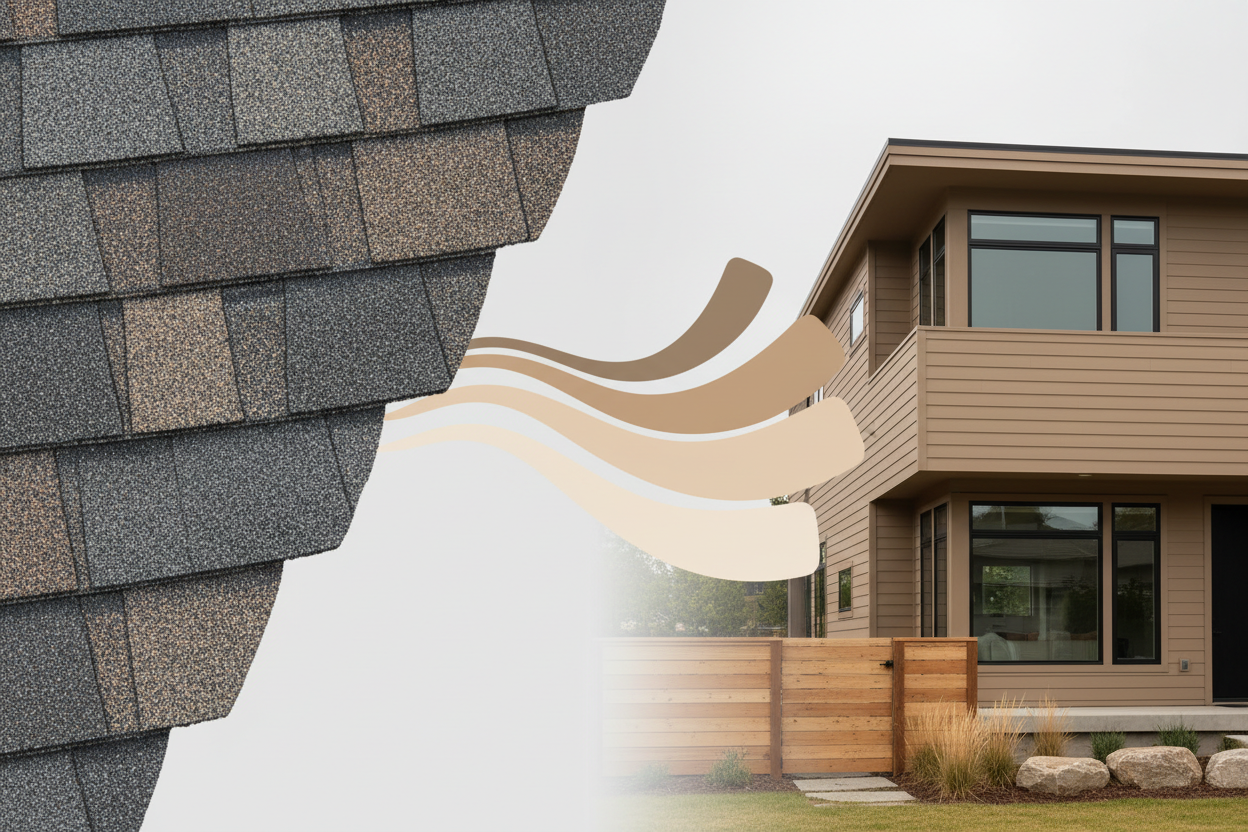
Start with the dominant color in your roof material. Most roofing has multiple colors within individual shingles or tiles, giving you several options to work with. Pull out the secondary or accent colors from your roof to use as your primary siding color. This creates a sophisticated, intentional look that ties the elements together without being overly matchy.
Consider the undertones carefully. A roof that appears gray might have blue, green, or brown undertones that will clash with certain siding colors. Test your siding samples against your roof at different times of day, as lighting conditions dramatically affect how colors appear together.
The 60-30-10 rule works well for exterior color schemes. Let your roof color represent about 60% of the visual weight, your siding about 30%, and your trim and accent colors the remaining 10%. This creates a balanced, pleasing proportion that feels natural and well-designed.
Don’t forget about the psychological impact of colors. Warm colors like reds, oranges, and yellows make homes feel welcoming and cozy, while cool colors like blues, greens, and grays create a more serene, sophisticated appearance. Your personal preferences and neighborhood aesthetic should guide these decisions.
Material Compatibility Considerations
Beyond color, the physical properties and visual textures of your roof and siding materials must work together cohesively. Mixing materials successfully requires understanding how different textures, sheens, and patterns interact visually.
Smooth metal roofing pairs beautifully with clean-lined siding materials like fiber cement boards or smooth vinyl. The sleek, contemporary feel of metal is enhanced by equally modern siding choices. Conversely, textured asphalt shingles work well with more traditional siding materials like wood clapboard or textured vinyl that echoes the roof’s dimensional quality.
Consider the maintenance requirements of different material combinations. Some pairings require similar maintenance schedules, making upkeep more convenient. Others might have conflicting needs – for example, a metal roof that requires minimal maintenance paired with wood siding that needs regular staining or painting.
Weather resistance is another crucial factor. Your roof and siding materials should have compatible expansion and contraction rates to prevent stress points where they meet. They should also handle your local climate conditions similarly to avoid premature failure of one component.
The weight and structural requirements of different siding materials must also align with your home’s construction and your roof’s load-bearing capacity. Heavy materials like stone or brick veneer require adequate structural support that might not be necessary for lighter options like vinyl or aluminum.
Popular Siding and Roof Combinations
Certain roof and siding combinations have stood the test of time because they create particularly appealing and harmonious exteriors. Understanding these classic pairings can provide inspiration for your own project.
Gray asphalt shingles paired with white or cream siding creates a timeless, elegant combination that works across architectural styles. This pairing offers high contrast that defines the roofline while maintaining a classic, sophisticated appearance. Adding darker trim colors can provide additional definition and visual interest.
Brown or weathered wood shake roofs complement natural wood siding beautifully, creating a cohesive, organic appearance that works especially well in wooded or rural settings. This combination ages gracefully, developing character over time while maintaining its natural appeal.
Black or dark gray metal roofing with light-colored fiber cement siding creates a striking contemporary look that’s both bold and sophisticated. This high-contrast combination works particularly well on modern farmhouse and industrial-style homes.
Red clay tile roofs traditionally pair with stucco or adobe-style siding in warm earth tones. This Mediterranean-inspired combination creates a cohesive, resort-like appearance that’s particularly popular in southwestern and coastal regions.
Slate roofs, with their natural color variations, work beautifully with stone or brick siding that echoes the roof’s natural texture and color palette. This combination creates a substantial, permanent appearance that suggests quality and longevity.
Climate and Regional Factors
Your local climate and regional architectural preferences should significantly influence your siding and roof combination choices. What works beautifully in one region might look out of place or perform poorly in another.
In hot, sunny climates, lighter-colored siding helps reflect heat and reduce cooling costs, while darker roofs can actually help with snow shedding in colder regions. However, very dark combinations in hot climates can create excessive heat absorption that increases energy costs and accelerates material aging.
Coastal regions require materials that resist salt air corrosion and high humidity. Fiber cement, vinyl, and certain metal sidings perform well in these conditions, while some wood products may require more maintenance or special treatments.
Areas with severe weather conditions like high winds, hail, or extreme temperature fluctuations need materials that can withstand these stresses. Impact-resistant siding materials should be paired with equally durable roofing to ensure consistent performance and longevity.
Regional architectural styles also play a role in material selection. A Spanish colonial revival home in the Southwest looks natural with clay tile roofing and stucco siding, while the same combination might appear out of place in New England, where wood shingles and clapboard siding are more traditional.
Budget Planning and Value Considerations
Balancing your aesthetic goals with budget realities requires careful planning and prioritization. Different siding materials have vastly different costs, both for initial installation and long-term maintenance.
Vinyl siding offers the most budget-friendly option while still providing good durability and a wide range of colors and styles. When paired thoughtfully with your existing roof, vinyl can create an attractive, low-maintenance exterior that provides excellent value.
Fiber cement siding costs more initially but offers superior durability and fire resistance. Its ability to mimic wood textures while requiring less maintenance makes it an excellent mid-range choice that complements most roofing materials beautifully.
Natural wood siding provides unmatched beauty and authenticity but requires the highest maintenance investment. If your roof and architectural style call for wood siding, budget for regular staining or painting to maintain its appearance and protect your investment.
Consider the return on investment for different material choices. High-quality siding that complements your roof well can significantly increase your home’s curb appeal and resale value. Sometimes spending more initially on better materials pays dividends when it’s time to sell.
Professional Installation and Timing
The success of your siding replacement project depends heavily on professional installation and proper timing. Even the best material choices can fail if not installed correctly or at the right time.
Working with experienced contractors who understand how siding and roofing systems interact is crucial. They can identify potential issues before they become problems and ensure that your new siding integrates properly with your existing roof structure.
Timing your siding replacement can impact both cost and results. Spring and fall typically offer the best weather conditions for installation, while winter projects might face weather delays and summer installations can be more expensive due to high demand.
If your roof needs work, consider coordinating both projects. This allows for better integration of the systems, potential cost savings on scaffolding and labor, and ensures that both elements are fresh and coordinated from the start.
Maintenance and Long-term Care
Once your new siding is installed, maintaining the beautiful relationship between your roof and siding requires ongoing attention. Different material combinations have different maintenance needs and schedules.
Regular cleaning of both your roof and siding helps maintain their appearance and prevents issues like algae growth or staining that can affect their color coordination. Some combinations require more frequent cleaning than others.
Inspect the junction points between your roof and siding regularly for signs of wear, gaps, or damage. These transition areas are critical for weather protection and maintaining the visual continuity of your exterior.
Plan for future maintenance and replacement cycles. Understanding the expected lifespan of your siding relative to your roof helps you plan for future renovations and ensures that you maintain the coordinated appearance over time.
Frequently Asked Questions
Q: Should my siding match my roof exactly?
A: No, exact matching isn’t necessary and can actually look flat or boring. Instead, choose siding colors that complement your roof by either harmonizing with similar tones or creating intentional contrast that enhances both elements.
Q: Can I install new siding if my roof is old?
A: Yes, but consider the roof’s remaining lifespan. If your roof will need replacement within 5-10 years, you might want to coordinate both projects or choose siding colors that will work with a future roof replacement.
Q: What’s the most versatile siding color for different roof types?
A: Neutral colors like white, cream, light gray, and beige work well with most roof colors and materials. These versatile choices provide a classic backdrop that allows your roof to be the focal point.
Q: How do I test color combinations before committing?
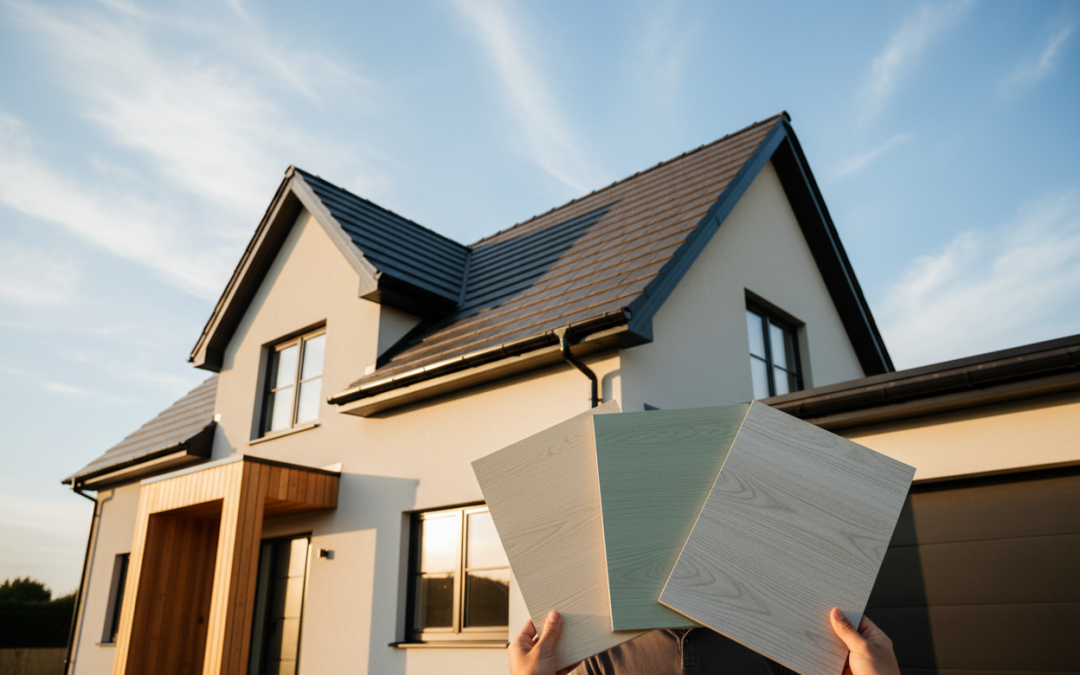
A: Get large samples of your siding choices and hold them against your house at different times of day. Many manufacturers offer sample boards, or you can purchase small sections to test the combination in various lighting conditions.
Q: Does the style of my house limit my siding and roof combinations?
A: While certain architectural styles have traditional material pairings, there’s usually flexibility within those guidelines. The key is maintaining the overall character and proportions that define your home’s style while expressing your personal preferences.
Q: How much should I budget for siding replacement?
A: Siding replacement costs vary widely based on material choice, home size, and regional labor costs. Budget anywhere from $8,000-$25,000 for an average home, with premium materials potentially costing more. Always get multiple quotes from licensed contractors.
Choosing siding replacement that complements your roof is both an art and a science. By carefully considering color coordination, material compatibility, regional factors, and long-term maintenance needs, you can create a beautiful, cohesive exterior that enhances your home’s value and reflects your personal style. Take time to research your options, test combinations thoroughly, and work with experienced professionals to ensure your investment pays dividends for years to come. The perfect roof and siding combination is out there waiting to transform your home into the stunning property you’ve always envisioned.










Home replacement window companies Randolph Texas












Affordable replacement windows Farmersville Texas












Energy-efficient vinyl windows Highland Park Texas


How much does it cost for vinyl replacement windows Sachse Texas









Little Elm TX Vinyl Siding Replacement Near Me











Highland Park TX Window And Siding Replacement





Collinsville TX Replacement Windows And Siding