
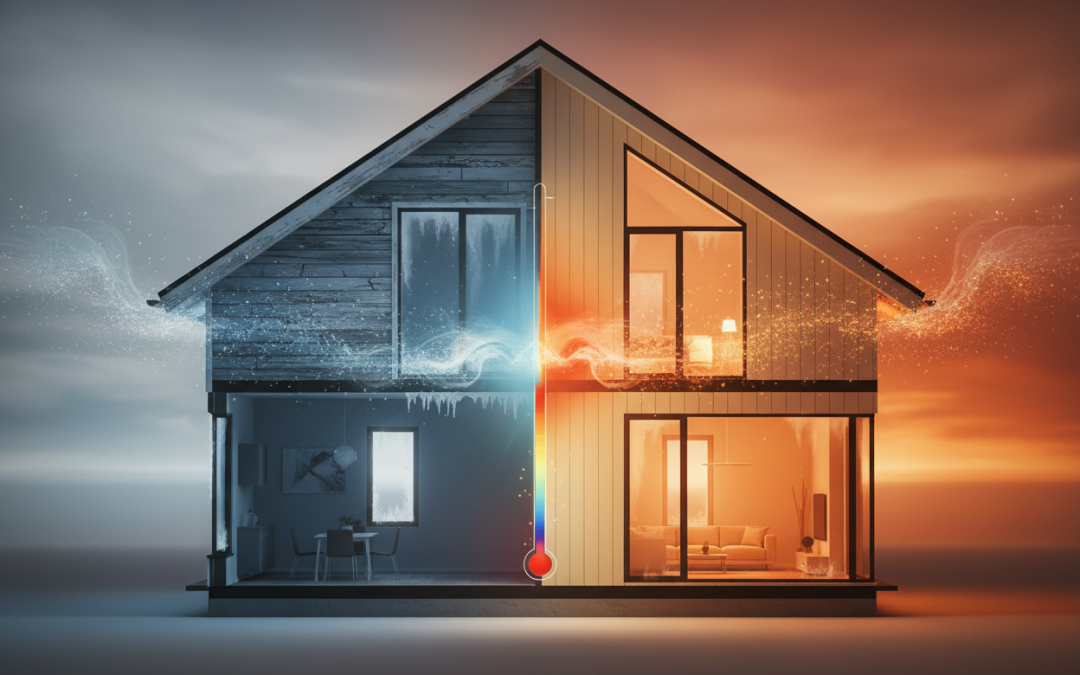
How Siding Replacement Affects Home Heating and Cooling Zones
When most homeowners think about replacing their siding, they typically focus on curb appeal and protection from the elements. However, what many don’t realize is that new siding can dramatically transform how efficiently your home maintains comfortable temperatures throughout different zones. As someone who’s witnessed countless siding projects over the years, I can tell you that the impact on your heating and cooling systems often surprises homeowners—usually in the best possible way.
Your home’s exterior envelope plays a crucial role in maintaining consistent temperatures across different areas of your house. Whether you’re dealing with that perpetually cold guest bedroom or the upstairs that always seems too warm in summer, siding replacement might be the game-changing solution you never considered.
Understanding Home Heating and Cooling Zones
Before diving into how siding affects these zones, let’s establish what we mean by heating and cooling zones. These are distinct areas within your home that may require different temperature control strategies due to factors like sun exposure, room size, ceiling height, and proximity to heat sources.
Most homes naturally develop these zones based on their architectural design and orientation. The south-facing rooms typically receive more solar heat gain, while north-facing areas tend to stay cooler. Upper floors often become warmer due to heat rising, and rooms above garages or over crawl spaces frequently struggle with temperature regulation.
These temperature variations force your HVAC system to work harder, leading to uneven comfort levels and higher energy bills. Some rooms might feel like saunas while others remain chilly, creating a constant battle with your thermostat.
The Science Behind Siding and Thermal Performance
Your home’s siding acts as the first line of defense against outdoor temperature fluctuations. Old, damaged, or poorly installed siding creates thermal bridges—pathways that allow heat to transfer between indoor and outdoor environments more easily than it should.
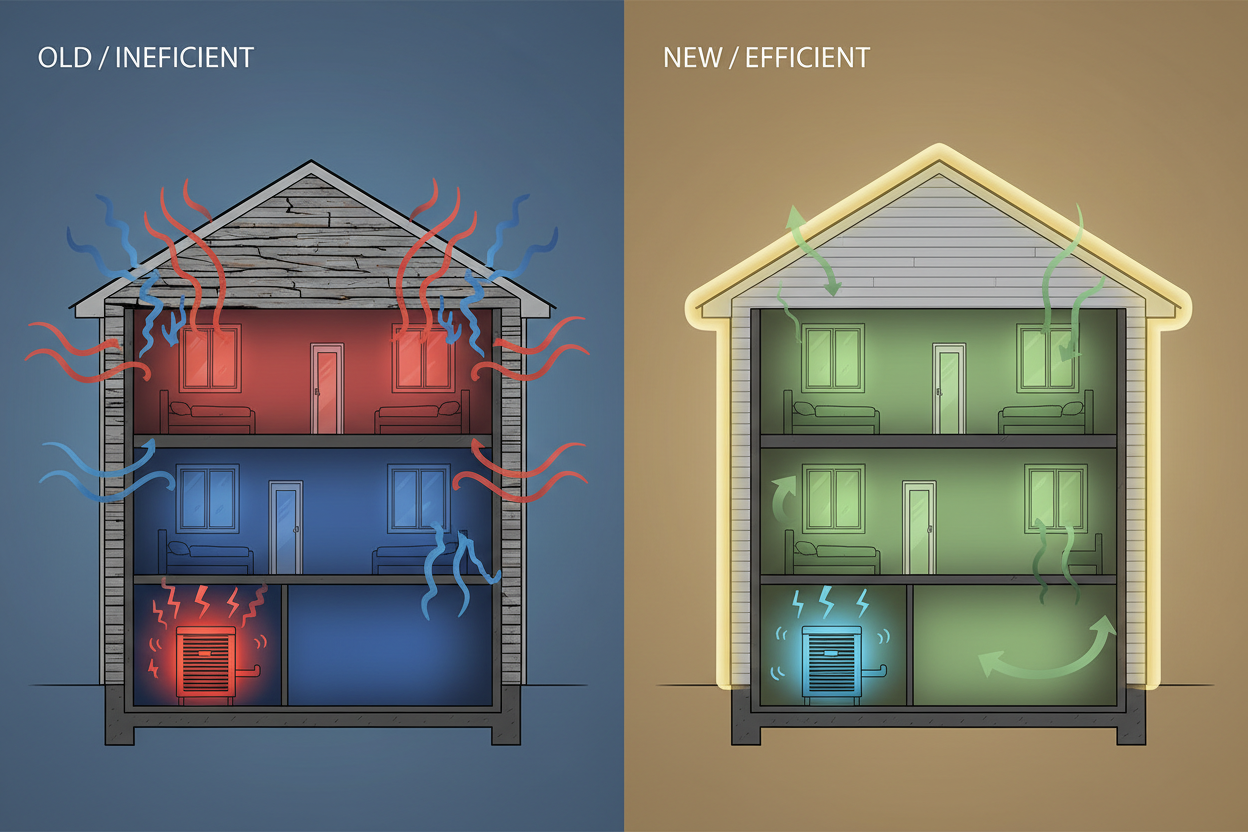
When siding fails to provide adequate thermal protection, your home develops hot and cold spots that directly correlate with your heating and cooling zones. Air leaks around windows, doors, and siding joints allow conditioned air to escape while letting unconditioned air infiltrate your living spaces.
Modern siding materials and installation techniques focus heavily on creating continuous thermal barriers. This means fewer temperature fluctuations between different areas of your home and more consistent comfort levels throughout all zones.
How Old Siding Creates Temperature Imbalances
Aging siding contributes to zone temperature problems in several ways. Warped or cracked boards create gaps that allow air infiltration, while faded or damaged surfaces may absorb or reflect heat differently than when they were new.
I’ve seen homes where the difference between the warmest and coolest rooms exceeded 10 degrees simply due to compromised siding performance. The rooms with the most exterior wall exposure typically suffer the most, especially those facing prevailing winds or receiving intense sun exposure.
Moisture infiltration through deteriorating siding also affects insulation performance. Wet insulation loses its thermal resistance, creating cold spots in winter and allowing heat penetration in summer. These moisture issues often concentrate in specific areas, making certain zones particularly problematic.
Modern Siding Materials and Energy Efficiency
Today’s siding options offer significantly better thermal performance than materials from even a decade ago. Insulated vinyl siding, for example, includes foam backing that adds an extra layer of thermal protection. Fiber cement siding provides excellent durability and consistent thermal properties over time.
Advanced installation techniques also play a crucial role. Proper house wrap installation, attention to flashing details, and careful sealing around penetrations all contribute to better thermal performance. When done correctly, these improvements help eliminate the thermal inconsistencies that create problematic heating and cooling zones.
Some newer siding materials even incorporate reflective technologies that help manage solar heat gain. Light-colored or specially coated surfaces can reduce cooling loads on south and west-facing walls, helping balance temperatures between different exposures.
Impact on HVAC System Performance
When siding replacement eliminates thermal weak points, your HVAC system can operate more efficiently across all zones. The system no longer needs to overcool some areas to adequately cool others, or overheat certain zones to bring cold spots up to comfortable temperatures.
This improved balance often allows homeowners to adjust their thermostat settings for better overall comfort. Rooms that previously required space heaters or fans can now maintain comfortable temperatures through the central system alone.
Many homeowners report being able to close vents in previously over-conditioned areas, redirecting airflow to zones that need it most. This redistribution of conditioned air creates more even temperatures throughout the home without increasing energy consumption.
Reducing Hot and Cold Spots Through Strategic Siding Choices
Different siding materials and colors can be strategically selected to address specific zone issues. Lighter colors on south and west-facing walls help reduce solar heat gain, while darker colors on north-facing walls can help capture beneficial winter sun.
Insulated siding options provide the most dramatic improvement for problematic zones. The additional thermal resistance helps moderate temperature swings and reduces the workload on your HVAC system.
Proper installation details matter enormously. Continuous insulation behind the siding, careful attention to thermal bridging, and meticulous air sealing all contribute to eliminating the conditions that create temperature zones in the first place.
Long-term Benefits for Zone Control Systems
Homeowners with zoned HVAC systems see particularly dramatic benefits from siding replacement. When the building envelope performs consistently, zone controls can operate as designed rather than fighting against thermal deficiencies in the exterior walls.
Better siding performance also extends the life of HVAC equipment by reducing runtime and cycling frequency. Systems don’t need to work as hard to maintain set points, leading to lower maintenance costs and longer equipment life.
The improved thermal performance often allows for more precise temperature control in each zone. Thermostats can maintain tighter temperature ranges without the system constantly fighting against heat loss or gain through the walls.
Cost Considerations and Energy Savings
While quality siding replacement requires a significant upfront investment, the energy savings often provide substantial long-term value. Reduced heating and cooling costs can offset a portion of the project cost over time, especially in climates with extreme temperatures.
Many utility companies offer rebates for energy-efficient siding upgrades, and some improvements may qualify for federal tax credits. These incentives can help offset the initial cost while providing immediate energy savings.
The improved comfort and more consistent temperatures throughout your home also add intangible value. No more avoiding certain rooms during extreme weather or constantly adjusting thermostats to balance different zones.
Siding replacement represents one of the most effective ways to address heating and cooling zone issues in your home. By creating a more consistent thermal envelope, new siding helps eliminate the temperature variations that make some rooms uncomfortable while forcing your HVAC system to work harder than necessary. The result is improved comfort, lower energy bills, and a home that maintains pleasant temperatures throughout all seasons.
If you’re dealing with persistent temperature imbalances between different areas of your home, it might be time to look beyond your HVAC system and consider how your siding might be contributing to the problem. A quality siding replacement project could be the key to finally achieving the consistent, comfortable temperatures you’ve been seeking.
Frequently Asked Questions
How much can new siding reduce energy costs?
Energy savings from siding replacement typically range from 15-25% on heating and cooling costs, depending on the condition of your old siding and the type of new material installed. Homes with particularly poor existing siding may see even greater savings.
Will siding replacement eliminate the need for a zoned HVAC system?
While better siding can significantly reduce temperature variations between rooms, homes with multiple levels or varying sun exposures may still benefit from zoned systems. However, the zones will operate more efficiently with improved siding performance.
Which siding material provides the best thermal performance?
Insulated vinyl siding and fiber cement with continuous insulation typically offer the best thermal performance for most climates. The specific choice depends on your local climate conditions and existing wall construction.
How long does it take to notice temperature improvements after siding replacement?
Most homeowners notice improved temperature consistency within the first few weeks after installation, particularly during extreme weather conditions. The full benefits become apparent over the first complete heating and cooling season.
Can I replace siding on just problem areas of my home?
While partial siding replacement is possible, it may create visual inconsistencies and won’t provide the comprehensive thermal improvement that whole-house replacement offers. For addressing zone temperature issues, complete replacement typically provides the best results.





Affordable replacement windows Lake Dallas Texas
















Window replacement cost Preston Hollow Dallas Texas


How much does it cost for vinyl replacement windows Haslet Texas









How much does it cost for vinyl replacement windows Princeton Texas










Home replacement window companies Farmersville Texas


Home replacement window companies Van Alstyne Texas


Westminster TX Vinyl Siding Replacement Near Me