
The Complete Guide to Siding Replacement Color Matching
When it comes to home maintenance, few things are as challenging as finding the perfect color match for siding replacement. Whether you’re dealing with storm damage, wear and tear, or simply updating sections of your home’s exterior, achieving a seamless color match can feel like searching for a needle in a haystack. But don’t worry – with the right approach and understanding of the process, you can achieve professional-looking results that blend perfectly with your existing siding.
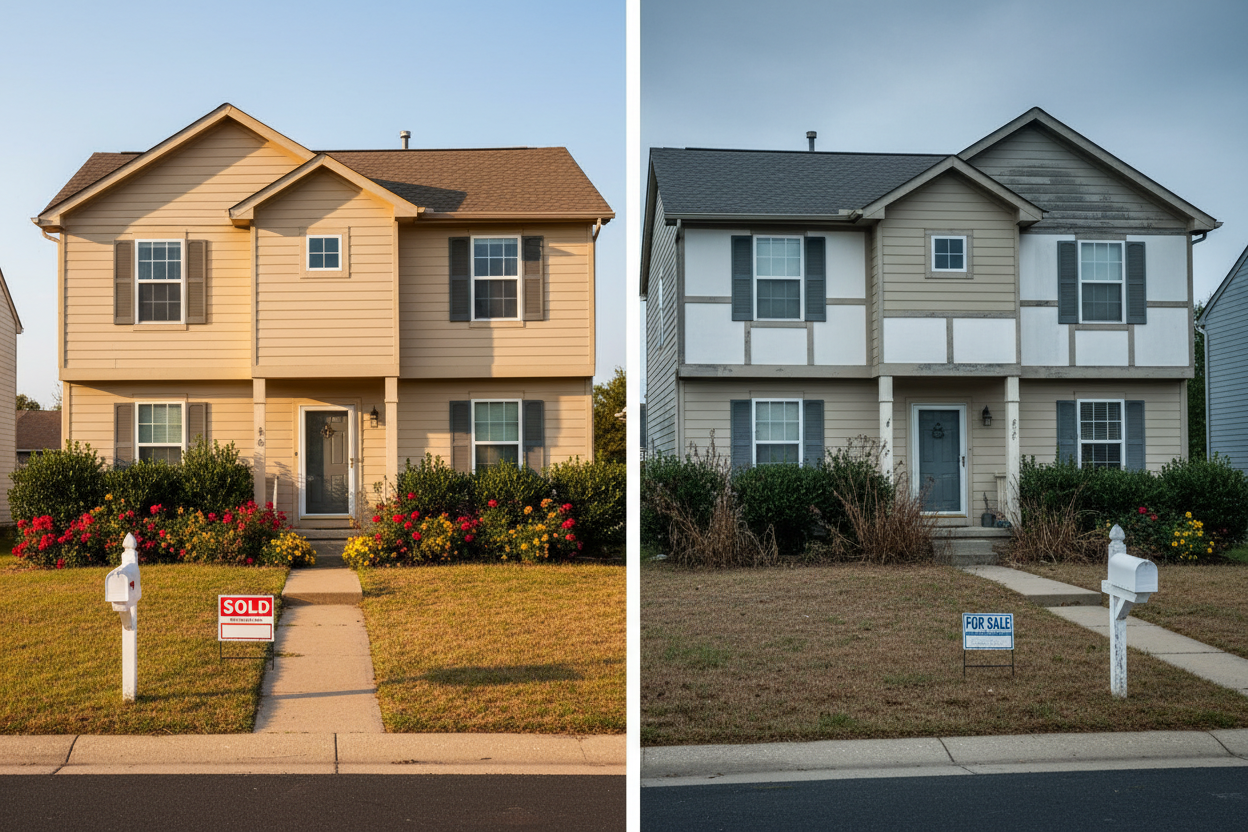
Color matching isn’t just about aesthetics; it’s about maintaining your home’s value and curb appeal. A mismatched patch of siding can stick out like a sore thumb, potentially affecting your property’s market value and your own satisfaction with your home’s appearance. This comprehensive guide will walk you through everything you need to know about siding replacement color matching, from understanding why colors fade to implementing professional techniques that ensure perfect results.
Understanding Why Siding Colors Change Over Time
Before diving into color matching techniques, it’s crucial to understand why your siding’s color has likely changed since installation. UV radiation from the sun is the primary culprit behind color fading. Even the highest-quality siding materials experience some degree of color shift over time, with south-facing walls typically showing the most dramatic changes due to increased sun exposure.
Different siding materials respond to environmental factors in unique ways. Vinyl siding tends to fade more uniformly but can develop a chalky appearance over time. Wood siding may gray naturally or show uneven weathering patterns. Fiber cement siding generally holds its color better but isn’t immune to gradual changes. Metal siding can experience both fading and oxidation, creating additional color matching challenges.

Weather conditions beyond UV exposure also play a significant role. Rain, snow, humidity, and temperature fluctuations all contribute to the aging process. Pollution, salt air in coastal areas, and even nearby vegetation can affect how your siding ages. Understanding these factors helps explain why that “perfect match” from five years ago might not look so perfect today.
Professional Color Matching Techniques
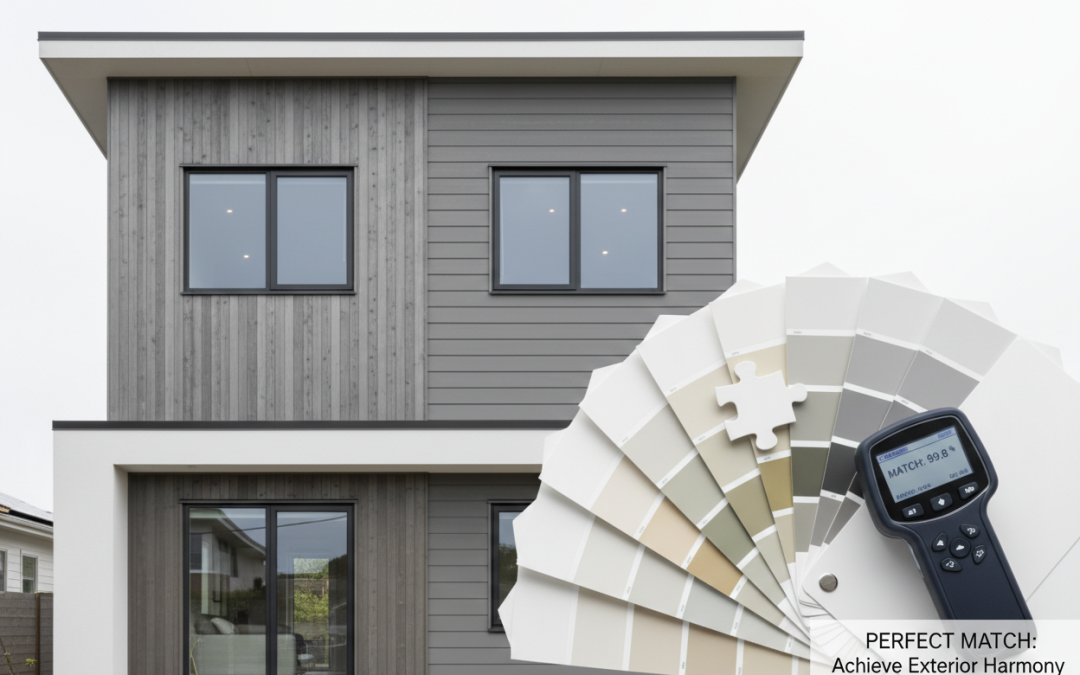
Professional contractors and paint specialists use several sophisticated methods to achieve accurate color matches. The most reliable approach involves taking a physical sample of your existing siding to a paint store or siding supplier equipped with color-matching technology. These computerized systems analyze the sample under controlled lighting conditions and can formulate custom paint or identify the closest available siding color.
When collecting a sample, choose a piece from an area that’s representative of the overall color but protected from the harshest elements. A section under an eave or behind a downspout often provides a good balance between weathered authenticity and color preservation. The sample should be at least two inches square for accurate analysis.
Spectrophotometers are the gold standard for color matching in professional settings. These devices measure the exact wavelengths of light reflected by your siding sample, creating a digital fingerprint of the color. This data can then be used to mix custom paint or search databases for matching siding products. While this technology isn’t typically available to homeowners, many paint stores and siding contractors have access to these tools.
DIY Color Matching Methods
For homeowners tackling color matching independently, several practical approaches can yield surprisingly good results. Start by cleaning a small section of your existing siding thoroughly to reveal its true current color. Years of dirt, mildew, and oxidation can significantly alter appearance, and sometimes a good cleaning is all that’s needed to restore uniformity.
Digital photography can be a valuable tool in your color matching arsenal. Take high-resolution photos of your siding in natural daylight, avoiding harsh shadows or direct sunlight that can distort colors. Many smartphone apps now offer color-matching capabilities, though results vary in accuracy. These photos can serve as references when shopping for paint or new siding materials.
Paint chip comparison remains one of the most accessible methods for homeowners. Visit your local home improvement store or paint retailer with a clean sample of your siding. Compare it against their color selection under different lighting conditions – fluorescent store lighting can be deceiving, so ask to take samples outside for natural light comparison.
Choosing the Right Materials for Seamless Integration
Material selection plays a crucial role in achieving successful color matches. If you’re replacing vinyl siding, stick with vinyl for consistency in texture and sheen. The same principle applies to wood, fiber cement, and metal siding. Different materials reflect light differently, and even a perfect color match can look off if the surface characteristics don’t align.
Consider the age and weathering of your existing siding when selecting replacement materials. Brand-new siding will often appear brighter and more vibrant than weathered materials, even with perfect color matching. Some contractors recommend allowing new sections to weather naturally for several months, though this isn’t always practical or desirable.
Quality matters significantly in color matching success. Premium siding materials typically hold their color better over time and offer more consistent manufacturing standards. While the initial investment may be higher, quality materials are more likely to maintain their appearance and blend seamlessly with existing siding for years to come.
Working with Lighting and Viewing Angles
Lighting conditions dramatically affect color perception, making this one of the most critical factors in successful siding replacement color matching. Natural daylight provides the most accurate color representation, but even natural light changes throughout the day. The golden hour of early morning and late afternoon can make colors appear warmer, while midday sun provides the most neutral lighting conditions.
Always evaluate color matches at different times of day and from various viewing angles. Colors that look perfect in morning light might appear noticeably different in afternoon shadows. Walk around your home and observe how the existing siding appears from different perspectives – this exercise will help you understand how lighting affects your specific situation.
Consider your home’s orientation and surrounding environment when evaluating color matches. Trees, neighboring buildings, and landscape features can cast colored light onto your siding, affecting how colors appear. A color that looks perfect against a blue sky might look entirely different against the green reflection from nearby trees.
Common Color Matching Mistakes to Avoid
One of the most frequent mistakes homeowners make is attempting to match colors under artificial lighting conditions. Store lighting, garage lighting, and indoor fluorescent bulbs can all distort color perception significantly. Always make final color decisions in natural daylight conditions, preferably during the middle of the day when lighting is most neutral.
Another common error involves ignoring the sheen or finish of the existing siding. A perfect color match with the wrong sheen will be immediately noticeable. Glossy new siding next to weathered, matte existing siding creates an obvious contrast that draws unwanted attention. Pay attention to both color and finish when making selections.
Rushing the color matching process often leads to disappointing results. Take time to live with color samples for several days, observing them under different lighting conditions and weather patterns. What looks perfect on a cloudy day might appear completely wrong in bright sunlight. Patience in the selection process pays dividends in final results.
When to Consider Professional Help
While many color matching projects can be handled successfully by determined homeowners, certain situations call for professional expertise. Complex color combinations, premium siding materials, and historically significant homes often require the precision and experience that only professionals can provide.
If your existing siding shows significant variation in color due to uneven weathering or previous repairs, a professional can help develop a strategy for achieving overall uniformity. Sometimes this involves treating the entire surface rather than just matching individual sections.
Professional contractors also have access to specialized tools and materials that aren’t readily available to consumers. Custom color mixing, professional-grade primers, and application techniques can make the difference between a noticeable repair and an invisible one. When the stakes are high – such as preparing a home for sale – professional results often justify the additional investment.
Maintenance Tips for Long-Term Color Consistency
Successful color matching is only the beginning of maintaining a uniform appearance for your home’s exterior. Regular cleaning helps prevent the buildup of dirt and mildew that can cause uneven color changes over time. A gentle pressure washing annually or bi-annually can keep your siding looking fresh and maintain color consistency.
Consider applying UV-protective treatments to help slow the fading process, especially on south-facing walls that receive the most sun exposure. These treatments won’t stop aging entirely, but they can help your color matching efforts last longer and maintain their effectiveness.
Keep detailed records of your color matching efforts, including paint formulas, siding manufacturer information, and color codes. This documentation will prove invaluable for future touch-ups or additional repairs. Store physical samples in a cool, dark place to preserve them as references for future projects.
Conclusion
Achieving perfect siding replacement color matching requires patience, attention to detail, and an understanding of how various factors affect color perception. While the process can seem daunting initially, following the techniques and principles outlined in this guide will help you achieve professional-looking results that seamlessly blend with your existing siding.
Remember that perfect color matching is as much about technique and timing as it is about finding the right color. Take your time, work in good lighting conditions, and don’t hesitate to seek professional help when the situation warrants it. With careful planning and execution, your siding replacement project can enhance your home’s appearance and value while maintaining the seamless, uniform look you desire.
Frequently Asked Questions
How long does it take for new siding to weather and match existing siding naturally?
The weathering process varies significantly depending on your climate, siding material, and sun exposure. Generally, vinyl siding may take 6-12 months to show noticeable weathering, while wood siding can begin changing within 3-6 months. However, relying on natural weathering for color matching isn’t recommended as results are unpredictable.
Can I paint over existing siding to achieve a uniform color?
Yes, painting can be an effective solution for achieving color uniformity, especially when multiple repairs have created a patchwork appearance. Ensure you use paint specifically designed for your siding material and properly prepare the surface for best adhesion and longevity.
What’s the best time of year to tackle siding replacement color matching projects?
Spring and fall typically offer the most stable lighting conditions and moderate temperatures for color evaluation and installation. Avoid extremely hot or cold weather, which can affect both your ability to accurately assess colors and the performance of paints and adhesives.
Should I replace entire walls instead of trying to match small sections?
For extensive damage or when color matching proves particularly challenging, replacing entire walls or sides of your home can be more cost-effective and aesthetically pleasing than attempting to match multiple small sections. This approach also ensures uniform aging going forward.
How do I handle color matching when my siding has been discontinued?
When original siding colors are no longer available, focus on finding the closest match from current product lines or consider custom color mixing. Sometimes switching to a complementary color scheme can be more effective than attempting an imperfect match of the original color.


Affordable home window replacement Crowley Texas









Black replacement windows Lake Highlands Dallas Texas








Home replacement window companies Kennedale Texas





Replacement window companies Lowry Crossing Texas







Replacement window companies North Richland Hills Texas







Affordable home window replacement Lake Highlands Dallas Texas







Justin TX Replacement Siding Installation Services


Lake Highlands Dallas TX Siding Replacement Cost

Grand Prairie TX Replacement Windows And Siding