
The Truth About Vinyl Siding Recycling and Sustainability
When I first started researching home renovation options, vinyl siding seemed like the obvious choice. It’s affordable, low-maintenance, and comes in countless colors and styles. But as someone who’s increasingly conscious about environmental impact, I found myself asking the tough questions: Is vinyl siding recyclable? What happens to it when it’s time to replace it? And honestly, is it a sustainable choice for homeowners?
The answers might surprise you. While vinyl siding has faced criticism for its environmental impact, the reality of vinyl siding recycling and sustainability is more nuanced than you might expect. Let’s dive deep into the facts, myths, and practical considerations that every homeowner should know before making this important decision.
Understanding Vinyl Siding: What It Really Is
Before we tackle the recycling question, it’s essential to understand what vinyl siding actually is. Vinyl siding is made primarily from polyvinyl chloride (PVC), a thermoplastic polymer that’s been used in construction for decades. This material is created by combining ethylene and chlorine, resulting in a durable, weather-resistant product that can withstand harsh outdoor conditions.
What makes vinyl particularly interesting from a sustainability perspective is its thermoplastic nature. Unlike thermoset plastics that can’t be remelted once they’re formed, thermoplastics like PVC can theoretically be heated and reformed multiple times. This characteristic is crucial when we talk about recycling possibilities.
The typical vinyl siding panel contains about 80% PVC resin, with the remaining 20% consisting of additives like impact modifiers, processing aids, colorants, and UV stabilizers. These additives, while necessary for performance, can complicate the recycling process – something we’ll explore in detail.
The Current State of Vinyl Siding Recycling
Here’s where things get complicated. While vinyl siding is technically recyclable, the infrastructure and processes for recycling it aren’t as widespread as they are for other materials like aluminum or steel. Most curbside recycling programs don’t accept vinyl siding, and specialized recycling facilities are limited in many areas.
However, the industry has made significant strides in recent years. The Vinyl Siding Institute, along with various manufacturers, has developed programs specifically for post-consumer vinyl siding recycling. These programs typically work through authorized contractors who collect old siding during renovation projects and send it to specialized facilities.
The recycling process itself involves several steps. First, the old siding is collected and sorted to remove any contaminants like nails, screws, or other materials. Then it’s cleaned, shredded into small flakes, and processed through various separation techniques to remove any remaining non-vinyl materials. Finally, the clean PVC flakes are melted down and reformed into new products.
What’s particularly encouraging is that recycled vinyl can be used to create new siding panels, though it’s more commonly used for other PVC products like pipes, window frames, or outdoor furniture. This closed-loop approach represents a significant step forward in vinyl sustainability.
Environmental Impact: The Complete Picture
When evaluating vinyl siding’s environmental impact, we need to consider its entire lifecycle – from production to disposal. The manufacturing process does require significant energy and produces some emissions, particularly during the production of chlorine, one of PVC’s key components.
However, vinyl siding’s durability works in its favor. Quality vinyl siding can last 30-40 years or even longer with proper maintenance. This longevity means fewer replacement cycles compared to materials that need more frequent renewal. Additionally, vinyl siding requires minimal maintenance – no painting, staining, or sealing – which reduces the ongoing environmental impact associated with maintenance materials and processes.
From an energy efficiency standpoint, vinyl siding performs reasonably well. When properly installed with appropriate insulation, it can contribute to a home’s overall energy efficiency. Some manufacturers now offer insulated vinyl siding that includes a backing material, further improving thermal performance.
The transportation impact is also worth considering. Vinyl siding is relatively lightweight compared to alternatives like fiber cement or natural wood, which means lower fuel consumption during shipping. This factor becomes particularly relevant when you consider that vinyl siding is often manufactured regionally, reducing transportation distances.
Sustainable Alternatives and Comparisons
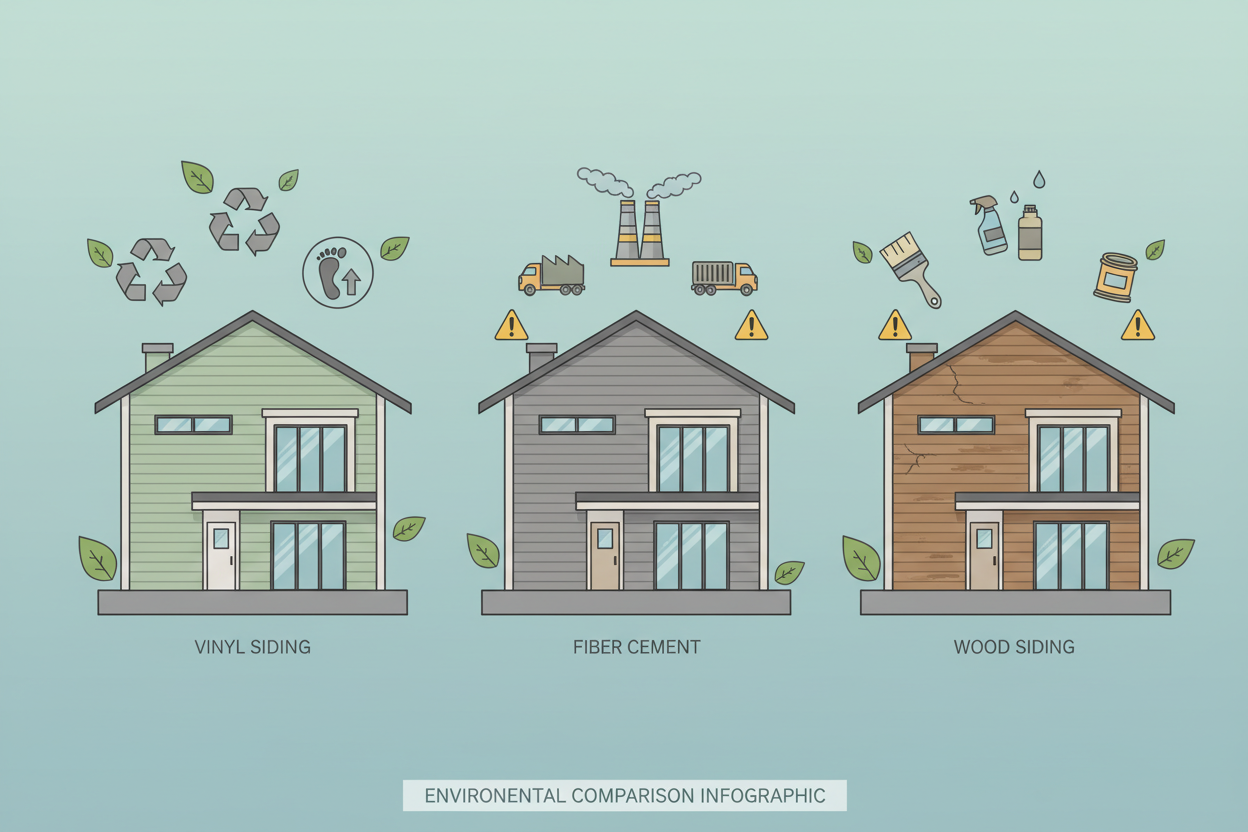
To truly understand vinyl siding’s sustainability profile, it’s helpful to compare it with alternative materials. Fiber cement siding, for instance, is made from more natural materials but requires significant energy to manufacture and is much heavier, increasing transportation impacts. Wood siding is renewable but requires ongoing maintenance with potentially harmful chemicals and has a shorter lifespan in many climates.
Metal siding, particularly aluminum, has excellent recyclability and durability but requires substantial energy to produce initially. Stone and brick are extremely durable but have high embodied energy and aren’t recyclable in the traditional sense.
Each material has its trade-offs, and the “most sustainable” choice often depends on your specific climate, local recycling infrastructure, and long-term maintenance preferences. What I’ve learned through my research is that there’s rarely a perfect answer – just informed choices based on your priorities and circumstances.
Industry Innovations and Future Outlook
The vinyl siding industry hasn’t been standing still when it comes to sustainability concerns. Several manufacturers are now incorporating recycled content into new siding products, with some brands containing up to 30% post-consumer recycled material. This approach reduces the demand for virgin PVC while creating a market for recycled content.
Manufacturing processes have also become more efficient over time. Modern production facilities use less energy and water than older plants, and many have implemented closed-loop water systems that minimize waste. Some manufacturers have also achieved certifications from organizations like the Sustainable Green Printing Partnership, demonstrating their commitment to environmental responsibility.
Looking ahead, research into bio-based alternatives to traditional PVC is ongoing. While these materials aren’t yet commercially viable for siding applications, they represent an interesting direction for future development. Additionally, improvements in recycling technology continue to make the process more efficient and cost-effective.
Practical Steps for Homeowners
If you’re considering vinyl siding or already have it on your home, there are several practical steps you can take to maximize its sustainability. First, choose high-quality products from manufacturers with established recycling programs. While the initial cost might be higher, better-quality siding lasts longer and often comes with stronger warranty protection.
When installation time comes, work with contractors who are familiar with proper installation techniques. Correctly installed vinyl siding not only performs better but also lasts longer, maximizing the environmental benefit of its extended lifespan. Ask your contractor about their waste management practices and whether they participate in recycling programs for construction waste.
If you’re replacing existing vinyl siding, don’t just throw it in the dumpster. Contact local recycling facilities or your siding manufacturer to inquire about recycling options. Some manufacturers offer take-back programs, while specialized recycling companies may accept vinyl siding for processing.
During the siding’s lifetime, proper maintenance – while minimal – can extend its lifespan significantly. Regular cleaning and prompt repair of any damage helps ensure you get the maximum service life from your investment.
Making an Informed Decision
After diving deep into the research, I’ve come to appreciate that vinyl siding recycling and sustainability isn’t a black-and-white issue. Yes, vinyl siding is recyclable, though the infrastructure could be better. Yes, it has environmental impacts, but so do all building materials. The key is understanding these trade-offs and making decisions based on your specific situation and values.
For many homeowners, vinyl siding represents a reasonable balance of affordability, durability, and environmental impact. Its long lifespan, low maintenance requirements, and improving recyclability make it a viable option for those seeking sustainable building materials. However, it’s not the right choice for everyone, and that’s okay too.
The most sustainable choice is often the one that best fits your long-term needs, local climate, and maintenance capabilities. A material that lasts longer in your specific environment, requires less maintenance, and can be properly recycled at the end of its life is generally more sustainable than a theoretically “greener” option that needs frequent replacement or extensive upkeep.
Frequently Asked Questions
Can vinyl siding be recycled through curbside pickup programs?
No, most curbside recycling programs don’t accept vinyl siding. However, many manufacturers and specialized facilities offer recycling programs specifically for vinyl siding. Contact your siding manufacturer or local waste management company for options in your area.
How long does vinyl siding typically last?
Quality vinyl siding can last 30-40 years or more with proper installation and minimal maintenance. Some premium products come with warranties extending up to 50 years, though the actual lifespan depends on climate conditions and installation quality.
Is vinyl siding made from recycled materials?
Many modern vinyl siding products contain recycled content, typically ranging from 10-30% post-consumer recycled PVC. This percentage varies by manufacturer and product line, so check with specific brands for their recycled content information.
What happens to vinyl siding waste during installation?
Installation waste can often be recycled through the same programs that handle post-consumer siding. Many contractors participate in waste reduction programs, and some manufacturers offer take-back programs for installation scraps. Ask your contractor about their waste management practices.
Are there environmental certifications for vinyl siding?
While vinyl siding itself rarely carries environmental certifications like LEED points, some manufacturers have achieved certifications for their manufacturing processes. Additionally, properly installed vinyl siding can contribute to a home’s overall energy efficiency, which may help with green building certifications.
How does vinyl siding compare to other materials environmentally?
Each siding material has different environmental impacts. Vinyl’s main advantages are its longevity, low maintenance requirements, and improving recyclability. However, materials like responsibly sourced wood or recycled metal may be preferable in certain situations. The best choice depends on your specific climate, maintenance preferences, and local recycling infrastructure.






How much does it cost for vinyl replacement windows Savoy Texas



How much does it cost for vinyl replacement windows Lavon Texas















Home replacement window companies Mesquite Texas


How much does it cost for vinyl replacement windows Forney Texas




Affordable home window replacement Mckinney Texas











Affordable home window replacement Fairview Texas






North Richland Hills TX Replacement Siding Near Me


Lakewood Dallas TX Estimate For Siding Replacement






Howe TX Replacement Siding Installation Services