Vinyl Siding Replacement: Choosing the Right Backing Material
When it comes to vinyl siding replacement, most homeowners focus on color, style, and curb appeal. However, there’s a crucial component hiding behind your beautiful new siding that deserves just as much attention: the backing material. Think of it as the foundation of your home’s exterior protection system. The right backing material can mean the difference between a siding installation that lasts decades and one that leaves you dealing with moisture problems, energy inefficiency, and premature wear.
Whether you’re a first-time homeowner planning a major renovation or someone who’s been through the siding replacement process before, understanding your backing material options will help you make an informed decision that protects your investment for years to come.
Understanding Vinyl Siding Backing Materials
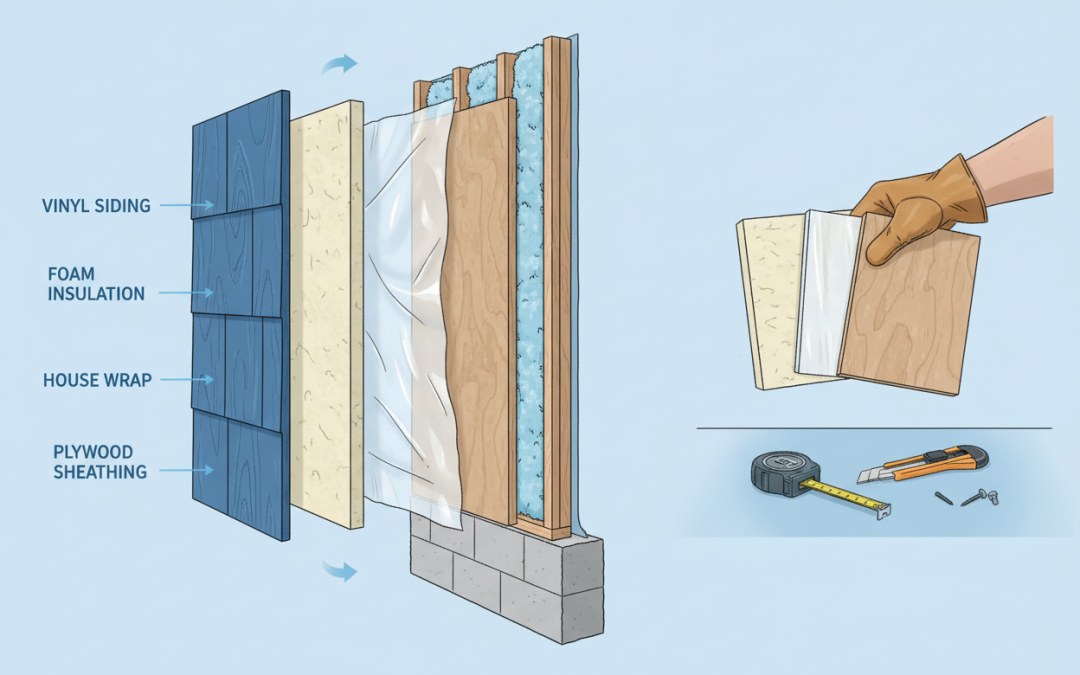
Backing materials serve as the intermediary layer between your home’s structural sheathing and the vinyl siding itself. This isn’t just empty space we’re talking about – it’s a critical component that affects insulation, moisture management, and the overall performance of your siding system.
The backing material essentially acts as a buffer zone, providing additional thermal protection while creating a smooth, even surface for your vinyl siding installation. Without proper backing, you might notice temperature fluctuations inside your home, condensation issues, or even structural problems down the road.
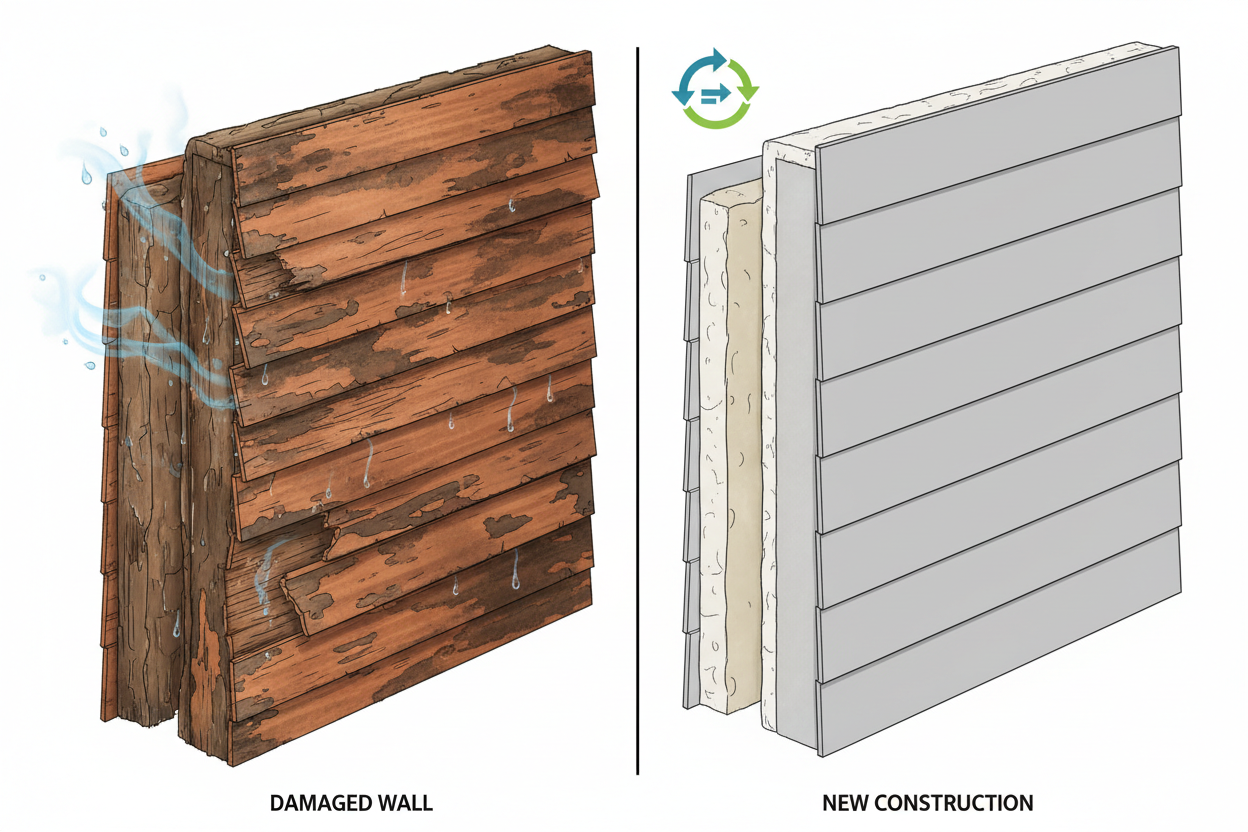
Modern backing materials have evolved significantly from the simple approaches used decades ago. Today’s options incorporate advanced materials science, offering superior performance characteristics that can dramatically improve your home’s energy efficiency and comfort levels.
Foam Board Insulation: The Popular Choice
Foam board insulation has become increasingly popular among contractors and homeowners alike, and for good reason. This lightweight yet effective backing material typically comes in thicknesses ranging from half an inch to two inches, with the most common being three-quarter inch for residential applications.
The primary advantage of foam board backing is its excellent insulation properties. It creates a continuous thermal barrier that helps eliminate thermal bridging – those pesky spots where heat transfers through structural elements like studs. This continuous coverage can reduce your heating and cooling costs by up to 20 percent, depending on your home’s current insulation levels.
Installation-wise, foam board backing is relatively straightforward. It cuts easily with standard tools and conforms well to most wall surfaces. However, it’s worth noting that foam board can be more expensive upfront compared to other backing options, though many homeowners find the energy savings justify the initial investment.
One consideration with foam board is its environmental impact during manufacturing. While it provides excellent performance, some homeowners prefer more eco-friendly alternatives, which we’ll explore in the following sections.
House Wrap: Traditional Protection
House wrap has been a staple in the construction industry for decades, and it remains a solid choice for vinyl siding backing. This synthetic material, typically made from spun polyethylene or polypropylene, creates a weather-resistant barrier that allows moisture vapor to escape while preventing liquid water from entering.
The main strength of house wrap lies in its moisture management capabilities. It’s particularly effective in climates with significant rainfall or humidity, where moisture control becomes a primary concern. Quality house wrap products are designed to be breathable, allowing your home’s walls to dry out naturally while maintaining protection from external moisture.
From a cost perspective, house wrap is generally the most budget-friendly backing option. It’s also relatively quick to install, which can help keep labor costs down during your siding replacement project. Many experienced contractors are highly familiar with house wrap installation, reducing the likelihood of installation errors.
However, house wrap doesn’t provide the same level of thermal insulation as foam board options. If energy efficiency is your primary concern, you might need to consider additional insulation measures or explore combination approaches that incorporate both house wrap and insulating materials.
Reflective Barriers: Advanced Temperature Control
Reflective barriers represent a more specialized approach to siding backing, utilizing aluminum foil or metallized plastic films to reflect radiant heat away from your home’s exterior walls. This technology has gained traction in warmer climates where cooling costs represent a significant portion of energy expenses.
The science behind reflective barriers is straightforward: they work by reflecting up to 97 percent of radiant heat, preventing it from penetrating your home’s envelope. During hot summer months, this can result in noticeably cooler interior temperatures and reduced air conditioning loads.
Installation of reflective barriers requires careful attention to detail. The reflective surface must face the appropriate direction – typically outward when used behind siding – and proper air gaps must be maintained for optimal performance. Some products combine reflective materials with foam cores, offering both radiant heat reflection and traditional insulation properties.
While reflective barriers excel in hot climates, their effectiveness in colder regions is more limited. They’re also typically more expensive than basic house wrap, though less costly than thick foam board insulation. Consider your local climate conditions carefully when evaluating this option.
Factors to Consider When Choosing Backing Material
Your local climate should be the primary factor driving your backing material decision. Homes in cold northern climates benefit most from insulating foam boards that help retain heat during long winters. Conversely, properties in hot southern regions might see greater benefits from reflective barriers that reduce cooling loads.
Budget considerations extend beyond just material costs. While foam board backing might cost more initially, the long-term energy savings could offset the higher upfront investment. Calculate potential energy savings based on your current utility bills and local energy costs to make an informed financial decision.
Your home’s existing insulation levels also play a crucial role. If your walls already have adequate insulation, adding foam board backing might provide diminishing returns. However, if your home lacks sufficient insulation, backing materials can help bridge that gap and improve overall thermal performance.
Consider the age and condition of your home’s exterior sheathing as well. Older homes might benefit from the additional structural support that certain backing materials provide, while newer construction might only require basic moisture protection.
Installation Best Practices
Proper installation is crucial regardless of which backing material you choose. The backing must be installed with appropriate overlap at seams, typically 6 inches for house wrap and according to manufacturer specifications for foam products. All seams should be sealed with compatible tape or sealant to maintain the integrity of the weather barrier.
Pay special attention to areas around windows, doors, and other penetrations. These locations require careful detailing to prevent moisture infiltration. Many backing material failures occur at these transition points, so don’t rush through these critical areas.
Ensure your contractor understands the specific requirements for your chosen backing material. Different products have different installation requirements, and mixing techniques from different systems can lead to performance issues or warranty voids.
Quality control during installation involves regular inspection of the backing material for tears, gaps, or other defects before the vinyl siding installation begins. Once the siding is in place, accessing and repairing backing material problems becomes much more difficult and expensive.
Long-term Performance and Maintenance
Quality backing materials are designed to last for decades with minimal maintenance requirements. However, understanding what to expect over time helps you monitor your siding system’s performance and address any issues before they become major problems.
Foam board backing typically maintains its insulating properties throughout its lifespan, though physical damage from impacts or settling can create gaps that reduce effectiveness. House wrap may experience some degradation from UV exposure if improperly installed or if siding gaps allow sunlight penetration.
Regular exterior inspections can help identify potential backing material issues. Look for signs of moisture infiltration, such as staining or mold growth, which might indicate compromised backing performance. Also watch for areas where the siding appears to be pulling away from the wall, which could suggest backing material failure.
Most quality backing materials come with substantial warranties, often ranging from 15 to 30 years. Keep your installation documentation and warranty information in a safe place, as this coverage can provide valuable protection for your investment.
Cost Analysis and Return on Investment
Understanding the financial implications of different backing materials helps you make a decision that aligns with your budget and long-term goals. Basic house wrap typically adds $0.50 to $1.00 per square foot to your siding project, while foam board backing can range from $1.50 to $3.00 per square foot, depending on thickness and quality.
Energy savings from insulating backing materials vary based on your home’s current efficiency, local climate, and energy costs. In many cases, homeowners see annual savings of $200 to $800 on heating and cooling costs, meaning the additional investment in quality backing materials pays for itself within 5 to 10 years.
Don’t forget to factor in potential increases to your home’s resale value. Energy-efficient improvements, including quality siding systems with proper backing materials, are increasingly attractive to home buyers and can contribute to higher selling prices when you eventually move.
Some utility companies and government programs offer rebates or incentives for energy-efficient home improvements. Research available programs in your area, as these incentives can help offset the initial cost of premium backing materials.
Frequently Asked Questions
Q: Can I install backing material over existing siding?
A: Generally, no. Backing materials should be installed directly against your home’s sheathing, which requires removal of existing siding. Attempting to install backing over old siding can create moisture traps and reduce the effectiveness of both the backing and the new siding system.
Q: How thick should foam board backing be for optimal performance?
A: For most residential applications, 3/4-inch foam board provides an excellent balance of thermal performance and cost-effectiveness. Thicker options like 1-inch or 1.5-inch boards offer better insulation but at higher costs. Your local climate and existing insulation levels should guide this decision.
Q: Is house wrap necessary if I’m using foam board backing?
A: Many foam board products include integrated weather barriers, eliminating the need for separate house wrap. However, some contractors prefer using both for maximum moisture protection. Check your foam board manufacturer’s specifications and local building codes for guidance.
Q: Can backing materials help with noise reduction?
A: Yes, certain backing materials, particularly foam boards, can provide some sound dampening benefits. While not as effective as dedicated acoustic insulation, they can help reduce exterior noise transmission, especially from traffic or neighbors.
Q: How do I know if my current backing material needs replacement?
A: Signs include visible moisture damage, increased energy bills, drafts near exterior walls, or physical deterioration of the material itself. If your siding is being replaced due to age or damage, it’s often wise to evaluate and potentially upgrade the backing material at the same time.
Q: Are there eco-friendly backing material options?
A: Yes, several manufacturers offer backing materials made from recycled content or renewable resources. Some house wraps incorporate recycled plastics, while certain foam boards use more environmentally friendly blowing agents. Research specific products if environmental impact is a priority for your project.
Choosing the right backing material for your vinyl siding replacement isn’t just about checking a box in the installation process – it’s about making a strategic decision that affects your home’s comfort, efficiency, and long-term performance. Whether you opt for the thermal benefits of foam board, the proven moisture protection of house wrap, or the advanced heat reflection of specialized barriers, the key is matching your choice to your specific needs, climate, and budget. Take the time to discuss options with qualified contractors, research local building codes, and consider the long-term benefits of investing in quality backing materials. Your future self will thank you when you’re enjoying lower energy bills and a more comfortable home for decades to come.










Affordable home window replacement Little Elm Texas













How much does it cost for vinyl replacement windows Greenville Texas






Home replacement window companies Kennedale Texas

Home replacement window companies Fairview Texas




How much does it cost for vinyl replacement windows Quinlan Texas





Energy-efficient vinyl windows Mobile City Texas