
Vinyl Siding Replacement: Dealing with Woodpecker Damage
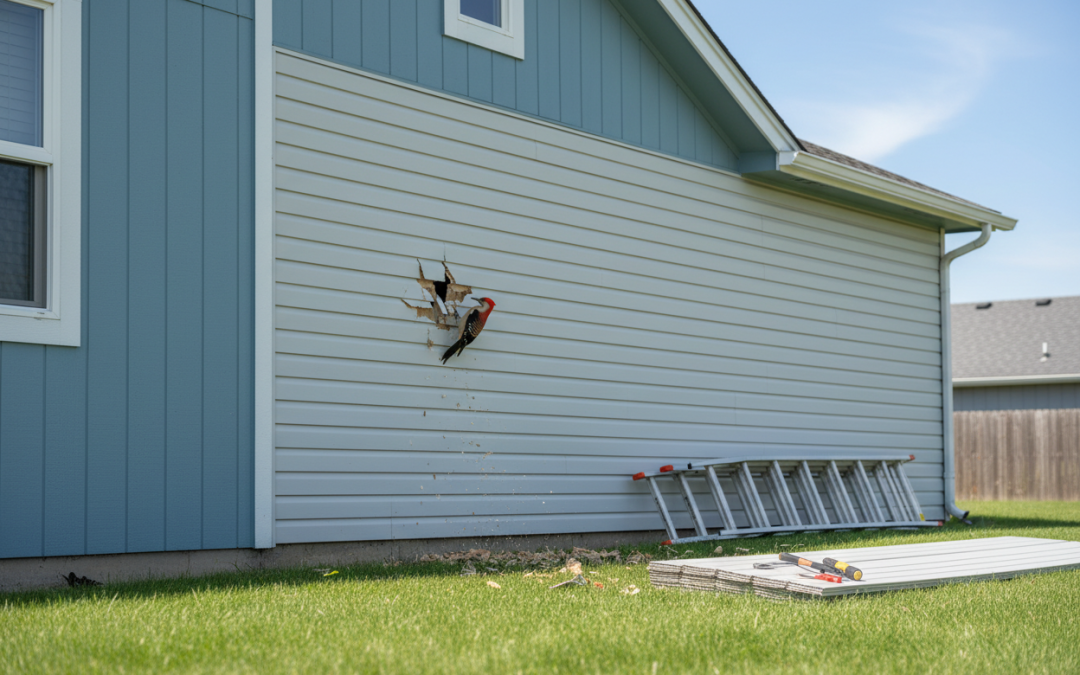
Picture this: you’re enjoying your morning coffee when you hear that distinctive rat-a-tat-tat sound coming from outside. You peer out the window, and there it is – a woodpecker enthusiastically drilling holes into your beautiful vinyl siding. While these feathered percussionists might be fascinating to watch in nature documentaries, they’re considerably less charming when they’re turning your home’s exterior into Swiss cheese.
Woodpecker damage to vinyl siding is more common than you might think, and it can be both frustrating and costly to address. These persistent birds don’t discriminate when it comes to their drumming surfaces, and unfortunately, your home’s siding can become their preferred practice pad. The good news? Understanding why this happens and knowing how to address the damage can save you time, money, and future headaches.

Why Woodpeckers Target Vinyl Siding
Before diving into replacement strategies, it’s crucial to understand what attracts woodpeckers to vinyl siding in the first place. Contrary to popular belief, these birds aren’t just being destructive for the sake of it – they’re actually following their natural instincts.
Woodpeckers typically peck at surfaces for three main reasons: foraging for insects, creating nesting sites, or establishing territory through drumming. When it comes to vinyl siding, the hollow space behind the panels can create an amplified sound that’s particularly attractive for territorial drumming. Additionally, insects often take refuge in the gaps and crevices around siding, making your home an all-you-can-eat buffet.
The texture and flexibility of vinyl can also feel similar to tree bark under a woodpecker’s beak, further encouraging their attention. Some homeowners have noticed that certain colors seem to attract woodpeckers more than others, with lighter shades sometimes drawing more interest, though this varies by species and individual bird behavior.
Assessing the Extent of Woodpecker Damage
Not all woodpecker damage requires complete siding replacement. The extent of the damage will largely determine your course of action, so it’s important to conduct a thorough assessment before making any decisions.
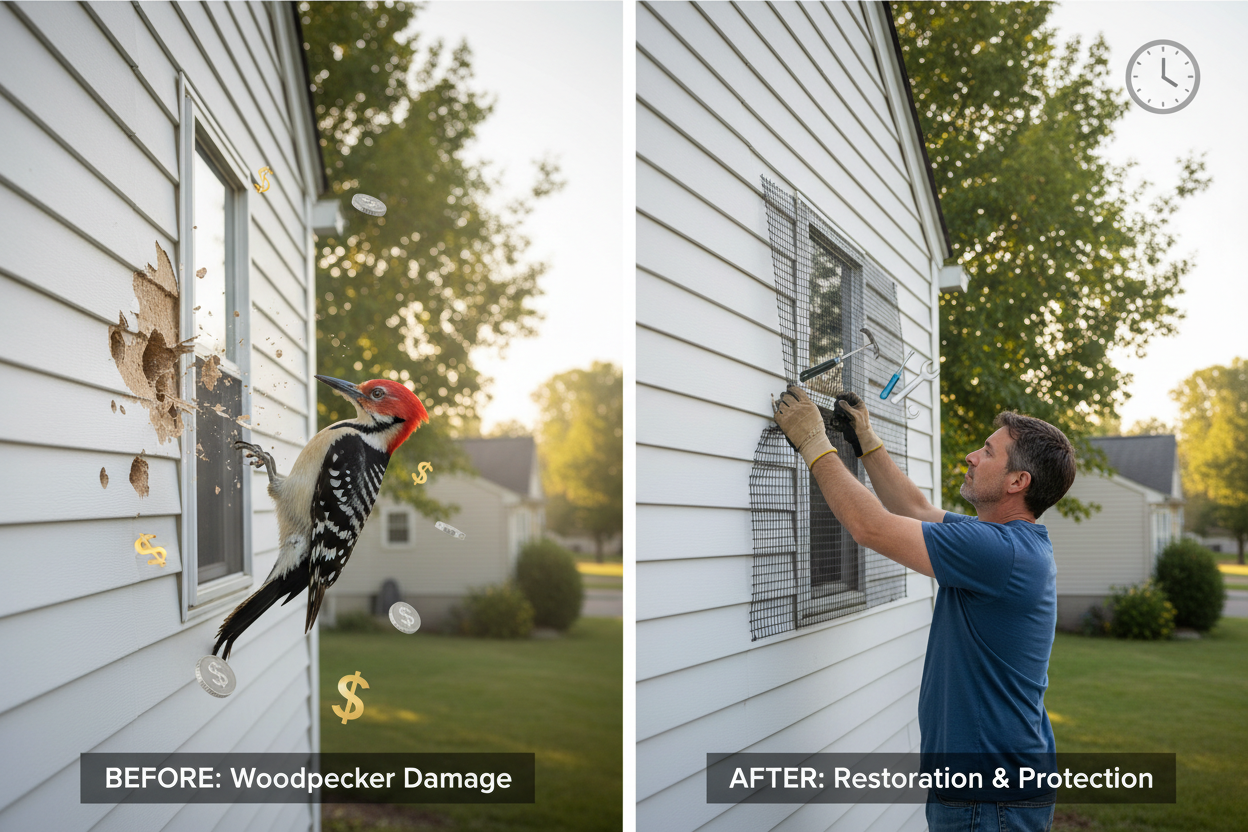
Start by examining the affected areas closely. Small, scattered holes might be repairable with patches or caulk, while extensive damage with large holes or multiple damaged panels will likely require replacement. Pay particular attention to the structural integrity of the siding – if the damage has compromised the panel’s ability to protect your home from weather, replacement becomes necessary.
Check for secondary damage as well. Sometimes woodpecker holes can allow moisture to penetrate behind the siding, potentially leading to rot, mold, or insulation problems. Look for signs of water damage around the affected areas, including discoloration, soft spots, or musty odors.
Document the damage with photographs from multiple angles. This documentation will be valuable for insurance claims and will help contractors provide accurate estimates for repair or replacement work.
When Repair vs. Replacement Makes Sense
The decision between repairing existing siding and complete replacement depends on several factors beyond just the visible damage. Consider the age of your current siding, the extent of the damage, and your long-term plans for the property.
Minor damage with just a few small holes can often be successfully repaired using vinyl siding patches or specialized fillers. These repairs work best when the surrounding siding is in good condition and the damage is limited to a small area. However, keep in mind that color matching can be challenging, especially if your siding has faded over time.
Replacement becomes the better option when damage is extensive, when multiple panels are affected, or when the siding is already showing signs of age-related wear. If your siding is more than 15-20 years old and showing other issues like cracking, warping, or fading, woodpecker damage might be the perfect excuse to upgrade your entire exterior.
Consider the cost-effectiveness as well. Sometimes the cost of multiple repairs can approach the cost of replacement, making the latter a more sensible long-term investment.
Choosing the Right Replacement Materials
If replacement is your chosen path, selecting the right materials can help prevent future woodpecker problems while improving your home’s appearance and protection. Modern vinyl siding offers numerous advantages over older versions, including better durability, improved weather resistance, and enhanced aesthetic options.
Look for thicker gauge vinyl siding, which is more resistant to impact damage and provides better insulation properties. Some manufacturers now offer siding specifically designed to be more resistant to wildlife damage, featuring reinforced construction and less appealing textures for pecking birds.
Consider the backing material as well. Insulated vinyl siding, which includes a foam backing, can reduce the hollow sound that attracts woodpeckers while providing additional energy efficiency benefits. This type of siding creates a more solid feel and sound, making it less attractive to territorial drumming.
Color choice might also play a role in prevention. While there’s no guarantee, some homeowners have found success with earth tones or darker colors that seem less appealing to local woodpecker populations. Consult with local wildlife experts or your siding contractor about color recommendations specific to your area.
Professional Installation Considerations
While some handy homeowners might be tempted to tackle siding replacement as a DIY project, woodpecker damage repair often involves additional considerations that make professional installation worthwhile.
Experienced contractors can identify and address underlying issues that might have contributed to the woodpecker problem, such as insect infestations or structural problems that create attractive nesting conditions. They can also ensure proper installation techniques that minimize future vulnerability.
Professional installation typically includes proper weatherproofing and sealing, which is crucial in areas where woodpecker damage has potentially compromised your home’s weather barrier. Contractors can also install additional protective measures, such as hardware cloth or other deterrents, as part of the replacement process.
When selecting a contractor, look for those with specific experience dealing with wildlife damage. They’ll understand the unique challenges involved and can recommend prevention strategies tailored to your specific situation.
Prevention Strategies for Future Protection
Replacing damaged siding is only half the battle – preventing future woodpecker damage is equally important. Fortunately, several effective strategies can help protect your investment.
Physical deterrents can be highly effective when properly installed. Lightweight netting or hardware cloth can be temporarily installed over vulnerable areas during peak woodpecker activity seasons. These materials create a barrier while remaining relatively unobtrusive.
Visual and auditory deterrents can also help. Reflective tape, wind chimes, or decoy predators can discourage woodpeckers from establishing territory around your home. However, these methods often require regular repositioning to maintain effectiveness, as woodpeckers can become accustomed to stationary deterrents.
Address the root causes by eliminating insect problems around your home’s exterior. Regular pest control treatments can reduce the food sources that initially attract woodpeckers to your siding. Keep trees and shrubs trimmed back from your house to reduce convenient perching spots near your siding.
Consider providing alternative attractions for woodpeckers in your yard. Installing proper woodpecker houses or leaving dead trees (if safe) in less problematic areas can give these birds appropriate outlets for their natural behaviors.
Insurance and Cost Considerations
Understanding the financial aspects of woodpecker damage repair can help you make informed decisions about your approach. Many homeowners are surprised to learn that their insurance coverage for wildlife damage varies significantly between policies.
Standard homeowner’s insurance policies often cover sudden and accidental damage, which might include woodpecker damage depending on your specific policy language. However, damage that occurs over time or could have been prevented might not be covered. Review your policy carefully and contact your insurance agent to understand your coverage.
When filing a claim, thorough documentation is essential. Include photographs of the damage, any evidence of the woodpeckers themselves, and records of any previous prevention attempts. Some insurers might require proof that the damage was sudden rather than gradual.
Even if insurance doesn’t cover the full cost, the investment in quality replacement siding often pays dividends in improved energy efficiency, reduced maintenance needs, and enhanced property value. Consider the long-term benefits when evaluating the cost of replacement versus repeated repairs.
Conclusion
Dealing with woodpecker damage to vinyl siding can feel overwhelming, but with the right approach, it’s entirely manageable. Whether you’re facing minor holes that need patching or extensive damage requiring full replacement, understanding your options helps you make the best decision for your home and budget.
Remember that successful resolution involves both addressing the current damage and implementing prevention strategies for the future. Quality replacement materials, professional installation, and thoughtful deterrent measures can protect your home from future woodpecker encounters while improving its overall performance and appearance.
Most importantly, don’t delay addressing woodpecker damage. What starts as a few small holes can quickly escalate into more serious problems if left untreated. By taking prompt action and implementing comprehensive solutions, you can restore your home’s exterior and enjoy peace of mind knowing it’s protected against future feathered visitors.
Frequently Asked Questions
Q: How quickly should I address woodpecker damage to my vinyl siding?
A: You should address woodpecker damage as soon as possible. Even small holes can allow moisture to penetrate behind the siding, potentially leading to more serious structural problems. Additionally, untreated damage often attracts more woodpecker activity, making the problem worse over time.
Q: Will homeowner’s insurance cover woodpecker damage to vinyl siding?
A: Coverage varies significantly between insurance policies. Many standard policies cover sudden and accidental wildlife damage, but gradual or preventable damage might not be covered. Contact your insurance agent to review your specific policy language and understand your coverage options.
Q: Can I repair small woodpecker holes myself, or do I need a professional?
A: Small holes can sometimes be repaired with vinyl patching kits or specialized fillers, but the results vary depending on the size and location of the damage. Professional repair often provides better long-term results and can address underlying issues that might have contributed to the problem.
Q: What’s the best way to prevent woodpeckers from returning after siding replacement?
A: Effective prevention typically involves multiple strategies: eliminating insect problems that attract woodpeckers, installing physical deterrents like netting during peak seasons, using visual or auditory deterrents, and choosing siding materials that are less attractive to woodpeckers, such as insulated vinyl with foam backing.
Q: How much does it typically cost to replace vinyl siding damaged by woodpeckers?
A: Costs vary widely depending on the extent of damage, quality of replacement materials, and local labor rates. Minor repairs might cost a few hundred dollars, while extensive replacement can range from several thousand to tens of thousands of dollars. Get multiple quotes from experienced contractors for accurate estimates specific to your situation.
Q: Are certain colors of vinyl siding more attractive to woodpeckers?
A: While research is limited, some homeowners and wildlife experts report that lighter colors might attract more woodpecker attention, though this varies by species and individual bird behavior. Earth tones and darker colors are sometimes recommended, but no color choice guarantees complete protection.








How much does it cost for vinyl replacement windows Southmayd Texas








How much does it cost for vinyl replacement windows Frisco Texas










Home replacement window companies Princeton Texas








Home window replacement near me Pilot Point Texas



















Parker TX Replacement Siding Installation Services


Preston Hollow Dallas TX Replacement Vinyl Siding