
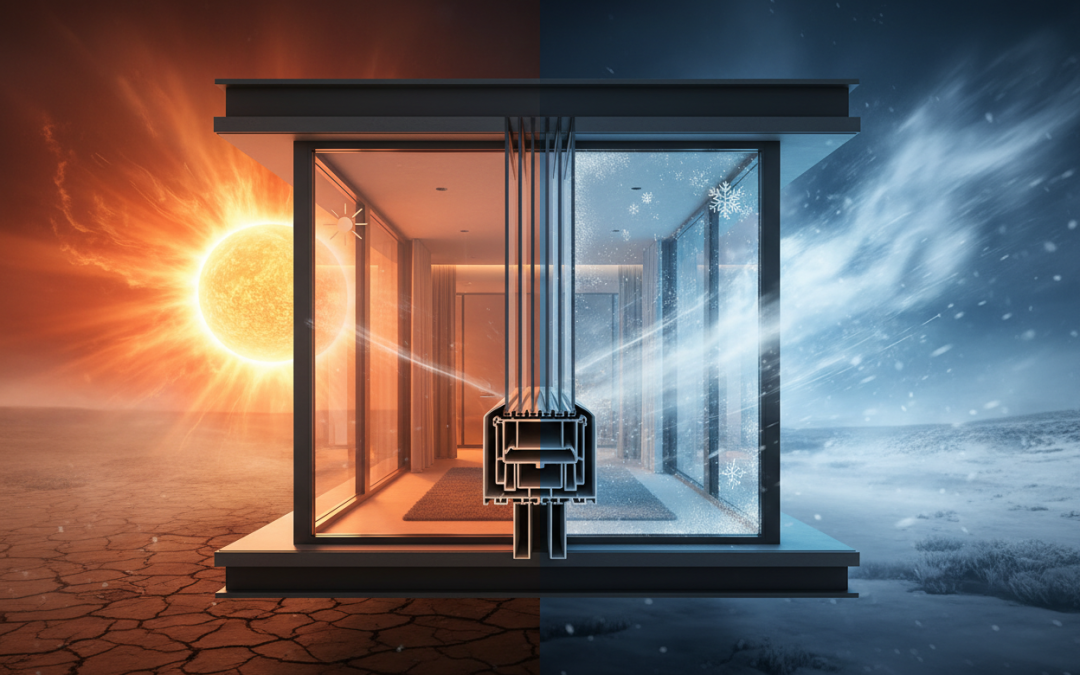
Window Replacement for Extreme Climate Conditions: Your Ultimate Guide to Weather-Resistant Windows
Living in an area with extreme weather conditions can feel like Mother Nature is constantly testing your home’s defenses. Whether you’re battling scorching desert heat, bone-chilling arctic winds, or hurricane-force storms, your windows serve as the first line of defense against these harsh elements. I’ve seen countless homeowners struggle with energy bills that skyrocket during peak seasons, only to discover that their outdated windows were the culprit all along.
The reality is that standard windows simply aren’t built to handle extreme climates effectively. They leak air, allow moisture infiltration, and can even fail catastrophically during severe weather events. That’s where specialized window replacement comes into play – and trust me, it’s one of the smartest investments you can make for your home’s comfort, safety, and long-term value.
Understanding Extreme Climate Challenges for Windows
Before diving into solutions, let’s talk about what extreme climates actually do to your windows. I’ve worked with homeowners across various climate zones, and the damage patterns are remarkably consistent yet uniquely challenging.
In regions with extreme temperature fluctuations, windows expand and contract repeatedly, causing seals to fail and frames to warp. Desert climates present their own set of problems – intense UV radiation can degrade window materials, while sudden temperature drops at night create thermal stress. Meanwhile, areas prone to severe storms need windows that can withstand high winds and flying debris without compromising the home’s structural integrity.
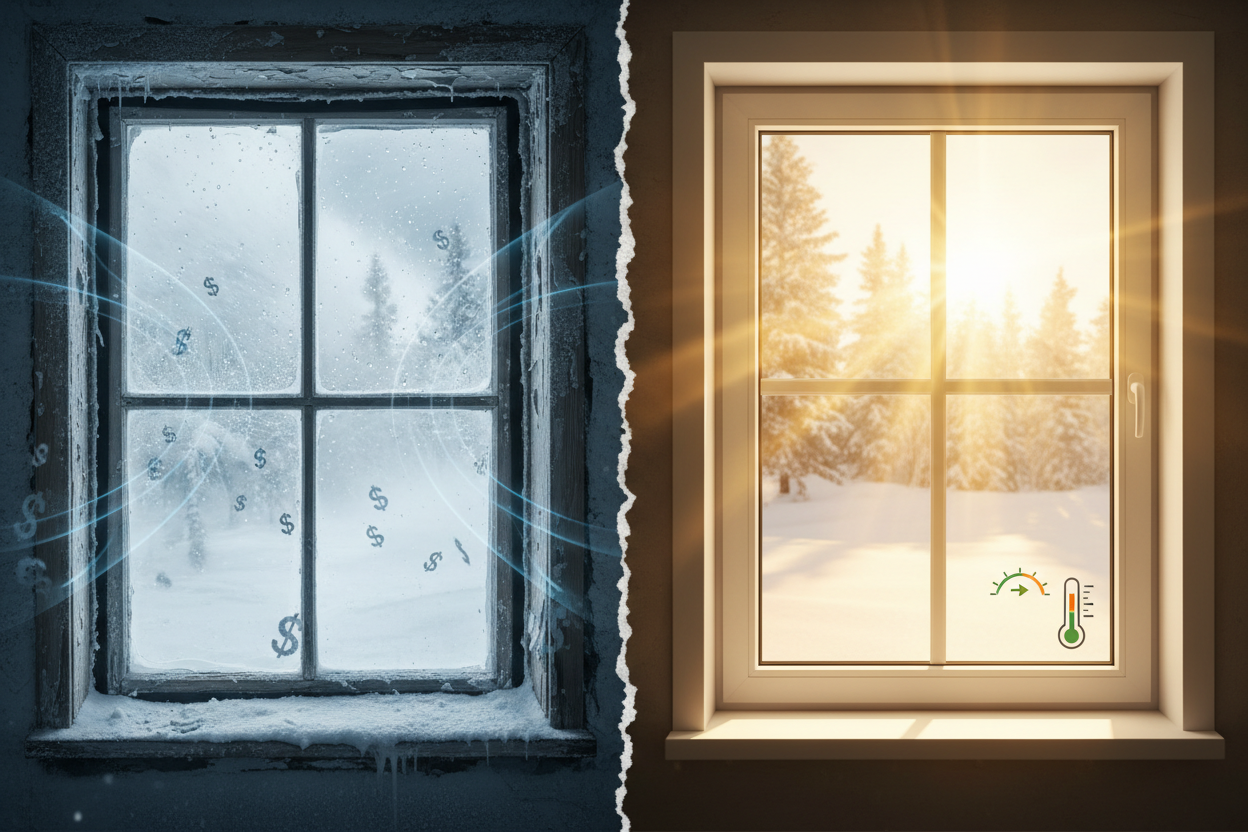
The moisture factor cannot be overlooked either. High humidity climates can cause condensation issues that lead to mold growth and frame rot, while extremely dry conditions can cause materials to become brittle and crack. Each of these challenges requires specific window features and materials to address effectively.
Essential Features for Extreme Weather Windows
When selecting windows for harsh climates, certain features become absolutely non-negotiable. Multi-pane glazing systems, typically triple-pane for the most extreme conditions, provide superior insulation and temperature control. The space between panes is usually filled with argon or krypton gas, which offers better insulating properties than regular air.
Low-emissivity (Low-E) coatings are another game-changer. These microscopic metallic layers reflect heat while allowing light to pass through, helping maintain comfortable indoor temperatures year-round. For areas with intense sun exposure, specialized coatings can block up to 99% of harmful UV rays while still maintaining excellent visibility.
Frame materials matter enormously in extreme climates. Vinyl frames with reinforced construction offer excellent insulation and weather resistance, while fiberglass frames provide superior strength and minimal thermal expansion. For coastal areas dealing with salt air, corrosion-resistant materials become essential to prevent premature deterioration.
Window Materials That Withstand Harsh Weather
The choice of window materials can make or break your home’s performance in extreme weather. I’ve seen aluminum frames fail miserably in cold climates due to their high thermal conductivity, while wood frames in humid areas can rot within just a few years without proper treatment.
Fiberglass windows have emerged as a top choice for extreme climates because they expand and contract at nearly the same rate as glass, reducing stress on seals and hardware. They’re also incredibly durable – I’ve inspected fiberglass windows that have weathered decades of harsh conditions with minimal maintenance requirements.
For glass selection, tempered and laminated options provide enhanced safety and durability. Impact-resistant glass, which combines multiple layers with a special interlayer, can withstand significant force without shattering. This is particularly crucial in hurricane-prone areas where flying debris poses a constant threat during storm season.
Energy Efficiency in Extreme Temperatures
Energy efficiency becomes critical when your HVAC system is working overtime to combat extreme temperatures. The right windows can reduce your energy consumption by 25-30%, which translates to substantial savings over time. I’ve had clients report cutting their utility bills in half after upgrading to high-performance windows designed for their specific climate challenges.
The key lies in understanding thermal performance ratings. Look for windows with low U-factors for cold climates – this measures how well the window prevents heat from escaping. For hot climates, focus on Solar Heat Gain Coefficient (SHGC) ratings, which indicate how much solar heat the window blocks.
Proper installation is equally important for energy efficiency. Even the best windows will underperform if they’re not installed correctly. This includes proper sealing, flashing, and ensuring the window sits perfectly square in the opening. Poor installation can create thermal bridges that negate all the energy-saving benefits of your new windows.
Storm-Resistant and Impact-Resistant Options
For areas prone to severe storms, standard windows simply won’t cut it. Storm-resistant windows undergo rigorous testing to ensure they can withstand high winds and impact from debris. These windows must pass specific building codes, such as the Miami-Dade County requirements, which are among the strictest in the nation.
Impact-resistant windows feature laminated glass that holds together even when cracked, similar to automotive windshields. The frames are typically reinforced with additional hardware and stronger materials to handle the increased stress during storm events. While these windows cost more upfront, they can save thousands in potential damage and may even reduce your insurance premiums.
Hurricane shutters provide an additional layer of protection, but many homeowners prefer the convenience of impact-resistant windows that provide year-round protection without the need for seasonal installation and removal of shutters.
Installation Considerations for Harsh Climates
Proper installation becomes even more critical in extreme climates where any weakness can lead to significant problems. The installation process must account for thermal expansion, moisture management, and structural integrity under stress conditions.
Flashing and weatherproofing require extra attention in harsh climates. I always recommend using high-quality sealants and weatherstripping that can handle temperature extremes without degrading. The rough opening preparation is also crucial – it must be perfectly square and properly sized to accommodate thermal movement.
Timing the installation matters too. In extremely cold climates, installations should be scheduled during milder weather when materials are more pliable and workers can perform detailed work effectively. Similarly, in extremely hot climates, early morning installations help ensure proper sealant curing and worker safety.
Cost Factors and Long-Term Value
While extreme climate windows require a higher initial investment, the long-term value proposition is compelling. Beyond energy savings, these windows often qualify for various rebates and tax incentives. Many utility companies offer rebates for energy-efficient window installations, and federal tax credits may apply for certain high-performance windows.
The durability factor cannot be overstated. Quality extreme weather windows can last 20-30 years with minimal maintenance, compared to standard windows that may need replacement every 10-15 years in harsh conditions. This longevity, combined with energy savings and potential insurance benefits, often makes the investment pay for itself over time.
Property value increases are another consideration. Homes with high-performance windows designed for local climate conditions typically see higher resale values and sell faster than those with standard windows. Buyers increasingly recognize the value of energy-efficient, weather-resistant features.
Maintenance Tips for Extreme Weather Windows
Even the best extreme weather windows require regular maintenance to perform optimally. However, the maintenance requirements are typically less intensive than standard windows because of their superior construction and materials.
Regular cleaning of tracks and hardware helps ensure smooth operation, especially in dusty or sandy environments. Inspecting and replacing weatherstripping every few years maintains the seal integrity. In coastal areas, rinsing frames with fresh water helps remove salt buildup that can cause corrosion over time.
Seasonal inspections should focus on checking for any signs of seal failure, such as condensation between panes or drafts around the frame. Catching these issues early prevents more significant problems and maintains the window’s performance characteristics.
Conclusion
Investing in proper window replacement for extreme climate conditions isn’t just about comfort – it’s about protecting your home, reducing energy costs, and ensuring your family’s safety during severe weather events. The technology and materials available today make it possible to create a comfortable indoor environment regardless of what Mother Nature throws at your home.
While the upfront costs may seem significant, the combination of energy savings, increased durability, potential insurance benefits, and improved home value makes extreme weather windows a smart long-term investment. The key is working with experienced professionals who understand your local climate challenges and can recommend the right solutions for your specific situation.
Don’t wait for the next extreme weather event to expose your current windows’ weaknesses. Start planning your window replacement project now, and enjoy the peace of mind that comes with knowing your home is properly protected against whatever climate challenges lie ahead.
Frequently Asked Questions
How do I know if my current windows need replacement for extreme climate protection?
Signs include condensation between panes, drafts around frames, difficulty opening or closing, visible damage to seals or frames, and significantly higher energy bills during extreme weather periods. If your windows are over 15 years old and you live in an extreme climate zone, replacement is likely beneficial.
What’s the difference between hurricane windows and regular impact-resistant windows?
Hurricane windows must meet specific building codes for wind resistance and impact protection, typically requiring certification from agencies like Miami-Dade County. Regular impact-resistant windows may not meet these stringent requirements but still offer better protection than standard windows.
Can extreme weather windows help reduce my insurance premiums?
Many insurance companies offer discounts for homes with certified impact-resistant or storm-rated windows, especially in hurricane-prone areas. Contact your insurance provider to understand what certifications qualify for discounts and how much you might save.
How long does installation typically take for extreme weather windows?
Installation time varies based on the number of windows and complexity of the project, but typically ranges from one to three days for an average home. Extreme weather windows may require more careful installation procedures, potentially extending the timeline slightly.
Are there financing options available for extreme weather window replacement?
Yes, many window manufacturers and contractors offer financing programs. Additionally, some utility companies provide low-interest loans for energy-efficient upgrades, and there may be federal or local tax incentives available for qualifying window installations.
What maintenance is required for extreme weather windows?
Maintenance requirements are typically minimal but include regular cleaning of tracks and hardware, periodic inspection of seals and weatherstripping, and annual checks for any signs of damage or wear. Most extreme weather windows are designed for low maintenance compared to standard windows.







Home replacement window companies Mansfield Texas

Home replacement window companies Lancaster Texas






















How much does it cost for vinyl replacement windows Whitewright Texas


How much does it cost for vinyl replacement windows Mobile City Texas

Best home window replacement Preston Hollow Dallas Texas








Affordable home window replacement Josephine Texas

Affordable replacement windows Lake Dallas Texas












North Richland Hills TX Cost Of Siding Replacement