
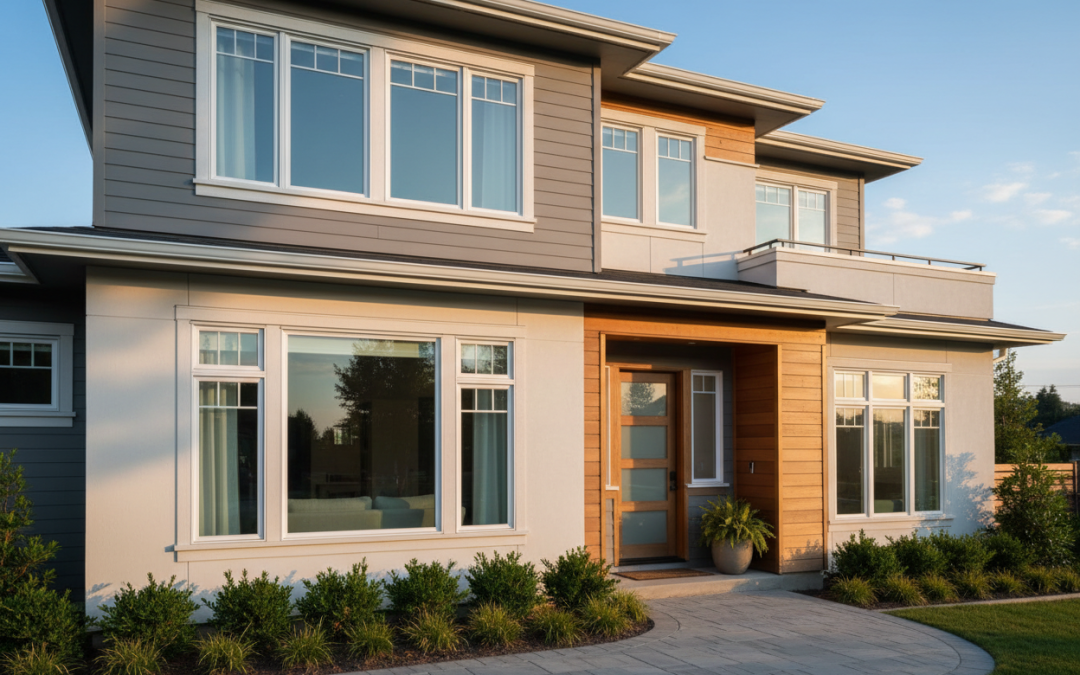
The Complete Guide to Choosing the Perfect Vinyl Windows for Your Home
When it comes to home improvement projects, few investments offer the same combination of aesthetic appeal, energy efficiency, and long-term value as replacing your windows. Among the various window materials available today, vinyl windows have emerged as the clear favorite for homeowners across the country. Whether you’re building a new home or upgrading your existing property, understanding how to choose the perfect vinyl windows can make all the difference in your comfort, energy bills, and home’s overall value.
Vinyl windows have revolutionized the window industry over the past few decades, offering an affordable yet high-performance alternative to traditional wood or aluminum frames. But with countless options available in the market, selecting the right vinyl windows for your specific needs can feel overwhelming. This comprehensive guide will walk you through everything you need to know to make an informed decision that you’ll be happy with for years to come.
Why Vinyl Windows Have Become the Top Choice for Homeowners
The popularity of vinyl windows isn’t just a trend – it’s based on solid practical benefits that matter to real homeowners. Unlike wood windows that require regular painting and maintenance, vinyl windows maintain their appearance year after year with minimal upkeep. They won’t rot, warp, or fade, even when exposed to harsh weather conditions.
From an energy efficiency standpoint, modern vinyl windows outperform many traditional alternatives. The multi-chambered design of quality vinyl frames provides excellent insulation, helping to keep your home comfortable while reducing heating and cooling costs. When you factor in the lower initial cost compared to wood or fiberglass windows, vinyl offers an unbeatable value proposition.
Additionally, vinyl windows come in an impressive array of styles, colors, and configurations, making it easy to find options that complement your home’s architectural style. Whether you prefer the classic look of double-hung windows or the contemporary appeal of casement windows, vinyl can deliver the aesthetic you’re seeking.
Understanding Different Types of Vinyl Windows
Before diving into the selection process, it’s important to understand the various types of vinyl windows available. Each style offers unique advantages and works better in certain applications.
Double-hung windows remain the most popular choice for traditional and colonial-style homes. Both the upper and lower sashes move vertically, providing excellent ventilation control and easy cleaning access. These windows work particularly well in bedrooms and living areas where you want the flexibility to control airflow from both the top and bottom.
Casement windows, which open outward with a crank mechanism, provide superior ventilation and an unobstructed view. They’re ideal for areas where you want to maximize natural light and airflow, such as kitchens and bathrooms. The tight seal when closed also makes them exceptionally energy-efficient.
Single-hung windows offer a more budget-friendly option while still providing the classic appearance of double-hung windows. Only the bottom sash moves, which simplifies the mechanism and reduces costs. Sliding windows work well in contemporary homes and areas where exterior space is limited, as they don’t project outward when opened.
Key Features to Look for in Quality Vinyl Windows
Not all vinyl windows are created equal, and understanding the key features that distinguish high-quality options from budget alternatives will help you make a smart investment. The frame construction is perhaps the most critical factor to consider. Look for windows with multi-chambered frames that provide superior insulation and structural strength.
The thickness of the vinyl material matters significantly. Premium windows typically use vinyl that’s at least 3mm thick, which provides better durability and insulation properties. Thinner vinyl may warp or become brittle over time, especially in extreme temperature conditions.
Hardware quality is another crucial consideration. Look for windows with heavy-duty locks, smooth-operating mechanisms, and corrosion-resistant finishes. The weatherstripping should be high-quality and properly installed to ensure a tight seal against air and water infiltration.
Glass options have evolved dramatically in recent years. Double-pane glass filled with argon gas provides excellent insulation, while Low-E coatings help reflect heat in summer and retain warmth in winter. Some manufacturers also offer triple-pane options for maximum energy efficiency in extreme climates.
Energy Efficiency Considerations for Vinyl Windows
Energy efficiency should be a top priority when selecting vinyl windows, as this directly impacts your comfort and utility bills. The National Fenestration Rating Council (NFRC) provides standardized ratings that make it easy to compare different windows’ energy performance.
The U-factor measures how well a window prevents heat from escaping. Lower numbers indicate better insulation, with the best vinyl windows achieving U-factors of 0.30 or lower. The Solar Heat Gain Coefficient (SHGC) measures how much solar heat passes through the window. In hot climates, you want a lower SHGC to reduce cooling costs, while colder regions benefit from higher values to take advantage of free solar heating.
Visible Light Transmittance (VLT) indicates how much natural light the window allows through. Balancing energy efficiency with natural light is important for maintaining a bright, comfortable living environment. Look for windows that achieve good energy performance without significantly reducing natural light transmission.
Consider your local climate when evaluating energy efficiency ratings. Windows that perform well in Florida’s hot, humid climate may not be optimal for Minnesota’s cold winters. Many manufacturers offer climate-specific recommendations to help you choose the most appropriate options for your region.
Sizing and Measurement Guidelines
Proper sizing is crucial for both performance and aesthetics. Incorrectly sized windows can lead to air leaks, water infiltration, and poor operation. While professional measurement is always recommended, understanding the basics can help you communicate effectively with contractors and verify their work.
Measure the width at three points: top, middle, and bottom of the window opening. Use the smallest measurement to ensure proper fit. Similarly, measure the height at the left side, center, and right side, again using the smallest measurement. Don’t forget to check that the opening is square by measuring both diagonals – they should be equal.
Consider the rough opening requirements for your chosen window style. Some windows need more clearance than others for proper installation and operation. Your window supplier or contractor should provide specific rough opening requirements for each window type.
Think about proportions when selecting window sizes. Windows that are too small can make rooms feel cramped and dark, while oversized windows might overwhelm the space or create excessive heat gain. Follow architectural guidelines and consider the scale of your home’s other features.
Color and Style Options to Match Your Home
Today’s vinyl windows offer an impressive range of color and style options that can complement virtually any architectural style. White remains the most popular choice due to its timeless appeal and ability to match any exterior color scheme. However, colored vinyl options have expanded dramatically in recent years.
Earth tones like bronze, tan, and gray have gained popularity for their ability to blend with natural materials like stone and brick. These colors also tend to hide dirt and wear better than stark white. Some manufacturers offer wood-grain finishes that provide the appearance of natural wood without the maintenance requirements.
Consider your home’s existing color palette when selecting window colors. The windows should complement, not compete with, your siding, trim, and roofing materials. If you’re unsure about color choices, neutral options like white, cream, or light gray provide the most flexibility for future exterior updates.
Grid patterns can dramatically affect your windows’ appearance. Colonial grids create a traditional look that works well with historical home styles, while prairie grids offer a more contemporary appearance. Consider whether you want grids between the glass panes or applied to the surface, as this affects both appearance and cleaning ease.
Installation Considerations and Professional vs. DIY
Proper installation is just as important as selecting quality windows. Even the best vinyl windows will perform poorly if not installed correctly. While some experienced DIY enthusiasts can handle window replacement, most homeowners benefit from professional installation.
Professional installers bring specialized tools, experience, and warranties that protect your investment. They understand local building codes, proper flashing techniques, and how to handle unexpected issues like rotted framing or out-of-square openings. The labor warranty provided by professional installers can be invaluable if problems arise.
If you’re considering DIY installation, honestly assess your skills and available time. Window installation requires precision, and mistakes can be costly to correct. You’ll also need specialized tools and may need to obtain permits depending on your local requirements.
Regardless of who installs your windows, ensure proper preparation of the opening, correct flashing and sealing, and proper insulation around the frame. These details make the difference between windows that perform well for decades and those that develop problems within a few years.
Budget Planning and Cost Factors
Understanding the various factors that affect vinyl window costs helps you plan your budget effectively and make informed decisions about where to invest your money. Basic vinyl windows can cost as little as $200-400 per window, while premium options with advanced features may reach $800-1200 or more.
Size significantly impacts cost, with larger windows requiring more materials and labor. Special shapes like arches or circles typically cost more than standard rectangular windows. The number of windows you’re replacing can also affect per-unit pricing, as contractors often offer volume discounts for larger projects.
Energy efficiency features add to the initial cost but can provide long-term savings through reduced utility bills. Calculate the potential energy savings over the windows’ lifespan to determine if premium efficiency features justify the additional investment.
Don’t forget to factor in installation costs, which typically range from $100-300 per window depending on complexity and local labor rates. Additional costs might include permits, disposal of old windows, and any necessary repairs to window openings or surrounding trim.
Maintenance and Longevity of Vinyl Windows
One of vinyl windows’ greatest advantages is their low maintenance requirements. Unlike wood windows that need regular painting and sealing, vinyl windows maintain their appearance with simple cleaning and occasional lubrication of moving parts.
Clean vinyl windows with mild soap and water, avoiding abrasive cleaners that could scratch the surface. Pay attention to the weep holes at the bottom of the frame, ensuring they remain clear to allow proper drainage. Lubricate hinges, locks, and other moving parts annually with appropriate lubricants.
Quality vinyl windows should last 20-30 years or more with proper care. Signs that replacement may be needed include difficulty operating the windows, visible air leaks, condensation between glass panes, or significant damage to the frame. Regular inspection can help identify minor issues before they become major problems.
Many manufacturers offer warranties ranging from 10 years to lifetime coverage on various components. Understand what’s covered under your warranty and maintain documentation for future reference. Some warranties may be voided by improper installation or maintenance, so follow manufacturer guidelines carefully.
Frequently Asked Questions
How long do vinyl windows typically last?
Quality vinyl windows can last 20-30 years or more with proper maintenance. The actual lifespan depends on factors like climate, installation quality, and the grade of vinyl used in construction.
Are vinyl windows energy efficient?
Yes, modern vinyl windows can be highly energy efficient. Look for windows with low U-factors, appropriate SHGC ratings for your climate, and features like double or triple-pane glass with Low-E coatings and gas fills.
Can vinyl windows be painted?
While vinyl windows can technically be painted, it’s generally not recommended. Paint may not adhere well to vinyl surfaces and could void your warranty. If you want a different color, consider ordering windows in the desired color from the manufacturer.
Do vinyl windows require special maintenance?
Vinyl windows require minimal maintenance compared to other materials. Regular cleaning with soap and water, annual lubrication of moving parts, and keeping weep holes clear are typically all that’s needed.
How do I know if my vinyl windows need replacement?
Signs that replacement may be needed include difficulty opening or closing windows, visible air leaks, condensation between glass panes, damaged weatherstripping that can’t be replaced, or frames that are cracked or warped.
What’s the difference between cheap and expensive vinyl windows?
Higher-priced vinyl windows typically feature thicker frame materials, better hardware, superior weatherstripping, advanced glass packages, and longer warranties. These features contribute to better performance, durability, and energy efficiency.
Making Your Final Decision
Choosing the perfect vinyl windows for your home involves balancing multiple factors including budget, energy efficiency, aesthetics, and long-term performance. Take time to research different manufacturers, compare warranties, and get multiple quotes from reputable installers.
Remember that windows are a long-term investment that affects your daily comfort and home’s value. While it might be tempting to choose the lowest-cost option, investing in quality windows with professional installation typically provides better value over time through improved energy efficiency, durability, and performance.
Consider your specific needs and priorities when making your final selection. A family with young children might prioritize easy-to-clean windows and secure locking mechanisms, while energy-conscious homeowners might focus on maximum efficiency ratings. By understanding your options and making informed decisions, you can choose vinyl windows that will enhance your home’s comfort, appearance, and value for decades to come.



Black replacement windows Preston Hollow Dallas Texas





How much does it cost for vinyl replacement windows Leonard Texas






















How much does it cost for vinyl replacement windows Lewisville Texas


Affordable home window replacement Lowry Crossing Texas










Home window replacement North Richland Hills Texas















North Richland Hills TX Replacement Siding Installation Services