
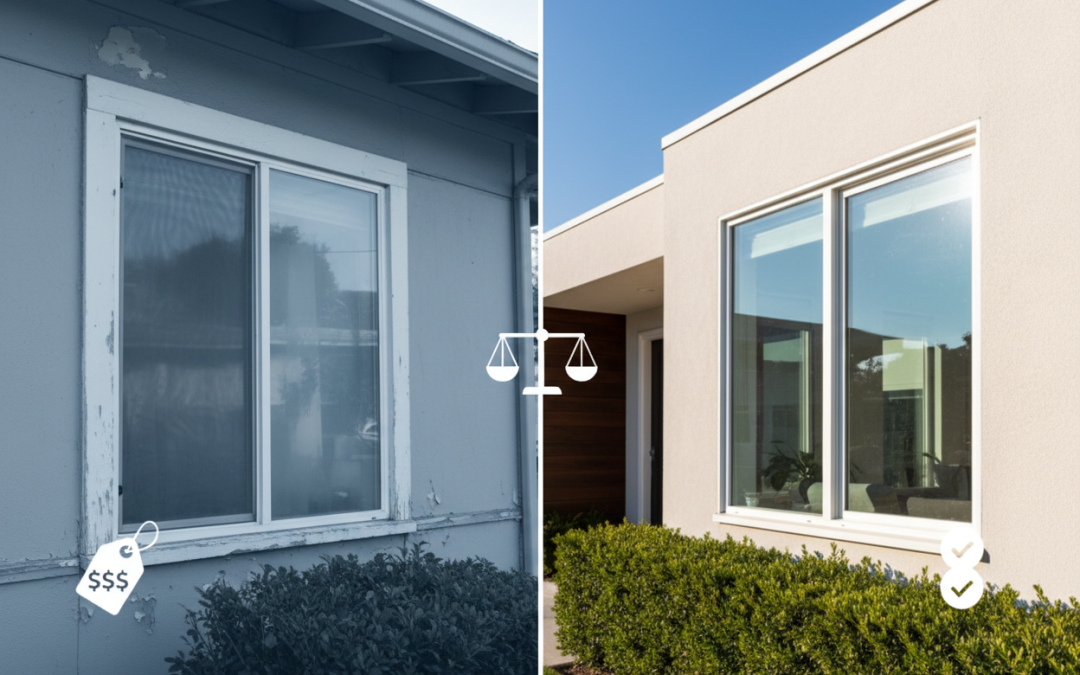
The Truth About Cheap Vinyl Windows: Quality vs Price
When it comes to home improvement projects, few decisions are as impactful as choosing the right windows for your home. Vinyl windows have become increasingly popular among homeowners, largely due to their affordability and low maintenance requirements. However, the market is flooded with options ranging from budget-friendly to premium-priced vinyl windows, leaving many homeowners wondering: are cheap vinyl windows worth the savings, or will they cost more in the long run?
The truth is, not all vinyl windows are created equal. While the allure of saving thousands of dollars upfront is undeniable, understanding the real differences between cheap and quality vinyl windows can save you from costly mistakes and ensure your investment pays off for decades to come.
Understanding Vinyl Window Construction
Before diving into the quality versus price debate, it’s essential to understand what makes a vinyl window tick. Vinyl windows are manufactured using polyvinyl chloride (PVC), a durable plastic material that’s been refined over decades to withstand various weather conditions.
The construction process involves extruding heated PVC through specialized dies to create the window frame profiles. These profiles are then welded together to form the complete window frame. The quality of this process, along with the grade of PVC used, significantly impacts the window’s performance and longevity.

High-quality vinyl windows typically use virgin PVC compounds with specific additives for UV resistance, impact strength, and thermal stability. Cheaper alternatives might incorporate recycled PVC or lower-grade compounds that compromise durability and performance over time.
What Makes Vinyl Windows “Cheap”
When manufacturers cut costs on vinyl windows, they typically compromise in several key areas. Understanding these compromises helps explain why some vinyl windows cost significantly less than others.
The most common cost-cutting measure involves using thinner wall profiles. While premium vinyl windows feature thick, multi-chambered profiles that provide excellent insulation and structural integrity, cheaper versions often have thinner walls and fewer chambers. This reduction in material not only affects energy efficiency but also impacts the window’s ability to withstand wind loads and temperature fluctuations.
Another area where manufacturers reduce costs is in the hardware and glazing systems. Cheap vinyl windows often come with basic hardware that may not operate smoothly or last as long as premium alternatives. The glazing systems might use single-pane glass or lower-quality double-pane units without advanced coatings or gas fills.
Manufacturing shortcuts also contribute to lower prices. Some budget manufacturers may skip quality control steps, use automated welding processes without proper inspection, or employ less precise cutting and assembly methods. These shortcuts can result in gaps, misalignments, and other issues that affect performance.
The Hidden Costs of Low-Quality Vinyl Windows
While cheap vinyl windows might seem like a smart financial decision initially, they often come with hidden costs that become apparent over time. These costs can quickly erode any upfront savings and sometimes result in spending more than if you had chosen quality windows from the beginning.
Energy efficiency is one of the most significant long-term cost factors. Poor-quality vinyl windows typically have lower R-values and higher air leakage rates, meaning your heating and cooling systems work harder to maintain comfortable temperatures. Over the 20-30 year lifespan of windows, the additional energy costs can add up to thousands of dollars.
Maintenance and repair costs represent another hidden expense. Cheap vinyl windows are more prone to hardware failures, seal breakdowns, and operational issues. When these problems occur, replacement parts may be difficult to find, or the manufacturer may no longer be in business, forcing complete window replacement much sooner than expected.
Weather-related damage is also more common with low-quality vinyl windows. Thin profiles may warp or crack under extreme temperatures, while poor weatherstripping allows water infiltration that can damage surrounding walls and trim. These issues can lead to costly repairs that extend far beyond the windows themselves.
Quality Indicators in Vinyl Windows
Recognizing quality in vinyl windows requires knowing what to look for beyond the price tag. Several key indicators can help you identify windows that will provide long-term value and performance.
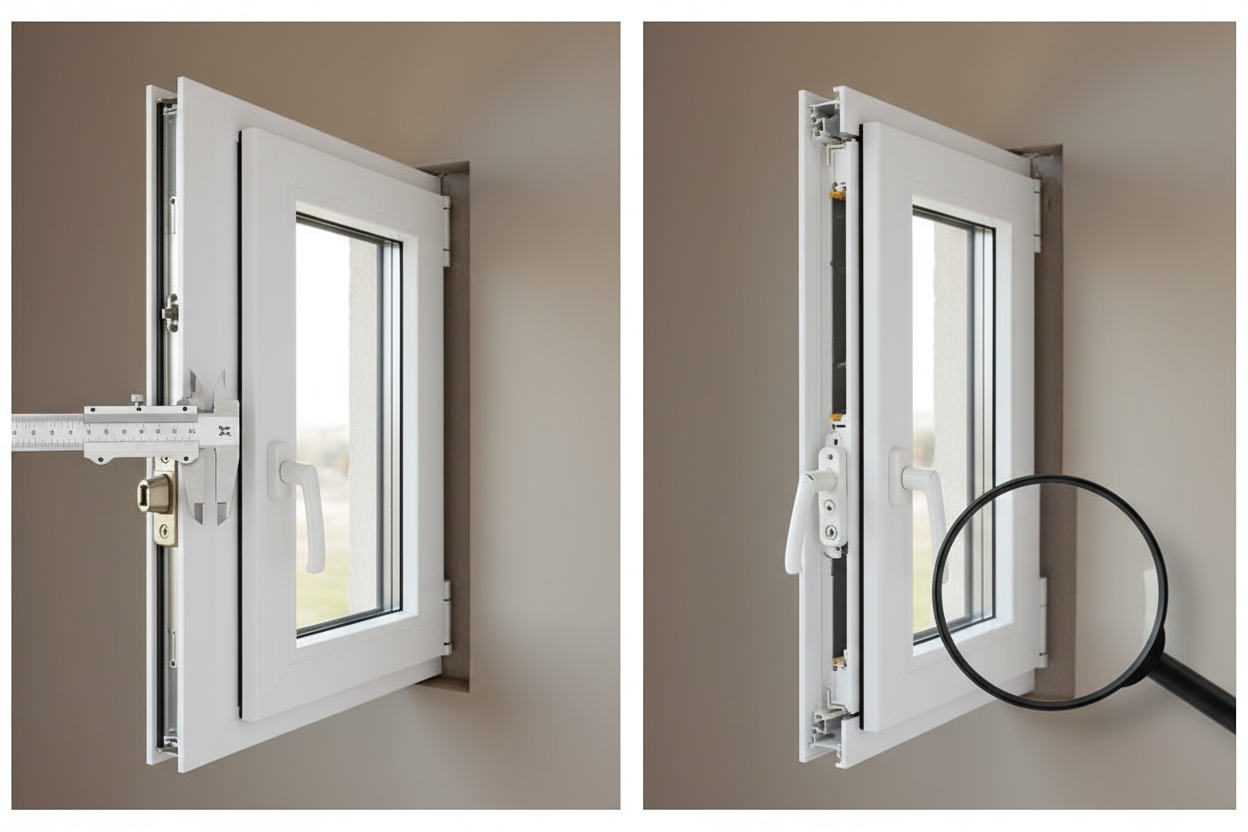
Frame thickness and chamber design are primary quality indicators. Premium vinyl windows feature multi-chambered frames with thick outer walls, typically 2.5mm or greater. These chambers provide insulation and structural strength while the thick walls resist warping and cracking.
The welding quality at frame corners is another critical factor. High-quality vinyl windows have smooth, strong welds with no gaps or rough edges. The corners should be perfectly square and show no signs of stress cracking or separation.
Hardware quality is immediately apparent when operating the windows. Premium vinyl windows feature smooth-operating locks, handles, and opening mechanisms made from durable materials like stainless steel or zinc alloy. The hardware should feel solid and operate effortlessly without binding or excessive force.
Glass packages in quality vinyl windows typically include advanced features like low-E coatings, argon gas fills, and warm-edge spacers. These components work together to maximize energy efficiency and comfort while minimizing condensation issues.
Energy Efficiency: Where Quality Really Matters
Energy efficiency represents one of the most significant differences between cheap and quality vinyl windows. This difference not only affects your comfort but also has a direct impact on your utility bills and home value.
Quality vinyl windows achieve better energy efficiency through several design elements. Multi-chambered frames create thermal breaks that prevent heat transfer, while advanced weatherstripping systems minimize air leakage. The glass packages in premium windows often feature multiple panes with specialized coatings and gas fills that dramatically improve insulation values.
The National Fenestration Rating Council (NFRC) provides standardized ratings that make it easier to compare energy performance between different windows. Quality vinyl windows typically achieve U-factors of 0.30 or lower, while cheap alternatives may have U-factors of 0.40 or higher. This difference translates to significantly higher energy costs over the window’s lifetime.
In extreme climates, the energy efficiency difference becomes even more pronounced. Quality vinyl windows maintain their performance in both hot and cold conditions, while cheap alternatives may develop gaps, warping, or seal failures that compromise their efficiency when you need it most.
Durability and Longevity Considerations
The lifespan difference between cheap and quality vinyl windows can be dramatic, with implications that extend far beyond the initial purchase price. Understanding these durability factors helps put the true cost of windows into perspective.
Quality vinyl windows are designed to last 20-30 years or more with minimal maintenance. They use UV-stabilized PVC compounds that resist fading, chalking, and degradation from sun exposure. The frames maintain their structural integrity and appearance throughout their lifespan, while the hardware continues to operate smoothly with basic care.
Cheap vinyl windows, on the other hand, may show signs of deterioration within 5-10 years. The lower-grade PVC compounds are more susceptible to UV damage, leading to discoloration, brittleness, and eventual cracking. Hardware failures become increasingly common as the windows age, and replacement parts may be unavailable.
Weather resistance is another crucial durability factor. Quality vinyl windows are engineered to withstand extreme temperatures, high winds, and driving rain without compromising their performance. Cheap alternatives may warp in heat, become brittle in cold, or allow water infiltration during storms.
Making the Right Investment Decision
Choosing between cheap and quality vinyl windows ultimately comes down to understanding your priorities and calculating the true long-term costs. While budget constraints are a reality for many homeowners, there are strategies to maximize value regardless of your price range.
Start by calculating the total cost of ownership rather than just the upfront price. Factor in potential energy savings, maintenance costs, and the likelihood of premature replacement when comparing options. Often, spending 20-30% more on quality windows results in significantly better long-term value.
Consider the climate in your area when making your decision. Homes in extreme climates benefit more from quality windows, as the energy savings and durability advantages are more pronounced. In mild climates, the performance gap may be less critical, though quality windows still provide better long-term value.
If budget constraints require choosing cheaper windows, focus on the most important rooms first. Installing quality windows in living areas and bedrooms where comfort matters most, while using budget options in less critical spaces like garages or storage rooms, can help balance cost and performance.
Professional Installation: The Great Equalizer
Even the highest-quality vinyl windows will underperform if poorly installed, while proper installation can help budget windows achieve better results. Professional installation is crucial regardless of which price point you choose.
Quality installers understand the importance of proper sizing, sealing, and alignment. They use appropriate flashing techniques, high-quality sealants, and proper shimming to ensure the windows perform as designed. Poor installation can negate many of the advantages of premium windows and exacerbate the weaknesses of budget alternatives.
When evaluating installation quotes, don’t automatically choose the lowest bidder. Look for installers with proper licensing, insurance, and experience with your specific window brand. A quality installation may cost more upfront but protects your window investment and ensures optimal performance.
Conclusion
The truth about cheap vinyl windows is nuanced and depends largely on your specific situation, budget, and long-term goals. While budget vinyl windows can provide adequate performance in some situations, they rarely offer the same value proposition as quality alternatives when all factors are considered.
Quality vinyl windows justify their higher upfront cost through superior energy efficiency, longer lifespan, better durability, and enhanced comfort. The additional investment typically pays for itself through energy savings and avoided replacement costs over the window’s lifetime.
However, this doesn’t mean that budget windows are never appropriate. For homeowners with severe budget constraints or those planning to sell their homes in the near future, cheap vinyl windows might make financial sense. The key is making an informed decision based on accurate information rather than being swayed solely by upfront costs.
Ultimately, windows are a long-term investment in your home’s comfort, energy efficiency, and value. Taking the time to understand the real differences between cheap and quality vinyl windows ensures you make the best decision for your specific situation and avoid costly mistakes that could impact your home for decades to come.
Frequently Asked Questions
How long do cheap vinyl windows typically last compared to quality ones?
Cheap vinyl windows typically last 10-15 years before showing significant deterioration, while quality vinyl windows can last 25-30 years or more. The difference comes from better materials, construction methods, and UV-resistant compounds used in premium windows.
Can I tell the quality of vinyl windows just by looking at them?
Yes, several visual indicators reveal window quality, including frame thickness, weld quality at corners, hardware feel and operation, and overall fit and finish. Quality windows have thicker frames, smooth corner welds, and substantial hardware that operates effortlessly.
Are expensive vinyl windows always better than cheaper ones?
Not necessarily. While price often correlates with quality, some manufacturers charge premium prices for marketing rather than superior performance. Focus on specific quality indicators like NFRC ratings, frame construction, and manufacturer warranties rather than price alone.
What’s the biggest risk of buying cheap vinyl windows?
The biggest risk is premature failure requiring complete replacement much sooner than expected. This can happen through frame warping, hardware failure, seal breakdown, or UV degradation, potentially costing more in the long run than buying quality windows initially.
Do cheap vinyl windows affect home resale value?
Yes, cheap vinyl windows that show signs of deterioration, operate poorly, or have obvious quality issues can negatively impact home value. Quality windows that look and function well add value and appeal to potential buyers.
Is professional installation worth the extra cost for cheap vinyl windows?
Absolutely. Professional installation is even more critical for budget windows because proper installation can help compensate for some quality limitations. Poor installation will make cheap windows perform even worse and may void warranties.



How much does it cost for vinyl replacement windows Palmer Texas





Affordable home window replacement Decatur Texas












How much does it cost for vinyl replacement windows Elmo Texas








Energy-efficient vinyl windows Collinsville Texas



Home replacement window companies Alvarado Texas



























Preston Hollow Dallas TX Replacement Windows And Siding







North Richland Hills TX House Siding Replacement

North Richland Hills TX Affordable Siding Replacement