
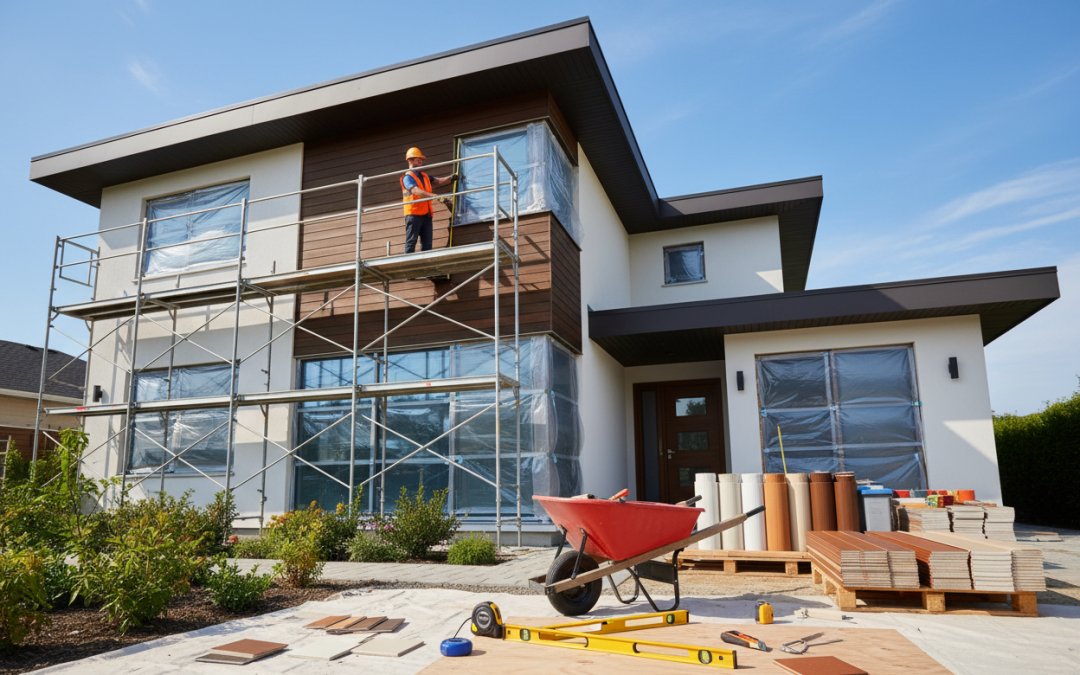
How to Prepare Your Home for Major Siding Replacement: A Complete Homeowner’s Guide
Replacing your home’s siding is one of the most significant exterior renovations you’ll ever undertake. It’s a project that can dramatically transform your property’s appearance, boost its value, and improve energy efficiency. However, the success of your siding replacement largely depends on how well you prepare beforehand.
Whether you’re dealing with damaged vinyl siding, outdated wood panels, or simply want to upgrade to modern materials like fiber cement or steel, proper preparation can save you thousands of dollars and countless headaches. This comprehensive guide will walk you through every essential step to ensure your siding replacement project goes smoothly from start to finish.

Understanding the Scope of Your Siding Replacement Project
Before diving into preparation steps, it’s crucial to understand what siding replacement actually involves. This isn’t just about removing old materials and installing new ones. A complete siding replacement typically includes removing existing siding, inspecting and potentially replacing house wrap or insulation, addressing any structural issues, and installing the new siding system along with trim work.
The project duration can range from several days for a small home to several weeks for larger properties or those requiring extensive repairs. Weather conditions, material availability, and the complexity of your home’s architecture all play roles in determining the timeline.

Choosing the Right Contractor for Your Siding Installation
Your contractor selection can make or break your siding replacement experience. Start by researching local contractors who specialize in siding installation and have excellent reviews from recent customers. Request detailed quotes from at least three different contractors, ensuring each quote includes the same scope of work for accurate comparison.
Verify that your chosen contractor carries proper licensing and insurance coverage. Don’t hesitate to ask for references from recent projects and actually contact those homeowners about their experiences. A reputable contractor will gladly provide this information and may even arrange for you to see their recent work in person.
Pay attention to how contractors communicate during the initial consultation. Are they punctual, professional, and willing to answer all your questions? Do they provide detailed written estimates that clearly outline materials, labor costs, and project timelines? These early interactions often predict how the entire project will unfold.
Protecting Your Landscaping and Outdoor Features
Siding replacement involves significant activity around your home’s perimeter, which can easily damage landscaping, outdoor furniture, and decorative features. Start preparing your yard at least a week before the project begins.
Move all outdoor furniture, grills, planters, and decorative items away from the house. Store these items in your garage, basement, or at least 10 feet away from the work area. For items you cannot move, such as permanent landscaping features or large trees, discuss protection strategies with your contractor.
Consider trimming back shrubs and tree branches that come within several feet of your home’s exterior walls. This not only protects the plants from damage but also provides workers with better access to all areas of your siding. If you have valuable or delicate plants that cannot be moved, ask your contractor about protective covering options.
Document the current condition of your landscaping with photographs. This documentation can be helpful if any damage occurs during the project and you need to file an insurance claim or discuss compensation with your contractor.
Preparing Your Home’s Interior for Construction
While siding replacement is primarily an exterior project, the work will definitely impact your home’s interior. The constant hammering, drilling, and material removal can create vibrations throughout your house, potentially causing items to fall from shelves or walls.
Remove fragile items, artwork, and mirrors from walls that share the exterior walls being worked on. Pack away delicate collectibles and secure anything that might be affected by vibrations. If you have a home office or work from home, consider alternative arrangements during the noisiest phases of the project.
Dust and debris can find their way inside through small gaps around windows and doors. Cover furniture in rooms adjacent to exterior walls with plastic sheeting or old blankets. Close interior doors to minimize dust spread throughout your home.
Addressing Utilities and Home Systems
Your siding replacement may affect various utilities and systems attached to your home’s exterior. Create a detailed inventory of all exterior fixtures, including electrical outlets, light fixtures, cable and internet connections, gas meters, and HVAC units.
Photograph the current locations and connections of these utilities before work begins. This documentation helps ensure everything is properly reconnected and can serve as reference material if issues arise later.
Coordinate with your contractor to determine which utilities may need temporary disconnection during the project. Some electrical work might require scheduling with your local utility company or a licensed electrician. Gas lines and meters typically require special handling and may need utility company involvement.
If your home has a security system with exterior sensors or cameras, notify your security company about the upcoming work. They may need to temporarily disable certain zones or adjust monitoring protocols during the construction period.
Planning for Weather and Seasonal Considerations
Weather plays a crucial role in siding replacement projects. While contractors can work in various conditions, extreme weather can delay progress and potentially compromise installation quality. The best time for siding replacement is typically during mild, dry weather conditions.
Spring and fall often provide ideal conditions for siding work, with moderate temperatures and lower chances of severe weather. Summer can work well but may involve higher material costs and contractor availability issues. Winter installations are possible in many regions but may require additional precautions and could extend project timelines.
Discuss weather contingency plans with your contractor before work begins. Understand how rain, snow, or extreme temperatures might affect the schedule and what temporary protection measures will be used to protect your home if weather interrupts the work.
Managing Daily Life During Siding Replacement
Living in your home during siding replacement requires some adjustments to your normal routine. The work typically starts early in the morning and continues throughout the day, creating noise and activity around your property.
Establish clear communication channels with your contractor and work crew. Know who to contact with questions or concerns, and understand the daily work schedule. Most contractors appreciate homeowners who are available for quick decisions but don’t constantly interrupt the work flow.
Plan alternative arrangements for activities that might be disrupted by the construction. If you frequently use outdoor spaces for relaxation or entertainment, consider temporary alternatives. Pet owners should make special arrangements to keep animals safe and comfortable during the noisy construction period.
Parking can become an issue during siding replacement, as contractors need space for their vehicles, equipment, and material deliveries. Discuss parking arrangements beforehand and be prepared to use alternative parking locations if necessary.
Final Preparations and Project Kickoff
In the days immediately before your siding replacement begins, complete a final walkthrough with your contractor to confirm all preparation steps have been completed. Review the project timeline, daily schedules, and any last-minute details or concerns.
Ensure you have all necessary permits in place. While many contractors handle permit applications, verify that all required documentation has been submitted and approved before work begins. Starting without proper permits can result in project delays and additional costs.
Prepare your home’s interior for the duration of the project. Stock up on any supplies you might need, as accessing certain areas of your home could be limited during construction. Consider the impact on your daily routines and make necessary adjustments to minimize disruption.
Conclusion
Proper preparation is the foundation of a successful siding replacement project. By taking the time to carefully select your contractor, protect your property, and plan for the construction period, you’re setting yourself up for a smooth renovation experience that will enhance your home’s beauty, value, and performance for years to come.
Remember that siding replacement is a significant investment in your property, and the extra effort you put into preparation will pay dividends in the final result. A well-prepared homeowner and a professional contractor make an unbeatable team for achieving outstanding results.
While the process may seem overwhelming at first, breaking it down into manageable steps makes it much more approachable. Take your time with each preparation phase, communicate openly with your contractor, and don’t hesitate to ask questions along the way. Your new siding will not only protect your home but also give you a renewed sense of pride in your property.
Frequently Asked Questions
How long does a typical siding replacement project take?
Most residential siding replacement projects take between 5-14 days, depending on the size of your home, weather conditions, and the complexity of the installation. Larger homes or those requiring extensive repairs may take longer.
Can I stay in my home during siding replacement?
Yes, most homeowners can remain in their homes during siding replacement. However, expect noise, dust, and some disruption to your normal routine. Make arrangements for pets and consider the impact on work-from-home schedules.
What should I do if it rains during my siding installation?
Professional contractors have weather protection protocols in place. Work may be temporarily suspended during heavy rain, but your home will be properly protected with tarps or temporary coverings to prevent water damage.
How much will siding replacement cost?
Siding replacement costs vary widely based on materials, home size, and regional labor costs. Vinyl siding typically costs $5-12 per square foot installed, while premium materials like fiber cement or wood can range from $8-25 per square foot.
Do I need permits for siding replacement?
Most areas require permits for complete siding replacement. Your contractor should handle permit applications, but verify this during your initial discussions. Permit requirements vary by location and project scope.
When is the best time of year for siding replacement?
Spring and fall typically offer the best conditions for siding replacement, with moderate temperatures and lower chances of severe weather. However, quality contractors can work year-round with proper precautions.











Energy-efficient vinyl windows Colleyville Texas









Affordable home window replacement Denison Texas











Affordable home window replacement Lindsay Texas



Home window replacement near me Blue Ridge Texas

How much does it cost for vinyl replacement windows Cedar Hill Texas



Home replacement window companies The Colony Texas

How much does it cost for vinyl replacement windows Red Oak Texas

















North Richland Hills TX Replacement Siding Near Me