
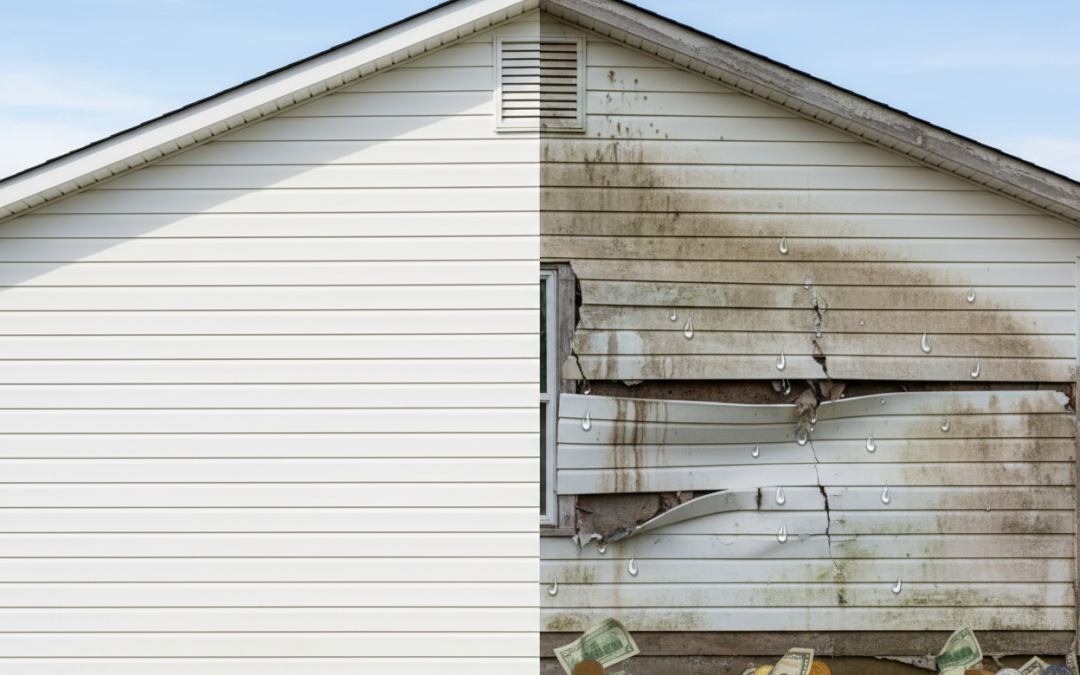
The Hidden Costs of Poor Quality Siding Installation: What Every Homeowner Needs to Know
When you’re standing in your driveway, admiring your home’s fresh new siding, the last thing on your mind is probably the potential for hidden costs down the road. After all, you’ve just invested thousands of dollars in what should be a long-term solution for your home’s exterior protection and curb appeal. But here’s the uncomfortable truth: poor quality siding installation can cost you far more than you ever imagined, and these expenses often don’t show up until years later when the damage is already done.
I’ve seen too many homeowners learn this lesson the hard way. What starts as an attempt to save money on installation costs quickly turns into a nightmare of repairs, energy bills, and structural damage that could have been avoided with proper installation from the start. Understanding these hidden costs isn’t just about protecting your wallet – it’s about protecting your home and your family’s comfort for years to come.
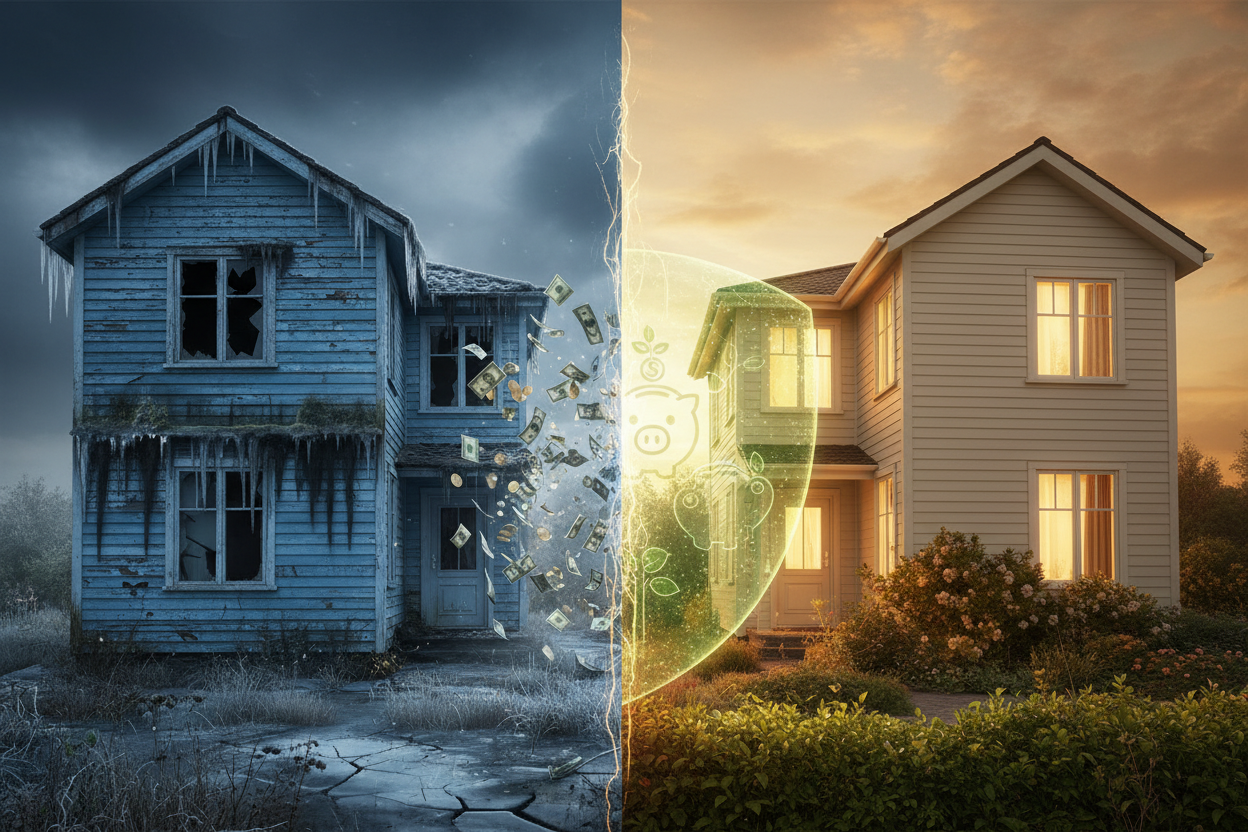
Energy Efficiency Nightmares: When Your Heating Bills Skyrocket
One of the most immediate and ongoing costs of poor siding installation shows up in your monthly energy bills. When siding isn’t properly installed, gaps and air leaks become inevitable. These seemingly minor imperfections create thermal bridges that allow heated or cooled air to escape your home while letting outdoor air infiltrate your living spaces.
Think about it this way: your HVAC system is constantly working overtime to compensate for these energy losses. During winter months, your heating system runs longer cycles to maintain comfortable temperatures. In summer, your air conditioning unit struggles against the hot air seeping through poorly sealed joints and improperly fitted panels.

Homeowners with substandard siding installation often report energy bill increases of 15-30% compared to properly installed systems. Over a 10-year period, this translates to thousands of dollars in unnecessary utility costs. What’s particularly frustrating is that this money is essentially being thrown away – you’re paying for energy that’s literally escaping through the walls of your home.
The problem compounds when you consider that poor installation often means inadequate insulation backing. Professional installers know how to properly integrate house wrap, vapor barriers, and insulation materials. When corners are cut or inexperienced contractors handle the job, these critical components may be installed incorrectly or omitted entirely.
Water Damage: The Silent Destroyer
Perhaps no hidden cost is more devastating than water damage resulting from improper siding installation. Water has an uncanny ability to find even the smallest gaps and vulnerabilities in your home’s exterior envelope. When siding isn’t properly sealed, flashed, or aligned, it creates pathways for moisture infiltration that can cause extensive damage over time.
The insidious nature of water damage is that it often goes unnoticed until significant problems have already developed. Behind your walls, moisture can accumulate in insulation, wooden framing, and sheathing materials. This creates the perfect environment for mold growth, wood rot, and structural deterioration that may not become visible for months or even years.
I’ve witnessed cases where homeowners discovered extensive water damage during renovation projects, only to trace the source back to improperly installed siding from years earlier. The cost of remediation in these situations can easily reach tens of thousands of dollars, involving not just siding replacement but also structural repairs, mold remediation, and interior restoration.
Water damage also affects your home’s indoor air quality. Mold and mildew growth behind walls can trigger respiratory issues, allergies, and other health problems for your family. The cost of medical treatment and temporary relocation during remediation adds another layer of expense that many homeowners never anticipate.
Premature Replacement Costs: When “Lifetime” Siding Doesn’t Last
Quality siding materials are designed to last decades with proper installation and maintenance. However, poor installation practices can dramatically reduce this lifespan, forcing homeowners to replace their siding much sooner than expected. This premature failure represents one of the most significant hidden costs of substandard installation.
Several factors contribute to early siding failure. Improper fastening techniques can cause panels to warp, buckle, or detach during weather events. Inadequate expansion joint allowances lead to cracking and splitting as materials naturally expand and contract with temperature changes. Poor alignment and leveling create stress points that accelerate wear and deterioration.
When siding fails prematurely, you’re not just facing the cost of new materials – you’re also dealing with the expense of removing and disposing of the failed installation. This process often reveals additional problems that need addressing, such as damaged sheathing or compromised house wrap that wasn’t properly installed the first time.
The financial impact extends beyond immediate replacement costs. Premature siding failure can affect your home’s resale value, making it harder to sell or forcing you to accept lower offers. Potential buyers often view recent siding problems as red flags, wondering what other issues might be lurking beneath the surface.
Structural Damage: When Problems Go Beyond the Surface
Poor siding installation doesn’t just affect the exterior cladding – it can compromise your home’s entire structural integrity. When moisture penetrates behind improperly installed siding, it attacks the wooden framework that supports your home. This structural damage represents some of the most expensive consequences of substandard installation work.
Wood rot in structural elements like studs, headers, and sill plates can weaken your home’s frame to dangerous levels. In severe cases, this may require extensive reconstruction work involving temporary support systems, structural engineering consultations, and major construction projects that can cost tens of thousands of dollars.
The problem is particularly acute around windows, doors, and other penetrations where proper flashing is critical. When these areas aren’t correctly sealed during siding installation, water can accumulate in wall cavities and cause concentrated damage to structural components. I’ve seen situations where entire wall sections needed rebuilding due to rot that started from a single improperly flashed window.
Foundation issues can also develop when poor siding installation allows water to pool against your home’s foundation. Over time, this moisture can cause foundation settling, cracking, or other problems that require expensive foundation repair work. These issues often aren’t covered by standard homeowner’s insurance policies, leaving you responsible for the full cost of repairs.
Insurance and Warranty Complications
Many homeowners don’t realize that poor installation can void manufacturer warranties and complicate insurance claims. Most siding manufacturers require installation by certified contractors following specific guidelines to maintain warranty coverage. When installation doesn’t meet these standards, you may find yourself without warranty protection when problems arise.
Insurance companies are increasingly sophisticated in their damage assessments. When filing claims for siding-related damage, adjusters often investigate whether proper installation procedures were followed. If they determine that damage resulted from poor installation rather than covered perils like storms or accidents, your claim may be denied.
This creates a particularly frustrating situation where you’re paying for damage repairs out of pocket despite having insurance coverage. The insurance company’s position is often that the damage resulted from workmanship issues rather than covered events, leaving you responsible for costs that could have been avoided with proper installation.
Documentation becomes crucial in these situations. Professional contractors provide detailed installation records, photos, and warranties that can support insurance claims and warranty requests. When installation is performed by unqualified contractors or without proper documentation, you may struggle to prove that problems weren’t caused by installation defects.
The Ripple Effect: Additional Costs You Never Saw Coming
The hidden costs of poor siding installation often extend far beyond the obvious repairs and replacements. These problems create a ripple effect that touches many aspects of homeownership and daily life. Temporary housing costs during major repairs can add thousands to your expenses, especially if structural work requires you to vacate your home for extended periods.
Professional remediation services for mold, water damage, or structural issues require specialized equipment and expertise that comes at premium prices. These aren’t DIY projects – they require certified professionals, proper permits, and often multiple inspections that add time and cost to the repair process.
Lost time and productivity represent another hidden cost that’s difficult to quantify but very real for homeowners dealing with installation problems. Coordinating repairs, meeting with contractors, and managing remediation projects requires significant time investment that can affect your work and personal life.
Property value impacts can be long-lasting, especially if problems aren’t properly addressed. Even after repairs are completed, disclosure requirements may force you to inform potential buyers about past issues, potentially affecting your home’s marketability and sale price.
How to Protect Yourself: Prevention is Worth Every Penny
Understanding these hidden costs highlights the critical importance of choosing qualified contractors and insisting on proper installation procedures from the start. The money you invest in quality installation is insurance against these expensive problems down the road.
Research contractors thoroughly, checking licenses, insurance coverage, and references from recent projects. Don’t automatically choose the lowest bid – extremely low prices often indicate corners will be cut somewhere in the process. Ask detailed questions about installation procedures, materials specifications, and warranty coverage.
Insist on proper permits and inspections where required by local codes. These oversight mechanisms help ensure that installation meets minimum standards and can provide valuable documentation if problems arise later. Professional contractors welcome inspections because they’re confident in their work quality.
Document the installation process with photos and keep all warranties, permits, and inspection reports in a safe place. This documentation can be invaluable if you need to file insurance claims or warranty requests in the future.
Frequently Asked Questions
How can I tell if my siding was poorly installed?
Look for visible gaps between panels, uneven alignment, loose or missing fasteners, and signs of water infiltration like staining or soft spots. Inside your home, check for drafts, unusual energy bills, or moisture problems that might indicate installation issues.
How long do I have to discover installation problems before it’s too late?
This varies by location and contract terms, but most contractor warranties are valid for 1-2 years. However, some installation defects may not become apparent for several years. Document any concerns as soon as you notice them and consult with professionals promptly.
Will my homeowner’s insurance cover damage from poor installation?
Generally, insurance doesn’t cover damage resulting from poor workmanship or installation defects. However, they may cover resulting damage if it can be attributed to covered perils like storms. Each situation is unique, so consult with your insurance agent about specific coverage questions.
Can poor siding installation affect my home’s resale value?
Yes, both directly through visible problems and indirectly through energy efficiency issues, structural damage, or required disclosures about past problems. Quality installation protects and enhances your home’s value over time.
What should I look for when choosing a siding contractor?
Verify licensing and insurance, check recent references, review detailed written estimates, ensure they pull proper permits, and confirm they follow manufacturer installation guidelines. Avoid contractors who demand full payment upfront or pressure you to sign immediately.
Is it worth paying more for experienced contractors?
Absolutely. The hidden costs of poor installation far exceed the upfront savings from choosing inexperienced or unqualified contractors. Quality installation is an investment in your home’s long-term performance and value.
The hidden costs of poor quality siding installation can haunt homeowners for years, turning what should be a valuable home improvement into an ongoing financial burden. From skyrocketing energy bills to devastating structural damage, these problems often cost far more than the original installation savings. By understanding these risks and investing in quality installation from the start, you protect not just your home’s exterior, but your family’s comfort, health, and financial security for decades to come. Remember, when it comes to siding installation, you truly get what you pay for – and the cheapest option often becomes the most expensive in the long run.



Home replacement window companies Carrollton Texas





New windows for my home North Richland Hills Texas























Home window replacement near me Haltom City Texas






Home replacement window companies Haltom City Texas












Allen TX Replacement Siding Installation Services