
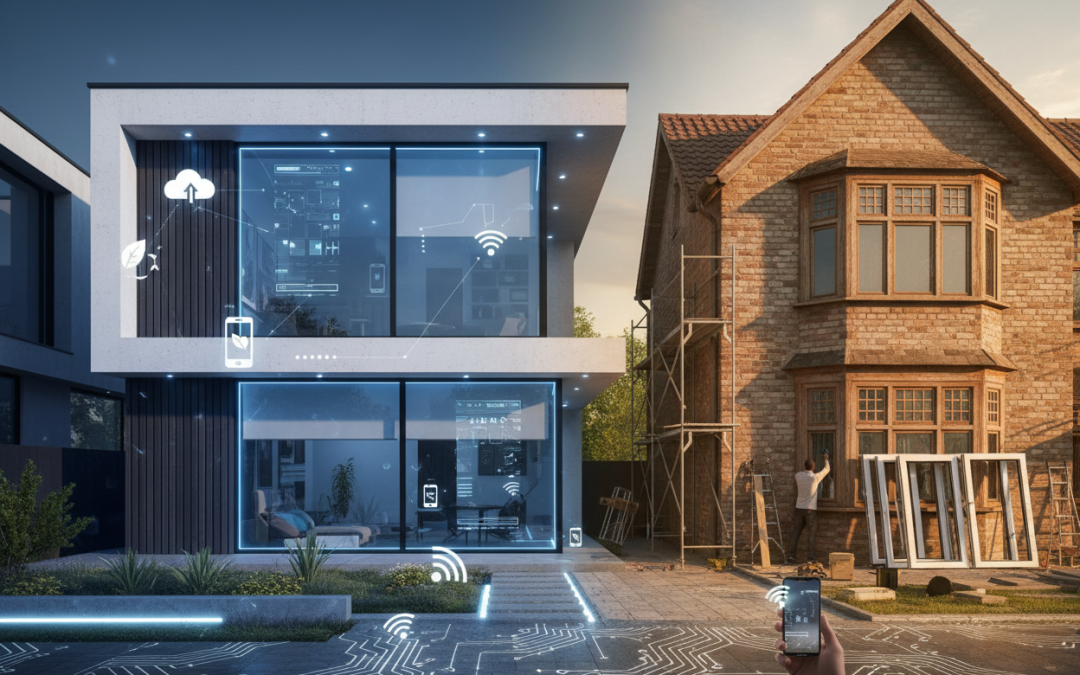
Window Replacement and Smart Home Integration: The Future of Modern Living
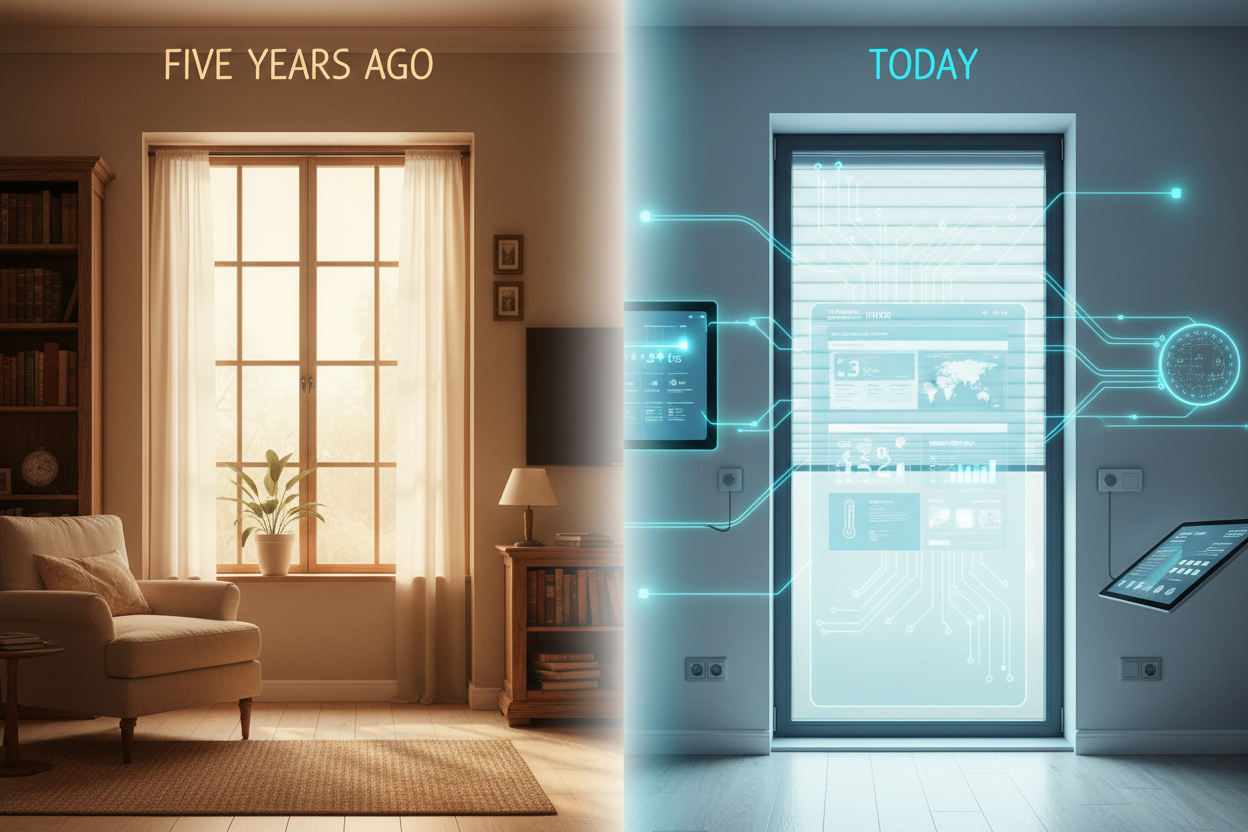
When I first started researching smart home technology five years ago, I never imagined that something as traditional as windows could become the centerpiece of a connected home ecosystem. Yet here we are, witnessing a remarkable transformation where window replacement isn’t just about energy efficiency anymore – it’s about creating intelligent living spaces that respond to our needs, preferences, and daily routines.
The convergence of window replacement and smart home integration represents one of the most exciting developments in residential technology. Modern homeowners are discovering that upgrading their windows offers an unprecedented opportunity to enhance comfort, security, and energy efficiency while seamlessly connecting their homes to the digital world.
Understanding Smart Window Technology
Smart windows have evolved far beyond simple automated blinds or basic tinting systems. Today’s intelligent window solutions incorporate advanced materials, sensors, and connectivity features that transform these architectural elements into active components of your home’s operating system.
Electrochromic glass, for instance, can change its opacity and heat absorption properties with the touch of a button or through automated programming. This technology allows windows to become darker during peak sunlight hours, reducing cooling costs and glare, then return to full transparency when natural light is desired.
Photovoltaic windows represent another breakthrough, incorporating transparent solar cells that generate electricity while maintaining visibility. These windows can contribute to your home’s energy production, potentially reducing utility bills while providing the smart power needed for integrated systems.
Energy Efficiency Meets Intelligent Control
The marriage between energy-efficient window replacement and smart home technology creates compelling benefits that extend well beyond traditional window performance metrics. Smart windows can communicate with your home’s HVAC system, automatically adjusting their thermal properties based on interior and exterior temperature readings.
Consider how this integration works in practice: on a hot summer afternoon, your smart windows detect rising exterior temperatures and automatically increase their tinting to reduce heat gain. Simultaneously, they signal your cooling system to adjust its output, creating optimal indoor conditions while minimizing energy consumption.
Triple-pane smart windows with integrated sensors can monitor humidity levels, air quality, and even detect when cleaning is needed. This real-time data helps homeowners make informed decisions about ventilation, air purification, and maintenance schedules.
Security and Safety Features
Modern smart window systems excel in enhancing home security through multiple integrated features. Impact-resistant smart glass can detect attempted break-ins and immediately alert homeowners and security systems. Some advanced models include embedded sensors that distinguish between normal impacts (like a ball hitting the window) and potential security threats.
Automated locking mechanisms add another layer of security, allowing homeowners to remotely secure all windows simultaneously through smartphone apps. This feature proves invaluable when leaving for vacation or during severe weather events when manual window checks might be dangerous or impractical.
Smart windows also contribute to family safety through features like automatic emergency opening during fire detection, child safety locks that prevent accidental opening, and integration with home alarm systems that can trigger window protection protocols during security events.
Integration with Home Automation Systems
The true power of smart windows emerges through seamless integration with comprehensive home automation platforms. Leading systems like Google Home, Amazon Alexa, and Apple HomeKit can control window functions through voice commands, scheduled routines, and intelligent automation based on occupancy patterns.
Imagine waking up to windows that gradually increase transparency as your morning alarm approaches, mimicking natural sunrise patterns to support healthy circadian rhythms. Throughout the day, your windows can automatically adjust based on weather forecasts, your calendar appointments, and even your family’s location data.
Advanced integration allows windows to work in concert with other smart home devices. When your security system detects you’re approaching home, windows can begin adjusting to your preferred lighting levels. During movie nights, they can automatically darken and coordinate with smart lighting systems to create the perfect ambiance.
Cost Considerations and Return on Investment
While smart window replacement represents a significant upfront investment, the long-term financial benefits often justify the initial costs. Energy savings from intelligent thermal management can reduce heating and cooling expenses by 15-30%, depending on your climate and home characteristics.
The integration capabilities often eliminate the need for separate smart devices like automated blinds, security sensors, and environmental monitors, consolidating multiple functions into a single system. This consolidation can reduce overall smart home implementation costs while simplifying maintenance and operation.
Property value increases represent another important consideration. Homes with integrated smart window systems often command premium prices in real estate markets, as buyers increasingly value energy efficiency and smart home features. Real estate professionals report that comprehensive smart home integration, including windows, can increase property values by 3-5%.
Installation and Professional Considerations
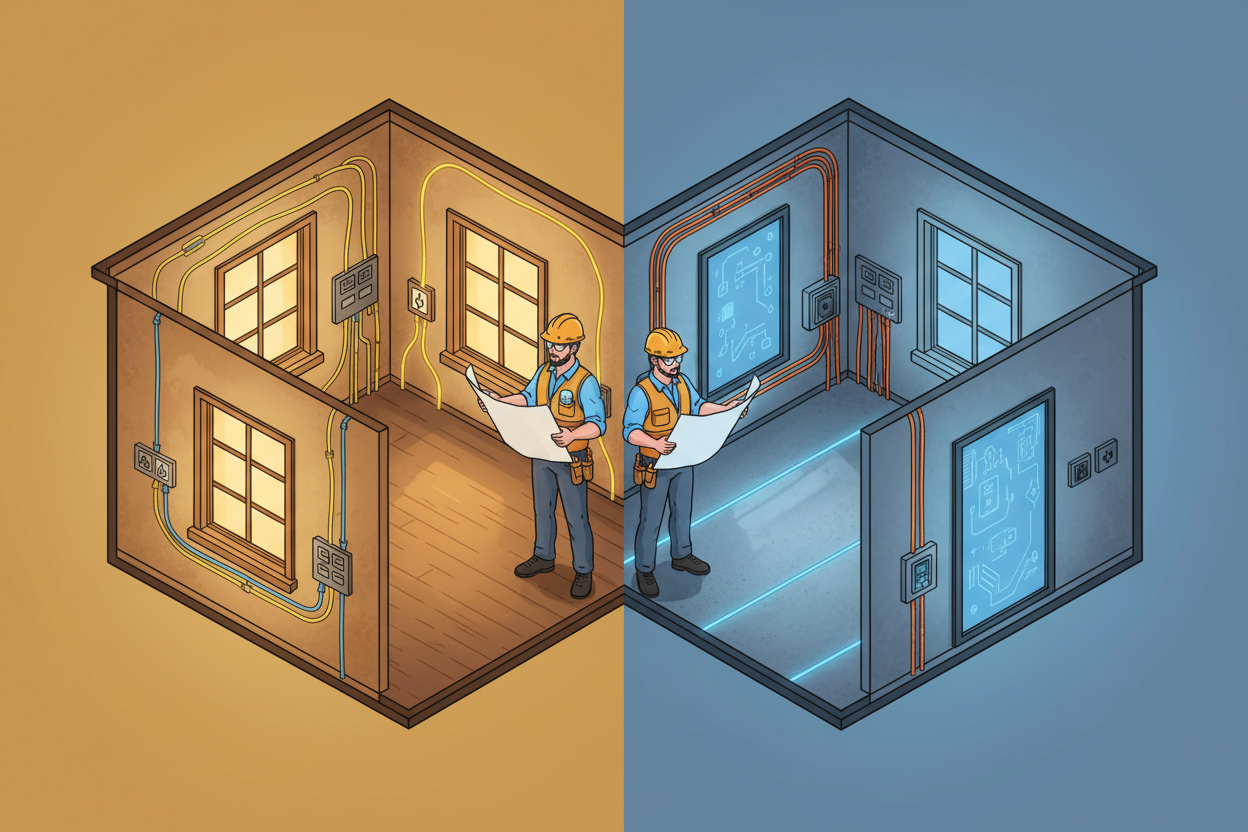
Smart window installation requires careful coordination between window replacement professionals and smart home integration specialists. The complexity of these systems means that proper installation is crucial for optimal performance and longevity.
Electrical requirements for smart windows often exceed those of traditional windows, necessitating updates to home wiring and potentially requiring permits and inspections. Professional installers must understand both the mechanical aspects of window replacement and the technical requirements of smart home integration.
Choosing certified installers with experience in smart window technology ensures proper integration with existing home automation systems and compliance with local building codes. Many manufacturers offer training programs for installers, so seeking professionals with specific smart window certifications can prevent costly installation errors.
Future Trends and Emerging Technologies
The smart window industry continues evolving rapidly, with emerging technologies promising even more sophisticated integration capabilities. Artificial intelligence integration will soon enable windows to learn from household patterns and preferences, automatically optimizing performance without manual programming.
Biometric integration represents another frontier, where windows could recognize individual family members and adjust settings based on personal preferences. Advanced health monitoring capabilities might detect air quality issues or allergen levels, automatically adjusting ventilation and filtration systems.
Wireless power transmission technology could eliminate the need for hardwired electrical connections, making smart window retrofits more accessible and cost-effective for existing homes. This advancement would significantly expand the market for smart window adoption.
Maintenance and Longevity
Smart windows require different maintenance approaches compared to traditional windows, but manufacturers have designed these systems for long-term reliability. Regular software updates ensure optimal performance and security, while diagnostic features help identify potential issues before they become costly problems.
The electronic components in smart windows typically carry warranties of 10-15 years, while the glass and frame elements often include lifetime warranties similar to premium traditional windows. This combination provides homeowners with confidence in their investment while ensuring long-term performance.
Professional maintenance services are becoming more widely available as smart window adoption increases. These services include software updates, sensor calibration, and integration testing to ensure all components continue working harmoniously with your home automation system.
Conclusion
Window replacement and smart home integration represent a natural evolution in residential technology, offering homeowners unprecedented control over their living environments while delivering substantial energy savings and enhanced security. The initial investment in smart window technology pays dividends through reduced utility costs, increased property values, and the convenience of automated home management.
As this technology continues maturing, we can expect even more sophisticated integration capabilities and broader adoption across various price points. For homeowners considering window replacement, exploring smart integration options now positions them at the forefront of residential innovation while addressing immediate needs for energy efficiency and home comfort.
The future of home living lies in seamless integration between traditional building elements and intelligent technology. Smart windows exemplify this integration, transforming basic architectural features into active participants in creating comfortable, efficient, and secure living spaces.
Frequently Asked Questions
How much do smart windows typically cost compared to traditional replacement windows?
Smart windows generally cost 2-4 times more than traditional replacement windows, with prices ranging from $800-$2,500 per window depending on size and features. However, energy savings and integration benefits often offset the higher initial investment over 8-12 years.
Can smart windows be retrofitted to existing homes, or do they require new construction?
Most smart window systems can be retrofitted to existing homes, though electrical upgrades may be necessary. The complexity depends on your current wiring and the specific smart features you want to integrate. Professional assessment is recommended to determine feasibility and costs.
What happens to smart windows during power outages?
Smart windows typically default to a transparent state during power outages and can be operated manually. Many systems include battery backup for essential functions like security features. Some models maintain their last setting until power is restored.
Are smart windows compatible with all home automation systems?
Most modern smart windows support major platforms like Google Home, Amazon Alexa, and Apple HomeKit through Wi-Fi or hub connections. However, compatibility should be verified before purchase, especially for older or proprietary home automation systems.
How long do smart window systems typically last before needing replacement?
The glass and frame components of smart windows typically last 20-30 years, similar to premium traditional windows. Electronic components usually carry 10-15 year warranties, with many systems designed for component replacement rather than complete window replacement when technology updates are needed.









Home replacement window companies Southmayd Texas



How much does it cost for vinyl replacement windows Frisco Texas







Affordable home window replacement Lakewood Dallas Texas



Energy-efficient vinyl windows Balch Springs Texas



































Preston Hollow Dallas TX Replacement Siding For House