
How to Choose Window Hardware for Maximum Longevity: Your Complete Guide
When it comes to home improvement investments, windows often take center stage. But while most homeowners focus on glass quality and frame materials, there’s one crucial element that frequently gets overlooked: window hardware. The truth is, your window hardware is the unsung hero that determines whether your windows will operate smoothly for decades or leave you frustrated within just a few years.
I’ve learned this lesson the hard way. After replacing cheap window hardware three times in five years, I realized that investing in quality components from the start would have saved me both money and countless headaches. Today, I’m sharing everything I’ve discovered about choosing window hardware that truly stands the test of time.
Understanding Window Hardware Components
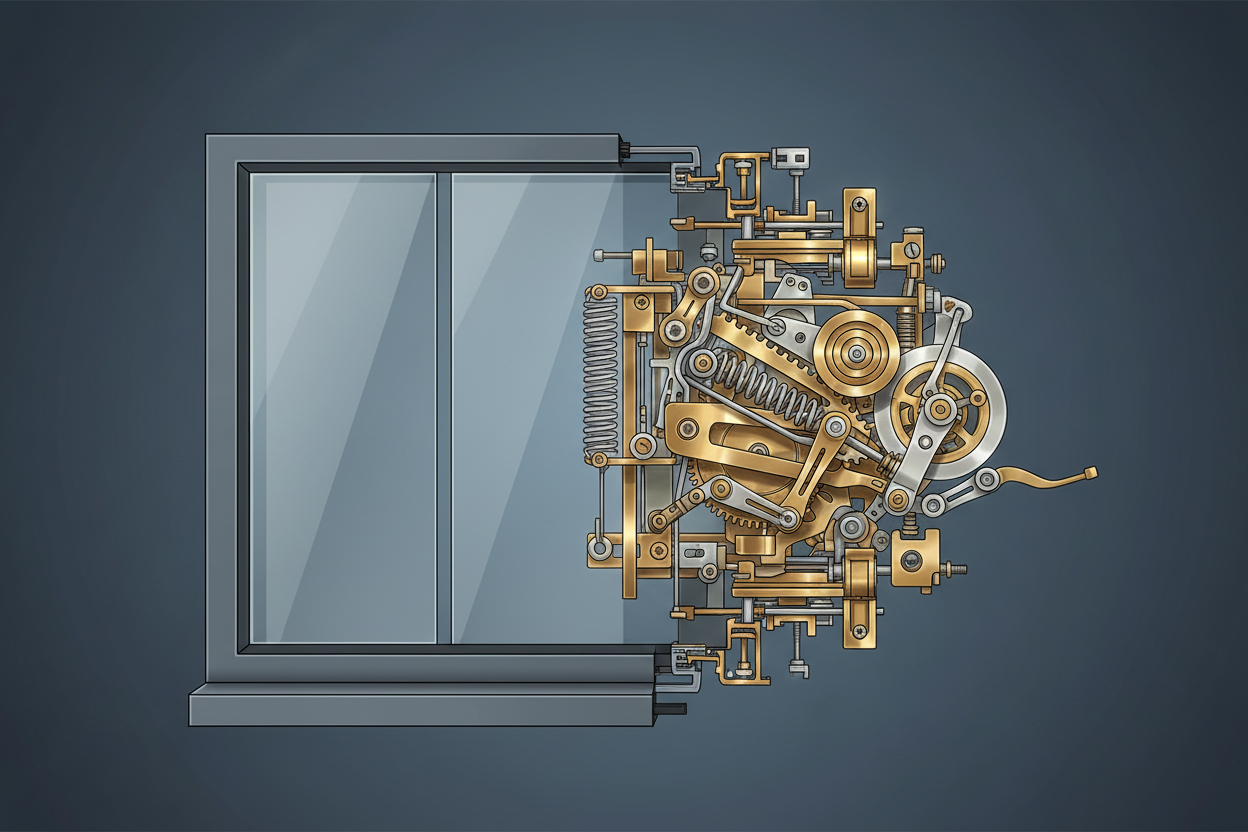
Before diving into selection criteria, let’s break down what we’re actually talking about when we say “window hardware.” These components work together like a well-orchestrated symphony, and each piece plays a vital role in your window’s performance.
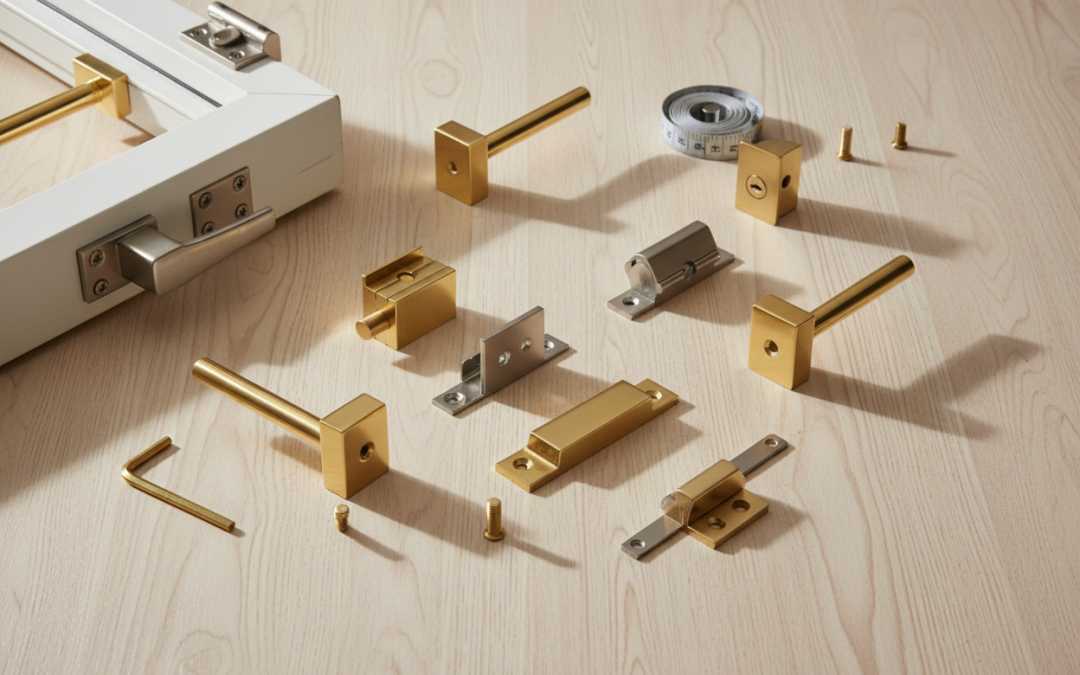
The primary hardware components include hinges, handles, locks, stays, friction stays, and weatherstripping. Each of these elements faces constant stress from daily operation, weather exposure, and the natural settling of your home. When one component fails, it often creates a domino effect that compromises the entire window system.
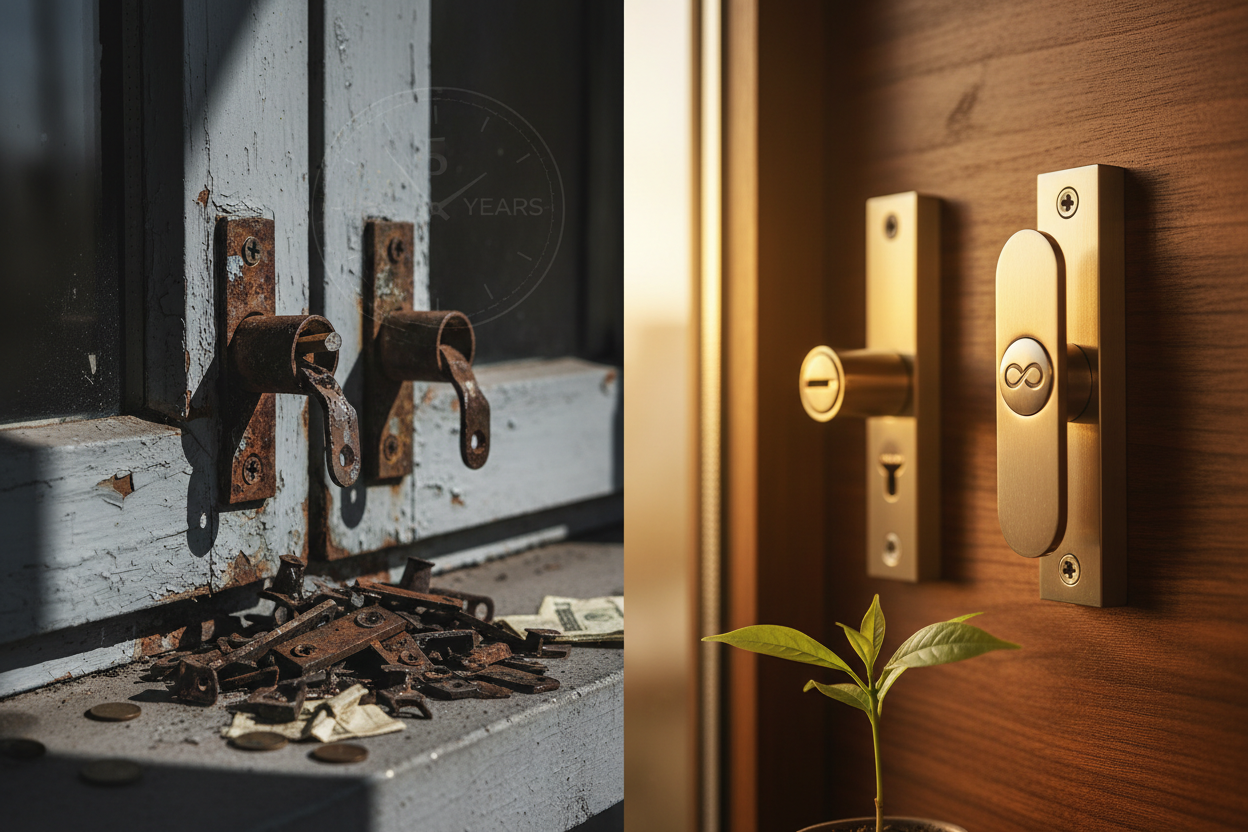
Think of window hardware as the joints in your body. Just as healthy joints allow smooth, pain-free movement, quality window hardware ensures effortless operation while maintaining security and energy efficiency. Cheap hardware, on the other hand, is like having arthritis – everything becomes difficult, painful, and eventually stops working altogether.
Material Matters: Choosing the Right Base Materials
The foundation of long-lasting window hardware lies in material selection. Not all metals are created equal, and understanding the differences can save you from premature replacements and costly repairs.
Stainless steel stands as the gold standard for window hardware longevity. Its corrosion resistance makes it particularly valuable in coastal areas or regions with harsh weather conditions. While stainless steel hardware typically costs more upfront, its ability to maintain structural integrity and appearance over decades makes it a smart investment.
Brass hardware offers another excellent option, especially for traditional or period homes. Quality brass develops a beautiful patina over time while maintaining its mechanical properties. However, be cautious of brass-plated options, which may look similar initially but lack the durability of solid brass components.
Aluminum hardware provides a lightweight, corrosion-resistant option that works well in many climates. Modern aluminum alloys offer impressive strength-to-weight ratios, though they may not match the longevity of stainless steel in extreme conditions.
Avoid zinc die-cast hardware when longevity is your priority. While these components often come with attractive price tags, they’re prone to corrosion and mechanical failure, especially in moisture-rich environments.
Coating and Finish Selection for Enhanced Durability
Even the best base materials benefit from proper protective coatings. The right finish not only enhances appearance but also provides an additional barrier against environmental damage.
Powder coating represents one of the most durable finish options available. This electrostatically applied coating creates a thick, even layer that resists chipping, scratching, and fading. Unlike traditional paint, powder coating bonds at the molecular level, creating a finish that can last for decades with minimal maintenance.
Anodizing works particularly well for aluminum hardware. This electrochemical process creates a protective oxide layer that’s actually part of the metal itself, not just a surface coating. Anodized finishes resist corrosion and wear exceptionally well, though color options may be more limited than with powder coating.
For those seeking premium protection, consider PVD (Physical Vapor Deposition) coatings. While more expensive, these ultra-thin coatings provide exceptional hardness and corrosion resistance. They’re particularly valuable for hardware in high-use applications or extreme environments.
Load Ratings and Mechanical Specifications
Understanding load ratings might seem technical, but it’s crucial for selecting hardware that won’t fail under real-world conditions. Every piece of window hardware has limits, and exceeding these limits leads to premature failure.
Start by calculating your window’s weight accurately. Include the glass, frame, and any additional features like built-in blinds. Then, ensure your chosen hardware can handle at least 150% of this weight. This safety margin accounts for dynamic loads created during operation and potential stress concentration points.
Pay particular attention to hinge load ratings. Hinges bear the full weight of the window sash, and undersized hinges are a common cause of hardware failure. Quality hinges should also specify their cycle rating – the number of open/close operations they’re designed to handle.
For sliding windows, focus on the load capacity of tracks and rollers. These components must support the window’s weight while allowing smooth operation. Look for hardware with sealed bearings or bushings that protect against dirt and moisture infiltration.
Weather Resistance and Environmental Considerations
Your local climate plays a significant role in hardware selection. What works perfectly in Arizona’s dry heat might fail miserably in Florida’s humid, salt-laden air.
Coastal environments demand hardware with superior corrosion resistance. Salt air accelerates oxidation and can destroy inadequately protected metal components within months. In these locations, marine-grade stainless steel or specially treated aluminum hardware becomes essential rather than optional.
Extreme temperature variations create expansion and contraction cycles that stress hardware connections. Look for components designed with thermal movement in mind, including slotted mounting holes and flexible gaskets that accommodate dimensional changes.
UV exposure gradually degrades many materials, particularly plastics and some coatings. If your windows receive intense sunlight, prioritize hardware with UV-stable materials and finishes that won’t chalk, fade, or become brittle over time.
Security Features and Locking Mechanisms
Security hardware serves double duty – protecting your home while withstanding attempted breaches. This dual role demands robust construction and thoughtful design.
Multi-point locking systems distribute stress across multiple connection points, reducing wear on individual components while enhancing security. These systems typically outlast single-point locks because no single component bears the full load during forced entry attempts.
Look for locks with hardened steel components in critical areas. Soft metals may bend or break under stress, compromising both security and longevity. Quality lock cylinders should also resist drilling, picking, and bumping attacks.
Consider the lock’s operating mechanism carefully. Complex mechanisms with many moving parts may offer advanced features but can also create more failure points. Sometimes, simpler designs prove more reliable over the long term.
Installation Quality and Professional Considerations
Even the finest hardware won’t deliver expected longevity if improperly installed. Installation quality significantly impacts performance and lifespan, making professional installation often worthwhile for premium hardware.
Proper alignment is critical for all moving parts. Misaligned hinges create uneven stress distribution, leading to premature wear and binding. Similarly, improperly adjusted locks may not engage fully, compromising both security and mechanism longevity.
Fastener selection matters more than most people realize. Stainless steel screws should secure stainless steel hardware, while galvanized fasteners work well with painted steel components. Mixing dissimilar metals can create galvanic corrosion that weakens connections over time.
Sealant application around hardware mounting points prevents water infiltration that could lead to corrosion or wood rot. Use appropriate sealants for your climate and substrate materials, and ensure complete coverage without interfering with hardware operation.
Maintenance Requirements and Long-term Care
No hardware is truly maintenance-free, but some designs require significantly less attention than others. Consider your willingness and ability to perform regular maintenance when making hardware selections.
Self-lubricating bushings and sealed bearings reduce maintenance requirements compared to traditional grease fittings. While these components may cost more initially, they often prove more economical over time by eliminating regular lubrication needs.
Accessible adjustment points allow for fine-tuning as your home settles or weather conditions change. Hardware with hidden or difficult-to-reach adjustments may require professional service calls for routine maintenance.
Replacement part availability deserves consideration, especially for specialized or imported hardware. Choosing hardware from established manufacturers with strong parts support ensures you can maintain your investment for decades to come.
Cost vs. Value Analysis
The relationship between hardware cost and longevity isn’t always linear, but there are clear patterns that can guide your investment decisions.
Premium hardware typically costs three to five times more than basic alternatives, but often lasts ten times longer. This math works strongly in favor of quality components, especially when you factor in installation labor costs and potential damage from hardware failures.
Consider the total cost of ownership rather than just initial purchase price. Cheap hardware that requires replacement every few years ultimately costs more than quality components that last decades. Factor in the inconvenience and potential property damage from hardware failures when making your calculations.
Some hardware features offer questionable value for longevity. Decorative elements that don’t enhance function may actually create additional failure points or maintenance requirements. Focus your budget on functional improvements that directly impact durability and performance.
Frequently Asked Questions
How long should quality window hardware last?
Well-chosen and properly maintained window hardware should last 20-30 years or more. Premium stainless steel components in favorable environments can function effectively for 40+ years. The key is matching hardware quality to your specific conditions and usage patterns.
Is it worth upgrading hardware on existing windows?
Upgrading hardware can significantly extend window life and improve performance, often at a fraction of full window replacement cost. However, ensure your window frames can accommodate new hardware and that the upgrade addresses your specific performance issues.
What’s the most important factor for hardware longevity?
Material quality typically has the greatest impact on longevity, followed closely by proper installation. Corrosion resistance is particularly critical, as rust and oxidation cause more hardware failures than mechanical wear in most residential applications.
Can I mix different hardware brands on the same window?
While technically possible, mixing brands can create compatibility issues and may void warranties. Different manufacturers use varying tolerances and specifications that might not work well together. Stick with complete hardware systems from single manufacturers when possible.
How do I know if my current hardware needs replacement?
Warning signs include difficulty operating windows, visible corrosion, loose connections, air leaks around closed windows, and security concerns. If you’re experiencing multiple issues simultaneously, complete hardware replacement often proves more cost-effective than piecemeal repairs.
Choosing window hardware for maximum longevity requires balancing multiple factors including materials, environment, budget, and maintenance preferences. By understanding these relationships and prioritizing quality where it matters most, you can make informed decisions that will serve your home well for decades to come. Remember, window hardware is a long-term investment – choose wisely, install properly, and maintain regularly for the best results.





Affordable home window replacement Highland Park Texas



How much does it cost for vinyl replacement windows Mesquite Texas











Window replacement cost Preston Hollow Dallas Texas


Energy-efficient vinyl windows Westminster Texas













Home window replacement near me Caddo Mills Texas












Sadler TX Replacement Siding Installation Services




Haltom City TX Replacement Siding Installation Services