
Siding Replacement and Foundation Issues: What to Watch For
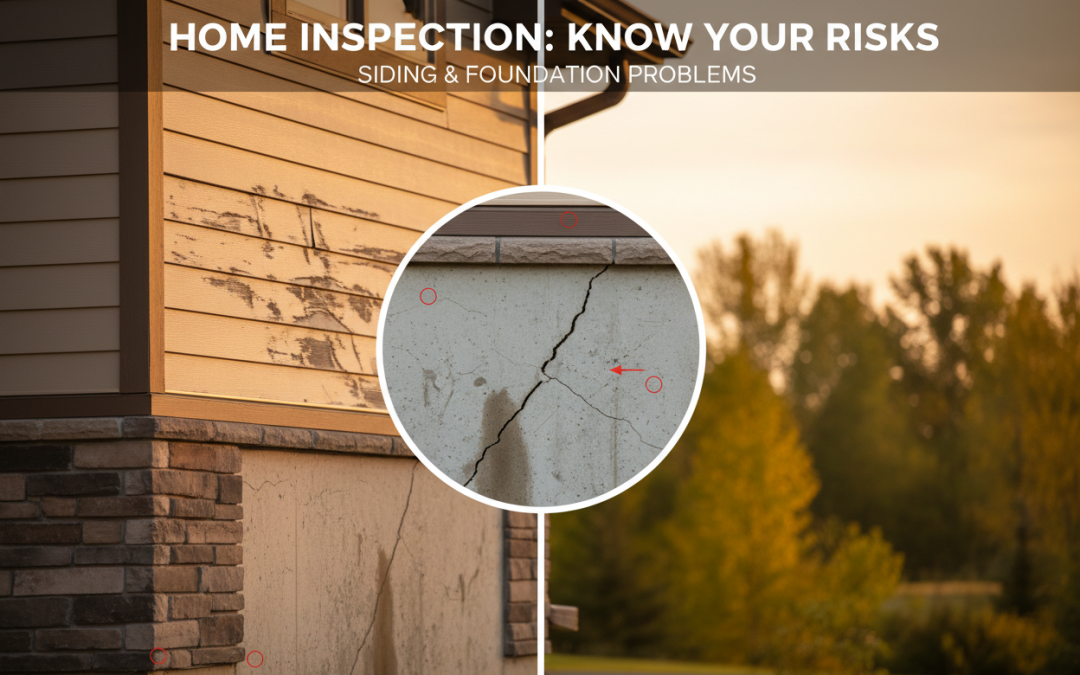
When you’re walking around your home, taking in the familiar sights of your property, you might notice something that makes you pause. Maybe it’s a slight gap where your siding meets the foundation, or perhaps you’ve spotted some unusual cracking patterns. These seemingly minor details could be telling you a much bigger story about what’s happening beneath the surface of your home.
The relationship between your home’s siding and foundation is more interconnected than most homeowners realize. While siding serves as your home’s protective outer shell, the foundation provides the stable base that everything else depends on. When foundation problems arise, they don’t stay hidden for long – they often announce themselves through changes in your siding that can range from subtle to dramatic.
Understanding these warning signs isn’t just about maintaining your home’s curb appeal. It’s about protecting one of your most significant investments and ensuring your family’s safety and comfort for years to come.
Understanding the Connection Between Siding and Foundation
Your home’s foundation and siding work together as a team, even though they’re made of completely different materials and serve different purposes. The foundation provides structural stability and keeps moisture out of your basement or crawl space, while siding protects your home’s exterior walls from weather, pests, and other environmental factors.
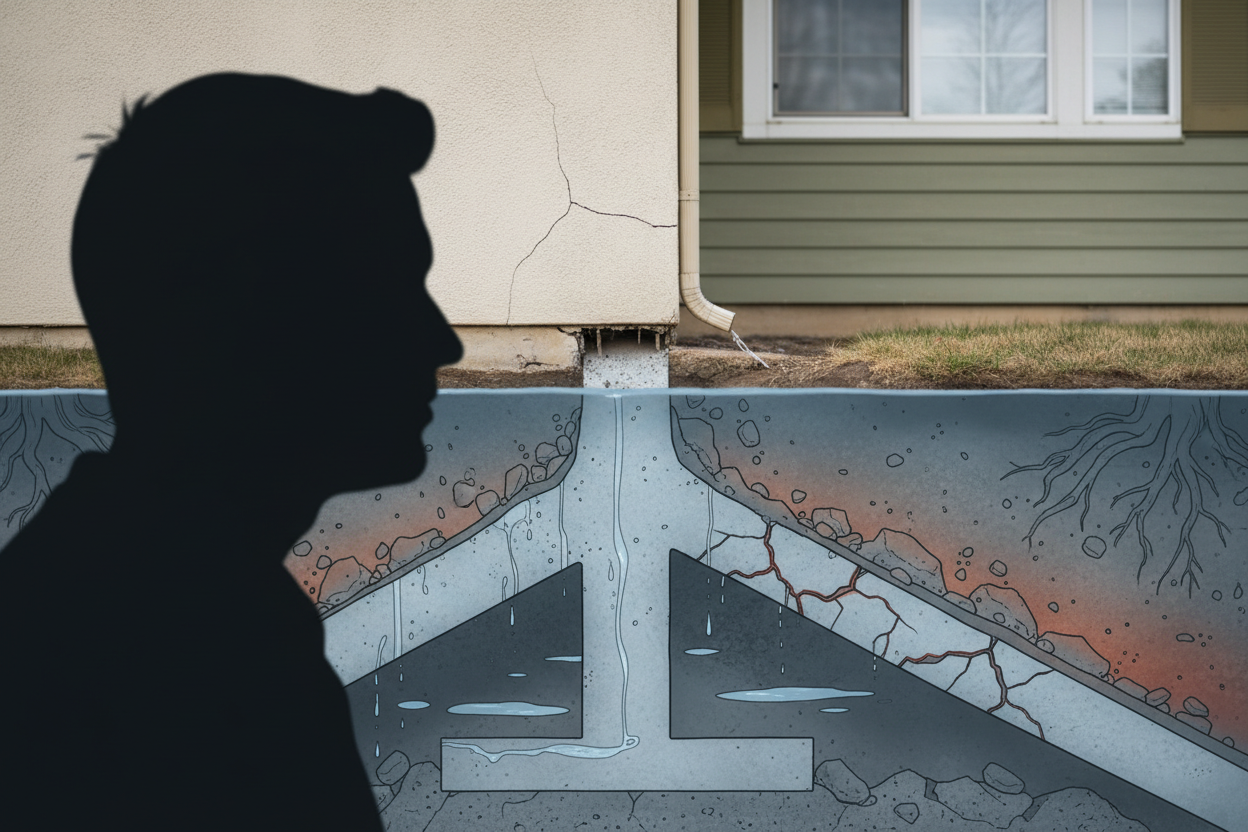
When your foundation begins to settle, shift, or develop problems, it creates a domino effect that travels upward through your home’s structure. This movement, even when it’s measured in fractions of an inches, can cause significant stress on your siding system. The rigid attachment points where siding connects to your home’s frame become pressure points where this structural movement becomes visible.
Think of it like a chain reaction – foundation movement affects the frame, the frame affects the sheathing, and the sheathing affects how your siding sits and performs. This is why experienced contractors often look at siding issues as potential indicators of deeper structural concerns.
Early Warning Signs in Your Siding
Recognizing the early warning signs of foundation-related siding problems can save you thousands of dollars in repairs and prevent minor issues from becoming major headaches. These signs often start small and gradually become more pronounced over time.
One of the first things you might notice is gaps appearing where your siding meets other building components. These gaps can show up where siding meets windows, doors, corner trim, or the foundation itself. While small gaps might seem insignificant, they often indicate that your home’s structure is shifting in ways that put stress on the siding system.
Cracking in your siding is another red flag that deserves immediate attention. Vinyl siding might develop stress cracks, while fiber cement or wood siding could show splitting or separation along the grain. These cracks don’t just appear randomly – they typically follow stress patterns created by underlying structural movement.
You might also notice that your siding appears to be pulling away from the house in certain areas, creating a wavy or uneven appearance. This buckling or warping often occurs when the foundation movement creates uneven pressure points along your home’s exterior walls.
Specific Foundation Problems That Affect Siding
Different types of foundation problems create distinct patterns of damage in your siding, and understanding these patterns can help you identify what might be happening below ground level.
Settlement issues are among the most common foundation problems, and they typically create diagonal crack patterns in siding that mirror the settlement pattern in the foundation. If one corner of your foundation is settling faster than others, you’ll often see this reflected in diagonal stress patterns that run through your siding from the settling area.
Hydrostatic pressure from poor drainage can cause foundation walls to bow inward or outward, creating corresponding bulges or depressions in your siding. This type of damage often appears as horizontal lines of stress or areas where the siding doesn’t lie flat against the wall.
Frost heave, common in colder climates, can push foundation walls upward or outward, creating upward pressure that shows up as compressed or buckled siding near the foundation line. This seasonal movement can be particularly problematic because it creates repeated stress cycles that gradually worsen over time.
When Foundation Movement Requires Siding Replacement
Not every foundation-related siding issue requires complete replacement, but certain situations make replacement the most practical and cost-effective solution. Understanding when you’ve crossed this threshold can help you make informed decisions about your home’s maintenance and repair needs.
Extensive cracking that affects multiple siding panels or runs across large sections of your home’s exterior typically indicates that the underlying structural movement has been significant enough to compromise the siding’s integrity. In these cases, attempting to repair individual damaged pieces often proves futile because the underlying cause continues to create new damage.
When siding has pulled away from the house structure to the point where it no longer provides effective weather protection, replacement becomes necessary for maintaining your home’s building envelope. Gaps that allow water, air, or pests to enter behind the siding can quickly lead to much more expensive problems like rot, mold, or insulation damage.
Sometimes the foundation repair process itself necessitates siding replacement. If contractors need to excavate around your foundation, install drainage systems, or make other structural repairs, they may need to remove significant portions of siding to access the work area.
Timing Your Siding Replacement with Foundation Repairs
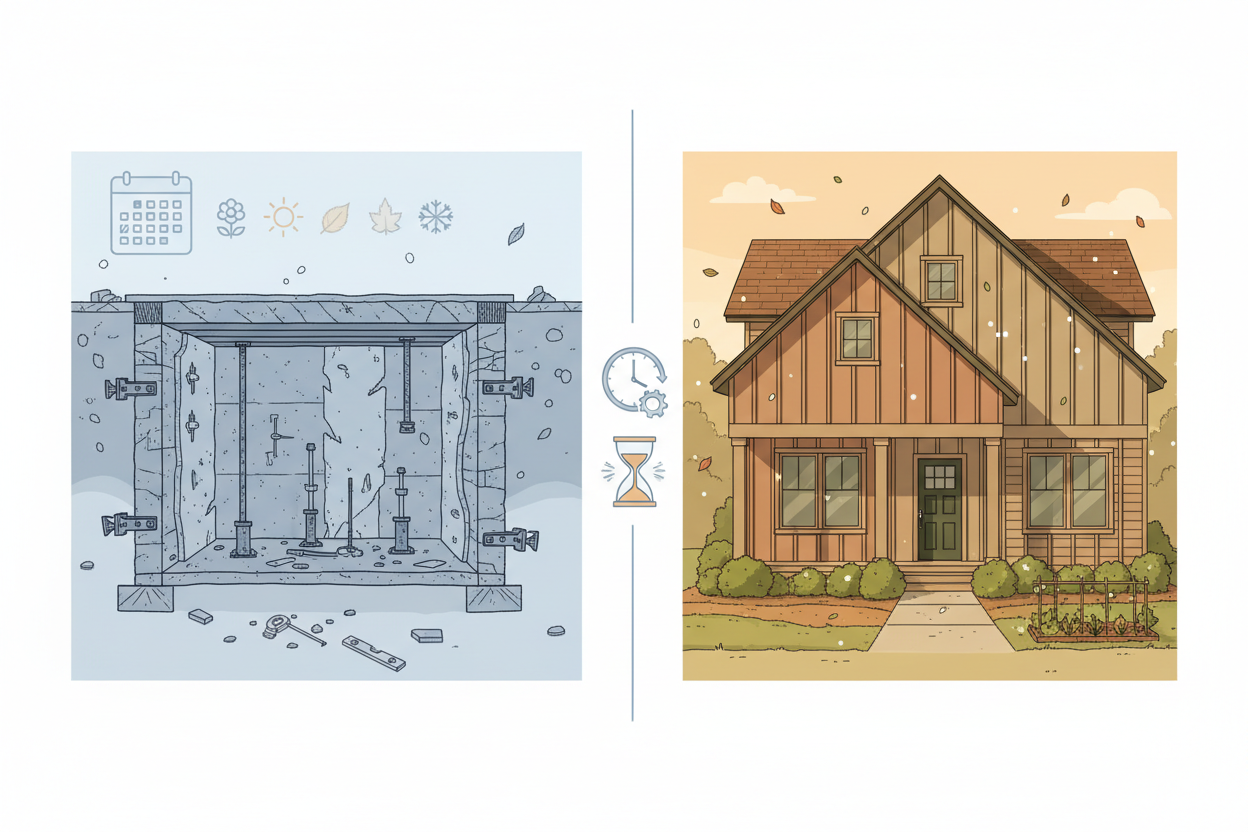
The timing of siding replacement in relation to foundation repairs is crucial for getting the best results and avoiding duplicate work. Many homeowners make the mistake of addressing these issues separately, which can lead to additional damage and unnecessary expenses.
The general rule is that foundation problems should be addressed before siding replacement whenever possible. Installing new siding over a foundation that’s still moving or settling is like putting a band-aid on a wound that’s still bleeding – you’re likely to see the same problems reappear in your new siding within a relatively short time.
However, there are situations where temporary siding repairs might be necessary to protect your home while you plan and execute foundation repairs. If foundation problems have created openings that expose your home’s interior to weather damage, temporary patches or repairs can buy you time to properly sequence your renovation projects.
Working with contractors who understand both foundation and siding systems can help you develop a comprehensive repair strategy that addresses both issues efficiently. These professionals can often coordinate their work to minimize disruption to your daily life and ensure that repairs are completed in the most logical order.
Choosing the Right Materials for Your Replacement
When foundation issues have necessitated siding replacement, choosing the right materials becomes even more critical than in typical replacement scenarios. You’ll want materials that can better accommodate minor structural movement while maintaining their appearance and protective qualities.
Vinyl siding offers excellent flexibility and can accommodate minor foundation movement better than more rigid materials. Modern vinyl products also include expansion joints and installation techniques specifically designed to handle thermal expansion and minor structural shifts.
Fiber cement siding provides excellent durability and weather resistance, but it requires more careful installation to accommodate potential movement. Proper joint sealing and expansion details become crucial when installing fiber cement over foundations that have experienced problems.
Wood siding can be an excellent choice for homes with foundation issues because it’s naturally flexible and can be easily repaired or adjusted if minor movement continues. However, wood requires more maintenance and is more susceptible to moisture damage if gaps develop.
Prevention and Ongoing Maintenance
Once you’ve addressed both foundation and siding issues, implementing a prevention and maintenance strategy can help you avoid similar problems in the future. This approach focuses on addressing the root causes of foundation problems while maintaining your siding system’s ability to accommodate normal building movement.
Proper drainage is the foundation of foundation health – no pun intended. Ensuring that water flows away from your foundation through proper grading, functional gutters, and adequate drainage systems can prevent many of the moisture-related foundation problems that lead to siding damage.
Regular siding inspections, particularly after severe weather or seasonal changes, can help you catch developing problems before they become serious. Look for new gaps, cracks, or areas where siding appears to be under stress, and address these issues promptly.
Maintaining proper caulking and sealing around windows, doors, and other penetrations helps prevent water infiltration that can contribute to both foundation and siding problems. This maintenance is particularly important in areas where foundation movement has occurred, as these areas may be more susceptible to future water intrusion.
Working with Professional Contractors
Foundation and siding issues often require expertise that goes beyond typical home maintenance skills. Knowing when to call professionals and how to choose the right contractors can make the difference between a successful repair and an ongoing problem.
Look for contractors who have experience with both foundation and siding systems, or who can work effectively with specialists in both areas. The best contractors will perform a comprehensive evaluation that looks at your home’s structure as a complete system rather than treating siding and foundation as separate, unrelated components.
Ask potential contractors about their experience with homes that have had foundation issues, and request references from similar projects. A contractor who understands the relationship between foundation movement and siding performance will be better equipped to provide solutions that address both the symptoms and the underlying causes.
Get detailed written estimates that clearly outline the scope of work, materials to be used, and timeline for completion. For complex projects involving both foundation and siding work, make sure the estimate addresses how the different phases of work will be coordinated.
Frequently Asked Questions
Q: How do I know if my siding problems are caused by foundation issues or just normal wear and tear?
A: Foundation-related siding problems typically show specific patterns like diagonal cracks, gaps that follow structural lines, or damage concentrated in areas where foundation problems are occurring. Normal wear and tear tends to be more evenly distributed and related to weather exposure patterns. If you’re seeing sudden changes or damage patterns that don’t match your home’s weather exposure, foundation issues could be the cause.
Q: Can I replace my siding without fixing foundation problems first?
A: While it’s technically possible, it’s generally not recommended. If foundation movement continues after siding replacement, you’re likely to see the same problems reappear in your new siding. It’s usually more cost-effective to address foundation issues first, then replace the siding.
Q: How much should I expect to spend on siding replacement after foundation repairs?
A: Costs vary widely depending on your home’s size, the extent of damage, and the materials you choose. However, homes that have experienced foundation issues may require additional prep work or structural repairs that can increase costs by 15-30% compared to standard siding replacement projects.
Q: Will my homeowner’s insurance cover siding replacement caused by foundation problems?
A: Most standard homeowner’s insurance policies exclude coverage for foundation problems and related damage. However, if the foundation problems were caused by a covered event like a burst pipe or severe weather, you might have coverage. Review your policy carefully and consult with your insurance agent.
Q: How long should I wait after foundation repairs before replacing siding?
A: This depends on the type of foundation repair and your local climate conditions. Generally, it’s wise to wait at least one full season after foundation repairs to ensure the repairs are stable and no additional movement occurs. Your foundation contractor can provide specific guidance based on the repairs performed.
Q: What’s the best way to prevent future foundation-related siding problems?
A: Focus on moisture management through proper drainage, regular gutter maintenance, and appropriate grading around your foundation. Regular inspections of both your foundation and siding can help you catch developing problems early when they’re easier and less expensive to address.
Understanding the connection between your home’s foundation and siding systems empowers you to make informed decisions about maintenance, repairs, and replacements. While foundation-related siding problems can seem overwhelming, addressing them systematically with the help of qualified professionals can restore your home’s structural integrity and protect your investment for years to come. Remember that these issues develop over time, and with proper attention and maintenance, you can often prevent minor problems from becoming major expenses.








Black replacement windows Preston Hollow Dallas Texas









How much does it cost for vinyl replacement windows North Richland Hills Texas

















Affordable home window replacement Greenville Texas


Home window replacement near me Pilot Point Texas




Home window replacement near me Highland Park Texas


Affordable home window replacement Sunnyvale Texas

Window replacement in North Richland Hills Texas


Collinsville TX Siding Replacement Contractors




Preston Hollow Dallas TX Best Siding Replacement