The Future of Vinyl Building Materials: Innovation Trends Reshaping Construction
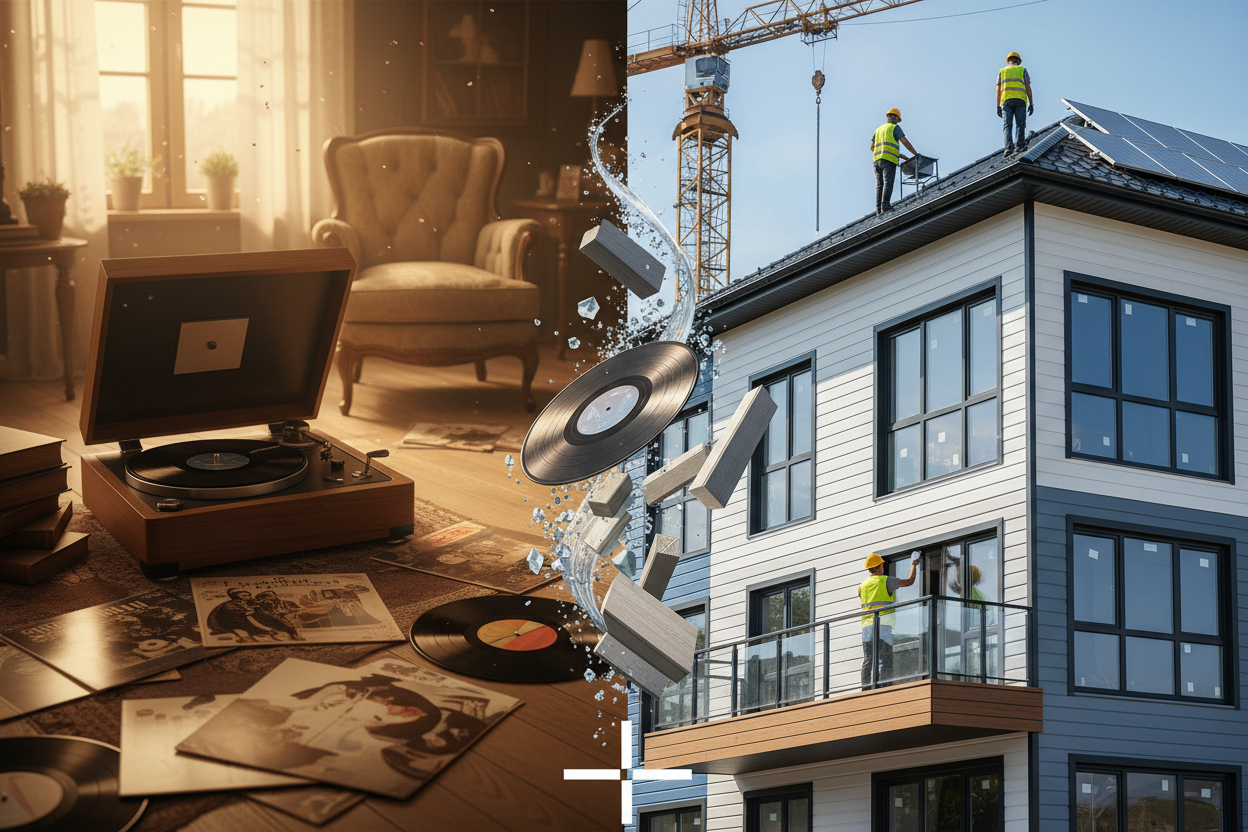
Walking through any modern construction site today, you’ll notice something remarkable happening. The humble vinyl material that once graced our grandparents’ records has evolved into one of the most innovative and versatile building materials of our time. As we stand at the crossroads of sustainability and technological advancement, vinyl building materials are experiencing a renaissance that’s reshaping how we think about construction, durability, and environmental responsibility.
The vinyl building materials industry has come a long way from its early days of basic siding and flooring applications. Today’s manufacturers are pushing boundaries, creating products that not only meet stringent building codes but also address growing concerns about energy efficiency, environmental impact, and long-term performance. This transformation isn’t just about keeping up with trends – it’s about fundamentally reimagining what’s possible in modern construction.
Revolutionary Manufacturing Processes Driving Change
The manufacturing landscape for vinyl building materials is undergoing a dramatic transformation. Advanced polymer chemistry has enabled manufacturers to create vinyl compounds that were unimaginable just a decade ago. These new formulations incorporate nano-additives that enhance everything from UV resistance to antimicrobial properties, making vinyl products more durable and functional than ever before.
One of the most significant breakthroughs has been in the realm of co-extrusion technology. This process allows manufacturers to combine different vinyl formulations in a single product, creating materials with varying properties throughout their structure. For instance, exterior vinyl siding now features a weather-resistant outer layer while maintaining structural integrity through an inner core designed for strength and insulation.
Digital manufacturing techniques are also revolutionizing how vinyl products are produced. Computer-controlled extrusion processes ensure consistent quality while reducing waste, and advanced molding technologies enable the creation of complex profiles and textures that were previously impossible to achieve. These innovations aren’t just improving product quality – they’re making vinyl manufacturing more efficient and environmentally friendly.
Smart Vinyl: Integration with Modern Technology
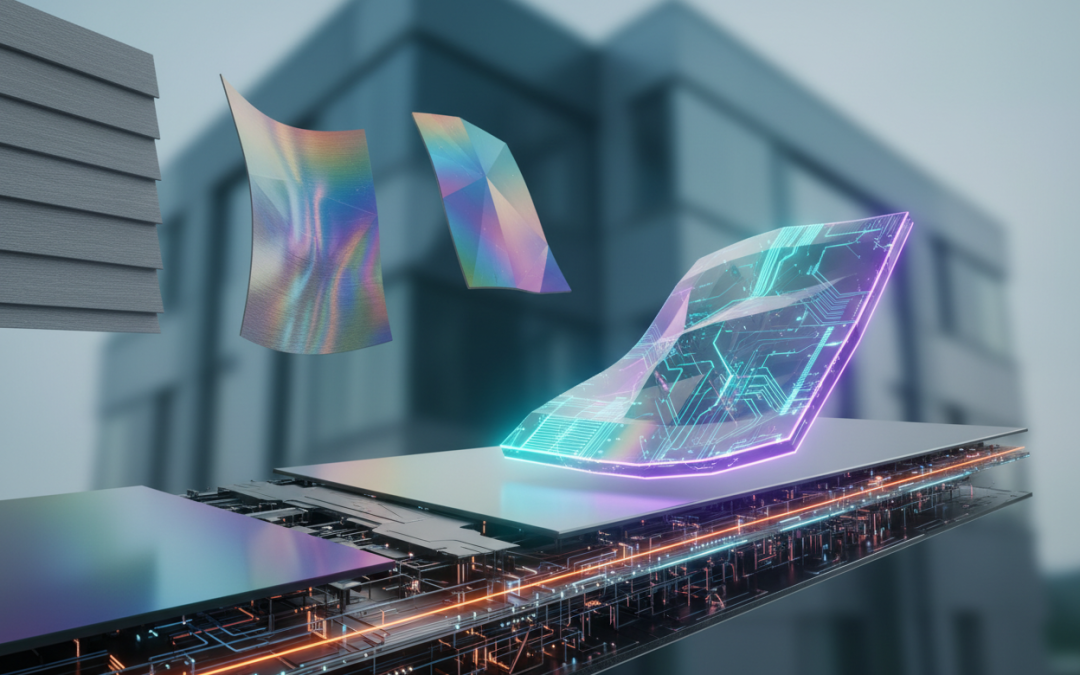
Perhaps the most exciting development in vinyl building materials is their integration with smart technology. Manufacturers are now embedding sensors and conductive elements directly into vinyl products during the manufacturing process. This creates “smart vinyl” that can monitor environmental conditions, detect structural changes, or even generate energy.
Smart vinyl siding systems can now monitor temperature fluctuations, humidity levels, and even detect potential maintenance issues before they become serious problems. These systems communicate with building management software, providing real-time data that helps property owners optimize energy usage and prevent costly repairs.
The integration doesn’t stop at monitoring. Some innovative vinyl products now incorporate photovoltaic cells, turning exterior walls into energy-generating surfaces. While still in early development stages, these solar-integrated vinyl materials represent a glimpse into a future where every building surface contributes to energy production.
Sustainability Initiatives Transforming the Industry
Environmental consciousness is driving some of the most significant innovations in vinyl building materials. The industry has made substantial strides in developing recycling programs that give new life to old vinyl products. Advanced recycling technologies can now break down used vinyl materials and reconstitute them into high-quality new products, creating a true circular economy.
Bio-based vinyl formulations are another groundbreaking development. Researchers have successfully created vinyl compounds that incorporate renewable plant-based materials without compromising performance. These bio-vinyl products maintain all the durability and weather resistance properties that make vinyl attractive while reducing dependence on petroleum-based raw materials.
The carbon footprint of vinyl manufacturing has also seen dramatic improvements. Many manufacturers have invested in renewable energy systems for their production facilities and implemented closed-loop manufacturing processes that minimize waste. Some companies have achieved carbon-neutral production, setting new standards for environmental responsibility in the building materials industry.
Enhanced Durability and Performance Standards
Today’s vinyl building materials far exceed the performance standards of their predecessors. Advanced UV stabilizers now protect vinyl products from sun damage for decades, with some manufacturers offering warranties extending beyond 50 years. This longevity makes vinyl an increasingly attractive option for both residential and commercial applications.
Impact resistance has also seen remarkable improvements. New vinyl formulations can withstand extreme weather conditions, including hurricane-force winds and hail damage, without cracking or breaking. This enhanced durability is particularly important as climate change brings more frequent severe weather events.
Fire resistance properties have been significantly enhanced through innovative additive packages. Modern vinyl building materials can meet stringent fire safety codes while maintaining their other performance characteristics. Some products even include self-extinguishing properties that help prevent fire spread.
Aesthetic Innovations and Design Flexibility
The aesthetic possibilities with modern vinyl materials have expanded exponentially. Advanced printing and texturing technologies now allow vinyl products to convincingly mimic natural materials like wood, stone, and metal while maintaining vinyl’s inherent advantages of low maintenance and durability.
Color technology has also evolved dramatically. New pigment systems provide fade-resistant colors that maintain their vibrancy for decades. Some manufacturers have developed color-changing vinyl that responds to temperature or light conditions, opening up entirely new design possibilities for architects and builders.
Customization capabilities have reached new heights. Digital manufacturing processes allow for small-batch production of custom colors, textures, and profiles, making it economically feasible to create unique vinyl products for specific projects. This flexibility is particularly valuable for restoration projects where matching existing materials is crucial.
Market Applications and Emerging Opportunities
The applications for innovative vinyl building materials continue to expand beyond traditional uses. Healthcare facilities are increasingly adopting antimicrobial vinyl products that help maintain sterile environments. Educational institutions are choosing vinyl materials with enhanced acoustic properties to improve learning environments.
The commercial construction sector has embraced high-performance vinyl systems for curtain walls and exterior cladding. These systems offer the aesthetic appeal of more expensive materials while providing superior weather protection and energy efficiency. The cost savings and reduced maintenance requirements make vinyl an attractive option for large-scale commercial projects.
Infrastructure applications represent a growing market segment. Vinyl materials are being used in bridge construction, tunnel linings, and water treatment facilities where their chemical resistance and durability provide significant advantages over traditional materials.
Future Outlook and Industry Predictions
Looking ahead, the vinyl building materials industry shows no signs of slowing its innovation pace. Researchers are exploring the integration of artificial intelligence into manufacturing processes, which could enable real-time quality adjustments and predictive maintenance of production equipment.
Nanotechnology applications are expected to expand significantly. Future vinyl products may incorporate nanoparticles that provide self-cleaning surfaces, enhanced thermal regulation, or even air purification capabilities. These advances could transform buildings from passive structures into active contributors to environmental health.
The development of truly biodegradable vinyl alternatives is another area of intense research. While maintaining the performance characteristics that make vinyl valuable, these materials would address end-of-life environmental concerns and further enhance the sustainability profile of vinyl building products.
As we look toward the future of vinyl building materials, it’s clear that innovation will continue to drive the industry forward. The combination of advanced manufacturing techniques, smart technology integration, and environmental responsibility is creating products that not only meet today’s building needs but anticipate tomorrow’s challenges. For architects, builders, and property owners, these innovations represent opportunities to create more efficient, durable, and sustainable structures that will serve communities for generations to come.
The vinyl building materials industry stands at an exciting crossroads where tradition meets innovation. As these trends continue to evolve, we can expect to see even more remarkable developments that will further establish vinyl as a cornerstone material in modern construction. The future is bright for vinyl building materials, and the innovations we’re seeing today are just the beginning of what’s possible.
Frequently Asked Questions
Q: Are modern vinyl building materials environmentally friendly?
A: Yes, today’s vinyl building materials are significantly more environmentally friendly than earlier versions. Many manufacturers now use recycled content, offer take-back programs, and have implemented carbon-neutral production processes. Bio-based vinyl formulations are also becoming available.
Q: How long do modern vinyl building materials last?
A: Current vinyl building materials can last 50+ years with proper installation and minimal maintenance. Advanced UV stabilizers and improved formulations have dramatically extended the lifespan compared to older vinyl products.
Q: Can vinyl building materials be recycled?
A: Absolutely. The vinyl industry has developed comprehensive recycling programs, and advanced recycling technologies can break down used vinyl products and reconstitute them into new, high-quality materials without performance degradation.
Q: Are smart vinyl products available for residential use?
A: Smart vinyl products are beginning to enter the residential market, though they’re currently more common in commercial applications. As technology costs decrease, we expect to see wider residential adoption of vinyl materials with integrated sensors and monitoring capabilities.
Q: How do modern vinyl materials compare to traditional building materials in terms of cost?
A: While initial costs may be comparable to traditional materials, vinyl building materials often provide better long-term value due to their durability, low maintenance requirements, and energy efficiency benefits. The total cost of ownership is typically lower than many alternative materials.
Q: Can vinyl building materials withstand extreme weather conditions?
A: Modern vinyl formulations are specifically designed to handle extreme weather conditions, including high winds, hail, temperature fluctuations, and UV exposure. Many products are tested to meet or exceed building codes for hurricane and seismic zones.

















Affordable home window replacement Southmayd Texas

Home replacement window companies Seagoville Texas



Home window replacement near me Van Alstyne Texas




Energy-efficient vinyl windows Lowry Crossing Texas











Window replacement near me Lake Highlands Dallas Texas







Affordable home window replacement Alvarado Texas

House windows prices Lake Highlands Dallas Texas

Howe TX Replacement Siding Installation Services


Coppell TX Replacement Siding Installation Services



Preston Hollow Dallas TX Windows And Siding Replacement