
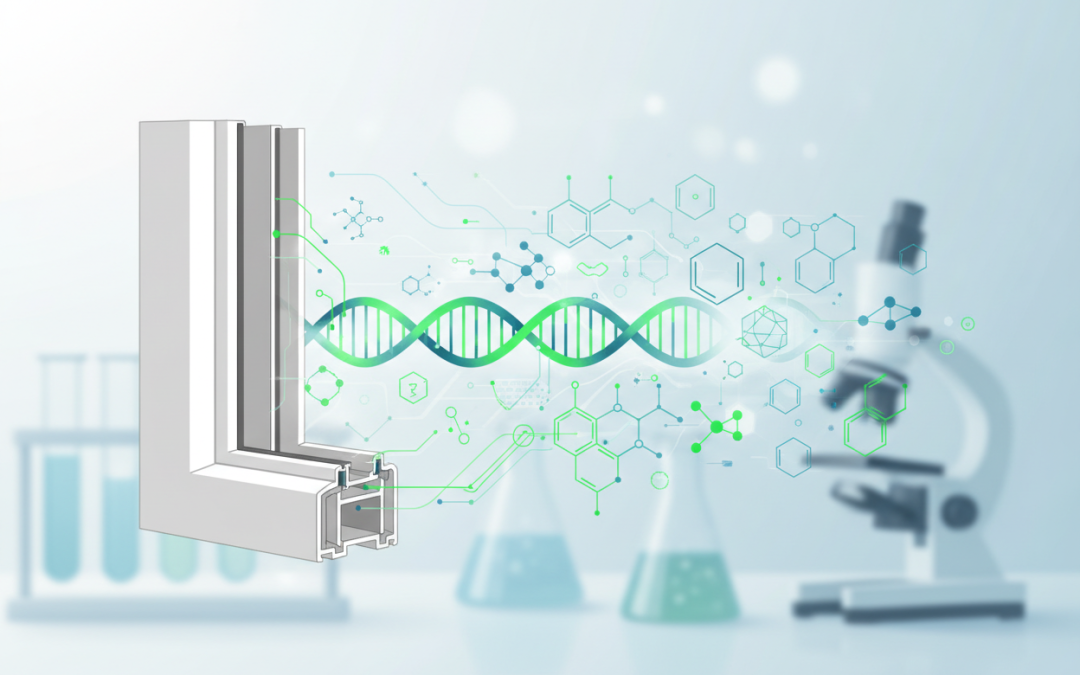
The Hidden Science Behind Vinyl Window Frame Durability
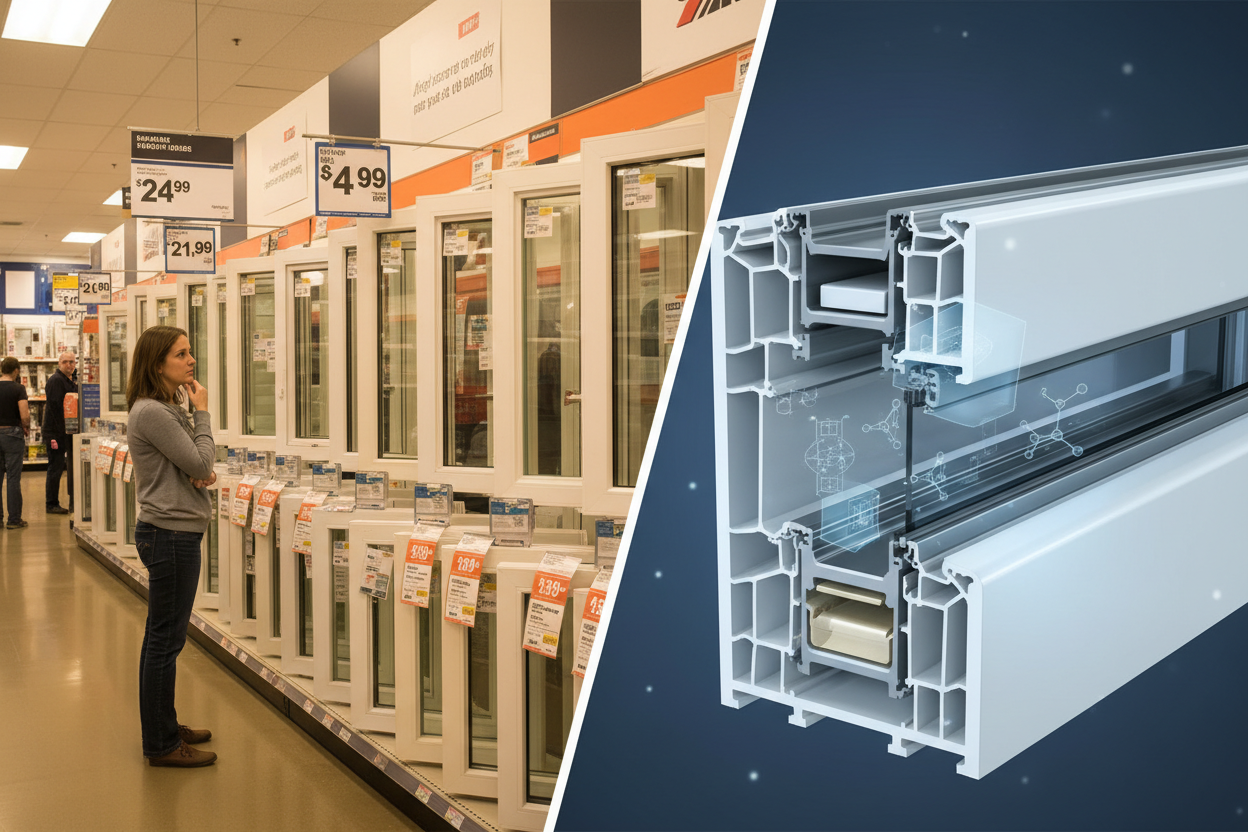
When you’re standing in the home improvement store, staring at different window options, you might wonder why vinyl has become such a popular choice. Is it just about the price, or is there something more sophisticated happening behind those seemingly simple white frames? The truth is, modern vinyl window frames are marvels of materials science, engineered with precision that would make a NASA engineer proud.
I’ve spent years researching building materials, and I can tell you that the science behind vinyl window durability is far more complex than most homeowners realize. From molecular chemistry to advanced manufacturing processes, today’s vinyl windows represent decades of innovation packed into what appears to be a straightforward product.
Understanding PVC: The Foundation of Vinyl Window Strength
At its core, vinyl window frames are made from polyvinyl chloride, commonly known as PVC. But here’s where it gets interesting – not all PVC is created equal. The PVC used in high-quality window frames undergoes a sophisticated formulation process that transforms basic plastic into a remarkably durable material.
The secret lies in the molecular structure. Pure PVC is actually quite brittle, which is why manufacturers add impact modifiers, stabilizers, and processing aids. These additives create a polymer matrix that can withstand temperature fluctuations, UV radiation, and mechanical stress for decades. Think of it as creating a microscopic web of interconnected chains that distribute stress evenly across the material.
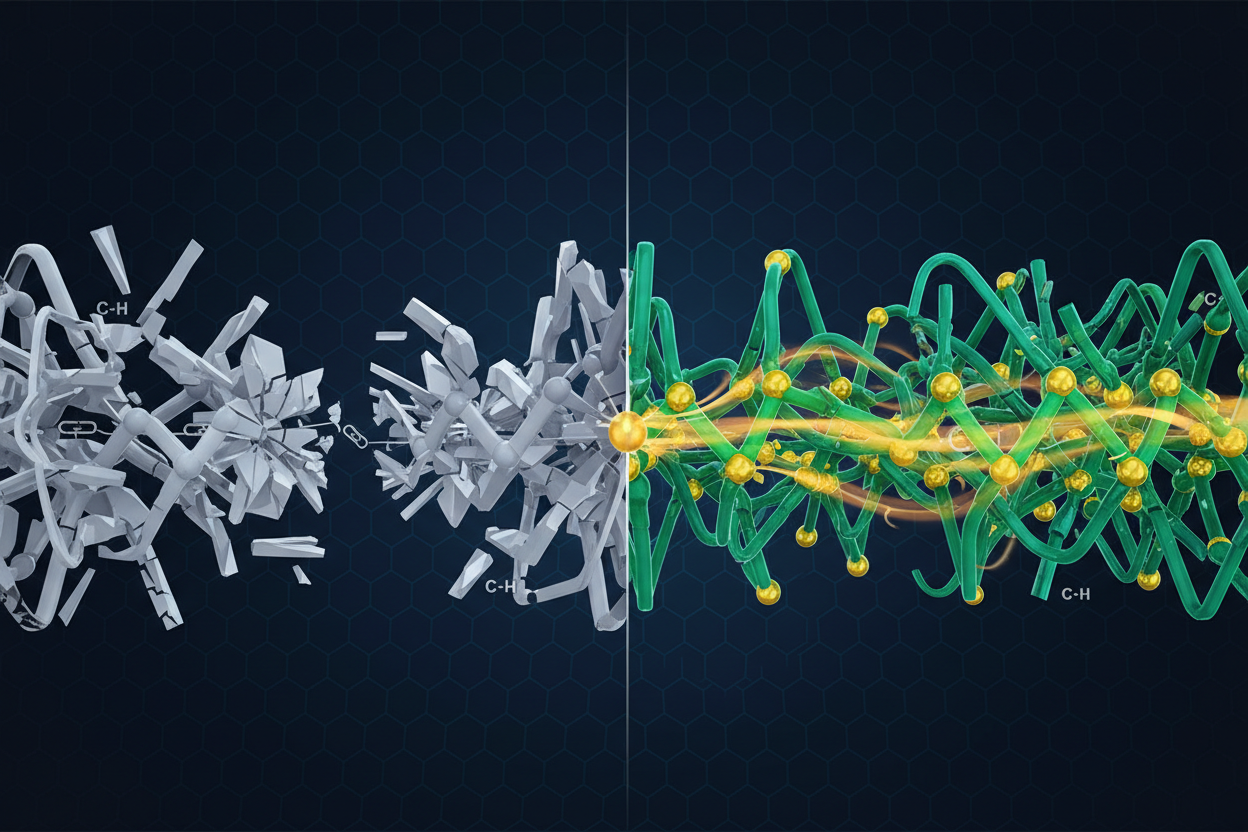
What fascinates me most is how manufacturers control the molecular weight of the PVC compound. Higher molecular weight polymers create stronger, more durable frames, but they’re also harder to process. Finding that sweet spot requires precise chemistry and years of testing.
The Role of Stabilizers in Long-Term Performance
One of the biggest enemies of vinyl windows is heat degradation. When PVC gets hot, it can break down at the molecular level, leading to discoloration and brittleness. This is where stabilizers become crucial players in the durability game.
Modern vinyl windows use advanced stabilizer systems, often based on calcium-zinc or organic compounds, that prevent thermal degradation. These stabilizers work by capturing and neutralizing the hydrochloric acid that PVC naturally releases when heated. Without these chemical guardians, your vinyl windows would start yellowing and becoming brittle within just a few years.
The really clever part is how these stabilizers are distributed throughout the material. Using advanced mixing techniques, manufacturers ensure that every molecule of PVC is protected, creating uniform durability across the entire window frame.
UV Protection: Fighting the Sun’s Relentless Attack
Ultraviolet radiation from the sun is perhaps the most relentless force that vinyl windows face. UV rays have enough energy to break chemical bonds in the polymer chains, leading to surface chalking, color changes, and eventual material failure. The science behind UV protection in vinyl windows is absolutely fascinating.
Manufacturers incorporate UV absorbers and light stabilizers directly into the PVC compound. These molecules act like tiny umbrellas, absorbing harmful UV energy and converting it into harmless heat. But there’s more to it than just adding UV blockers – the entire surface chemistry is designed to resist photodegradation.
Some premium vinyl windows use titanium dioxide as both a pigment and UV protector. This compound not only gives the vinyl its white color but also reflects UV radiation away from the surface. It’s the same ingredient used in high-end sunscreens, and it works just as effectively in protecting your windows.
Impact Resistance: Engineering for Real-World Conditions
Have you ever wondered how vinyl windows can withstand hail, flying debris, or even an accidental baseball from the neighbor’s yard? The answer lies in sophisticated impact modification technology that’s been refined over decades.
Impact modifiers are essentially tiny rubber particles dispersed throughout the rigid PVC matrix. When the window frame experiences a sudden impact, these rubber particles absorb and distribute the energy, preventing crack propagation. It’s similar to how modern car bumpers work – the rigid outer shell is backed by energy-absorbing materials.
The size and distribution of these impact modifiers are critical. Too large, and they create weak points; too small, and they don’t provide adequate protection. Manufacturers use electron microscopy to optimize these parameters, ensuring maximum impact resistance without compromising other properties.
Thermal Expansion and Contraction: The Invisible Challenge
Here’s something most people don’t think about: vinyl expands and contracts significantly more than other window materials. A six-foot vinyl window frame can expand by nearly half an inch on a hot summer day. Managing this movement without compromising the window’s integrity requires some serious engineering.
The science involves understanding the coefficient of thermal expansion and designing the entire window system to accommodate movement. This includes specially designed corner joints, flexible glazing systems, and even the screws used for installation. Everything must work together as a system.
Advanced vinyl formulations include special additives that help reduce thermal expansion while maintaining flexibility. Some manufacturers use multi-chambered designs that create thermal breaks, reducing the overall expansion of the frame.
Manufacturing Precision: Where Chemistry Meets Engineering
The durability of vinyl windows isn’t just about the materials – it’s also about how those materials are processed. Modern vinyl window manufacturing involves precision extrusion processes that would impress any materials scientist.
During extrusion, the PVC compound is heated to exactly the right temperature and forced through precisely designed dies. The cooling process is equally critical – too fast, and internal stresses develop; too slow, and the material properties suffer. Manufacturers use sophisticated temperature control systems and cooling chambers to ensure optimal material properties.
Quality control involves testing samples from every production run for tensile strength, impact resistance, and weathering performance. Some manufacturers even use accelerated aging chambers that simulate decades of weathering in just a few months.
The Future of Vinyl Window Technology
The science behind vinyl window durability continues to evolve. Researchers are working on self-healing polymers that can repair minor scratches automatically, advanced nanocomposites that offer even better UV protection, and smart materials that can change properties based on environmental conditions.
Some exciting developments include the integration of nanotechnology for enhanced surface properties and the use of bio-based additives for improved environmental performance. The next generation of vinyl windows might even incorporate sensors that can monitor their own condition and alert homeowners to maintenance needs.
Conclusion
The next time you look at vinyl windows, remember that you’re seeing the result of decades of materials science research and engineering innovation. What appears to be a simple plastic frame is actually a sophisticated composite material designed to withstand decades of environmental assault while maintaining its appearance and performance.
Understanding the science behind vinyl window durability helps explain why quality matters so much in this industry. The difference between a budget vinyl window and a premium one isn’t just marketing – it’s fundamental differences in materials science, manufacturing precision, and quality control.
Whether you’re a homeowner considering new windows or just someone curious about the technology around us, I hope this glimpse into the hidden science of vinyl windows has been as fascinating for you as it is for me. The intersection of chemistry, engineering, and real-world performance requirements creates some truly remarkable solutions.
Frequently Asked Questions
How long do vinyl window frames typically last?
High-quality vinyl window frames can last 20-40 years or more with proper maintenance. The actual lifespan depends on the quality of materials, manufacturing processes, installation, and environmental conditions. Premium vinyl windows with advanced UV stabilizers and impact modifiers tend to last longer than budget alternatives.
Do vinyl windows become brittle over time?
Modern vinyl windows are formulated with impact modifiers and stabilizers specifically to prevent brittleness. While older vinyl formulations from decades ago could become brittle, today’s high-quality vinyl windows maintain their flexibility and impact resistance throughout their service life when properly manufactured.
Why do some vinyl windows turn yellow while others stay white?
Yellowing occurs when vinyl is exposed to heat and UV radiation without adequate stabilizers. Quality vinyl windows use advanced stabilizer systems and UV absorbers to prevent discoloration. Windows that turn yellow typically use lower-grade PVC compounds or inadequate stabilizer packages.
Can vinyl window frames be recycled?
Yes, vinyl window frames can be recycled. PVC is a thermoplastic that can be reprocessed multiple times. Many manufacturers participate in recycling programs, and the vinyl can be turned into new windows, fencing, or other products. However, the recycling infrastructure varies by location.
How do vinyl windows perform in extreme weather conditions?
Modern vinyl windows are engineered to perform well in extreme conditions. They’re tested for temperature ranges from -40°F to 180°F, hurricane-force winds, and severe UV exposure. The key is choosing windows specifically designed and tested for your local climate conditions.
What’s the difference between virgin vinyl and recycled vinyl in window frames?
Virgin vinyl uses new PVC resin, while recycled vinyl incorporates previously used PVC material. High-quality manufacturers typically use virgin vinyl for structural components and may use recycled content for non-structural elements. The performance difference depends on the recycling process and quality control measures used.

Home window replacement near me Midlothian Texas










Home window replacement near me Cedar Hill Texas















Home replacement window companies Gainesville Texas







Energy-efficient vinyl windows Valley View Texas



Affordable home window replacement Haltom City Texas




















Euless TX Replacement Siding Installation Services