
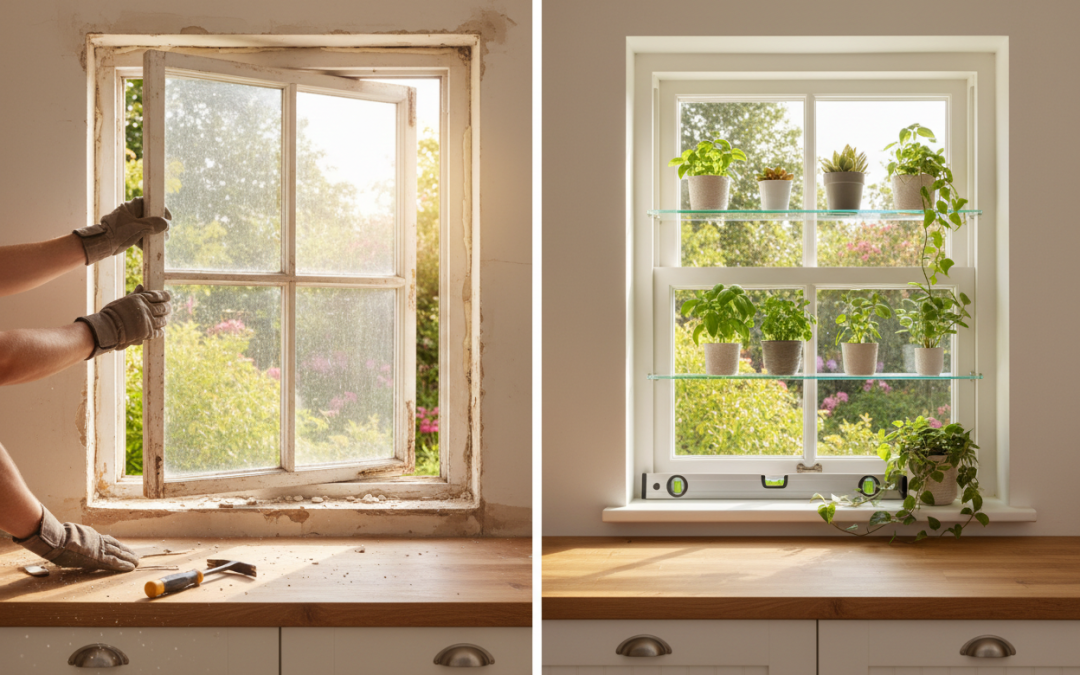
The Complete Guide to Garden Window Replacement: Transform Your Kitchen with Natural Light and Style
Garden windows have become increasingly popular among homeowners looking to bring more natural light into their kitchens while creating a charming space for growing herbs and small plants. If you’re considering garden window replacement, you’re making a smart investment that can dramatically enhance both the functionality and aesthetic appeal of your home. This comprehensive guide will walk you through everything you need to know about replacing your garden window, from planning to installation and beyond.
What Is a Garden Window and Why Replace It?
A garden window is a three-dimensional window that projects outward from your home’s exterior wall, creating a small greenhouse-like space inside your kitchen or other room. Unlike traditional flat windows, garden windows feature a bottom shelf perfect for displaying plants, decorative items, or storing frequently used kitchen essentials.
You might consider garden window replacement for several reasons. Perhaps your current window is showing signs of wear, such as foggy glass, drafts, or difficulty opening and closing. Maybe you’re renovating your kitchen and want to upgrade to a more energy-efficient model. Or you might simply want to change the style to better match your home’s updated aesthetic.
The benefits of a new garden window extend far beyond mere functionality. These windows can increase your home’s value, reduce energy costs when you choose high-efficiency models, and provide a delightful focal point that connects your indoor space with the outdoors.
Types of Garden Windows for Replacement
When planning your garden window replacement, you’ll encounter several style options, each with its own unique characteristics and benefits.
Traditional garden windows feature a rectangular box design with fixed side panels and a vented top or front panel. These classic models offer excellent growing space and work well in most kitchen designs. They typically extend 12 to 16 inches from your wall, providing ample room for plants and decorative items.

Bay-style garden windows combine the projection of a traditional garden window with the elegant curved appearance of a bay window. These models often feature angled side panels that create a more spacious feel and allow for better light distribution throughout your room.
Greenhouse-style garden windows maximize growing potential with multiple shelves and extensive glazing. If you’re serious about indoor gardening, this style offers the most space and light for your plants, though it requires more structural support during installation.
Materials and Frame Options
The frame material you choose for your garden window replacement will significantly impact both the window’s performance and maintenance requirements. Each material offers distinct advantages that suit different budgets and preferences.
Vinyl frames have gained popularity due to their affordability and low maintenance requirements. They resist moisture, won’t rot or warp, and never need painting. However, vinyl can expand and contract with temperature changes, and color options are somewhat limited.
Wood frames provide timeless beauty and excellent insulation properties. They can be painted or stained to match any decor and offer superior structural strength. The downside is that wood requires regular maintenance to prevent rot, warping, and insect damage, especially in the moisture-rich environment of a kitchen.
Aluminum frames offer durability and strength while maintaining a sleek, modern appearance. They’re resistant to rust and corrosion, making them ideal for coastal areas. However, aluminum conducts heat and cold more readily than other materials, which can impact energy efficiency.
Fiberglass frames represent a premium option that combines the best features of other materials. They’re extremely durable, energy-efficient, and can be painted to match your home’s color scheme. The main drawback is their higher initial cost compared to vinyl or aluminum options.
Planning Your Garden Window Replacement Project
Successful garden window replacement begins with careful planning and accurate measurements. Start by measuring your existing window opening, noting both the width and height of the rough opening behind your current window trim.
Consider the structural requirements of your chosen garden window. These windows are heavier than traditional flat windows and extend outward from your home, creating additional load on the wall structure. You may need to install additional framing or support brackets, particularly for larger or heavier models.
Check with your local building department about permit requirements. While some garden window replacements may not require permits, others might, especially if you’re changing the window size or making structural modifications. It’s better to check beforehand than face complications later.
Think about the seasonal timing of your project. Garden window replacement involves temporarily opening your home’s exterior wall, so scheduling the work during mild weather will make the process more comfortable and reduce the risk of weather-related delays.
DIY vs Professional Installation
The decision between DIY installation and hiring professionals depends on your skill level, available time, and the complexity of your specific project. Garden window replacement involves several challenging aspects that differ from standard window installation.
DIY installation can save money on labor costs and give you complete control over the timeline. If you have experience with home improvement projects, basic carpentry skills, and the necessary tools, you might successfully complete the installation yourself. However, garden windows require precise measurements, proper flashing installation, and structural considerations that can be challenging for inexperienced installers.
Professional installation offers several advantages, including expertise in handling structural modifications, proper weatherproofing techniques, and warranty protection. Professional installers have the experience to handle unexpected complications and can often complete the job more quickly than DIY approaches.
Consider hiring professionals if your installation involves structural changes, if you’re uncomfortable working at heights, or if you lack the specialized tools required for the job. The cost of professional installation often pays for itself through proper installation that prevents future problems.
Step-by-Step Installation Process
Whether you’re tackling the installation yourself or overseeing professional work, understanding the installation process helps ensure a successful garden window replacement.
The process begins with carefully removing your existing window while preserving the surrounding wall structure. This step requires patience and precision to avoid damaging the wall or creating unnecessary repair work.
Next, the rough opening may need modification to accommodate your new garden window’s dimensions and structural requirements. This might involve adjusting the framing, adding support brackets, or modifying the sill.
Proper flashing installation is crucial for preventing water infiltration. The installer will apply flashing tape and materials around the opening, paying special attention to the bottom sill and corners where water might collect.
The garden window is then carefully positioned and secured in the opening. This step often requires multiple people due to the window’s size and weight. Proper alignment is essential for smooth operation and weather sealing.
Finally, the installation is completed with interior and exterior trim work, caulking, and final adjustments to ensure proper operation and weather sealing.
Energy Efficiency Considerations
Modern garden windows offer significantly better energy efficiency than older models, but choosing the right features can maximize your energy savings and comfort.
Look for windows with Low-E glass coatings that reduce heat transfer while still allowing plenty of natural light. These coatings can significantly reduce your heating and cooling costs while protecting your plants and furnishings from harmful UV rays.
Multiple-pane glass construction provides better insulation than single-pane options. Double-pane windows are standard, while triple-pane options offer even better energy performance in extreme climates.
Pay attention to the window’s U-factor and Solar Heat Gain Coefficient (SHGC) ratings. Lower U-factors indicate better insulation properties, while SHGC ratings help you choose windows that balance solar heat gain with your climate’s requirements.
Proper installation is just as important as choosing an efficient window. Even the most energy-efficient garden window will underperform if it’s not properly sealed and insulated during installation.
Maintenance and Care Tips
Proper maintenance extends the life of your garden window replacement and ensures continued performance and beauty. Regular cleaning keeps the glass clear and prevents buildup that can block light to your plants.
Clean the glass surfaces regularly using appropriate cleaning solutions and techniques. Avoid abrasive cleaners that can scratch the glass or damage special coatings. For hard-to-reach exterior surfaces, consider hiring professional window cleaners periodically.
Inspect and maintain the window’s moving parts, including hinges, locks, and weatherstripping. Lubricate hinges annually with appropriate lubricants, and replace weatherstripping when it shows signs of wear or damage.
Monitor the caulking around your garden window and touch up as needed to prevent water infiltration. Pay special attention to areas where different materials meet, as these are common failure points.
If you use your garden window for growing plants, ensure proper drainage to prevent water damage to the window frame and surrounding wall. Use saucers under pots and avoid overwatering, which can create excess moisture.
Cost Factors and Budgeting
Garden window replacement costs vary significantly based on several factors, and understanding these variables helps you budget effectively for your project.
The window itself typically represents the largest portion of your budget. Basic vinyl garden windows might cost a few hundred dollars, while premium wood or fiberglass models with advanced features can cost several thousand dollars.
Installation costs depend on the complexity of your project and local labor rates. Simple replacement installations cost less than projects requiring structural modifications or extensive trim work.
Don’t forget to budget for potential additional costs, such as permits, disposal of your old window, or repairs to surrounding areas. These smaller expenses can add up quickly if not planned for in advance.
Consider the long-term value when making your decision. While premium windows cost more initially, they often provide better energy efficiency, durability, and warranty protection that can save money over time.
Frequently Asked Questions
How long does garden window replacement typically take?
Most garden window replacements can be completed in one to two days, depending on the complexity of the installation and whether structural modifications are needed. Simple replacements in existing openings often take just a few hours, while projects requiring framing changes may take longer.
Can I replace a regular window with a garden window?
Yes, but this conversion often requires structural modifications since garden windows are heavier and project outward from the wall. You may need additional framing support and will likely need to modify the exterior siding and interior trim.
What’s the best material for a garden window in a kitchen?
Vinyl and fiberglass frames perform well in kitchen environments due to their moisture resistance and low maintenance requirements. Wood frames can work but require more maintenance in the humid kitchen environment.
Do garden windows require special structural support?
Most garden windows require some additional structural support compared to flat windows due to their weight and projection from the wall. The specific requirements depend on the window size and your home’s construction.
How do I prevent condensation in my garden window?
Ensure proper ventilation around your garden window and avoid overwatering plants. Use well-draining pots with saucers, and consider running exhaust fans during cooking to reduce kitchen humidity levels.
Can garden windows be opened for ventilation?
Many garden windows include operable vents, typically in the front panel or top section. These vents provide air circulation for your plants and help regulate temperature and humidity in the window space.
Conclusion
Garden window replacement represents an excellent opportunity to enhance your home’s functionality, energy efficiency, and aesthetic appeal. By carefully considering your options for materials, styles, and installation approaches, you can choose a solution that perfectly fits your needs and budget.
Remember that successful garden window replacement depends on proper planning, quality materials, and skilled installation. Whether you choose to tackle the project yourself or hire professionals, understanding the process helps ensure the best possible outcome for your investment.
Take time to research your options, gather multiple quotes if hiring professionals, and don’t rush the decision-making process. A well-chosen and properly installed garden window will provide years of enjoyment and value, making it a worthwhile addition to any home improvement project.



Home window replacement near me Carrollton Texas




Home replacement window companies Haltom City Texas







Energy-efficient vinyl windows Highland Park Texas

How much does it cost for vinyl replacement windows Prosper Texas





Home replacement window companies Arlington Texas











How much does it cost for vinyl replacement windows Rose Hill Texas



Replacement window cost North Richland Hills Texas





Replacement windows cost Preston Hollow Dallas Texas









Balch Springs TX Vinyl Siding Replacement Near Me
















Van Alstyne TX Cost Of Vinyl Siding Replacement