
Siding Replacement and Exterior Painting: Timing Considerations for Maximum Impact and Savings
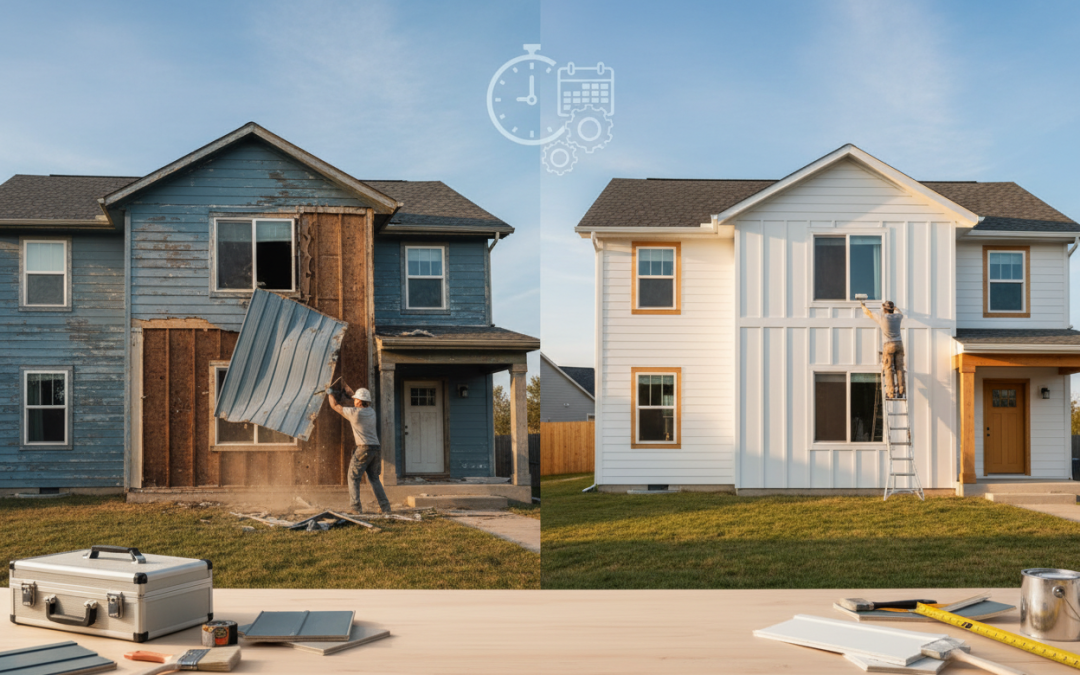
When it comes to home exterior renovations, few decisions are as impactful as siding replacement and exterior painting. These projects not only transform your home’s curb appeal but also protect your investment for years to come. However, the timing of these renovations can make the difference between a smooth, cost-effective project and a stressful, expensive ordeal.
Whether you’re dealing with aging siding that’s seen better days or planning a complete exterior makeover, understanding when to tackle these projects can save you thousands of dollars and countless headaches. The key lies in coordinating these improvements strategically, considering everything from weather patterns to contractor availability and your home’s specific needs.
Understanding the Relationship Between Siding and Painting Projects
Before diving into timing considerations, it’s crucial to understand how siding replacement and exterior painting work together. These aren’t just separate home improvement projects that happen to involve your home’s exterior – they’re interconnected elements that can significantly impact each other’s success and longevity.
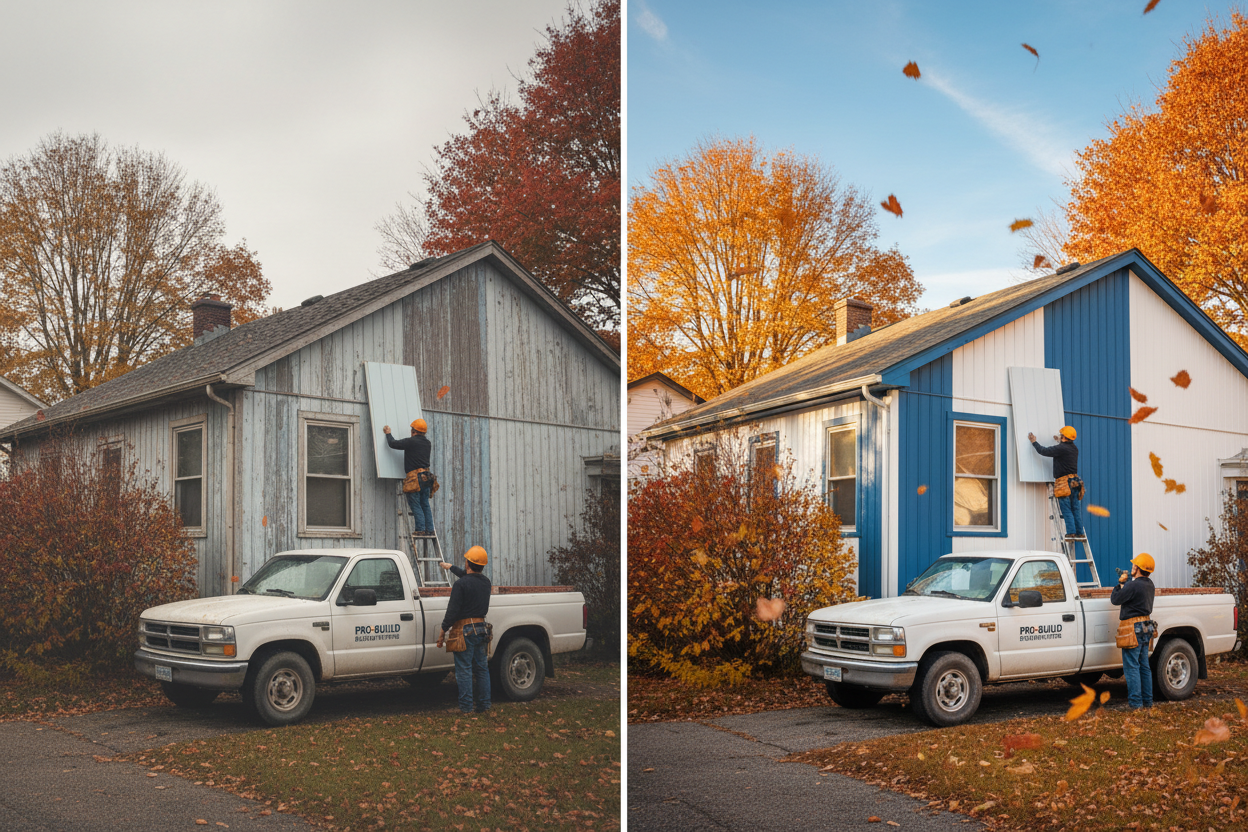
When you replace siding, you’re essentially starting with a clean slate. New siding often comes pre-finished or requires immediate protection through painting or staining. On the flip side, if you’re planning to paint your home’s exterior, the condition of your existing siding will determine whether painting is even worthwhile or if replacement should come first.
Smart homeowners recognize that coordinating these projects can lead to better results and substantial cost savings. Contractors often provide package deals when you bundle services, and the logistics become much simpler when you’re working with one team that understands both aspects of your exterior renovation.
Optimal Seasons for Siding Replacement
Timing your siding replacement correctly can mean the difference between a project that flows smoothly and one plagued by weather delays and complications. The ideal season for siding installation depends on several factors, including your local climate, the type of siding material you’ve chosen, and your contractor’s schedule.
Spring emerges as the most popular season for siding replacement, and for good reason. Temperatures are moderate, humidity levels are generally manageable, and contractors are eager to start their busy season. However, this popularity comes with a downside – higher demand often translates to higher prices and longer wait times for scheduling.
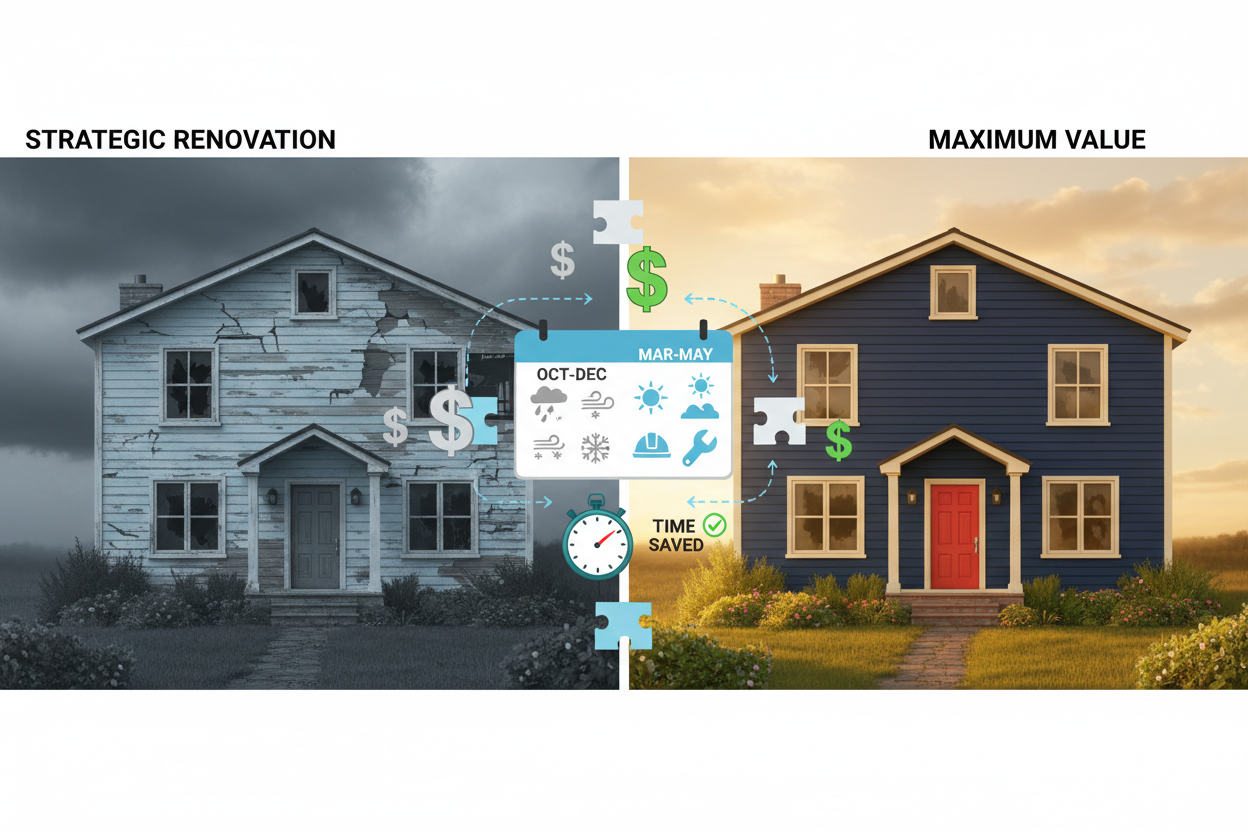
Fall presents an excellent alternative that many homeowners overlook. The weather remains favorable in most regions, contractors may offer better pricing as they prepare for the slower winter months, and you’ll have your new siding installed before harsh winter weather arrives. This timing also sets you up perfectly for exterior painting in the following spring.
Summer can work well for siding projects, but extreme heat can make the work more challenging for installers and may affect certain materials. Winter installations are generally not recommended except in emergency situations, as cold temperatures can make materials brittle and working conditions dangerous.
Best Weather Conditions for Exterior Painting
Exterior painting is perhaps even more weather-dependent than siding installation. Paint needs specific conditions to cure properly, and ignoring these requirements can result in poor adhesion, uneven coverage, and premature failure that will have you repainting much sooner than expected.
The sweet spot for exterior painting falls between 50 and 85 degrees Fahrenheit, with low humidity and no precipitation in the forecast. These conditions allow paint to flow smoothly during application and cure evenly without rushing or dragging. Most professional painters prefer temperatures in the 60-75 degree range for optimal results.
Humidity plays a crucial role that many homeowners underestimate. High humidity can prevent paint from drying properly, leading to a tacky finish that attracts dirt and debris. Conversely, extremely low humidity can cause paint to dry too quickly, resulting in brush marks and an uneven appearance.
Wind conditions matter more than you might think. While a light breeze can actually help with drying, strong winds can blow debris onto wet paint and make spray application nearly impossible. Professional painters often start early in the morning when winds are typically calmer.
Should You Replace Siding Before Painting?
This question keeps many homeowners up at night, especially when budget constraints make it tempting to postpone one project in favor of the other. The answer isn’t always straightforward, but there are clear indicators that can guide your decision.
If your existing siding shows signs of significant damage – such as warping, cracking, rot, or pest infiltration – replacement should take priority. Painting over compromised siding is like putting a band-aid on a broken bone; it might look better temporarily, but the underlying problems will only worsen.
Consider the age and material of your current siding. Wood siding that’s been well-maintained might benefit from a quality paint job, extending its life by several years. However, if you’re dealing with old aluminum siding or vinyl that’s faded beyond repair, replacement often proves more cost-effective in the long run.
The scope of your renovation goals also matters. If you’re planning to change your home’s color scheme dramatically or switch from a stained to a painted finish, new siding might be necessary to achieve the look you want. Some materials simply don’t hold certain types of finishes well.
Coordinating Both Projects for Maximum Efficiency
When circumstances allow for both siding replacement and exterior painting, coordinating these projects can create synergies that benefit your timeline, budget, and final results. The key lies in understanding the logical sequence and finding contractors who can work together seamlessly.
The most efficient approach typically involves completing siding installation first, followed immediately by painting or staining. This sequence ensures that any minor damage or scuff marks from the siding installation get covered during the painting process. It also allows you to address the entire exterior envelope as one cohesive project.
Working with a contractor who handles both services can streamline communication, reduce coordination headaches, and often result in cost savings. These professionals understand how the two processes interact and can plan the work flow to minimize delays and maximize quality.
If you must use separate contractors, clear communication becomes essential. Make sure both teams understand the timeline and coordinate their schedules well in advance. The siding contractor should know that painting will follow immediately, encouraging them to take extra care with the finish quality of their installation.
Budget Planning and Cost Considerations
Financial planning for exterior renovations requires more than just adding up material and labor costs. Smart budgeting considers timing-related factors that can significantly impact your total investment and long-term value.
Seasonal pricing fluctuations affect both siding and painting projects. Spring typically brings premium pricing due to high demand, while fall and early winter might offer opportunities for better deals. However, don’t let potential savings drive you toward unsuitable weather conditions that could compromise quality.
Bundle pricing often provides the best value when you’re tackling both projects. Many contractors offer package deals that reduce the overall cost compared to hiring separate teams. Even if the upfront investment seems higher, the long-term savings and convenience often justify the expense.
Consider the hidden costs of poor timing. Rushing into painting before siding work is complete might mean paying for touch-ups later. Similarly, delaying painting after siding installation could expose your new materials to weather damage that affects their longevity.
Climate and Regional Factors
Your local climate plays a starring role in determining the best timing for exterior renovations. What works perfectly in Arizona might be disastrous in Minnesota, and coastal regions face different challenges than inland areas.
Regions with distinct seasonal patterns need careful planning around weather windows. Northern climates might have only a few months suitable for exterior work, making coordination even more critical. Southern regions might have more flexibility but need to work around intense summer heat and humidity.
Coastal areas deal with salt air and higher humidity levels that affect both material selection and optimal working conditions. Mountain regions face rapid weather changes and shorter working seasons. Understanding your specific regional challenges helps you plan more effectively and choose materials that will perform well in your environment.
Local building codes and permit requirements can also affect timing. Some regions have restrictions on when certain types of exterior work can be performed, particularly in historic districts or areas with strict noise ordinances.
Working with Contractors: Scheduling and Communication
The success of your exterior renovation project often hinges on effective contractor relationships and clear communication about timing expectations. Finding the right professionals and managing the coordination process requires strategy and patience.
Start your contractor search well before you need the work completed. The best contractors book up months in advance, especially during peak season. Early planning gives you access to top-tier professionals and better pricing options.
When interviewing contractors, discuss your timeline expectations upfront. A reputable professional will be honest about realistic completion dates and potential weather-related delays. Be wary of contractors who promise unrealistic timelines or seem unconcerned about weather conditions.
Establish clear communication protocols from the beginning. Regular updates about progress, weather delays, and any issues that arise help prevent misunderstandings and keep your project on track. Make sure you understand how weather delays will be handled and whether your contract includes provisions for schedule adjustments.
Conclusion
Timing your siding replacement and exterior painting projects requires balancing multiple factors – weather conditions, contractor availability, budget considerations, and your home’s specific needs. The most successful exterior renovations result from careful planning that considers these elements holistically rather than in isolation.
Remember that while timing is important, quality should never be compromised for the sake of meeting an arbitrary deadline. Weather-related delays are often inevitable, and pushing forward under poor conditions typically leads to results that disappoint and cost more in the long run.
The investment you make in proper timing and coordination will pay dividends in the form of better results, lower stress, and exterior improvements that protect and beautify your home for years to come. Take the time to plan carefully, choose your contractors wisely, and remain flexible when Mother Nature has other plans.
Frequently Asked Questions
How long should I wait between siding installation and exterior painting?
For most siding materials, you can paint immediately after installation if weather conditions are suitable. However, some materials like cedar may benefit from a brief weathering period of 2-4 weeks to allow natural oils to stabilize before painting.
Can I paint over old siding instead of replacing it?
This depends on the condition of your existing siding. If it’s structurally sound with only cosmetic issues, painting can be a cost-effective solution. However, if there’s damage, rot, or significant wear, replacement is typically the better long-term investment.
What’s the ideal temperature range for exterior painting?
Most paint manufacturers recommend applying exterior paint when temperatures are between 50-85°F, with optimal conditions being 60-75°F. Avoid painting in direct sunlight or when temperatures are expected to drop below 50°F within 24 hours of application.
How far in advance should I schedule siding and painting projects?
For spring projects, start planning in late fall or early winter. Popular contractors often book 3-6 months in advance during peak season. Fall projects might require 2-3 months advance planning, while winter emergency work may have shorter lead times.
Is it more cost-effective to hire one contractor for both siding and painting?
Often yes, especially if the contractor specializes in both services. Bundle pricing typically offers savings compared to hiring separate contractors, plus you benefit from simplified coordination and communication. However, always compare quotes and check references regardless of the approach you choose.



Vinyl replacement windows North Richland Hills Texas
















Affordable home window replacement Garland Texas






Affordable home window replacement Alvarado Texas


Affordable replacement windows Caddo Mills Texas