
The Truth About Vinyl Siding Expansion and Contraction: What Every Homeowner Needs to Know
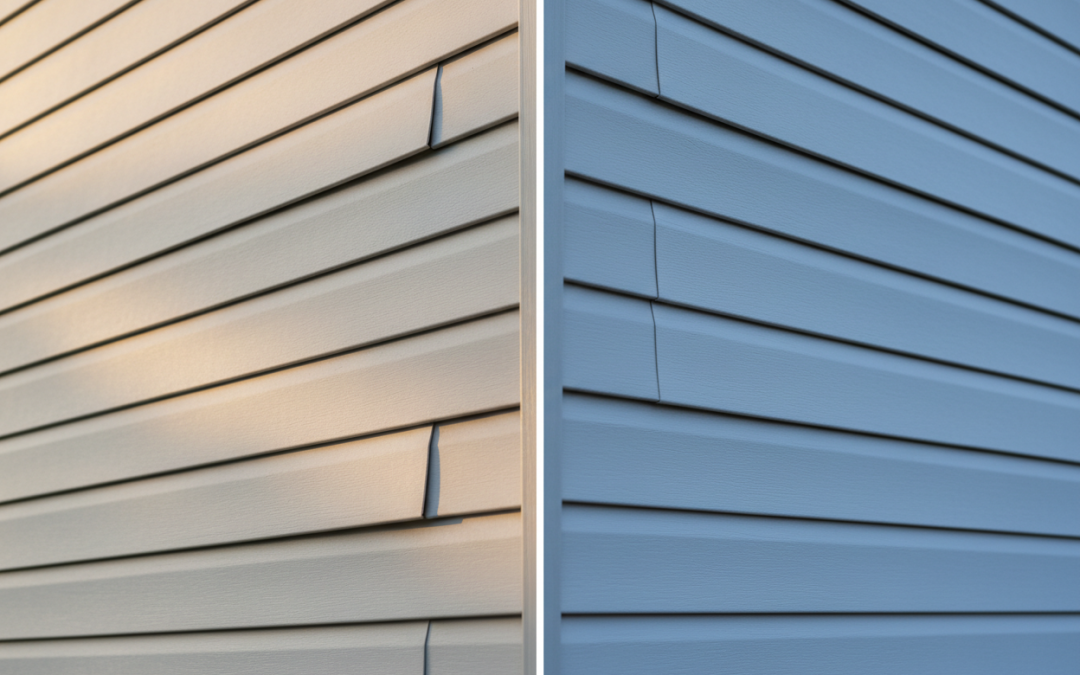
If you’ve ever noticed your vinyl siding making strange popping sounds during hot summer days or wondered why there are gaps between panels, you’re witnessing one of the most important characteristics of this popular building material. Vinyl siding expansion and contraction is a natural phenomenon that affects every home with this exterior covering, yet many homeowners remain unaware of its implications.
Understanding how vinyl siding responds to temperature changes isn’t just academic knowledge – it’s crucial information that can save you thousands in repair costs and help you maintain your home’s appearance and structural integrity. Let me walk you through everything you need to know about this fascinating yet practical aspect of home maintenance.
Understanding the Science Behind Vinyl Siding Movement
Vinyl siding is essentially a plastic material, specifically polyvinyl chloride (PVC), which means it responds significantly to temperature fluctuations. Unlike wood or fiber cement, vinyl has a much higher coefficient of thermal expansion, making it one of the most temperature-sensitive siding materials on the market.
When temperatures rise, vinyl molecules become more active and spread apart, causing the material to expand. Conversely, when temperatures drop, these molecules slow down and move closer together, resulting in contraction. This process happens continuously throughout the day and across seasons, creating a constant state of movement in your siding.
The amount of movement might surprise you. A 12-foot piece of vinyl siding can expand or contract by as much as half an inch when the temperature changes by 100 degrees Fahrenheit. That’s why proper installation techniques are absolutely critical for long-term performance.
Factors That Influence Vinyl Siding Expansion Rates
Several variables affect how much your vinyl siding will expand and contract, and understanding these factors helps explain why some homes experience more noticeable movement than others.
Color plays a significant role in expansion rates. Dark-colored siding absorbs more heat from sunlight, reaching higher surface temperatures than lighter colors. A dark blue or forest green panel might expand 25% more than a white or cream-colored panel under identical conditions. This is why many manufacturers offer limited color options in certain climates.
Geographic location and climate patterns also heavily influence expansion behavior. Homes in regions with extreme temperature variations, such as the northern United States or Canada, experience more dramatic expansion and contraction cycles than those in moderate climates. Desert regions present unique challenges with intense daily temperature swings.
The quality and thickness of the vinyl material matter too. Premium siding products often incorporate additives that help stabilize the material against temperature changes, while thinner, budget-grade options may show more pronounced movement.
Proper Installation Techniques to Accommodate Movement
Professional installers who understand vinyl’s behavior use specific techniques to accommodate this natural movement. These methods are crucial for preventing damage and ensuring your siding looks great for decades.
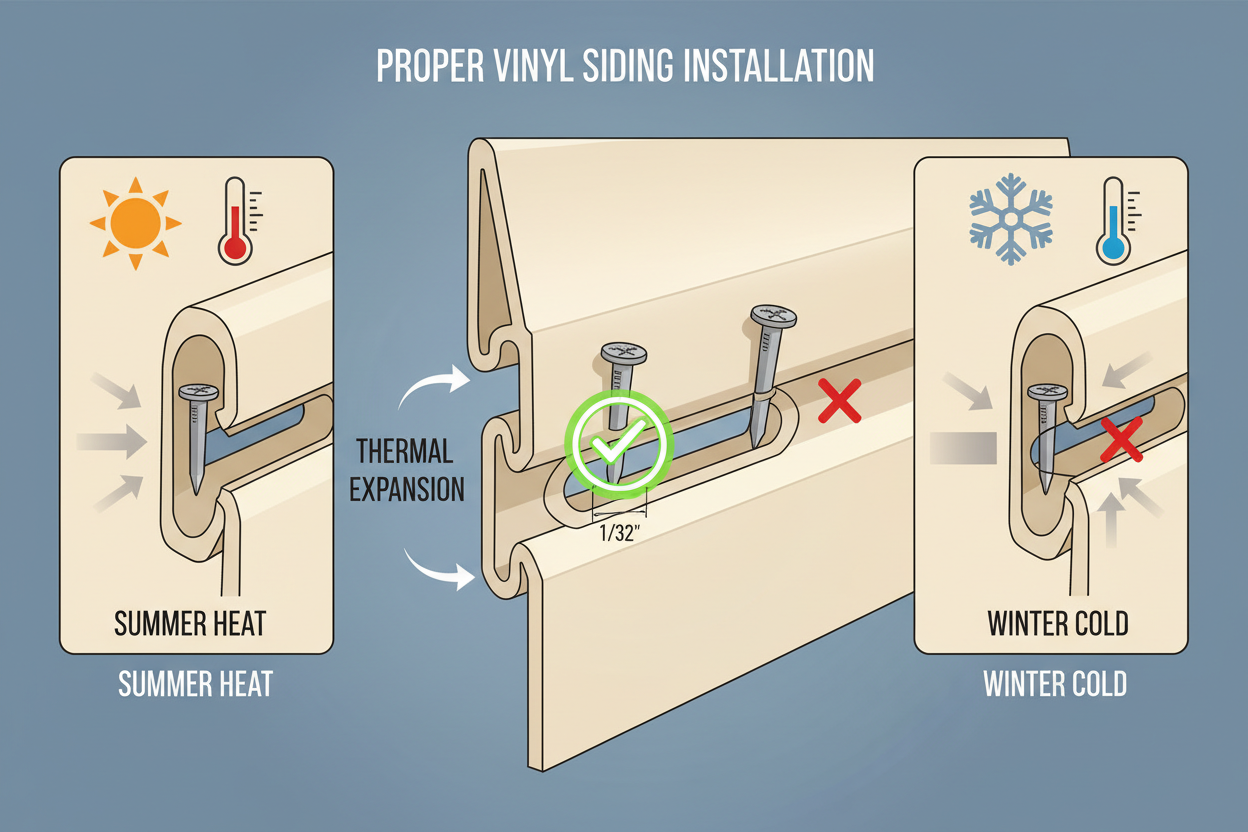
The most important installation principle is leaving adequate expansion gaps. Installers should never nail siding tightly against adjacent panels, corners, or trim pieces. Instead, they leave approximately 1/4 inch of space to allow for expansion. This might seem like a lot, but it’s necessary to prevent buckling and warping.
Nail placement is equally critical. Nails should be driven into the center of the nail slots, not at either end, allowing the siding to slide freely as it expands and contracts. The nails should be snug but not tight – there should be about 1/32 inch of space between the nail head and the siding surface.
Seasonal installation considerations also matter. Siding installed during cold weather needs larger expansion gaps because the material will expand significantly when warm weather arrives. Conversely, installation during hot weather requires careful attention to ensure adequate room for contraction.
Common Problems Caused by Improper Installation
When vinyl siding isn’t installed with expansion and contraction in mind, several problems can develop over time. These issues often don’t appear immediately, making them particularly frustrating for homeowners.
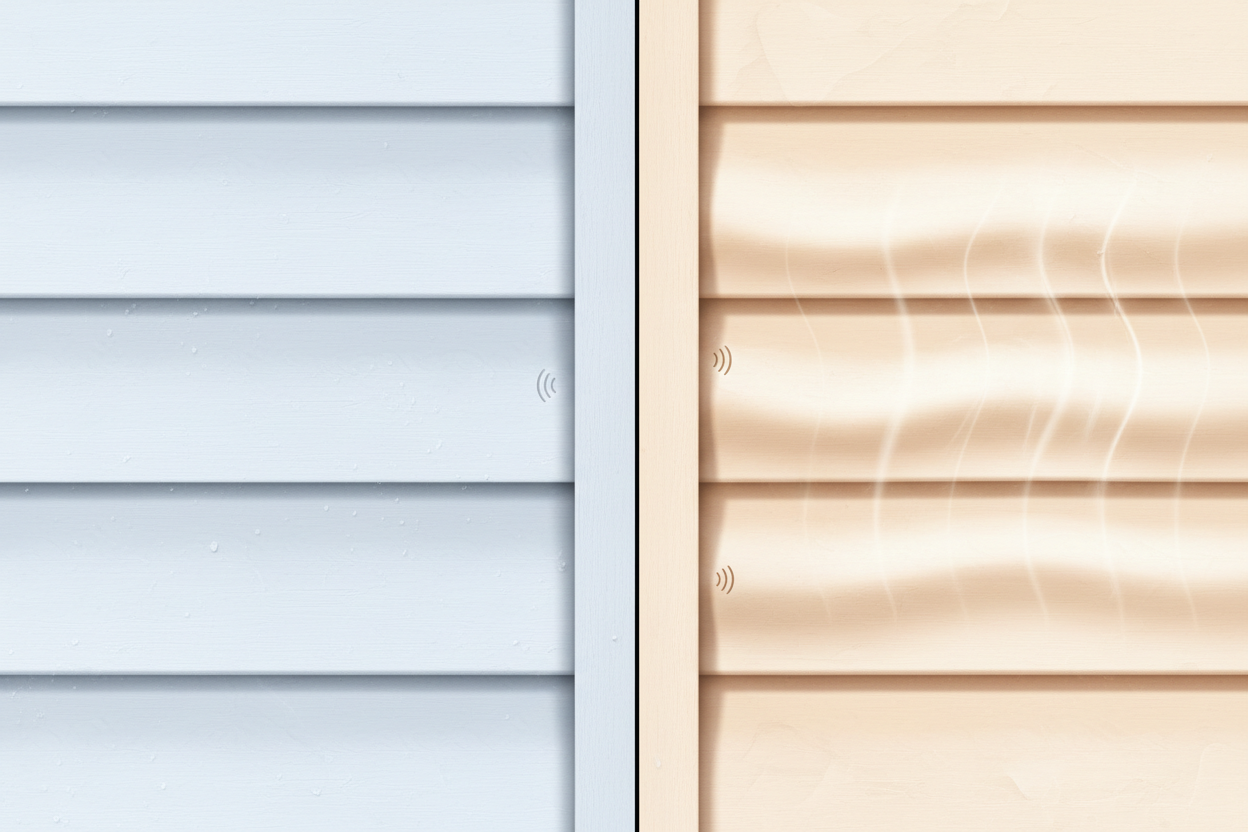
Buckling is perhaps the most visible problem. This occurs when siding panels push against each other or fixed objects because there isn’t enough room for expansion. The result is wavy, distorted panels that not only look terrible but can also allow water infiltration.
Cracking typically happens when siding is nailed too tightly or when expansion gaps are insufficient. The material literally tears itself apart trying to move naturally. These cracks often start small but grow larger over time, especially around nail holes and cut edges.
Pulling away from the house is another common issue. When siding contracts but can’t slide freely due to improper nailing, it may pull away from the building, creating gaps that compromise weather protection and energy efficiency.
Seasonal Changes and What to Expect
Throughout the year, your vinyl siding goes through predictable cycles of expansion and contraction. Understanding these patterns helps you distinguish between normal behavior and potential problems.
During summer months, you might notice slight gaps appearing between siding panels as the material expands. This is completely normal and expected. You may also hear occasional popping or crackling sounds as the siding adjusts to temperature changes throughout the day.
Winter brings the opposite effect. Panels may appear to fit more tightly together, and any gaps that were visible in summer typically close up. However, if you notice panels pulling away from the house or creating large gaps, this could indicate installation problems.
Spring and fall represent transition periods where the most movement occurs as temperatures fluctuate daily. These seasons often reveal installation issues that weren’t apparent during more stable weather periods.
Maintenance Tips for Long-Term Performance
Proper maintenance helps ensure your vinyl siding continues to expand and contract freely without developing problems. Regular inspection and minor adjustments can prevent major issues down the road.
Annual inspections should focus on checking for proper expansion gaps around windows, doors, and corners. Look for signs of buckling, cracking, or panels that appear too tight against adjacent surfaces. Pay special attention to areas where different materials meet, as these transition points are most vulnerable to movement-related problems.
Cleaning your siding regularly isn’t just about appearance – it also helps you spot potential issues early. Use a soft brush and mild detergent, avoiding high-pressure washing that could force water behind panels or damage expansion joints.
Keep landscaping trimmed away from siding to allow for natural movement. Shrubs or vines growing against siding can prevent proper expansion, leading to buckling or damage over time.
When to Call a Professional
While understanding expansion and contraction helps you maintain your siding, some situations require professional intervention. Knowing when to call an expert can save you from costly mistakes and ensure repairs are done correctly.
Significant buckling or warping that doesn’t resolve with temperature changes indicates serious installation problems that need professional correction. Similarly, widespread cracking or panels pulling away from the house suggest systemic issues that require expert diagnosis and repair.
If you’re planning additions or modifications to your home’s exterior, consult with professionals who understand vinyl siding behavior. Improper integration of new elements can create restriction points that prevent natural movement.
Frequently Asked Questions
Q: How much should vinyl siding expand and contract?
A: A 12-foot piece of vinyl siding can expand or contract up to 1/2 inch with a 100-degree temperature change. This varies based on color, quality, and specific temperature ranges.
Q: Is it normal to hear popping sounds from vinyl siding?
A: Yes, occasional popping or crackling sounds are normal as siding adjusts to temperature changes. However, frequent or loud noises might indicate installation problems.
Q: Should there be gaps between vinyl siding panels?
A: Yes, proper installation requires expansion gaps of about 1/4 inch between panels and at corners, windows, and doors. These gaps may be more visible during hot weather.
Q: Can I prevent vinyl siding from expanding and contracting?
A: No, expansion and contraction are natural properties of vinyl that cannot be prevented. Proper installation accommodates this movement rather than trying to stop it.
Q: Does the color of vinyl siding affect expansion rates?
A: Yes, darker colors absorb more heat and typically expand more than lighter colors. This is why some manufacturers limit dark color options in certain climates.
Q: What happens if vinyl siding is installed too tightly?
A: Tight installation can lead to buckling, cracking, warping, and panels pulling away from the house as the material tries to move naturally but encounters resistance.
Understanding vinyl siding expansion and contraction isn’t just technical knowledge – it’s practical information that helps you maintain one of your home’s most important protective systems. By recognizing normal movement patterns and ensuring proper installation practices, you can enjoy the benefits of vinyl siding for many years while avoiding costly problems. Remember, this natural characteristic isn’t a flaw in the material but rather a predictable behavior that, when properly managed, contributes to vinyl siding’s reputation as a durable and low-maintenance exterior option.


















Affordable home window replacement Mesquite Texas



Best home window replacement Highland Park Texas

Affordable home window replacement Mckinney Texas


Home window replacement near me Lake Highlands Dallas Texas



How much does it cost for vinyl replacement windows Rhome Texas


How much does it cost for vinyl replacement windows Ponder Texas

Affordable home window replacement Mobile City Texas









Affordable replacement windows Mobile City Texas















Balch Springs TX Replacement Windows And Siding