

Siding Replacement and Gutter Coordination: Best Practices for a Seamless Home Exterior Upgrade
When it comes to major home exterior renovations, few projects are as transformative as siding replacement. However, many homeowners make the critical mistake of treating their siding and gutters as separate entities. The truth is, these two systems work hand-in-hand to protect your home from the elements, and coordinating their installation or replacement can save you time, money, and potential headaches down the road.
Whether you’re dealing with aging vinyl siding, rotting wood panels, or simply want to refresh your home’s curb appeal, understanding how to properly coordinate siding replacement with your gutter system is essential for achieving professional results that stand the test of time.
Understanding the Critical Relationship Between Siding and Gutters
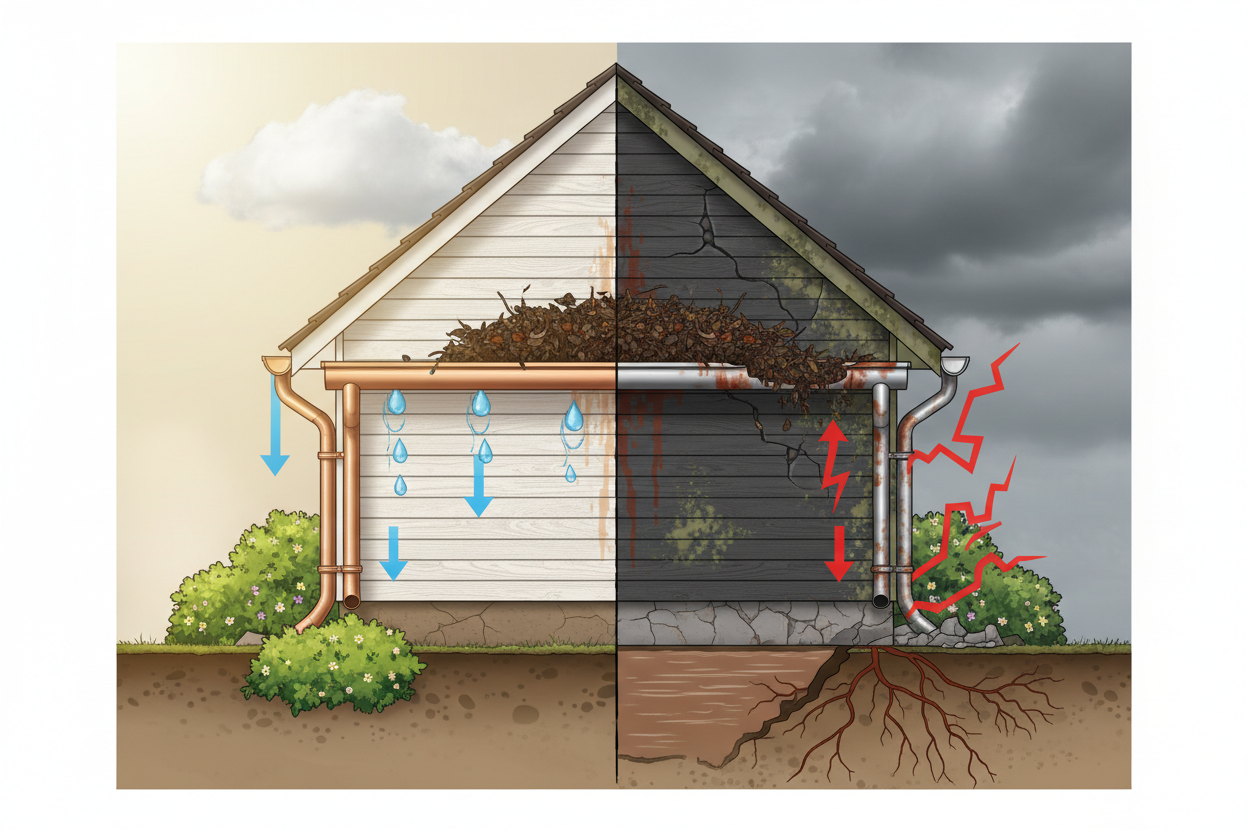
Your home’s siding and gutters form a crucial partnership in moisture management. The siding acts as your home’s primary defense against rain, snow, and wind, while gutters channel water away from your foundation and prevent it from pooling around your property. When these systems aren’t properly coordinated, you risk water damage, foundation issues, and premature deterioration of both components.
The connection points between siding and gutters are particularly vulnerable areas where water can penetrate if not sealed correctly. This is why professional contractors always consider both systems when planning exterior renovations. The overlap, drainage patterns, and installation sequence all play vital roles in ensuring your home stays dry and protected.
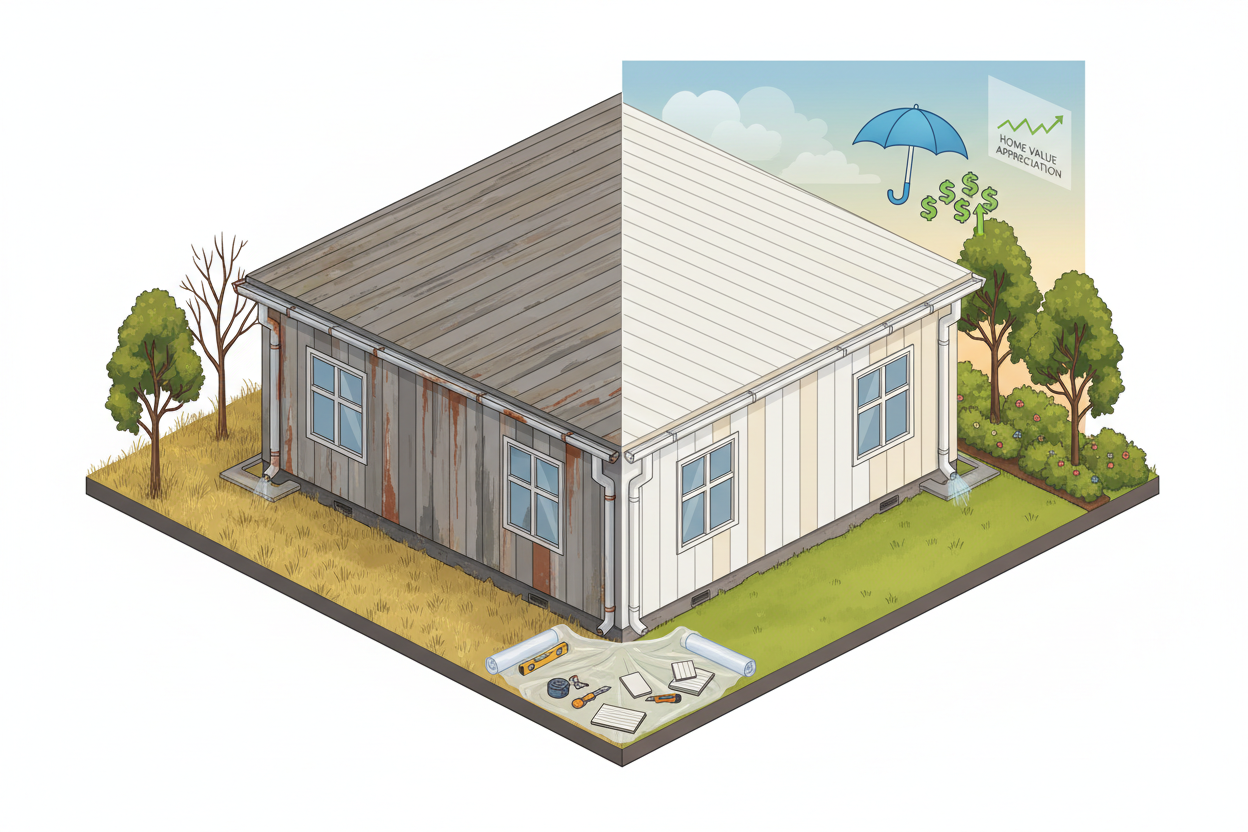
Many homeowners discover this connection the hard way when they replace their siding without addressing gutter issues, only to find that water damage continues or even worsens. By understanding this relationship upfront, you can make informed decisions that protect your investment and your home.
Timing Your Siding and Gutter Projects: Strategic Planning for Maximum Efficiency
One of the most common questions homeowners face is whether to tackle siding and gutter work simultaneously or separately. The answer depends on several factors, but in most cases, coordinating these projects offers significant advantages.
When you schedule both projects together, contractors can ensure proper integration at connection points, eliminate the risk of damage to new materials during separate installations, and often provide package pricing that reduces overall costs. Additionally, you’ll only need to deal with construction disruption once rather than twice.
However, there are situations where staggered timing makes sense. If your gutters are relatively new and in excellent condition, it might be more cost-effective to focus solely on siding replacement while taking extra care to protect the existing gutter system. Conversely, if your siding is in good shape but your gutters are failing, addressing the gutter issues first can prevent water damage that might otherwise necessitate siding repairs.
The key is having a professional assessment that considers the age, condition, and remaining lifespan of both systems before making your decision.
Material Selection: Choosing Compatible Siding and Gutter Systems
Not all siding and gutter combinations are created equal. The materials you choose should complement each other both aesthetically and functionally. For instance, if you’re installing heavy fiber cement siding, you’ll want gutters with robust mounting systems that can handle the additional structural load.
Vinyl siding pairs well with vinyl or aluminum gutters due to similar expansion and contraction rates, which reduces stress at connection points. Wood siding, particularly cedar or other natural materials, often looks best with copper or high-quality steel gutters that develop an attractive patina over time.
Color coordination is another crucial consideration. While you don’t need an exact match, your siding and gutter colors should work harmoniously together. Many manufacturers offer coordinated color palettes specifically designed for this purpose. Remember that gutters are highly visible from street level, so they significantly impact your home’s overall appearance.
Consider the long-term maintenance requirements of your material choices as well. Some combinations require more frequent upkeep than others, and factoring in these ongoing costs can influence your initial selection.
Installation Best Practices: Ensuring Proper Integration
The installation phase is where proper coordination becomes most critical. Professional contractors follow specific sequences and techniques to ensure seamless integration between siding and gutter systems.
Typically, the installation process begins with any necessary structural repairs or preparations, followed by the installation of house wrap or moisture barriers. The siding installation usually comes next, with careful attention paid to areas where gutters will attach. Proper flashing installation at these connection points is absolutely essential for preventing water infiltration.
Gutter installation follows, with mounting brackets secured to solid structural elements rather than just the siding itself. This prevents sagging and ensures long-term stability. The fascia boards, which support the gutters, must be in excellent condition or replaced during the siding project.
Experienced contractors also pay close attention to the pitch and alignment of gutters relative to the new siding profile. Even small variations in siding thickness can affect gutter positioning and drainage efficiency.
Common Coordination Mistakes and How to Avoid Them
Even experienced homeowners can fall into common traps when coordinating siding and gutter projects. One frequent mistake is failing to address fascia board condition during siding replacement. Old or damaged fascia boards can compromise gutter installation and lead to premature failure of the entire system.
Another common error is inadequate attention to expansion joints and thermal movement. Different materials expand and contract at different rates, and failing to account for this can lead to gaps, cracks, or buckling over time. Professional installers use appropriate fastening techniques and spacing to accommodate these natural movements.
Improper flashing installation represents perhaps the most serious coordination mistake. Flashing directs water away from vulnerable areas, and when it’s installed incorrectly or omitted entirely, water damage is almost inevitable. This is particularly important at inside and outside corners where siding meets gutters.
Budget coordination mistakes are also common, with homeowners sometimes running out of funds partway through their project. Planning and budgeting for both systems simultaneously helps avoid this situation and ensures you can complete the entire project to professional standards.
Budgeting and Cost Considerations for Combined Projects
Coordinating siding replacement with gutter work often provides better value than tackling these projects separately. Many contractors offer package pricing that reduces labor costs, and you’ll save on mobilization fees, permits, and other overhead expenses.
However, combined projects do require larger upfront investments, which can strain budgets. It’s important to get detailed estimates that break down costs for materials, labor, and any additional work like fascia repair or structural modifications. This transparency helps you understand where your money is going and identify potential areas for cost savings.
Don’t forget to factor in the hidden costs of poor coordination. If you replace your siding first and damage occurs to new materials during later gutter installation, you’ll face repair or replacement costs that could have been avoided with proper planning.
Consider financing options if the combined project exceeds your available cash. Many contractors offer financing programs, and home improvement loans often provide better terms than credit cards for large projects like this.
Maintenance and Long-Term Care for Coordinated Systems
Once your coordinated siding and gutter system is installed, proper maintenance becomes crucial for protecting your investment. Regular inspections should focus on connection points, flashing integrity, and any signs of water infiltration or material degradation.
Gutter cleaning becomes even more important when you have new siding, as clogged gutters can cause water to back up and potentially damage siding materials. Establish a regular cleaning schedule, typically twice yearly, and consider installing gutter guards if your property has significant tree coverage.
Siding maintenance varies by material, but all types benefit from annual washing and inspection for damage. Pay particular attention to areas around gutter attachments, as these experience more stress and weather exposure than other sections.
Keep detailed records of your installation, including warranties, material specifications, and contractor information. This documentation proves invaluable if issues arise or when it’s time for future maintenance or repairs.
Frequently Asked Questions
Should I replace my siding and gutters at the same time?
In most cases, yes. Coordinating these projects saves money, ensures proper integration, and minimizes construction disruption. However, if one system is significantly newer or in better condition, you might consider staggered timing with proper protection measures.
How much can I save by combining siding and gutter replacement projects?
Savings typically range from 10-20% compared to separate projects, primarily through reduced labor costs, shared mobilization expenses, and package pricing from contractors. The exact savings depend on your specific situation and local market conditions.
What’s the biggest risk of poor siding and gutter coordination?
Water damage is the primary concern. Improper integration can lead to moisture infiltration, foundation problems, and premature deterioration of both systems. This can result in costly repairs that far exceed any initial savings from poor coordination.
How do I choose compatible siding and gutter materials?
Consider expansion rates, weight compatibility, aesthetic harmony, and maintenance requirements. Consult with professionals who can recommend proven combinations for your climate and home style. Many manufacturers offer coordinated product lines designed to work together.
Can I install gutters myself after professional siding installation?
While possible, this approach risks damaging new siding and may void warranties. Professional installation ensures proper integration and typically includes warranties covering both systems. The cost savings rarely justify the risks involved.
How long should coordinated siding and gutter systems last?
With proper installation and maintenance, quality vinyl siding can last 20-30 years, while aluminum gutters typically last 15-25 years. Higher-end materials like fiber cement siding or copper gutters can last 50+ years. Proper coordination often extends the lifespan of both systems.
Conclusion: Maximizing Your Home’s Protection and Value
Coordinating your siding replacement with gutter installation or replacement isn’t just a convenience—it’s a smart investment strategy that protects your home and maximizes your renovation budget. By understanding the critical relationship between these systems and following best practices for material selection, timing, and installation, you can achieve professional results that enhance both your home’s protection and curb appeal.
Remember that successful coordination requires careful planning, professional expertise, and attention to detail throughout the process. While the upfront investment may be larger than tackling projects separately, the long-term benefits in terms of performance, durability, and peace of mind make coordinated siding and gutter projects a wise choice for most homeowners.
Take the time to research qualified contractors, understand your options, and develop a comprehensive plan that addresses both immediate needs and long-term goals. Your home—and your wallet—will thank you for the extra effort invested in proper coordination.







Affordable home window replacement Balch Springs Texas























Affordable replacement windows Caddo Mills Texas








Energy-efficient vinyl windows Preston Hollow Dallas Texas



Affordable home window replacement Lindsay Texas





Grand Prairie TX Windows And Siding Replacement



















North Richland Hills TX Affordable Siding Replacement