
How to Choose Window Grids and Decorative Options: A Complete Guide to Enhancing Your Home’s Style
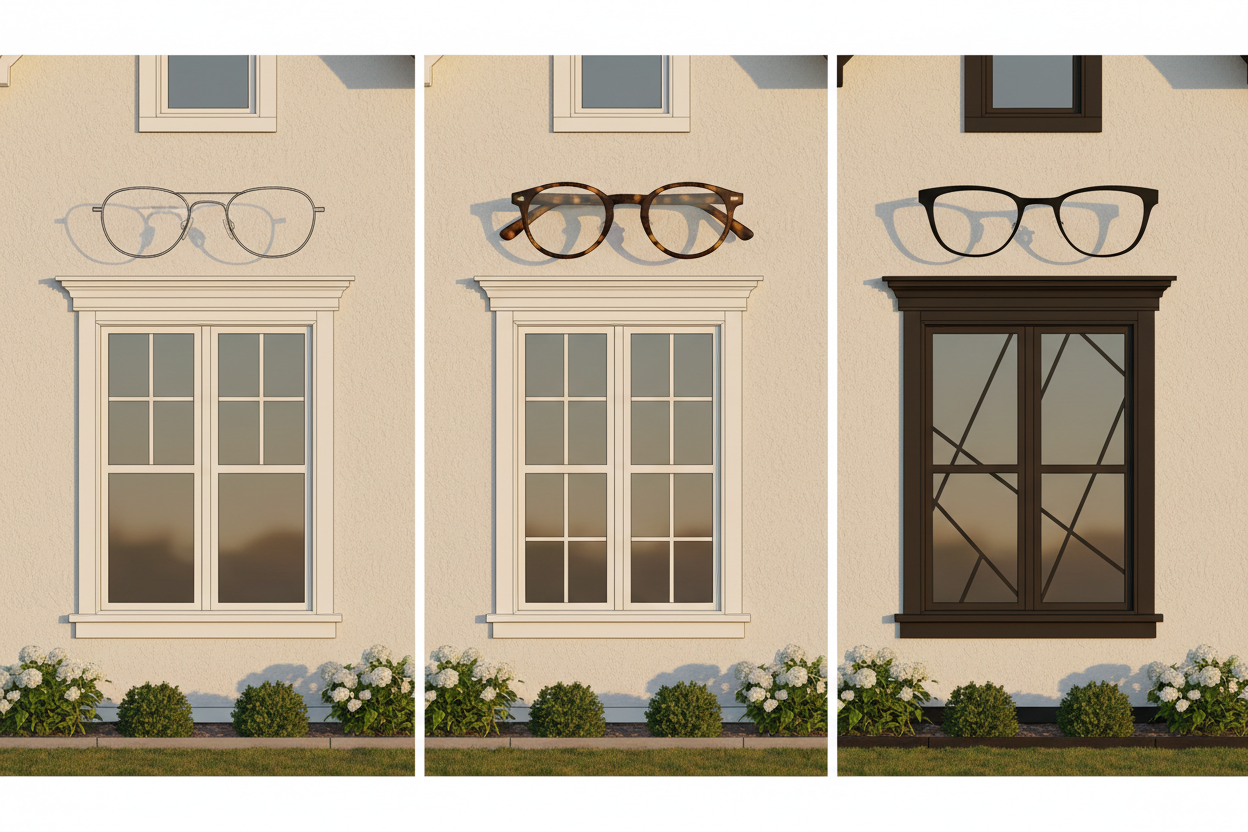
Windows are often called the eyes of a home, and just like choosing the perfect frames for your glasses, selecting the right window grids and decorative options can dramatically transform your property’s appearance. Whether you’re building a new home, renovating an existing one, or simply looking to boost your curb appeal, understanding window grid options is crucial for making informed decisions that align with your architectural style and personal preferences.
The right window grids don’t just enhance aesthetics – they can also increase your home’s value, improve energy efficiency, and create the perfect balance between traditional charm and modern functionality. In this comprehensive guide, we’ll walk you through everything you need to know about choosing window grids and decorative options that will make your home stand out for all the right reasons.
Understanding Window Grid Basics: What Are They and Why Do They Matter?
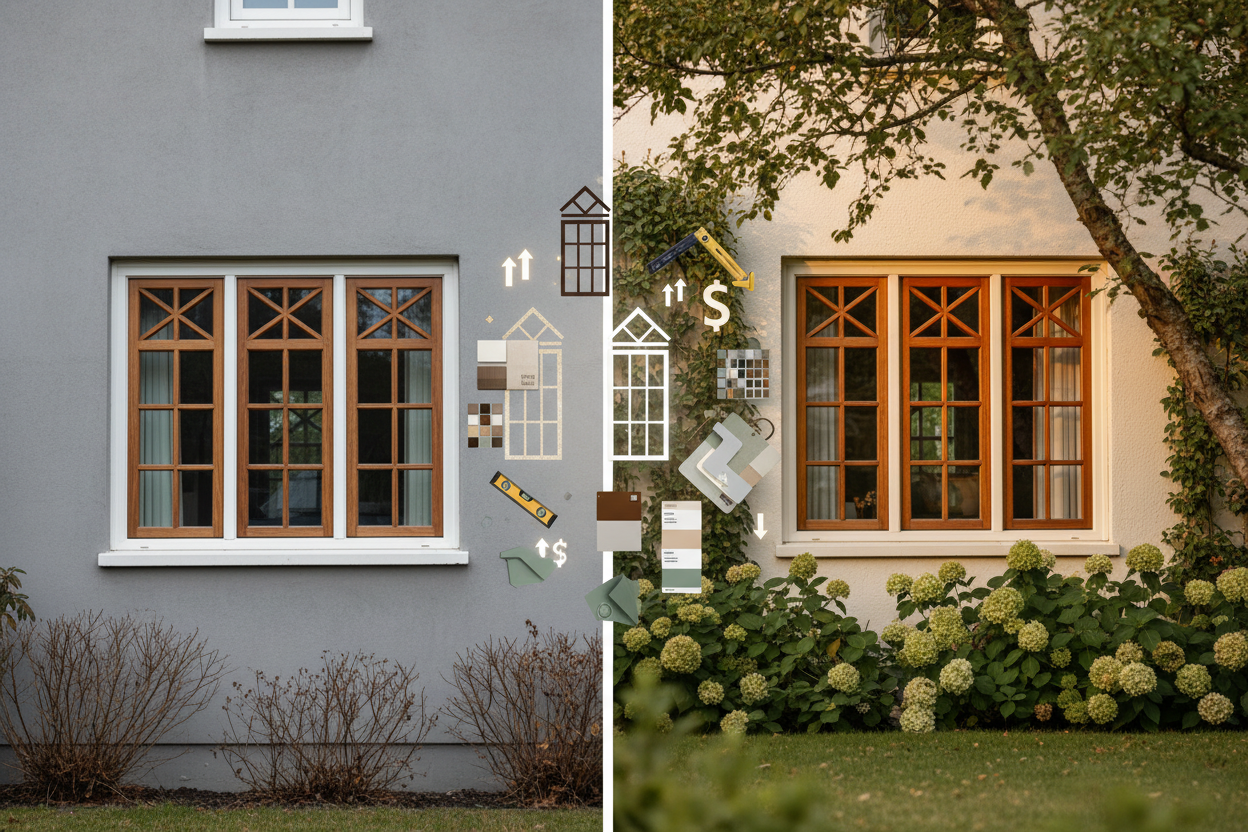
Window grids, also known as muntins or window bars, are the decorative elements that divide window panes into smaller sections. Originally, these grids served a practical purpose when large sheets of glass were expensive and difficult to manufacture. Today, they’re primarily decorative features that add character, style, and architectural interest to your windows.
Modern window grids come in various configurations and can be integrated into your windows in different ways. Some are permanently attached between glass panes, while others can be removed for easy cleaning. The choice you make will significantly impact both the appearance of your home and the maintenance requirements of your windows.
The importance of window grids extends beyond mere decoration. They can help break up large expanses of glass, create visual interest, complement your home’s architectural style, and even make rooms appear larger or smaller depending on the pattern you choose. Additionally, well-chosen window grids can increase your property value by enhancing its overall aesthetic appeal.
Popular Window Grid Patterns and Styles
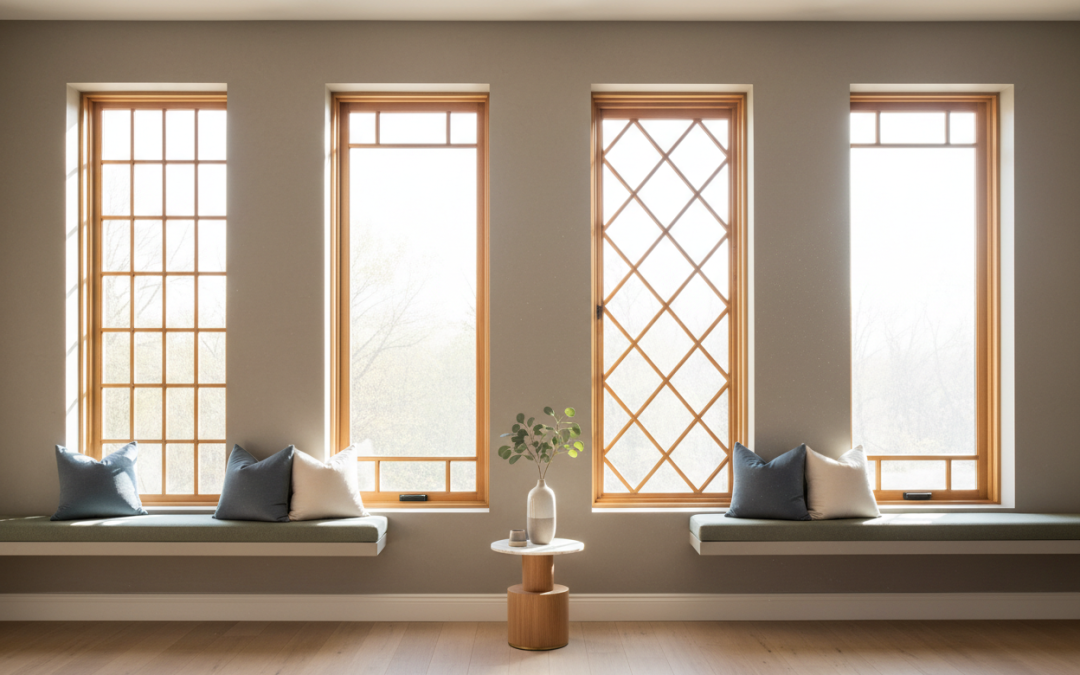
When it comes to window grid patterns, you have numerous options to choose from, each offering a distinct look and feel. The colonial grid pattern remains one of the most popular choices, featuring evenly spaced horizontal and vertical lines that create a classic, symmetrical appearance. This timeless design works particularly well with traditional and colonial-style homes.
Prairie grids offer a more contemporary approach, typically featuring a border around the window’s perimeter with additional geometric patterns in the corners. This style, inspired by Frank Lloyd Wright’s architectural designs, provides a clean, sophisticated look that complements both modern and craftsman-style homes.
Diamond grids create an elegant, decorative pattern that adds visual interest without overwhelming the window. These are particularly effective in accent windows or smaller panes where you want to create a focal point. Farmhouse grids, characterized by their simple, rustic appearance, typically feature fewer divisions and work beautifully in country or cottage-style homes.
For those seeking something truly unique, custom grid patterns allow you to create personalized designs that reflect your individual style. Whether you prefer geometric shapes, curved lines, or asymmetrical patterns, custom grids can help you achieve a one-of-a-kind look that sets your home apart from others in the neighborhood.
Material Options for Window Grids
The material you choose for your window grids will affect both their appearance and longevity. Aluminum grids are lightweight, durable, and resistant to corrosion, making them an excellent choice for homes in harsh weather conditions. They can be painted in various colors to match your window frames and require minimal maintenance over time.
Vinyl grids offer excellent value for money and come in a wide range of colors and finishes. They’re particularly popular because they don’t require painting and are resistant to fading, cracking, and warping. However, they may not be suitable for all architectural styles, particularly those requiring more traditional materials.
Wood grids provide the most authentic, traditional appearance and can be stained or painted to match your home’s trim. While they require more maintenance than synthetic materials, many homeowners prefer wood for its natural beauty and ability to complement historic or traditional architectural styles.
Fiberglass grids combine the best of both worlds, offering the appearance of wood with enhanced durability and lower maintenance requirements. They’re resistant to moisture, insects, and temperature fluctuations, making them suitable for various climates and architectural applications.
Matching Window Grids to Your Home’s Architecture
Your home’s architectural style should be the primary factor in determining your window grid selection. Colonial and Georgian-style homes traditionally feature symmetrical grid patterns with multiple small panes, reflecting the historical period when large glass sheets were unavailable. These homes look best with classic colonial grids or modified versions that maintain the traditional proportions.
Victorian homes, known for their ornate details and decorative elements, can accommodate more elaborate grid patterns. Consider diamond grids, decorative corner elements, or even stained glass inserts to complement the home’s inherent character. The key is to enhance the existing architectural features rather than compete with them.
Modern and contemporary homes benefit from cleaner, simpler grid patterns or may even look best without grids at all. If you do choose grids for a modern home, consider prairie-style patterns or simple geometric designs that complement the clean lines and minimalist aesthetic.
Craftsman and bungalow-style homes pair beautifully with prairie grids or simple rectangular patterns that emphasize horizontal lines. These patterns complement the style’s emphasis on natural materials and horizontal orientation while maintaining the clean, uncluttered appearance that defines the craftsman aesthetic.
Color and Finish Considerations
The color and finish of your window grids can dramatically impact your home’s overall appearance. Matching your grids to your window frame color creates a cohesive, unified look that allows the window to blend seamlessly with your home’s exterior. This approach works particularly well when you want your windows to complement rather than dominate your home’s facade.
Contrasting grid colors can create striking visual interest and help define your windows as architectural features. Dark grids against light-colored frames or walls can create a bold, contemporary look, while white grids against darker frames offer a classic, timeless appearance that works with various architectural styles.
Consider the maintenance implications of your color choice as well. Darker colors may show dirt and weathering less readily, while lighter colors can make your home appear larger and more open. The finish you choose – whether matte, satin, or gloss – will also affect both appearance and maintenance requirements.
Don’t forget to consider how your grid color will look in different lighting conditions throughout the day. What appears perfect in bright sunlight may look entirely different in the soft light of dawn or dusk. Take time to observe your home at various times of day before making your final decision.
Installation Methods: Between Glass vs. Applied Grids
Between-glass grids are permanently sealed between the panes of double or triple-pane windows, offering several advantages including protection from weather, easy cleaning, and a sleek appearance. These grids never require maintenance and won’t interfere with window cleaning or operation. However, they can’t be removed or changed without replacing the entire window unit.
Applied grids, also known as surface-mounted grids, are attached to the interior and/or exterior surfaces of the glass. These offer more flexibility since they can be removed for cleaning or changed if you want to update your home’s appearance. They also provide a more authentic, traditional look with greater depth and shadow lines.
Simulated divided light (SDL) windows combine elements of both approaches, featuring applied grids on both sides of the glass with a spacer bar between the panes. This creates the most authentic appearance of traditional divided light windows while maintaining the energy efficiency benefits of modern window construction.
The installation method you choose will affect both the initial cost and long-term maintenance of your windows. Consider your priorities regarding authenticity, maintenance, flexibility, and budget when making this decision.
Budget Planning and Cost Factors
Window grid costs vary significantly based on material, complexity, installation method, and customization level. Basic between-glass grids typically represent the most economical option, while custom applied grids with premium materials will be at the higher end of the price spectrum.
When budgeting for window grids, consider not just the initial purchase and installation costs, but also long-term maintenance expenses. While wood grids may have a lower upfront cost, they’ll require periodic refinishing, which can add to the total cost of ownership over time.
Factor in the potential return on investment as well. Well-chosen window grids that enhance your home’s architectural character can increase property value, particularly in neighborhoods where architectural details are valued. However, overly elaborate or inappropriate grid choices might actually detract from your home’s appeal to future buyers.
Consider phasing your window grid installation if budget is a concern. You might start with the most visible windows – those facing the street or main living areas – and add grids to other windows over time. This approach allows you to spread the cost while still achieving immediate visual impact.
Maintenance and Longevity Tips
Proper maintenance will ensure your window grids continue to look great and function properly for years to come. For painted grids, regular inspection for chips, cracks, or peeling paint is essential. Address any issues promptly to prevent moisture infiltration that could lead to more serious problems.
Clean your grids regularly using appropriate methods for the material. Vinyl and aluminum grids can typically be cleaned with mild soap and water, while wood grids may require special cleaners to avoid damage to stains or finishes. Always follow manufacturer recommendations for cleaning products and methods.
For applied grids that can be removed, take advantage of this feature during deep cleaning sessions. Remove the grids according to manufacturer instructions, clean both the grids and the window glass thoroughly, and reinstall carefully to maintain proper alignment and appearance.
Monitor the caulking and sealing around your grids, particularly in areas exposed to weather. Proper sealing prevents moisture infiltration and maintains energy efficiency. Replace worn or damaged caulking promptly to prevent more serious issues from developing.
Frequently Asked Questions
Q: Can I add grids to existing windows?
A: Yes, you can add applied grids to most existing windows. However, between-glass grids require window replacement since they’re integrated during manufacturing. Consult with a window professional to determine the best option for your specific situation.
Q: Do window grids affect energy efficiency?
A: Between-glass grids don’t impact energy efficiency since they’re sealed within the window unit. Applied grids may have minimal impact on thermal performance, but this is generally negligible with proper installation and quality materials.
Q: How do I clean windows with grids?
A: For between-glass grids, clean the window surface normally since the grids are protected between panes. For applied grids, clean around them carefully or remove them if possible for thorough cleaning. Use appropriate cleaning solutions for the grid material.
Q: Can window grids be painted?
A: Most applied window grids can be painted, but check manufacturer recommendations first. Some materials require specific primers or paint types. Between-glass grids cannot be painted since they’re sealed within the window unit.
Q: What’s the difference between muntins and mullions?
A: Muntins are the small bars that divide individual window panes, while mullions are the larger structural elements that separate entire window units. The terms are sometimes used interchangeably, but technically they refer to different components.
Q: How long do window grids typically last?
A: The lifespan depends on material and maintenance. Aluminum and vinyl grids can last 20-30 years or more with minimal maintenance. Wood grids may require refinishing every 5-10 years but can last decades with proper care. Between-glass grids typically last as long as the window unit itself.
Choosing the right window grids and decorative options is an investment in your home’s beauty, character, and value. By considering your architectural style, personal preferences, budget, and maintenance capabilities, you can select grids that will enhance your home’s appearance for years to come. Remember that the best choice is one that complements your home’s existing character while reflecting your personal style and meeting your practical needs. Take time to research options, consult with professionals when needed, and don’t rush the decision – the perfect window grids will serve as beautiful architectural elements that you’ll enjoy every time you look at your home.



How much does it cost for vinyl replacement windows Wilmer Texas







Affordable replacement windows Flower Mound Texas



How much does it cost for vinyl replacement windows Leonard Texas






Best home window replacement Lakewood Dallas Texas








Home window replacement near me Whitewright Texas





Home replacement window companies Preston Hollow Dallas Texas