
Siding Replacement Safety: Protecting Your Family During Construction
When it comes to home improvement projects, siding replacement ranks among the most transformative yet potentially hazardous undertakings. While the end result promises enhanced curb appeal, improved energy efficiency, and increased property value, the construction process itself presents unique safety challenges that every homeowner must address. Your family’s wellbeing should never take a backseat to aesthetic improvements, which is why understanding and implementing proper safety measures during siding replacement is absolutely crucial.
The reality is that siding replacement involves power tools, heavy materials, potential exposure to hazardous substances, and significant disruption to your home’s exterior envelope. Without proper precautions, what should be an exciting home improvement project can quickly become a nightmare. This comprehensive guide will walk you through essential safety protocols, helping you protect your loved ones while ensuring your siding replacement project proceeds smoothly and successfully.

Pre-Construction Safety Planning: Setting the Foundation for Success
Before the first piece of old siding comes down, establishing a comprehensive safety plan is your first line of defense. This planning phase often determines whether your project will be a success story or a cautionary tale. Start by conducting a thorough assessment of your property, identifying potential hazards such as overhead power lines, underground utilities, or structural weaknesses that could pose risks during construction.
Communication with your contractor is paramount during this phase. A reputable siding contractor should be willing to discuss their safety protocols in detail, including how they plan to protect your family and property throughout the project. Ask about their insurance coverage, safety training programs, and previous safety records. Don’t hesitate to request references from recent clients who can speak to the contractor’s commitment to maintaining a safe work environment.
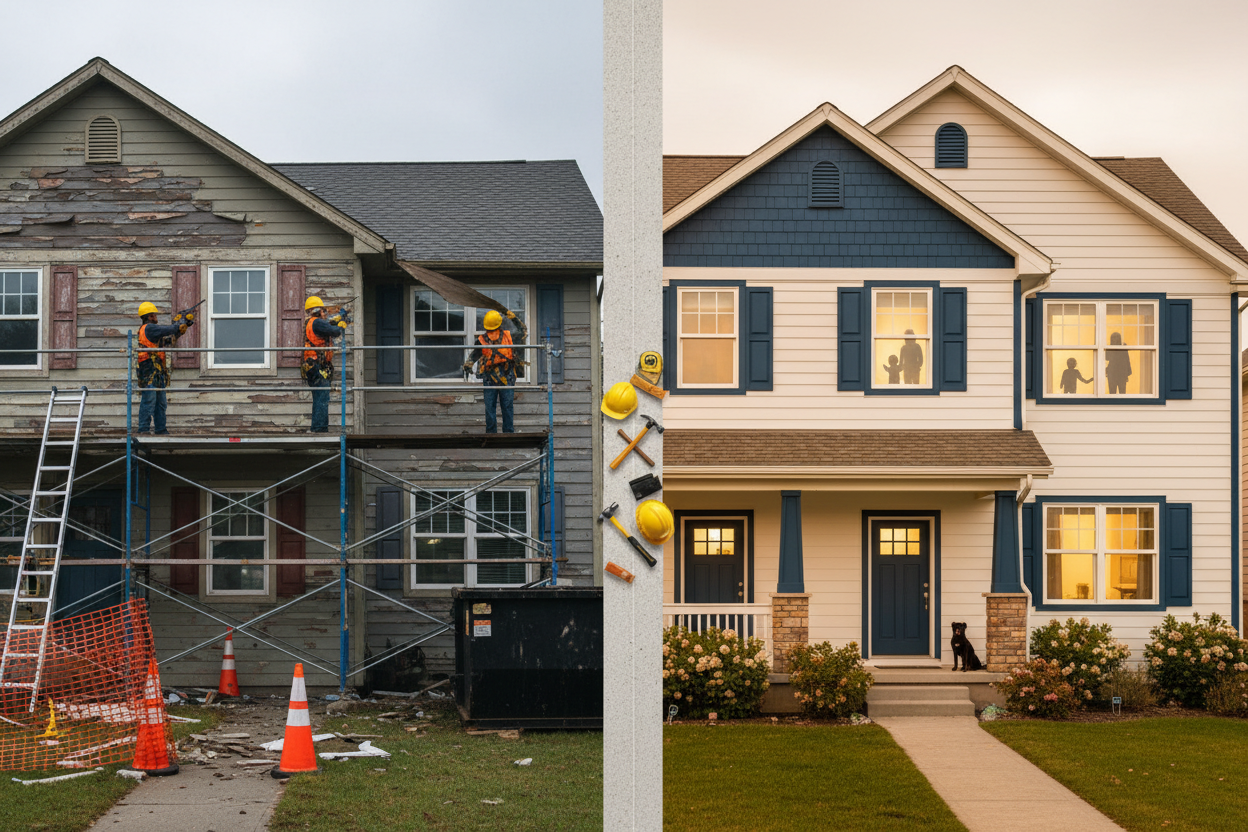
Creating designated safe zones within your home becomes essential when living through a siding replacement project. These areas should be as far removed from construction activity as possible, preferably on the opposite side of your home from where work is being conducted. Consider temporarily relocating bedrooms if necessary, especially for young children, elderly family members, or anyone with respiratory sensitivities.
Managing Dust, Debris, and Air Quality Concerns
One of the most overlooked aspects of siding replacement safety involves managing the inevitable dust and debris generated during the removal process. Older homes, particularly those built before 1980, may contain asbestos in their siding materials or lead-based paint on underlying surfaces. These hazardous materials require specialized handling and disposal procedures that go far beyond typical construction cleanup.
Proper air quality management starts with sealing off construction areas from the rest of your home. This involves more than simply closing doors; it requires creating physical barriers using plastic sheeting and painter’s tape to prevent dust migration. Consider investing in high-quality air purifiers with HEPA filters for occupied areas of your home, and ensure your HVAC system filters are changed frequently during the project.
For families with members who have asthma, allergies, or other respiratory conditions, temporary relocation might be the safest option during the most intensive phases of the project. If relocation isn’t feasible, work with your contractor to schedule the dustiest activities when sensitive family members can be away from home for extended periods.
Protecting Children and Pets During Siding Work
Children and pets face unique risks during siding replacement projects, often because they lack the awareness to recognize and avoid construction hazards. Establishing clear boundaries and maintaining constant supervision becomes critical when little ones are present during active construction phases.
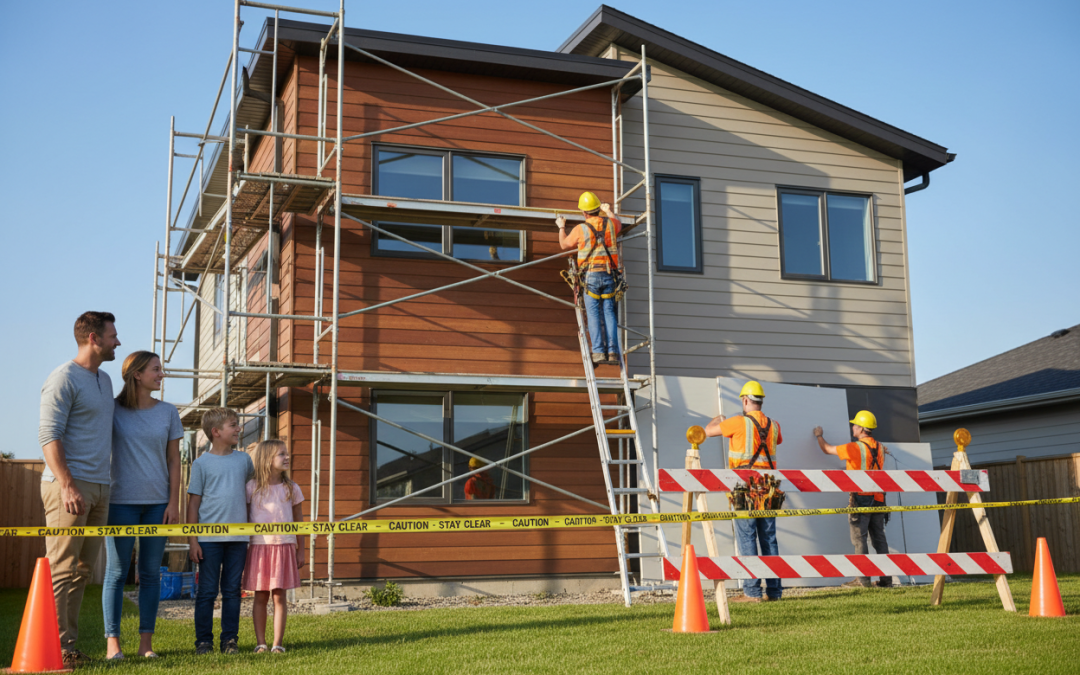
Create physical barriers around the construction zone using temporary fencing or caution tape, and make these boundaries non-negotiable for children. Explain the dangers in age-appropriate terms, emphasizing that construction sites are off-limits regardless of how interesting the activity might appear. Consider arranging alternative childcare or playdates during the most intensive work periods to minimize exposure to hazards.
Pets require similar protection, as they may be attracted to new smells, sounds, or the presence of strangers on the property. Secure pets indoors or in a safely enclosed area away from construction activity. Be particularly mindful of cats, who might seek shelter in equipment or materials, potentially putting themselves in harm’s way. Ensure all workers are aware of pets on the property and understand protocols for keeping animals safe.
Tool and Equipment Safety Around the Home
Professional siding replacement requires an array of power tools, ladders, scaffolding, and heavy equipment that can pose serious risks to untrained individuals. Even when work stops for the day, these tools and materials often remain on-site, creating ongoing safety concerns for curious family members.
Establish clear agreements with your contractor regarding tool storage and site security. All power tools should be properly stored and secured when not in use, and any hazardous materials should be locked away from children and pets. Ladders and scaffolding should be properly secured or removed from accessible areas during off-hours.
Never allow family members to handle or operate construction equipment, regardless of their confidence or previous experience. Professional-grade tools operate differently than consumer versions and can cause serious injury when misused. If you’re curious about the process, ask workers to explain what they’re doing from a safe distance rather than attempting hands-on involvement.
Electrical and Structural Safety Considerations
Siding replacement often involves working around electrical components, from outdoor outlets and lighting fixtures to main electrical panels mounted on exterior walls. These electrical elements require careful handling and may need temporary disconnection during certain phases of the project.
Coordinate with your contractor to understand when electrical service might be interrupted and plan accordingly. This might involve temporary arrangements for essential electrical needs or scheduling work during times when power outages will cause minimal disruption to your family’s routine. Ensure all electrical work is performed by licensed electricians and that proper safety protocols are followed when working near electrical components.
Structural considerations become particularly important when removing old siding reveals underlying issues such as damaged sheathing, compromised framing, or moisture problems. These discoveries can significantly alter the project scope and timeline, potentially creating new safety concerns that weren’t apparent during initial planning.
Weather-Related Safety Protocols
Weather plays a crucial role in siding replacement safety, affecting both the immediate work environment and your home’s protection during the construction process. High winds, rain, or extreme temperatures can create dangerous working conditions and potentially expose your home’s interior to weather damage.
Work with your contractor to establish weather-related work stoppage criteria and understand how your home will be protected during weather delays. This might involve temporary weatherization measures such as house wrap installation or protective coverings for exposed areas. Ensure you understand the timeline for weather protection and have contingency plans for severe weather events.
Be prepared for the possibility that weather delays might extend your family’s exposure to construction-related inconveniences and safety concerns. Having flexible arrangements for temporary relocation or alternative living spaces can provide peace of mind when weather threatens to prolong the project timeline.
Emergency Preparedness and Communication Plans
Despite the best planning and precautions, emergencies can occur during construction projects. Establishing clear communication protocols and emergency procedures ensures everyone knows how to respond quickly and effectively if problems arise.
Ensure all family members know how to contact emergency services and understand evacuation routes that might be affected by construction activity. Keep a list of important phone numbers readily accessible, including your contractor’s emergency contact information, utility companies, and medical providers.
Discuss emergency scenarios with your contractor, including procedures for injuries, structural discoveries that might compromise safety, or utility emergencies. Understanding who has authority to make decisions during emergencies can prevent dangerous delays in emergency response.
Post-Construction Safety and Cleanup
The completion of siding installation doesn’t immediately end safety concerns. Thorough cleanup and final safety inspections are essential before declaring the project complete and allowing normal family activities to resume around the work area.
Conduct a comprehensive walkthrough with your contractor to identify and address any remaining safety hazards. This includes checking for protruding nails, sharp edges, unstable materials, or incomplete installations that could pose risks. Don’t accept the project as complete until you’re satisfied that all safety concerns have been addressed.
Pay particular attention to ground-level areas where children and pets will be playing. Even small debris like nails or metal fragments can cause serious injuries if overlooked during cleanup. Consider using a magnetic sweeper to collect any missed metal debris from areas where family members will be active.
Conclusion
Siding replacement represents a significant investment in your home’s future, but protecting your family’s safety during the construction process should always remain the top priority. By implementing comprehensive safety planning, maintaining clear communication with contractors, and staying vigilant throughout the project, you can ensure that your home improvement goals are achieved without compromising the wellbeing of those you care about most.
Remember that safety is an ongoing responsibility shared between you and your contractor. Don’t hesitate to speak up if you notice potential hazards or have concerns about safety protocols. A professional contractor will welcome your involvement in maintaining a safe work environment and should be willing to address any safety concerns promptly and thoroughly.
The temporary inconveniences and safety precautions required during siding replacement pale in comparison to the long-term benefits of a successful project. By prioritizing safety from planning through completion, you’ll not only protect your family but also create the foundation for a positive construction experience that delivers the beautiful, functional results you’re seeking.
Frequently Asked Questions
How long should I expect the siding replacement process to take, and how does this affect safety planning?
Most residential siding replacement projects take 5-14 days, depending on home size and complexity. However, weather delays and unexpected issues can extend this timeline. Plan safety measures for the maximum expected duration plus additional buffer time. Longer projects require more comprehensive temporary living arrangements and sustained vigilance regarding safety protocols.
Is it safe for my family to remain in the home during siding replacement?
In most cases, families can safely remain in their homes during siding replacement with proper precautions. However, homes with asbestos siding, lead paint concerns, or family members with severe respiratory conditions may require temporary relocation during the most intensive work phases. Consult with your contractor and healthcare providers to make the best decision for your specific situation.
What should I do if I discover asbestos or lead during the siding removal process?
Stop all work immediately and contact certified hazardous material professionals for proper testing and remediation. Never attempt to handle suspected asbestos or lead-containing materials yourself. This discovery will significantly alter your project timeline and budget, but proper handling is essential for your family’s long-term health and safety.
How can I verify that my contractor follows proper safety protocols?
Request documentation of safety training, insurance coverage, and OSHA compliance. Ask for references from recent clients and contact them specifically about safety practices. Observe whether workers use proper personal protective equipment and follow established safety procedures. A reputable contractor will welcome questions about their safety practices and should be transparent about their protocols.
What emergency supplies should I have on hand during siding replacement?
Keep a basic first aid kit easily accessible, maintain emergency contact lists including your contractor’s information, and ensure you have alternative communication methods if landlines are affected. Consider having battery-powered lighting and basic tools available in case of utility interruptions. If you have family members with medical conditions, ensure adequate supplies of medications and medical equipment are readily available.



Home window replacement near me Westminster Texas







How much does it cost for vinyl replacement windows Alvarado Texas














Affordable home window replacement Decatur Texas






















North Richland Hills TX Window And Siding Replacement


Whitesboro TX Vinyl Siding Replacement Near Me




Lake Highlands Dallas TX Replacement Windows And Siding










Lake Highlands Dallas TX Affordable Siding Replacement