
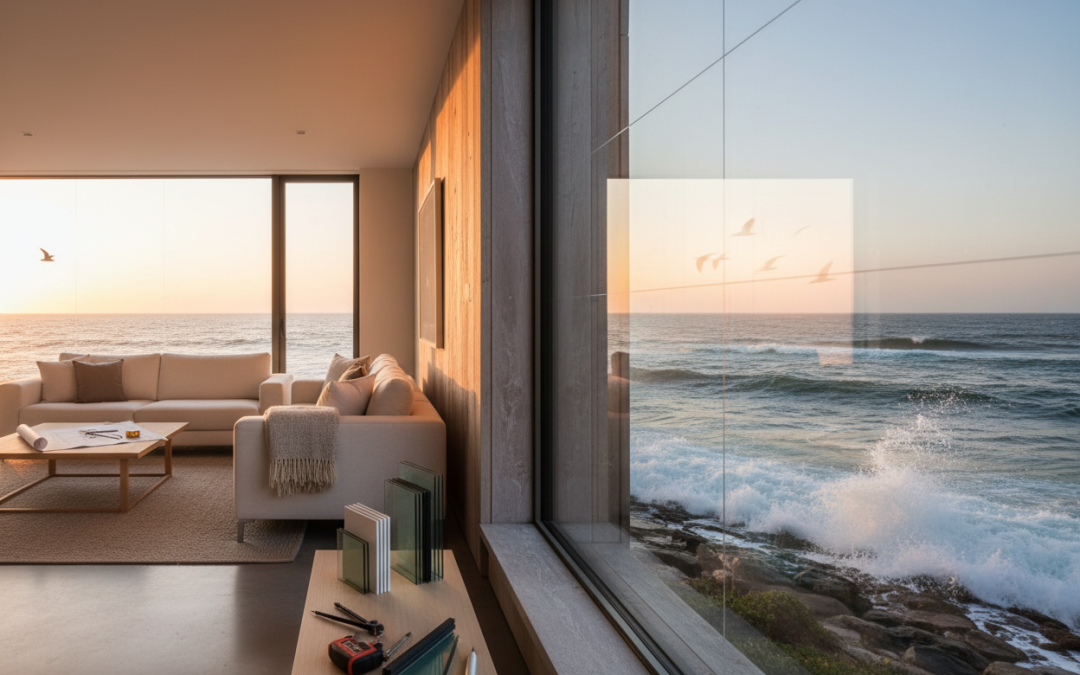
The Complete Guide to Window Replacement for Coastal Homes
Living by the ocean comes with breathtaking views and the soothing sound of waves, but it also presents unique challenges for homeowners. The constant exposure to salt air, high humidity, and severe weather conditions can wreak havoc on your windows over time. If you’re a coastal homeowner considering window replacement, you’re making a smart investment that will protect your home while enhancing its beauty and energy efficiency.
Coastal environments are particularly harsh on building materials, and windows bear the brunt of this assault. Salt spray can corrode metal components, while moisture infiltration can lead to rot, mold, and structural damage. The good news is that modern window technology offers excellent solutions specifically designed to withstand these challenging conditions.
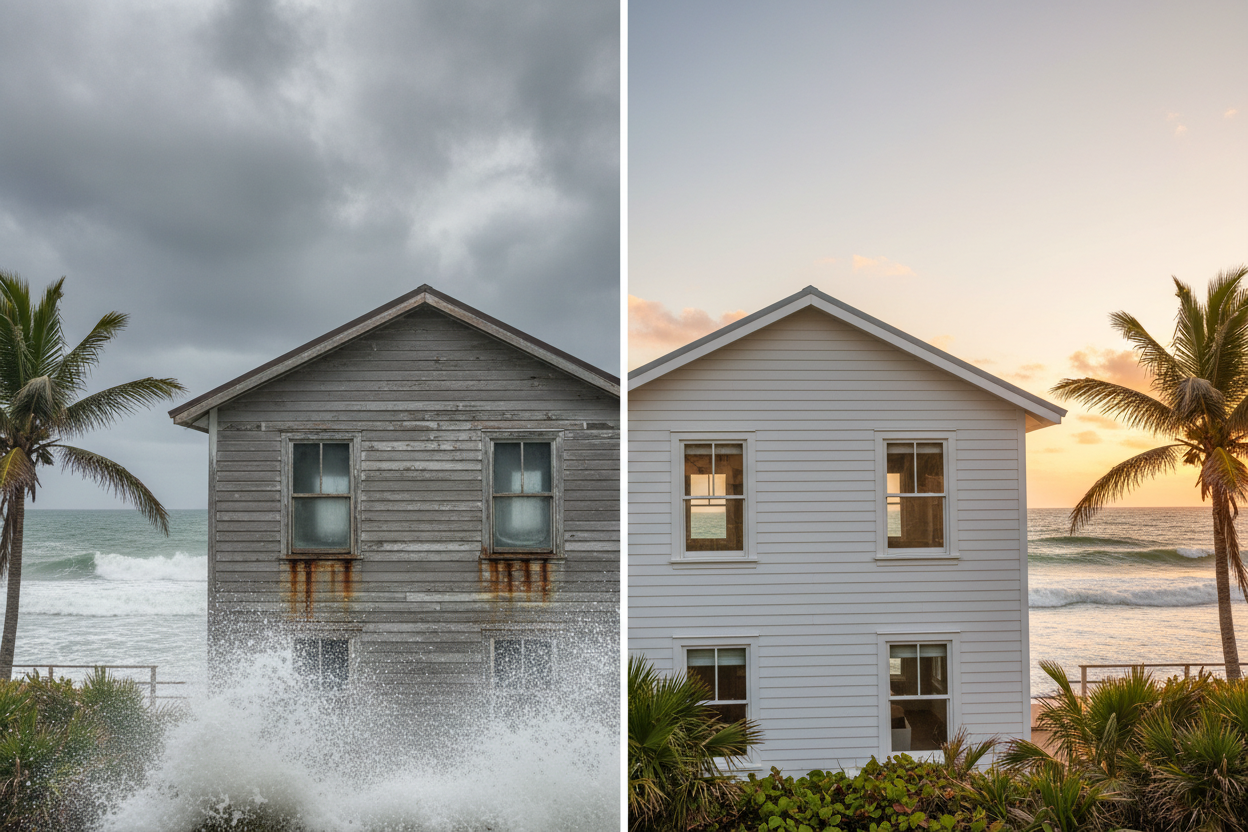
Understanding the Unique Challenges of Coastal Living
Coastal homes face environmental stressors that inland properties simply don’t encounter. The salt-laden air acts as a corrosive agent, gradually eating away at metal window frames, hardware, and weatherstripping. This process accelerates during storms when salt spray can reach windows several stories high and hundreds of yards inland.
High humidity levels create another layer of complexity. Moisture can penetrate even the smallest gaps around windows, leading to condensation problems, wood rot, and compromised insulation. Additionally, coastal areas often experience more extreme weather events, including hurricanes, tropical storms, and high winds that can test your windows’ structural integrity to the limit.
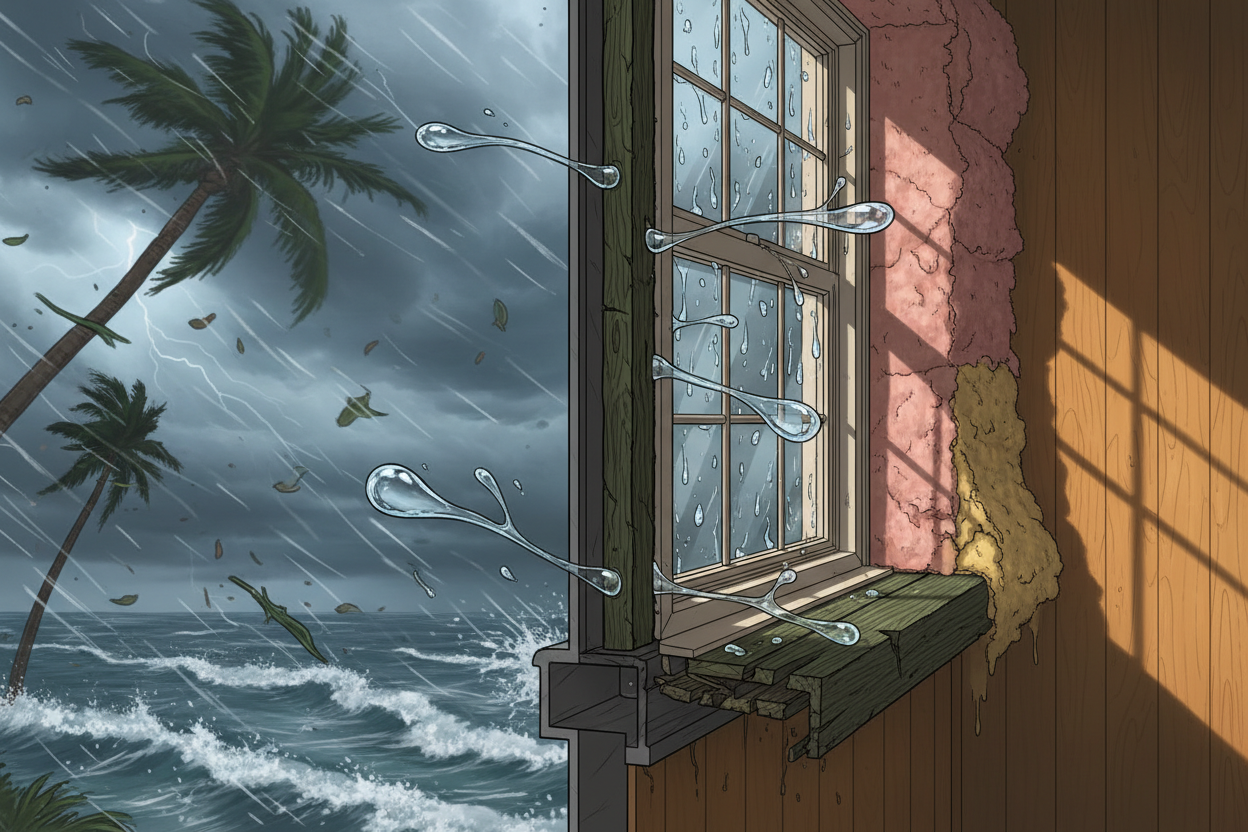
Temperature fluctuations between day and night, combined with the thermal mass of nearby water bodies, create expansion and contraction cycles that can stress window seals and frames. Understanding these challenges is the first step in selecting the right replacement windows for your coastal home.
Signs Your Coastal Home Needs New Windows
Recognizing when it’s time to replace your windows can save you from costly repairs down the road. In coastal environments, certain warning signs appear more frequently and progress more rapidly than in other climates.
Visible corrosion on metal window frames is often the most obvious indicator. You might notice rust stains, pitting, or a white, chalky residue on aluminum frames. These are clear signs that salt air has compromised the protective coatings on your windows.
Difficulty opening or closing windows often indicates that frames have warped due to moisture exposure or that hardware has corroded. If you find yourself struggling with sticky or completely inoperable windows, replacement is likely necessary.
Water infiltration during storms is another red flag. Even minor leaks can lead to significant damage over time, especially in coastal environments where storms are more frequent and intense. Look for water stains on walls or window sills, peeling paint, or soft spots in wooden frames.
Condensation between glass panes signals that the seal in double or triple-pane windows has failed. This not only affects your view but also reduces the window’s insulating properties, leading to higher energy costs.
Best Window Materials for Coastal Environments
Choosing the right window material is crucial for coastal homes. Not all materials perform equally well in salt air and high humidity conditions.
Vinyl windows have become increasingly popular for coastal applications due to their excellent corrosion resistance. High-quality vinyl won’t rust, rot, or require painting, making it virtually maintenance-free. Modern vinyl formulations also include UV stabilizers to prevent fading and brittleness from constant sun exposure.
Fiberglass windows offer superior strength and dimensional stability compared to vinyl. They expand and contract at nearly the same rate as glass, reducing stress on seals and extending window life. Fiberglass is also naturally resistant to salt air corrosion and can be painted if you want to change colors in the future.
Aluminum windows, when properly treated with marine-grade coatings, can perform well in coastal environments. Look for windows with anodized or powder-coated finishes specifically designed for marine applications. These treatments provide excellent corrosion resistance while maintaining the sleek appearance many homeowners prefer.
Wood windows require special consideration in coastal areas. If you choose wood, ensure it’s been properly treated with marine-grade sealers and finishes. Regular maintenance is essential, but well-maintained wood windows can provide excellent performance and classic aesthetic appeal.
Impact-Resistant Windows: Essential Protection for Storm-Prone Areas
Coastal homes often face severe weather conditions that can turn flying debris into dangerous projectiles. Impact-resistant windows provide crucial protection for both your property and your family’s safety.
These specialized windows feature laminated glass with a tough interlayer that holds glass fragments together even when shattered. This prevents the window from creating a large opening that could allow wind and rain to enter your home during a storm.
Impact windows are tested to withstand the impact of a nine-pound 2×4 lumber traveling at 34 miles per hour, simulating debris carried by hurricane-force winds. Many coastal building codes now require impact-resistant windows in new construction and major renovations.
Beyond storm protection, impact windows offer additional benefits including enhanced security, noise reduction, and improved energy efficiency. The laminated glass construction also blocks nearly 99% of harmful UV rays, protecting your furniture and flooring from fading.
Energy Efficiency Considerations for Coastal Homes
Coastal homes often face unique energy challenges due to constant sun exposure, high humidity, and temperature variations. Selecting energy-efficient windows can significantly reduce your utility costs while improving indoor comfort.
Low-E coatings are particularly beneficial in coastal environments. These microscopic metallic layers reflect infrared heat while allowing visible light to pass through. In hot climates, low-E coatings can reduce solar heat gain by up to 50%, keeping your home cooler and reducing air conditioning costs.
Gas fills between window panes provide additional insulation. Argon gas is most common, but krypton gas offers superior insulating properties in thinner spaces. These inert gases are denser than air and reduce heat transfer through the window.
Window orientation plays a crucial role in energy efficiency. South-facing windows receive the most direct sunlight and may benefit from higher-performance glazing systems. East and west-facing windows experience intense morning and afternoon sun, respectively, and should be selected accordingly.
Installation Considerations and Best Practices
Proper installation is critical for window performance, especially in challenging coastal environments. Even the highest-quality windows will fail prematurely if not installed correctly.
Waterproofing is paramount in coastal installations. This includes proper flashing around the window frame, high-quality sealants rated for marine environments, and drainage systems to handle water infiltration. Your installer should use materials specifically designed for coastal applications.
Structural considerations become more important in areas prone to high winds. Windows must be properly anchored to the building structure, and the rough opening must be adequately reinforced. This is particularly crucial for larger windows or those in upper stories.
Timing your installation can affect both cost and convenience. Avoid hurricane season when possible, as contractors may be less available and materials more expensive. Spring and fall typically offer the best weather conditions for window installation projects.
Maintenance Tips for Coastal Windows
Even the best coastal windows require regular maintenance to ensure optimal performance and longevity. Developing a maintenance routine can prevent small issues from becoming major problems.
Regular cleaning is essential, but use appropriate techniques and materials. Rinse windows with fresh water frequently to remove salt deposits, especially after storms. Use mild, non-abrasive cleaners and soft cloths to avoid scratching glass or damaging coatings.
Inspect and maintain weatherstripping and seals annually. Salt air can degrade these components more quickly than normal, so replace them at the first sign of cracking or hardening. This simple maintenance step can prevent water infiltration and maintain energy efficiency.
Lubricate moving parts regularly with marine-grade lubricants. Standard household oils may not provide adequate protection in salt air environments. Pay particular attention to hinges, locks, and sliding mechanisms.
Check drainage systems to ensure they’re clear of debris. Coastal environments often bring sand, salt, and organic matter that can clog weep holes and drainage channels, leading to water accumulation and potential damage.
Budgeting for Your Coastal Window Replacement Project
Window replacement is a significant investment, and coastal-specific requirements can affect project costs. Understanding the factors that influence pricing helps you budget appropriately and make informed decisions.
Material selection significantly impacts cost, with basic vinyl windows starting at the lower end of the price spectrum and high-performance impact-resistant windows commanding premium prices. However, the long-term value often justifies the initial investment through reduced maintenance, energy savings, and storm protection.
Installation complexity in coastal areas may increase labor costs. Factors such as building height, accessibility, structural reinforcement needs, and specialized waterproofing requirements can all affect installation pricing.
Consider financing options if the upfront cost is a concern. Many window manufacturers and contractors offer financing programs, and energy-efficient windows may qualify for rebates or tax credits that can offset some costs.
Plan for the entire project scope, including any necessary repairs to surrounding areas, painting, or trim work. Coastal environments often reveal additional issues once old windows are removed, so budget for potential surprises.
Frequently Asked Questions
How often should coastal homeowners replace their windows?
Coastal windows typically need replacement every 15-25 years, depending on material quality, maintenance, and exposure severity. Regular inspections can help determine the optimal replacement timing.
Are impact-resistant windows worth the extra cost?
In storm-prone coastal areas, impact-resistant windows often pay for themselves through insurance discounts, storm damage prevention, and improved energy efficiency. Many coastal building codes now require them.
Can I install coastal windows myself?
While possible, professional installation is strongly recommended for coastal applications. Proper waterproofing and structural anchoring require specialized knowledge and experience to ensure optimal performance.
What’s the best time of year to replace windows in coastal areas?
Spring and fall typically offer the best conditions, avoiding hurricane season and extreme summer heat. However, emergency replacements shouldn’t be delayed regardless of season.
Do coastal windows require special permits?
Many coastal jurisdictions have specific requirements for window replacements, especially regarding impact resistance and energy efficiency. Check with local building authorities before beginning your project.
How do I find qualified contractors for coastal window installation?
Look for contractors with specific coastal experience, proper licensing and insurance, and knowledge of local building codes. References from other coastal homeowners are particularly valuable.
Replacing windows in your coastal home is an investment in comfort, safety, and long-term property value. By understanding the unique challenges of coastal environments and selecting appropriate materials and installation methods, you can enjoy beautiful, functional windows that will protect your home for decades to come. Take the time to research your options, work with qualified professionals, and prioritize quality over initial cost savings. Your future self will thank you when your windows continue performing beautifully while others in your neighborhood struggle with premature failure and costly repairs.










Affordable home window replacement Melissa Texas












How much does it cost for vinyl replacement windows Newark Texas










Affordable home window replacement Valley View Texas



How much does it cost for vinyl replacement windows Lucas Texas





How much does it cost for vinyl replacement windows Hurst Texas








Preston Hollow Dallas TX Replacement Siding Near Me