
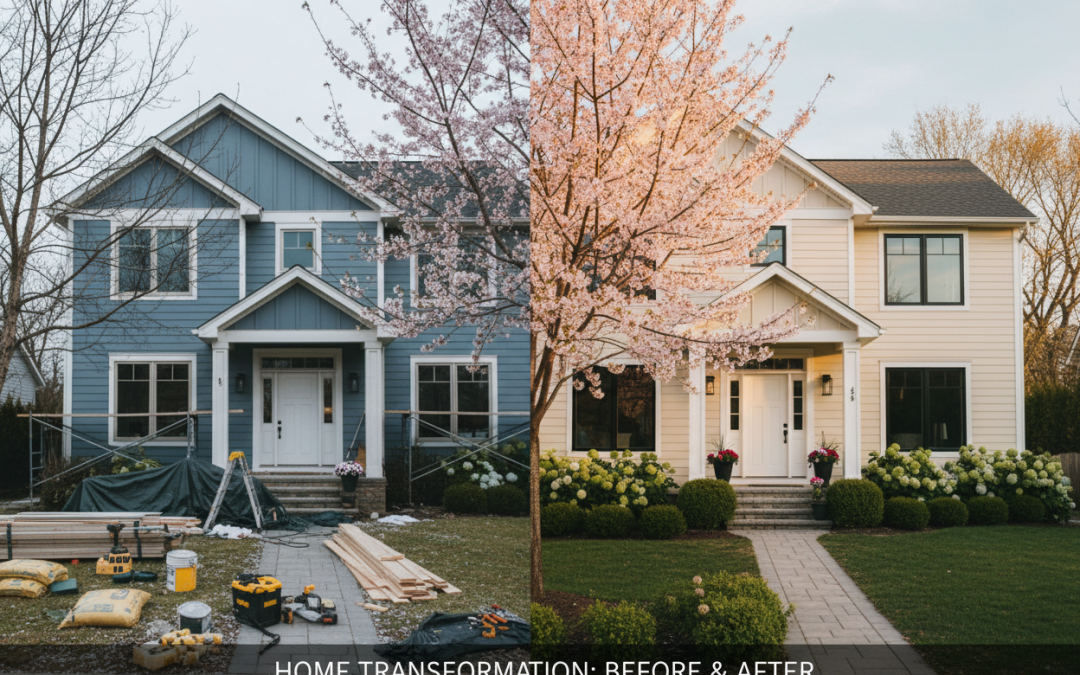
The Best Time of Year for Major Home Exterior Renovations
Planning a major exterior renovation can feel overwhelming, especially when you’re trying to figure out the perfect timing. After watching countless homeowners struggle with weather delays, contractor availability, and budget constraints, I’ve learned that timing truly is everything when it comes to exterior home improvements. Whether you’re dreaming of a new roof, siding replacement, or a complete exterior makeover, choosing the right season can make the difference between a smooth project and a stressful nightmare.
The truth is, there’s no one-size-fits-all answer to when you should tackle your exterior renovation. Your location, project type, and personal circumstances all play crucial roles in determining the optimal timing. However, understanding the advantages and challenges of each season will help you make an informed decision that saves you both time and money.
Spring: The Season of New Beginnings and Fresh Starts
Spring emerges as many homeowners’ favorite time for exterior renovations, and for good reason. As winter’s grip loosens and temperatures begin to rise, the construction industry comes alive with renewed energy. The moderate temperatures and longer daylight hours create ideal working conditions for most exterior projects.
During spring months, you’ll typically enjoy mild weather that’s perfect for roofing, siding, and painting projects. The absence of extreme heat means workers can maintain productivity throughout the day, and materials like paint and sealants cure properly in these moderate conditions. Additionally, spring offers the psychological benefit of starting fresh – there’s something deeply satisfying about beginning a major home improvement project as nature itself is renewing.
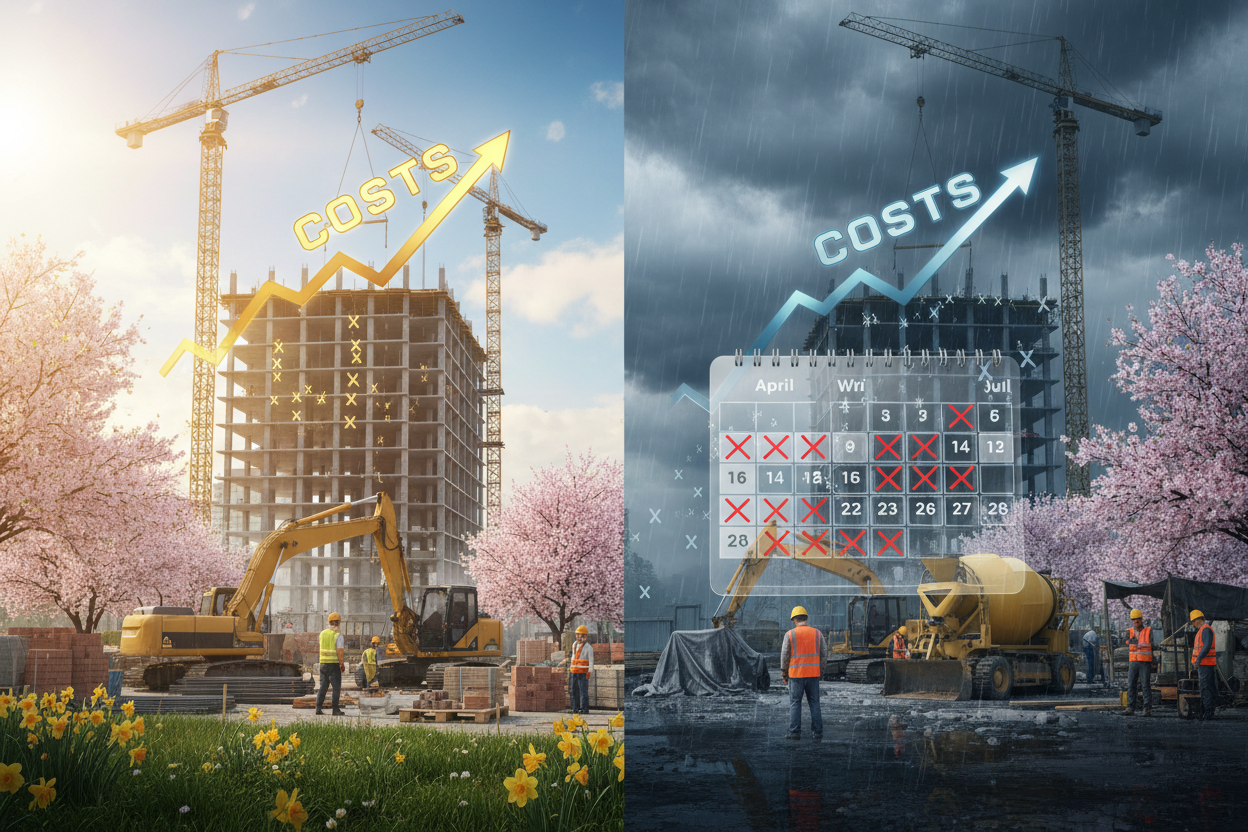
However, spring comes with its own set of challenges. This season marks the beginning of peak construction season, which means contractor availability becomes increasingly limited. You’ll need to book your preferred contractors well in advance, sometimes months ahead. Spring also brings unpredictable weather patterns, including sudden rainstorms that can delay outdoor work. The demand surge during this time can also drive up material costs and labor rates.
Summer: Peak Season Opportunities and Challenges
Summer represents the heart of construction season, offering the most predictable weather patterns and longest working days. The extended daylight hours allow contractors to accomplish more work daily, potentially shortening your project timeline. Dry conditions are particularly beneficial for projects involving concrete, painting, and any work requiring materials to cure or dry completely.
The stable weather patterns during summer months mean fewer unexpected delays due to rain or snow. This predictability allows for better project scheduling and more accurate completion estimates. For homeowners planning multiple exterior projects, summer provides the best opportunity to tackle everything at once, from roofing to landscaping.
The downside of summer renovations centers around the intense competition for contractor services. This is when everyone wants their exterior work completed, leading to higher prices and limited availability. The extreme heat in many regions can also affect worker productivity and material performance. Some materials, particularly asphalt shingles and certain paints, can become difficult to work with in excessive heat.
Fall: The Sweet Spot for Smart Homeowners
Many experienced contractors and homeowners consider fall the secret weapon of exterior renovation timing. As the summer rush winds down, contractor availability improves significantly, often resulting in more competitive pricing and better attention to your project. The cooler temperatures create comfortable working conditions while still providing enough warm, dry days to complete most exterior projects.
Fall weather typically offers stable conditions with less humidity, making it ideal for painting and staining projects. The moderate temperatures ensure that materials perform optimally, and the reduced demand means you’ll have better contractor selection and potentially negotiate better rates. This season also provides the perfect opportunity to prepare your home’s exterior for the harsh winter months ahead.
The primary concern with fall renovations is the approaching winter deadline. Projects must be completed before severe weather arrives, which can create pressure and potentially rush certain aspects of the work. Additionally, as fall progresses into late autumn, daylight hours decrease, potentially extending project timelines.
Winter: Unexpected Opportunities for the Prepared
While winter might seem like an impossible time for exterior renovations, it actually presents unique opportunities for certain projects and prepared homeowners. Many contractors offer significant discounts during their slow season, making winter an attractive option for budget-conscious renovators. Emergency repairs and interior preparation work can often be completed even during colder months.
Certain exterior projects, such as window replacement or door installation, can be successfully completed in winter with proper planning and experienced contractors. The key lies in choosing projects that can be completed quickly or in stages, minimizing exposure to the elements.
The obvious challenges of winter renovations include unpredictable weather, shorter daylight hours, and the difficulty of working with certain materials in cold temperatures. However, for homeowners willing to be flexible with timing and choose appropriate projects, winter can offer substantial cost savings.
Project-Specific Timing Considerations
Different types of exterior renovations have varying optimal timing windows. Roofing projects, for instance, are best completed during dry seasons with moderate temperatures, making late spring through early fall ideal. The urgency of roof repairs, however, sometimes necessitates winter work, which experienced roofing contractors can handle with proper precautions.
Siding installation and replacement work best in mild weather conditions when materials remain flexible and easy to work with. Extreme cold can make vinyl siding brittle, while excessive heat can cause expansion issues. Spring and fall typically provide the best conditions for siding projects.
Exterior painting projects require specific temperature and humidity ranges for optimal results. Most paint manufacturers recommend temperatures between 50-85 degrees Fahrenheit with low humidity. This makes late spring through early fall the ideal window, with fall often providing the most stable conditions.
Regional Climate Considerations
Your geographic location significantly impacts the best timing for exterior renovations. Homeowners in northern climates face shorter construction seasons, making spring and summer planning essential. The harsh winters in these regions often limit exterior work to emergency repairs only.
Southern regions enjoy longer construction seasons, allowing for more flexibility in project timing. However, the intense summer heat and humidity in these areas can make mid-summer work challenging. Fall and winter often provide more comfortable working conditions in warmer climates.
Coastal areas must consider additional factors such as hurricane seasons, salt air effects on materials, and higher humidity levels. Understanding your local climate patterns and seasonal challenges helps determine the most appropriate timing for your specific location.
Budget and Planning Strategies
Smart financial planning can help you take advantage of seasonal pricing fluctuations. Booking contractors during their slow seasons often results in better rates and more personalized attention to your project. Many contractors offer winter discounts or early bird pricing for spring projects booked in advance.
Consider spreading large projects across multiple seasons to manage costs and minimize disruption. For example, you might complete roofing in fall, siding in spring, and painting in early summer. This approach allows you to budget more effectively while ensuring each aspect receives proper attention.
Material costs also fluctuate seasonally, with some items becoming more expensive during peak demand periods. Purchasing materials during off-season sales and storing them properly can result in significant savings, though this requires adequate storage space and careful planning.
Conclusion
Choosing the best time for your major exterior renovation ultimately depends on balancing multiple factors: your local climate, project requirements, budget constraints, and personal timeline. While spring and fall often emerge as the most favorable seasons for most projects, each season offers unique advantages for prepared homeowners.
The key to successful timing lies in planning ahead, understanding your local climate patterns, and being flexible when opportunities arise. Whether you choose the fresh energy of spring, the predictable conditions of summer, the competitive pricing of fall, or the potential savings of winter, proper planning and realistic expectations will help ensure your exterior renovation project succeeds regardless of the season.
Remember that the “best” time is ultimately when you’re prepared, both financially and logistically, to commit to your renovation project. Start planning early, research contractors thoroughly, and don’t be afraid to ask professionals about the optimal timing for your specific project and location.
Frequently Asked Questions
Q: How far in advance should I book contractors for exterior renovations?
A: For peak season projects (spring and summer), book contractors 2-4 months in advance. For fall and winter projects, 4-8 weeks is typically sufficient, though popular contractors may require longer lead times.
Q: Can roofing work be done in winter?
A: Yes, experienced roofing contractors can perform winter work, especially emergency repairs. However, conditions must be safe, and some materials may require special handling in cold temperatures.
Q: What’s the worst time of year for exterior painting?
A: Avoid painting during extreme temperatures (below 50°F or above 85°F), high humidity periods, or when rain is forecasted within 24-48 hours of application.
Q: Do material costs vary significantly by season?
A: Yes, materials often cost more during peak construction season (spring and summer) due to increased demand. Shopping for materials during off-season can result in 10-20% savings.
Q: How does weather affect project timelines?
A: Weather delays are most common in spring due to unpredictable conditions. Summer offers the most predictable timelines, while fall provides a good balance of stable weather and fewer delays.
Q: Should I avoid starting projects in late fall?
A: Late fall can work for quick projects, but avoid starting lengthy renovations that might extend into winter unless your contractors have experience with cold-weather work.


Home window replacement near me Flower Mound Texas












Home replacement window companies Fairview Texas













Home replacement window companies Grapevine Texas




How much does it cost for vinyl replacement windows Flower Mound Texas



























Preston Hollow Dallas TX Replacement Vinyl Siding