
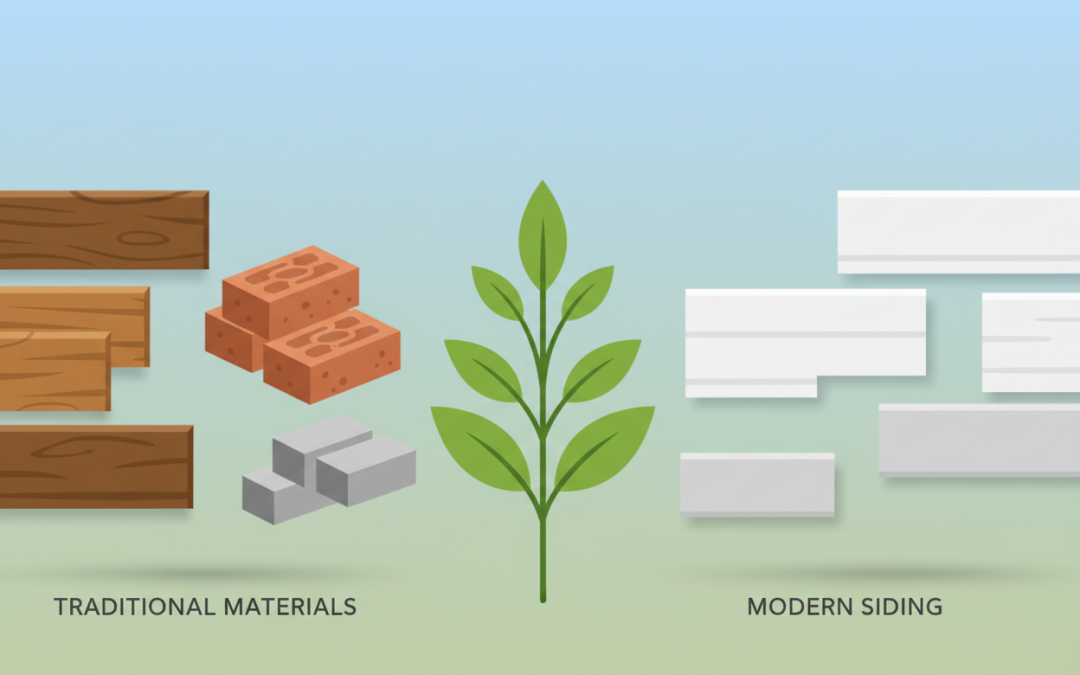
The Environmental Impact of Vinyl vs Traditional Building Materials: A Complete Guide
When I first started researching building materials for my home renovation project, I never imagined how complex the environmental considerations would become. The choice between vinyl and traditional building materials isn’t just about aesthetics or cost – it’s about understanding the long-term impact our construction decisions have on the planet.
As climate change concerns grow and sustainable living becomes increasingly important, homeowners and builders are questioning whether modern synthetic materials like vinyl are truly better than time-tested traditional options. This comprehensive comparison will help you make informed decisions about building materials while considering their environmental footprint throughout their entire lifecycle.
Understanding Vinyl Building Materials
Vinyl, scientifically known as polyvinyl chloride (PVC), has revolutionized the construction industry since its widespread adoption in the 1960s. This synthetic polymer offers remarkable durability, weather resistance, and low maintenance requirements that have made it a popular choice for siding, windows, flooring, and roofing applications.
The manufacturing process of vinyl involves combining ethylene (derived from natural gas or petroleum) with chlorine to create a versatile plastic material. Modern vinyl products often include additives for UV protection, flexibility, and color stability, making them suitable for various climatic conditions.
What makes vinyl particularly appealing to many homeowners is its consistency and predictability. Unlike natural materials that can vary in quality and appearance, vinyl products maintain uniform characteristics and performance standards across different batches and manufacturers.
Traditional Building Materials Overview
Traditional building materials encompass a wide range of naturally occurring substances that humans have used for centuries. These include wood, stone, brick, clay, natural fiber insulation, and metal materials like copper and steel. Each of these materials has been refined and improved over generations of use.
Wood remains one of the most popular traditional materials, sourced from various tree species and processed into lumber, plywood, and engineered wood products. Stone and brick offer exceptional durability and thermal mass, while materials like cork and wool provide natural insulation properties.
The appeal of traditional materials often lies in their natural beauty, unique characteristics, and connection to historical building practices. Many people find comfort in using materials that have proven their worth over centuries of human habitation.
Manufacturing and Production Environmental Impact
The environmental impact of material production tells a fascinating story about energy consumption and resource utilization. Vinyl production is notably energy-intensive, requiring significant amounts of fossil fuels both as raw materials and energy sources. The process involves high-temperature chemical reactions and produces various byproducts that require careful management.
One concerning aspect of vinyl manufacturing is the potential release of dioxins and other toxic compounds during production. While modern facilities have improved their emission controls significantly, the fundamental chemistry of PVC production still poses environmental challenges.
Traditional materials present a mixed picture regarding production impact. Harvesting wood can be sustainable when managed properly, but deforestation for building materials contributes to habitat loss and carbon emissions. Stone and brick production requires substantial energy for quarrying and firing, respectively, yet these processes typically involve fewer synthetic chemicals.
Interestingly, some traditional materials like reclaimed wood or salvaged stone have minimal additional production impact, as they’re simply repurposed from existing structures. This circular approach to material use represents one of the strongest environmental advantages of traditional building materials.
Durability and Lifespan Comparison
When evaluating environmental impact, longevity plays a crucial role in determining a material’s overall sustainability. Vinyl products typically offer impressive durability, with quality vinyl siding lasting 20-40 years and vinyl windows performing well for 15-30 years under normal conditions.
However, traditional materials often outlast their synthetic counterparts significantly. Well-maintained wood siding can last 50-100 years, while stone and brick structures have been known to endure for centuries. This longevity means fewer replacement cycles and reduced long-term material consumption.
The durability equation becomes more complex when considering maintenance requirements. Vinyl generally requires minimal upkeep beyond occasional cleaning, while traditional materials may need regular treatments, repairs, or refinishing to maintain their longevity.
Climate conditions also affect material lifespan differently. Vinyl can become brittle in extreme cold and may fade or warp in intense heat and UV exposure. Traditional materials often weather naturally, developing patina or weathering that many find aesthetically pleasing while maintaining structural integrity.
Recyclability and End-of-Life Disposal
The end-of-life phase reveals some of the most significant environmental differences between vinyl and traditional materials. Vinyl recycling, while technically possible, faces practical challenges due to the variety of additives and the need for specialized processing facilities. Much vinyl waste still ends up in landfills where it persists for hundreds of years.
Some vinyl manufacturers have established take-back programs and developed methods for incorporating recycled content into new products. However, the recycling rate for construction vinyl remains relatively low compared to other plastic products.
Traditional materials often offer superior end-of-life options. Wood can be reclaimed, repurposed, or composted naturally. Stone and brick are frequently salvaged for new construction projects, and metal components retain value for scrap recycling. These materials integrate more naturally into circular economy principles.
The biodegradability factor strongly favors traditional materials. While vinyl persists in the environment indefinitely, natural materials eventually return to the earth without leaving harmful residues. This fundamental difference has long-term implications for environmental health.
Energy Efficiency and Thermal Performance
Both vinyl and traditional materials offer distinct advantages for building energy efficiency. Vinyl windows, when properly manufactured and installed, provide excellent insulation properties that can significantly reduce heating and cooling costs. The material’s low thermal conductivity helps prevent energy transfer through building envelopes.
Traditional materials bring different thermal advantages to construction projects. Wood offers natural insulation properties and thermal mass that can help regulate indoor temperatures. Stone and brick provide substantial thermal mass that absorbs heat during the day and releases it slowly, contributing to passive temperature control.
The energy efficiency discussion extends beyond the materials themselves to installation practices and overall building design. Vinyl products often feature engineered designs optimized for energy performance, while traditional materials may require additional insulation or thermal breaks to achieve similar efficiency levels.
Modern building codes and energy standards have pushed both vinyl and traditional material manufacturers to improve their products’ thermal performance, resulting in better options across both categories.
Carbon Footprint Analysis
Calculating the complete carbon footprint of building materials requires examining their entire lifecycle from raw material extraction through disposal. Vinyl’s carbon footprint is heavily weighted toward the manufacturing phase, where fossil fuel consumption and energy-intensive processes generate significant emissions.
Transportation often adds to vinyl’s carbon footprint since these products are typically manufactured in centralized facilities and shipped long distances to reach consumers. However, vinyl’s light weight can sometimes offset transportation emissions compared to heavier traditional materials.
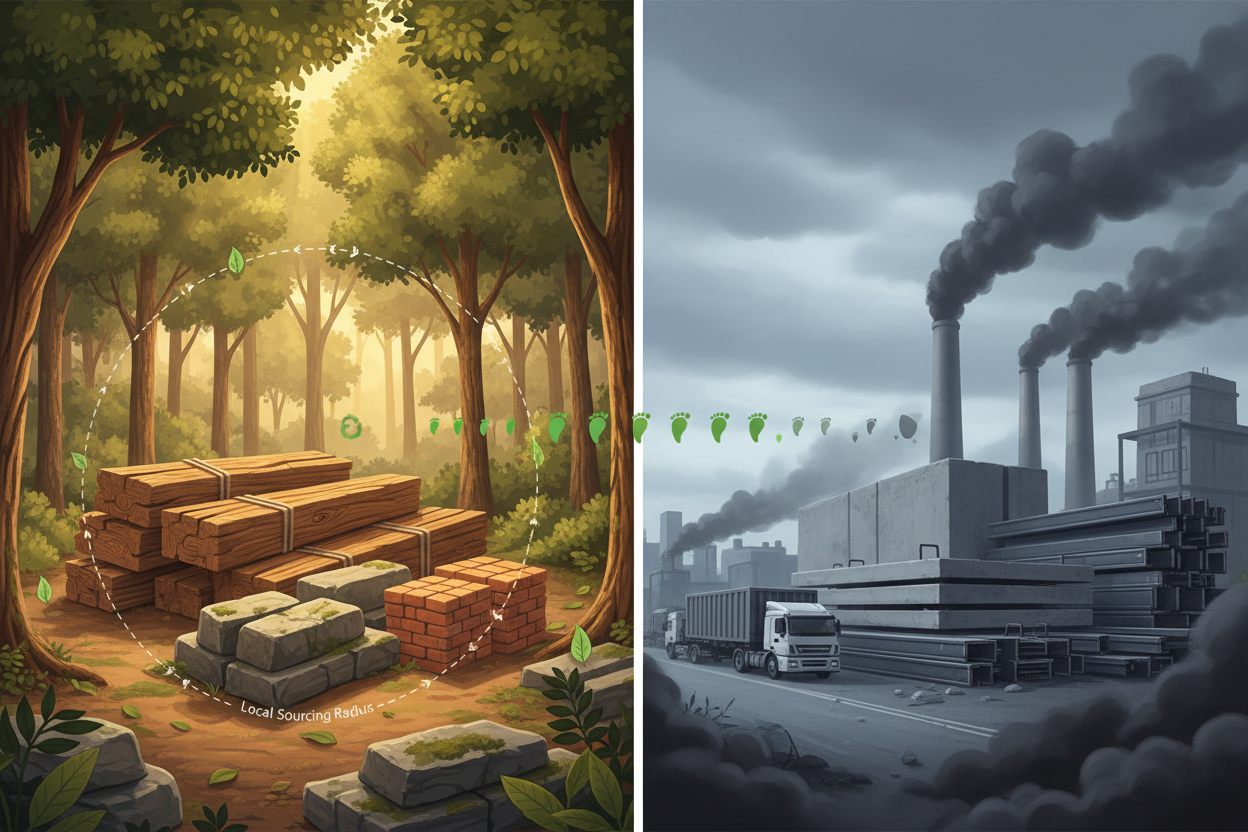
Traditional materials present varied carbon profiles depending on their source and processing requirements. Locally sourced wood or stone can have relatively low transportation emissions, while materials requiring extensive processing or long-distance shipping may generate substantial carbon footprints.
The carbon sequestration potential of wood materials provides a unique environmental benefit that synthetic materials cannot match. Growing trees absorb carbon dioxide from the atmosphere, and this carbon remains stored in wood products throughout their useful life.
Health and Indoor Air Quality Considerations
Indoor environmental quality represents another important factor in material selection decisions. Vinyl products can potentially release volatile organic compounds (VOCs) and plasticizers into indoor air, particularly when new or exposed to heat. While modern vinyl formulations have reduced these emissions, sensitive individuals may still experience reactions.
Traditional materials generally pose fewer indoor air quality concerns, though specific treatments or finishes may introduce chemicals. Natural wood, stone, and other traditional materials typically don’t off-gas synthetic compounds, making them preferable for individuals with chemical sensitivities.
The moisture management properties of materials also affect indoor air quality and health. Some traditional materials naturally regulate humidity levels, while vinyl’s impermeability may require additional ventilation considerations to prevent moisture problems.
Cost Considerations and Long-term Value
While environmental impact is our primary focus, cost considerations inevitably influence material choices. Vinyl products often offer lower upfront costs and reduced maintenance expenses, making them attractive for budget-conscious projects. However, the long-term value equation becomes more complex when considering replacement cycles and disposal costs.
Traditional materials may require higher initial investments but often provide better long-term value through extended lifespans and potential for reuse or resale. The premium for sustainable, low-impact materials continues to decrease as demand grows and production scales improve.
Future regulatory changes regarding environmental standards and disposal requirements may affect the relative costs of different materials, potentially making sustainable options more economically attractive over time.
Making Informed Material Choices
Choosing between vinyl and traditional building materials requires careful consideration of multiple factors beyond just environmental impact. Project requirements, local climate conditions, maintenance capabilities, and aesthetic preferences all play important roles in material selection decisions.
For environmentally conscious builders and homeowners, prioritizing locally sourced traditional materials often provides the best environmental outcomes. When vinyl products are necessary for specific applications, selecting high-quality options from manufacturers with strong environmental commitments can help minimize negative impacts.
Hybrid approaches that combine the best aspects of both material categories may offer optimal solutions for many projects. Using traditional materials for primary structural elements while incorporating high-performance vinyl components where their properties provide clear advantages can balance environmental and performance considerations.
The key is making informed decisions based on complete lifecycle assessments rather than focusing solely on single factors like initial cost or maintenance requirements. Understanding the full environmental implications of our material choices helps create more sustainable built environments.
Future Trends and Innovations
The building materials industry continues evolving toward more sustainable options and improved environmental performance. Vinyl manufacturers are developing bio-based alternatives and improving recycling programs to address environmental concerns. Some companies are incorporating recycled content and developing take-back programs for end-of-life products.
Traditional material industries are also innovating, with improved forest management practices, more efficient processing methods, and enhanced performance characteristics. Engineered wood products and advanced natural fiber insulation represent examples of traditional materials enhanced through modern technology.
Emerging alternatives like recycled plastic lumber, bio-based polymers, and innovative natural fiber composites may eventually bridge the gap between synthetic and traditional materials, offering improved environmental performance without sacrificing functionality.
Conclusion
The environmental comparison between vinyl and traditional building materials reveals no simple answers, but rather a complex web of considerations that vary depending on specific applications and circumstances. While vinyl offers certain performance advantages and lower maintenance requirements, traditional materials generally provide better end-of-life options, lower toxicity, and renewable resource utilization.
For most environmentally conscious construction projects, traditional materials sourced responsibly and used appropriately offer the best overall environmental performance. However, specific applications may benefit from high-quality vinyl products, particularly where their durability and low maintenance characteristics provide clear advantages.
The most important factor is making informed decisions based on complete lifecycle thinking rather than focusing on individual characteristics. As both material categories continue improving their environmental performance, the gap between them may narrow, providing better options for sustainable construction.
Ultimately, the goal should be creating durable, efficient buildings using materials that minimize environmental impact throughout their entire lifecycle. This requires careful consideration of local conditions, specific project requirements, and long-term sustainability goals rather than blanket preferences for particular material categories.
Frequently Asked Questions
Is vinyl siding better for the environment than wood siding?
Wood siding generally has a lower environmental impact when sourced from sustainably managed forests. Wood stores carbon, is biodegradable, and can be reclaimed or recycled. However, vinyl siding requires less maintenance and may last longer in certain climates, potentially offsetting some environmental advantages of wood.
Can vinyl building materials be recycled?
Yes, vinyl can be recycled, but the process is more complex than recycling other materials. Limited recycling facilities and the variety of additives in vinyl products create challenges. Some manufacturers offer take-back programs, but overall recycling rates remain low compared to traditional materials.
Do vinyl products release harmful chemicals into homes?
Modern vinyl products have reduced emissions compared to older formulations, but they may still release small amounts of VOCs and plasticizers. Proper ventilation and choosing products with low emission certifications can minimize potential health impacts.
Which building materials have the lowest carbon footprint?
Locally sourced traditional materials like wood, stone, and clay typically have lower carbon footprints, especially when transportation distances are minimal. Wood has the additional benefit of carbon sequestration. Reclaimed or salvaged materials often have the lowest impact since they avoid new production emissions.
Are there sustainable alternatives to both vinyl and traditional materials?
Yes, emerging alternatives include recycled plastic lumber, bio-based polymers, bamboo products, and innovative natural fiber composites. These materials aim to combine the performance benefits of synthetic materials with the environmental advantages of natural materials.
How long do vinyl building materials typically last?
Quality vinyl products generally last 15-40 years depending on the application and climate conditions. Vinyl siding typically lasts 20-40 years, while vinyl windows may last 15-30 years. However, extreme temperatures and UV exposure can reduce lifespan in some climates.








Home window replacement Preston Hollow Dallas Texas






















Home replacement window companies Westminster Texas




How much does it cost for vinyl replacement windows Rowlett Texas


Window replacement cost North Richland Hills Texas


How much does it cost for vinyl replacement windows Arlington Texas



Affordable replacement windows Gainesville Texas








Flower Mound TX Siding Replacement Contractors






Lowry Crossing TX Windows And Siding Replacement