
The Science Behind Energy-Efficient Vinyl Windows: Understanding How Modern Technology Keeps Your Home Comfortable
When I first started researching home improvement options, I never imagined that something as seemingly simple as a window could involve so much fascinating science. Yet here we are, living in an era where energy-efficient vinyl windows represent a remarkable convergence of materials science, thermal dynamics, and engineering innovation. These aren’t just pieces of glass held together by plastic frames – they’re sophisticated systems designed to regulate temperature, reduce energy costs, and enhance comfort in ways our grandparents could never have imagined.
The journey toward understanding energy-efficient vinyl windows begins with recognizing that your home’s windows are essentially the gatekeepers of indoor climate control. They’re responsible for managing heat transfer, controlling air infiltration, and maintaining the delicate balance between indoor comfort and outdoor conditions. Modern vinyl windows have evolved far beyond their early predecessors, incorporating cutting-edge technologies that make them formidable allies in the battle against energy waste.
The Evolution of Vinyl Window Technology
Vinyl windows have come a long way since their introduction in the 1970s. Early versions were often criticized for their limited color options and potential for warping, but today’s energy-efficient vinyl windows represent decades of research and development. The polyvinyl chloride (PVC) used in modern windows is engineered with advanced additives that enhance durability, UV resistance, and thermal performance.
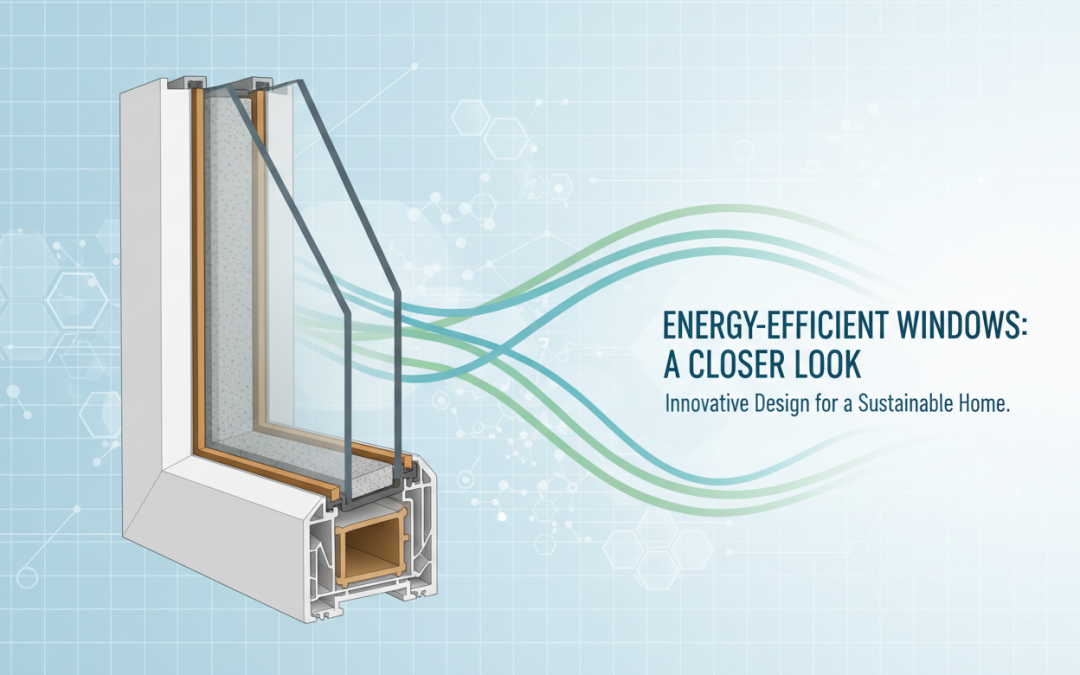
What makes contemporary vinyl particularly impressive is its multi-chambered design. Unlike solid materials, modern vinyl window frames feature hollow chambers that create insulating air pockets. These chambers work like tiny thermoses, significantly reducing heat transfer through the frame itself. Some high-end vinyl windows feature up to nine chambers within a single frame, creating multiple barriers against energy loss.
The manufacturing process has also evolved dramatically. Today’s vinyl windows undergo precision welding techniques that create seamless corners, eliminating weak points where air might infiltrate. This attention to detail in manufacturing directly translates to better energy performance in your home.
Understanding Heat Transfer in Windows
To truly appreciate the science behind energy-efficient vinyl windows, we need to understand the three primary ways heat moves through windows: conduction, convection, and radiation. Each of these heat transfer methods presents unique challenges that modern window technology addresses through innovative solutions.
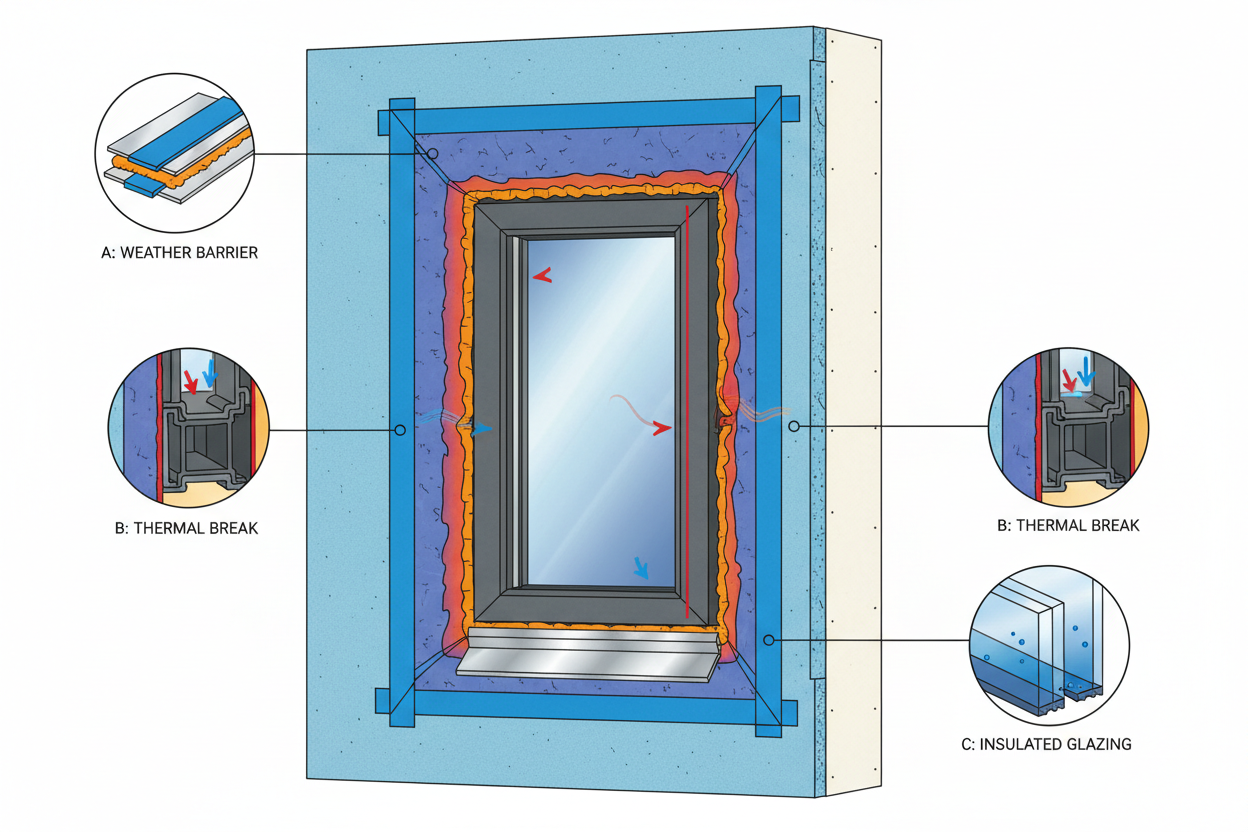
Conduction occurs when heat moves directly through solid materials. In windows, this happens when outdoor temperatures transfer through the glass and frame materials into your home. Energy-efficient vinyl windows combat conduction through low-conductivity materials and thermal breaks that interrupt the path of heat transfer.
Convection involves heat transfer through air movement. This is why you might feel drafts around older windows – air currents are carrying heated or cooled air between the indoor and outdoor environments. Modern vinyl windows address convection through superior sealing systems and multiple weatherstripping layers that create airtight barriers.
Radiation is perhaps the most complex form of heat transfer in windows, involving electromagnetic energy from the sun. This is where advanced glazing technologies really shine, using specialized coatings to selectively allow or block different wavelengths of solar energy.
The Role of Advanced Glazing Systems
The glass component of energy-efficient vinyl windows deserves special attention because it’s where some of the most impressive technological advances have occurred. Modern energy-efficient windows typically feature double or triple-pane glazing systems, but the real magic happens in the spaces between those panes and the coatings applied to the glass surfaces.
Low-emissivity (Low-E) coatings represent one of the most significant breakthroughs in window technology. These microscopically thin metallic layers are applied to glass surfaces and work by reflecting infrared energy while allowing visible light to pass through. During winter, Low-E coatings reflect indoor heat back into your home, preventing it from escaping. In summer, they reflect outdoor heat away from your interior spaces.
The spaces between glass panes in energy-efficient vinyl windows aren’t filled with regular air – they’re filled with inert gases like argon or krypton. These gases are denser than air and have lower thermal conductivity, making them excellent insulators. Argon gas, the most commonly used option, can improve a window’s insulating performance by up to 30% compared to air-filled spaces.
Some premium energy-efficient vinyl windows even incorporate warm-edge spacers, which are the components that separate the glass panes around the perimeter. Traditional aluminum spacers conducted heat readily, creating thermal bridges that reduced overall window performance. Modern warm-edge spacers use materials like foam, fiberglass, or specially designed plastics that minimize heat transfer while maintaining structural integrity.
Thermal Performance Metrics and Energy Ratings
Understanding the science behind energy-efficient vinyl windows requires familiarity with the metrics used to measure their performance. The most important ratings include U-factor, Solar Heat Gain Coefficient (SHGC), and Air Leakage rates, each telling a different part of the energy efficiency story.
The U-factor measures how well a window insulates, with lower numbers indicating better insulating performance. Energy-efficient vinyl windows typically achieve U-factors between 0.20 and 0.35, compared to older single-pane windows that might have U-factors of 1.0 or higher. This dramatic difference translates directly to energy savings and improved comfort.
Solar Heat Gain Coefficient measures how much solar radiation passes through a window, expressed as a number between 0 and 1. The ideal SHGC depends on your climate and the window’s orientation. In cooling-dominated climates, lower SHGC values help reduce air conditioning costs, while heating-dominated regions might benefit from higher SHGC values to capture beneficial solar heat.
Air Leakage ratings measure how much air passes through a window assembly, with lower numbers indicating better performance. Energy-efficient vinyl windows often achieve air leakage rates of 0.1 cubic feet per minute per square foot or less, creating virtually airtight seals that prevent energy loss through infiltration.
The Impact of Proper Installation on Energy Performance
Even the most scientifically advanced energy-efficient vinyl windows won’t perform to their potential without proper installation. The installation process itself involves scientific principles related to air sealing, thermal bridging, and moisture management that can make or break a window’s energy performance.
Professional installers understand the importance of creating continuous air barriers around window openings, using specialized tapes, sealants, and flashing materials that work together as a system. They also know how to avoid thermal bridging, where conductive materials create pathways for heat transfer around the window frame.
Proper installation also involves managing the expansion and contraction that occurs as vinyl frames respond to temperature changes. Quality installers leave appropriate gaps and use flexible sealants that accommodate this movement without compromising the seal.
Long-Term Energy Savings and Environmental Benefits
The science behind energy-efficient vinyl windows translates into measurable benefits that extend far beyond initial comfort improvements. Studies consistently show that upgrading to energy-efficient vinyl windows can reduce heating and cooling costs by 10-25%, with the exact savings depending on your climate, existing windows, and energy prices.
These energy savings compound over time, often making energy-efficient vinyl windows a sound financial investment. The reduced energy consumption also translates to environmental benefits, as your home requires less energy from power plants, reducing greenhouse gas emissions and other environmental impacts associated with energy production.
Modern energy-efficient vinyl windows are also designed for longevity, with many manufacturers offering warranties of 20 years or more. The materials science behind these windows includes UV stabilizers and impact modifiers that help them maintain their performance and appearance over decades of use.
Frequently Asked Questions
How do energy-efficient vinyl windows compare to other window materials in terms of thermal performance?
Energy-efficient vinyl windows often outperform wood and aluminum windows in thermal efficiency due to their multi-chambered design and low thermal conductivity. While fiberglass windows can achieve similar performance levels, vinyl typically offers better value for comparable energy efficiency ratings.
What’s the difference between double-pane and triple-pane energy-efficient vinyl windows?
Triple-pane windows add an additional layer of glass and insulating gas space, typically improving U-factors by 20-30% compared to high-quality double-pane windows. However, the additional cost may not always justify the energy savings in moderate climates.
How long do energy-efficient vinyl windows typically last?
Modern energy-efficient vinyl windows are designed to last 20-30 years or more with proper maintenance. The vinyl material itself is highly durable and resistant to weathering, while the glazing systems and hardware components are engineered for long-term performance.
Can I improve the energy efficiency of existing vinyl windows?
While replacement is often the most effective solution, you can improve existing windows through weatherstripping replacement, caulking, and adding storm windows. However, these measures typically provide only modest improvements compared to upgrading to modern energy-efficient vinyl windows.
Do energy-efficient vinyl windows require special maintenance?
Energy-efficient vinyl windows require minimal maintenance compared to other materials. Regular cleaning of glass and frames, occasional lubrication of hardware, and inspection of weatherstripping are typically sufficient to maintain optimal performance.
How do I know if energy-efficient vinyl windows are right for my climate?
Energy-efficient vinyl windows perform well in most climates, but the specific features you need may vary. Cold climates benefit from lower U-factors and higher SHGC values, while hot climates typically require lower SHGC ratings to reduce cooling loads. Consult with local professionals for climate-specific recommendations.
Conclusion
The science behind energy-efficient vinyl windows reveals a fascinating intersection of materials engineering, thermal dynamics, and environmental consciousness. These sophisticated systems represent decades of research and development aimed at creating windows that don’t just provide views and natural light, but actively contribute to home comfort and energy efficiency.
From the multi-chambered vinyl frames that create insulating air pockets to the advanced glazing systems that selectively manage solar energy, every component of modern energy-efficient vinyl windows serves a specific scientific purpose. Understanding these principles helps homeowners make informed decisions about window upgrades and appreciate the remarkable technology that’s working quietly to keep their homes comfortable and energy-efficient.
As we continue to face challenges related to energy costs and environmental sustainability, energy-efficient vinyl windows stand as a testament to human ingenuity and our ability to solve complex problems through scientific innovation. Whether you’re building a new home or upgrading existing windows, the science behind these remarkable products offers compelling reasons to invest in energy efficiency that will pay dividends for years to come.








How much does it cost for vinyl replacement windows Crandall Texas



















Affordable home window replacement Prosper Texas










How much does it cost for vinyl replacement windows Boyd Texas




Affordable replacement windows Haltom City Texas


Home replacement window companies Arlington Texas

















Addison TX Replacement Siding Installation Services