
The Impact of Window Orientation on Replacement Decisions: A Complete Homeowner’s Guide
When you’re standing in your living room, squinting against the harsh afternoon sun streaming through your west-facing windows, you might wonder if it’s time for new windows. Or perhaps you’ve noticed your north-facing bedroom windows never seem to let in enough natural light, leaving the space feeling perpetually dim. The direction your windows face plays a crucial role in determining when and how you should approach window replacement, yet many homeowners overlook this critical factor.
Window orientation affects everything from energy efficiency and comfort to the longevity of your window treatments and furniture. Understanding how different orientations impact your home’s performance can help you make smarter replacement decisions that save money and improve your quality of life for years to come.
Understanding Window Orientation Basics
Before diving into replacement considerations, it’s essential to understand how window orientation affects your home’s environment. Each cardinal direction presents unique challenges and opportunities that directly influence your window replacement strategy.
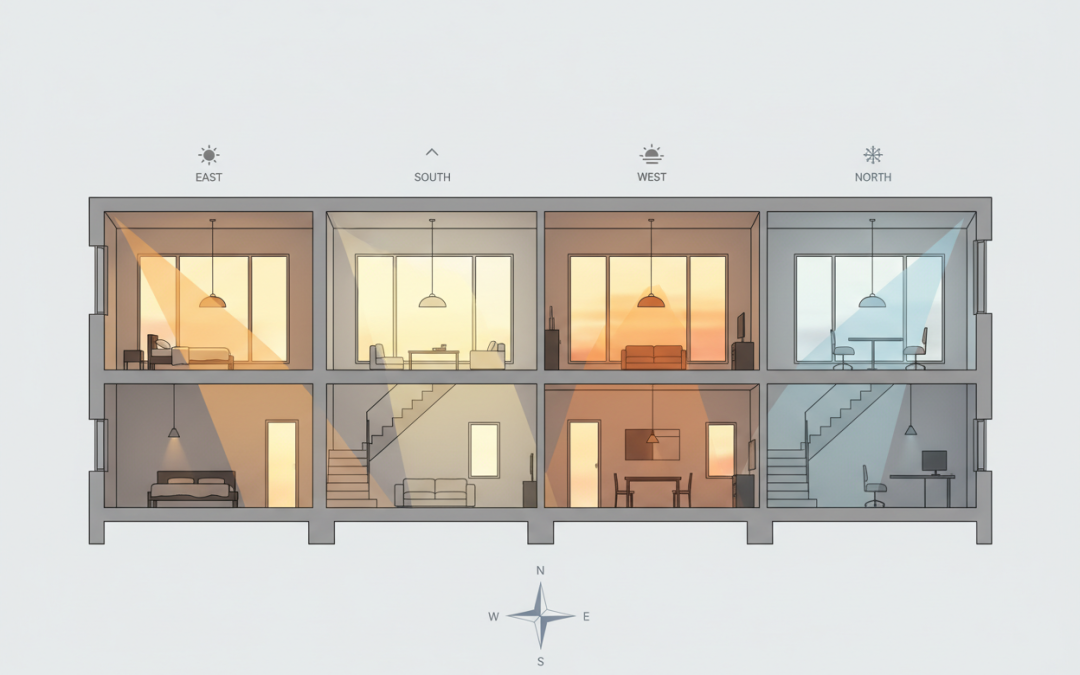
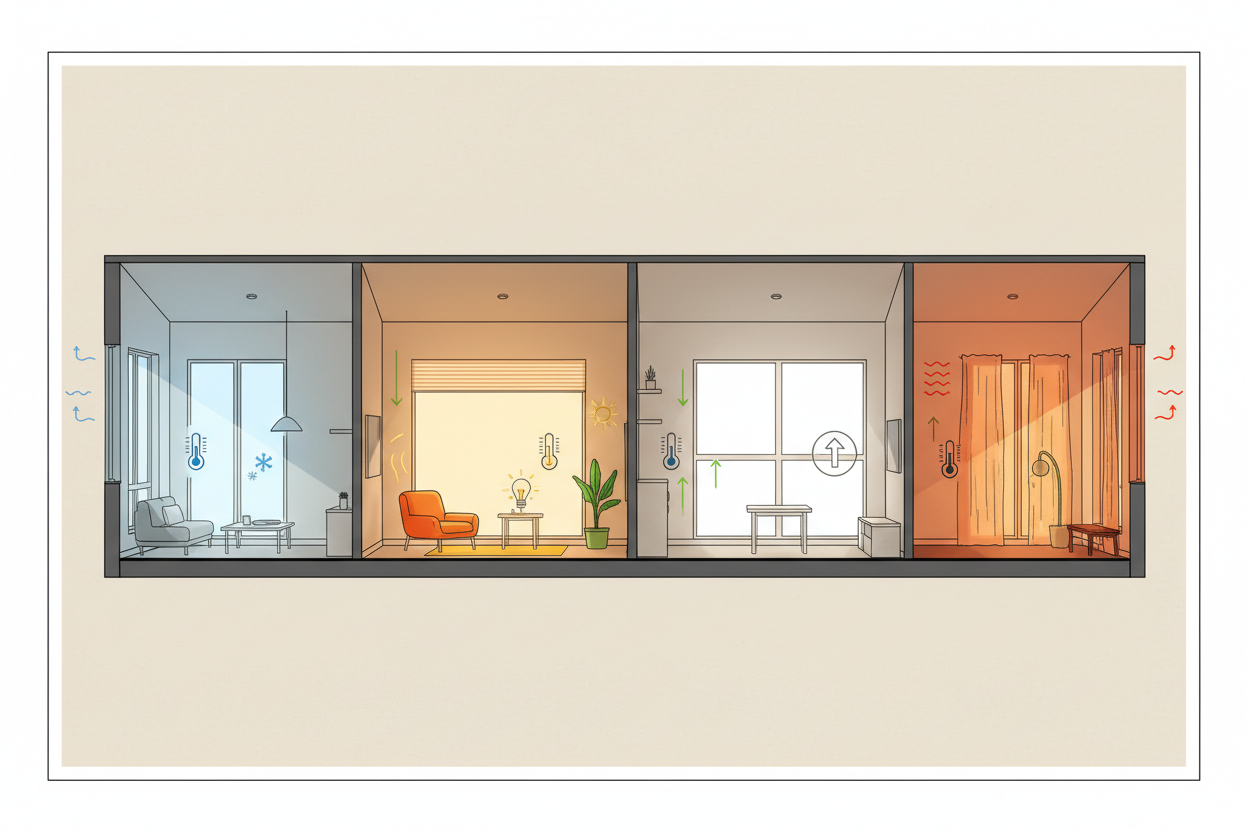
South-facing windows receive the most direct sunlight throughout the day, making them natural heat generators during winter months. However, this same characteristic can lead to excessive heat gain during summer, potentially driving up cooling costs. East-facing windows capture gentle morning light but avoid the intense heat of afternoon sun. West-facing windows, on the other hand, bear the brunt of hot afternoon sun, often creating uncomfortable temperature spikes in late afternoon. North-facing windows receive the most consistent, indirect light throughout the day but minimal solar heat gain.
These orientation patterns remain consistent regardless of your home’s age, but older windows may amplify the negative effects while failing to capitalize on the benefits. This is where strategic replacement decisions become crucial.
South-Facing Windows: Maximizing Solar Benefits
South-facing windows are your home’s solar powerhouses, and replacement decisions for these windows should focus on optimizing their natural advantages while managing potential drawbacks. During winter months, these windows can significantly reduce heating costs by allowing maximum solar heat gain when you need it most.
When considering replacement for south-facing windows, prioritize options with low-E coatings that can be seasonally adjusted or smart glass technology that automatically responds to temperature changes. Modern double or triple-pane windows with selective coatings can allow beneficial winter sun while reflecting excessive summer heat.
The timing of south-facing window replacement often depends on your current windows’ ability to manage this solar load. If you’re experiencing significant temperature fluctuations, faded furniture, or uncomfortably bright glare, it’s time to consider replacement. Look for windows with adjustable solar heat gain coefficients (SHGC) that can be optimized for your climate zone.
Many homeowners find that investing in high-performance south-facing windows pays dividends quickly through reduced energy bills. The key is selecting windows that harness beneficial solar energy while providing protection against excessive heat and UV damage.
North-Facing Windows: Addressing Light and Insulation Challenges
North-facing windows present a different set of replacement considerations, primarily centered around maximizing available light while maintaining energy efficiency. These windows receive minimal direct sunlight, making them less prone to heat gain issues but more susceptible to heat loss during cold months.
For north-facing window replacement, focus on maximizing visible light transmission while ensuring superior insulation properties. Triple-pane windows often make the most sense for north-facing orientations, as the additional insulation layer provides significant benefits without sacrificing the limited natural light available.
Consider larger window sizes during replacement if structurally feasible, as north-facing windows won’t contribute to overheating issues. Clearer glass with minimal tinting helps maximize the gentle, consistent light that north-facing windows provide. This orientation is ideal for spaces requiring consistent natural light without glare, such as home offices or art studios.
The replacement timeline for north-facing windows often depends more on insulation performance than solar management. If you notice condensation, drafts, or ice formation on these windows, replacement should be prioritized to prevent heat loss and potential moisture damage.
East and West-Facing Windows: Managing Extreme Conditions
East and west-facing windows each present unique challenges that significantly impact replacement timing and selection criteria. East-facing windows enjoy gentle morning sun but can experience rapid temperature changes as the sun moves overhead. West-facing windows endure the most intense solar exposure of the day, often creating hot spots that strain cooling systems.
For east-facing windows, replacement decisions should balance morning light optimization with afternoon comfort. These windows rarely require the heavy-duty solar protection needed for west-facing orientations, but they benefit from moderate low-E coatings that maintain morning brightness while providing some afternoon protection.
West-facing windows demand the most robust solar protection available in replacement options. High-performance low-E coatings, reflective films, or even electrochromic smart glass can dramatically improve comfort and energy efficiency. These windows often show signs of replacement needs earlier than other orientations due to the intense UV exposure and heat cycling they endure.
The afternoon heat load from west-facing windows can be so significant that replacement becomes necessary not just for comfort, but to prevent damage to interior furnishings and reduce strain on HVAC systems. If your west-facing rooms become uncomfortably hot in the afternoon despite adequate air conditioning, window replacement should be a priority.
Energy Efficiency Considerations by Orientation
Window orientation dramatically affects energy efficiency calculations, making it essential to tailor replacement decisions to each direction’s specific performance requirements. The same window that performs excellently facing north might be completely inappropriate for a west-facing installation.
South-facing windows should prioritize variable solar heat gain coefficients, allowing beneficial winter heat while rejecting excessive summer sun. Look for windows with SHGC ratings between 0.25-0.40 for optimal year-round performance. North-facing windows can accommodate higher SHGC ratings since solar heat gain is minimal, focusing instead on superior U-values for insulation.
East-facing windows benefit from moderate solar protection with SHGC ratings around 0.30-0.35, while west-facing windows often require the lowest available SHGC ratings, sometimes below 0.25, to manage intense afternoon sun. These technical specifications might seem overwhelming, but they directly translate to comfort and energy savings.
Consider your local climate when making orientation-based efficiency decisions. Homes in cooling-dominated climates might prioritize solar rejection across all orientations, while heating-dominated regions could benefit from higher solar heat gain on south-facing windows. Your window replacement professional should provide orientation-specific recommendations based on local energy codes and climate data.
Seasonal Comfort and Replacement Timing
The seasonal performance of different window orientations can help determine optimal replacement timing and urgency. West-facing windows that create unbearable afternoon heat during summer months might become replacement priorities, while north-facing windows causing winter heat loss could wait until fall installation.
Many homeowners notice orientation-related comfort issues most acutely during extreme seasons. Blazing summer afternoons highlight west-facing window inadequacies, while frigid winter mornings reveal north-facing insulation problems. Use these seasonal discomfort patterns to prioritize replacement decisions and budget accordingly.
Consider phased replacement approaches that address the most problematic orientations first. This strategy allows you to spread costs over time while immediately improving comfort in the most affected areas. West-facing windows might be replaced during spring to prepare for summer heat, while north-facing windows could be tackled before winter arrives.
Seasonal replacement timing also affects installation conditions and contractor availability. Planning orientation-specific replacements during moderate weather periods ensures optimal installation conditions and potentially better pricing from contractors during slower seasons.
Cost-Benefit Analysis Based on Window Direction
Not all window orientations provide equal returns on replacement investment, making cost-benefit analysis crucial for smart decision-making. West and south-facing windows typically offer the highest energy savings potential, while north-facing windows might provide more modest but still significant returns through improved comfort and reduced heat loss.
Calculate potential energy savings by orientation using your utility bills and local energy costs. West-facing window replacement often provides the most dramatic cooling cost reductions, while south-facing improvements can significantly impact both heating and cooling expenses. East-facing windows usually offer moderate savings, and north-facing replacements primarily affect heating costs.
Consider non-energy benefits in your cost analysis, including furniture protection, glare reduction, and improved comfort. West-facing windows that cause furniture fading might justify replacement costs through preservation of interior investments. South-facing windows creating uncomfortable glare could warrant replacement for quality of life improvements alone.
Factor in orientation-specific maintenance requirements when calculating long-term costs. West-facing windows typically require more frequent cleaning and maintenance due to weather exposure, while north-facing windows might need less frequent attention but could require more robust insulation features.
Professional Assessment and Installation Considerations
Professional window assessment becomes particularly important when orientation factors complicate replacement decisions. Experienced contractors understand how different orientations affect performance requirements and can recommend appropriate solutions for each direction your home faces.
Request orientation-specific performance projections during professional consultations. Reputable contractors should provide detailed analysis of how different window options will perform based on each orientation’s unique challenges. This information helps justify replacement costs and select optimal products for each direction.
Installation considerations also vary by orientation. West-facing windows might require additional structural support for heavier, high-performance units, while north-facing installations could benefit from larger rough openings to maximize available light. Professional installers understand these nuances and can advise on structural modifications that optimize performance.
Consider professional energy audits that specifically address orientation-related performance issues. These assessments can identify which windows contribute most to energy loss or gain, helping prioritize replacement decisions based on actual performance data rather than assumptions.
Frequently Asked Questions
Q: Should I replace all my windows at once or prioritize certain orientations?
A: Prioritizing orientations based on performance issues often makes more financial sense than replacing all windows simultaneously. Start with west-facing windows if cooling costs are high, or north-facing windows if heating costs are excessive. This approach spreads costs over time while addressing the most problematic areas first.
Q: Do different window orientations require different types of glass?
A: Yes, optimal glass specifications vary significantly by orientation. West-facing windows benefit from low solar heat gain coefficients and reflective coatings, while north-facing windows can use clearer glass with superior insulation properties. South-facing windows often need variable or selective coatings that manage seasonal sun angles.
Q: How much can window orientation affect my energy bills?
A: Window orientation can impact energy costs by 15-30% depending on your climate and existing window condition. West-facing windows in hot climates often provide the highest savings potential, while south-facing windows in cold climates can significantly reduce heating costs through solar gain.
Q: Are smart or dynamic windows worth the extra cost for certain orientations?
A: Smart windows often provide the best value for south and west-facing orientations where solar conditions change dramatically throughout the day. The ability to automatically adjust tinting based on sun intensity can optimize both energy efficiency and comfort, though the higher initial cost requires careful consideration of long-term savings.
Q: How do I know if my current windows are failing due to orientation stress?
A: Signs include excessive heat in west-facing rooms during afternoon, condensation on north-facing windows during winter, faded furniture near south-facing windows, or dramatically different temperatures in rooms facing different directions. These orientation-specific issues often indicate that replacement could provide significant improvements.
Understanding how window orientation affects replacement decisions empowers you to make informed choices that improve comfort, reduce energy costs, and enhance your home’s value. By considering the unique challenges and opportunities each direction presents, you can prioritize replacements strategically and select optimal window solutions for your specific situation. Remember that professional consultation can provide valuable insights into orientation-specific performance requirements and help ensure your replacement investment delivers maximum benefits for years to come.











How much does it cost for vinyl replacement windows Anna Texas



















How much does it cost for vinyl replacement windows Lake Dallas Texas



How much does it cost for vinyl replacement windows Garland Texas





How much does it cost for vinyl replacement windows Bells Texas




















Springtown TX Cost Of Vinyl Siding Replacement