

The Ultimate Siding Replacement Timeline: What to Expect
Planning a siding replacement project can feel overwhelming, especially when you’re not sure how long the entire process will take. Whether you’re dealing with damaged siding from a recent storm or simply ready to upgrade your home’s exterior, understanding the timeline helps you prepare mentally, financially, and logistically for this significant home improvement project.
Most homeowners are surprised to learn that siding replacement involves much more than just the actual installation days. From initial planning to final cleanup, a typical siding replacement project spans several weeks to months, depending on various factors including your home’s size, material choices, weather conditions, and contractor availability.
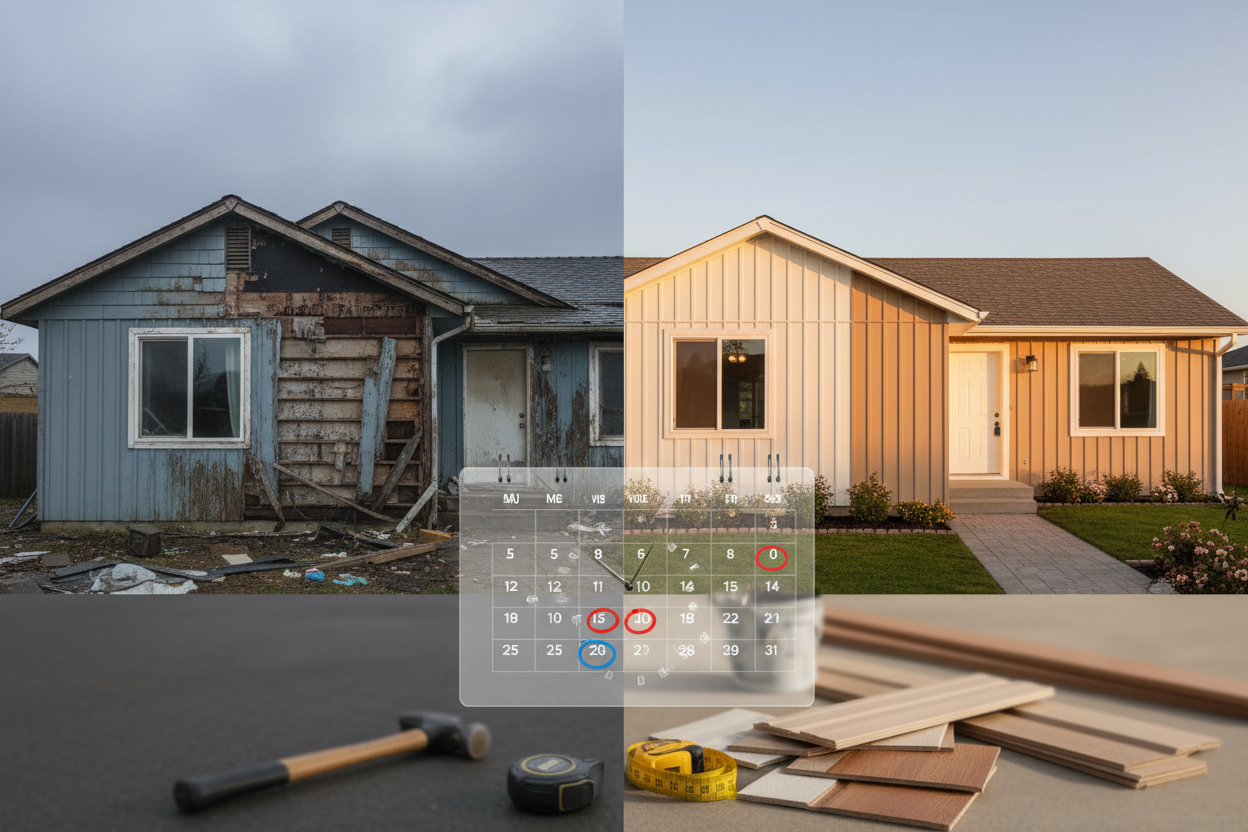
This comprehensive guide walks you through every phase of the siding replacement timeline, helping you set realistic expectations and plan accordingly. You’ll discover what happens during each stage, potential delays to watch for, and practical tips to keep your project moving smoothly.
Pre-Project Planning Phase (2-4 Weeks)
Before any hammers start swinging, successful siding replacement begins with thorough planning. This initial phase typically takes two to four weeks, though it can extend longer if you’re still deciding between contractors or materials.
During the first week, you’ll likely spend time researching siding materials, gathering quotes from multiple contractors, and checking references. Don’t rush this process – choosing the right contractor and materials significantly impacts your project’s timeline and final results.
The second and third weeks usually involve finalizing your contractor selection, reviewing detailed proposals, and making material decisions. Your contractor should provide a comprehensive timeline during this phase, including start dates, major milestones, and estimated completion.
Permit acquisition also happens during this planning phase. Depending on your local requirements, obtaining necessary permits can take anywhere from a few days to several weeks. Your contractor typically handles this process, but delays can occur if your local building department is backed up or if your project requires special approvals.
Material Ordering and Delivery (1-3 Weeks)
Once contracts are signed and permits secured, your contractor orders all necessary materials. This phase varies significantly based on your material choices and current market conditions.
Standard vinyl siding typically arrives within one to two weeks, while specialty materials like fiber cement, wood, or custom colors may require three weeks or longer. Supply chain disruptions, which have become more common in recent years, can extend these timelines unexpectedly.
Your contractor should provide regular updates about material delivery schedules. Smart contractors often order materials with some buffer time built into the project timeline, accounting for potential shipping delays or damaged shipments that need replacement.
During this waiting period, you can prepare your property for the upcoming work. This includes clearing outdoor furniture, protecting landscaping, and discussing access requirements with your contractor.
Site Preparation and Setup (1-2 Days)
Once materials arrive, the physical work begins with site preparation. This crucial phase typically takes one to two days, depending on your home’s size and the complexity of access around your property.
Your contractor’s crew will establish a staging area for materials and equipment, set up scaffolding or ladders as needed, and protect your landscaping with tarps or plywood. They’ll also conduct a final walkthrough to identify any last-minute concerns or changes to the original plan.
Expect some disruption to your normal routine during this phase. Crews typically arrive early in the morning, and the setup process can be noisy. It’s also when you’ll start seeing the reality of having construction workers around your home daily.
Professional contractors take care to minimize damage to your property during setup, but some minor impacts to grass or garden areas are normal. Discuss these concerns upfront and ensure your contract addresses property restoration expectations.
Old Siding Removal (1-3 Days)
Removing existing siding is often more time-consuming than homeowners expect. This phase typically requires one to three days, depending on your home’s size, the type of existing siding, and what the crew discovers underneath.
Vinyl siding removal usually proceeds quickly, while removing wood siding, especially if it’s been painted multiple times, takes considerably longer. Aluminum siding falls somewhere in between, though crews must exercise extra caution to avoid sharp edges.
This is when unexpected issues most commonly surface. Your contractor might discover water damage, structural problems, or outdated building practices that need addressing before new siding installation can proceed. While these discoveries can delay your project, addressing underlying issues now prevents bigger problems later.
The removal phase is typically the noisiest and most disruptive part of your project. Expect significant noise throughout the day, and plan accordingly if you work from home or have young children who nap during the day.
Structural Repairs and House Wrap Installation (1-4 Days)
After old siding removal, your contractor inspects the underlying structure and makes necessary repairs. This phase varies dramatically based on what the removal process revealed.
Minor repairs, like replacing a few damaged boards or updating caulking, might add just half a day to your timeline. However, extensive water damage, structural issues, or code compliance updates can extend this phase to several days or even weeks in extreme cases.
House wrap installation typically happens during this phase. Modern house wrap provides crucial moisture protection and energy efficiency benefits. Quality contractors take time to install house wrap properly, ensuring overlaps are correct and all penetrations are sealed appropriately.
Don’t be alarmed if your house looks somewhat rough during this phase. The exposed structure and fresh house wrap create an unfinished appearance that can be concerning if you’re not expecting it. Remember that this temporary look is necessary for proper installation.
New Siding Installation (3-10 Days)
The actual siding installation represents the most visible progress in your project timeline. Installation duration depends heavily on your home’s size, siding material, architectural complexity, and weather conditions.
A typical single-story ranch home might require only three to five days for siding installation, while a large two-story home with complex architectural features could take a full two weeks. Fiber cement siding generally takes longer to install than vinyl due to its weight and cutting requirements.
Professional crews work systematically, typically starting from the bottom and working upward. You’ll see dramatic daily progress during this phase, which can be exciting after the seemingly destructive earlier phases.
Weather plays a crucial role during installation. Rain delays are common and necessary – siding installation requires dry conditions for proper adhesion and sealing. Wind can also halt work for safety reasons, particularly on multi-story homes.
Trim Work and Finishing Details (1-3 Days)
After the main siding installation completes, crews focus on trim work and finishing details. This phase typically requires one to three days but significantly impacts your home’s final appearance.
Trim work includes installing corner pieces, window and door trim, soffit and fascia work, and any decorative elements. These details require precision and patience – rushing this phase shows in the final results.
Your contractor should also address any touch-up work during this phase, ensuring all joints are properly sealed and any minor imperfections are corrected. Quality contractors take pride in these finishing details because they’re what homeowners notice most.
This is also when final caulking occurs around windows, doors, and other penetrations. Proper caulking is crucial for long-term performance, so don’t be surprised if crews spend considerable time on this seemingly simple task.
Final Inspection and Cleanup (1-2 Days)
The final phase involves thorough cleanup and inspection. Professional contractors typically allocate one to two days for this process, though it might happen concurrently with finishing work on larger projects.
Cleanup includes removing all debris, returning your landscaping to its original condition, and conducting a detailed walkthrough with you to ensure satisfaction. This is your opportunity to identify any concerns before the crew departs.
Many contractors schedule the final inspection during optimal lighting conditions, allowing you to see the completed work clearly. Don’t hesitate to ask questions or request minor adjustments during this walkthrough – reputable contractors want you completely satisfied.
Final payment typically occurs after this inspection, once you’ve confirmed everything meets your expectations and contract specifications.
Factors That Can Extend Your Timeline
Several factors can extend your siding replacement timeline beyond initial estimates. Understanding these potential delays helps you maintain realistic expectations and plan accordingly.
Weather represents the most common cause of delays. Extended rainy periods, extreme temperatures, or high winds can halt work for days or weeks. Spring and fall projects often face more weather-related delays than summer installations.
Material availability issues have become increasingly common. Supply chain disruptions, shipping delays, or discovering that ordered materials don’t match expectations can add weeks to your timeline.
Unexpected structural issues discovered during old siding removal frequently extend timelines. Water damage, code compliance requirements, or structural repairs can add significant time and cost to your project.
Contractor scheduling conflicts sometimes arise, particularly during peak construction seasons. While frustrating, these delays often indicate you’re working with a busy, reputable contractor rather than someone with immediate availability for concerning reasons.
Tips for Staying on Schedule
While some delays are unavoidable, several strategies help keep your siding replacement project on track.
Choose your contractor carefully, prioritizing experience and reputation over the lowest bid. Experienced contractors better anticipate potential issues and maintain realistic timelines.
Be flexible with your start date when possible. Contractors often can move projects up when weather or other factors create unexpected openings in their schedules.
Make material decisions quickly once you’ve selected your contractor. Delays in choosing colors, styles, or accessories can push back material orders and extend overall timelines.
Prepare your property in advance by clearing outdoor furniture, protecting valuable plants, and ensuring clear access around your home’s perimeter.
Maintain open communication with your contractor throughout the project. Regular updates help you understand any developing issues and adjust expectations accordingly.
Conclusion
A typical siding replacement project timeline spans four to eight weeks from initial planning to final completion, though this varies significantly based on your specific circumstances. Understanding each phase helps you prepare for the process and maintain realistic expectations throughout your project.
Remember that quality work takes time, and rushing any phase often leads to problems down the road. Choose experienced contractors who provide detailed timelines and maintain open communication throughout the process.
While siding replacement represents a significant investment in time and money, the results transform your home’s appearance, improve energy efficiency, and provide long-lasting protection. Proper planning and realistic expectations ensure your project proceeds smoothly and delivers the results you’re envisioning.
Frequently Asked Questions
How long does it take to replace siding on an average-sized home?
For a typical 1,500-2,000 square foot home, siding replacement usually takes 5-10 working days for the actual installation, plus additional time for planning, material ordering, and weather delays. The entire process from start to finish typically spans 6-10 weeks.
What time of year is best for siding replacement?
Late spring through early fall offers the most predictable weather conditions for siding replacement. However, winter installations are possible in many climates and may offer cost savings due to lower contractor demand.
Can I live in my home during siding replacement?
Yes, you can remain in your home during siding replacement. While the work is noisy and disruptive, it doesn’t typically require you to vacate the property. Plan for limited access to certain areas and increased noise levels during working hours.
What happens if it rains during my siding installation?
Rain typically halts siding installation work for safety and quality reasons. Your contractor should protect any exposed areas with tarps, and work resumes once conditions dry. Factor potential weather delays into your timeline expectations.
How much notice do contractors typically give before starting work?
Professional contractors usually provide 1-2 weeks notice before starting work, allowing you time to prepare your property and adjust your schedule. However, they may offer shorter notice if earlier start dates become available due to schedule changes.
What should I do to prepare my home before siding replacement begins?
Clear outdoor furniture and decorations, protect valuable plants, ensure clear access around your home’s perimeter, and remove items from exterior walls. Your contractor should provide a specific preparation checklist during the planning phase.










Affordable home window replacement Princeton Texas

How much does it cost for vinyl replacement windows Rose Hill Texas




How much does it cost for vinyl replacement windows Quinlan Texas


Home replacement window companies Richardson Texas












Home window replacement near me Lake Highlands Dallas Texas
























North Richland Hills TX Siding Replacement Company







Richardson TX Vinyl Siding Replacement Near Me