
Window Replacement for Passive Solar Home Design: Maximizing Energy Efficiency and Natural Light
When I first started researching passive solar home design, I was amazed to discover just how much impact the right windows could have on a home’s energy efficiency. It’s fascinating how something we look through every day can actually transform your living space into a naturally heated and cooled environment. If you’re considering window replacement for your passive solar home, you’re about to embark on a journey that could dramatically reduce your energy bills while creating a more comfortable living environment.
Passive solar design isn’t just an architectural trend – it’s a time-tested approach that harnesses the sun’s energy to naturally heat and cool your home. The key lies in strategic window placement, proper orientation, and selecting the right type of windows that work in harmony with your home’s design. Let’s explore how window replacement can revolutionize your passive solar home and what you need to know to make the best choices.
Understanding Passive Solar Design Principles
Before diving into window replacement specifics, it’s crucial to understand how passive solar design actually works. The concept revolves around capturing solar energy during winter months while preventing overheating during summer. Your windows serve as the primary gateway for this solar energy, making them arguably the most critical component of your passive solar system.
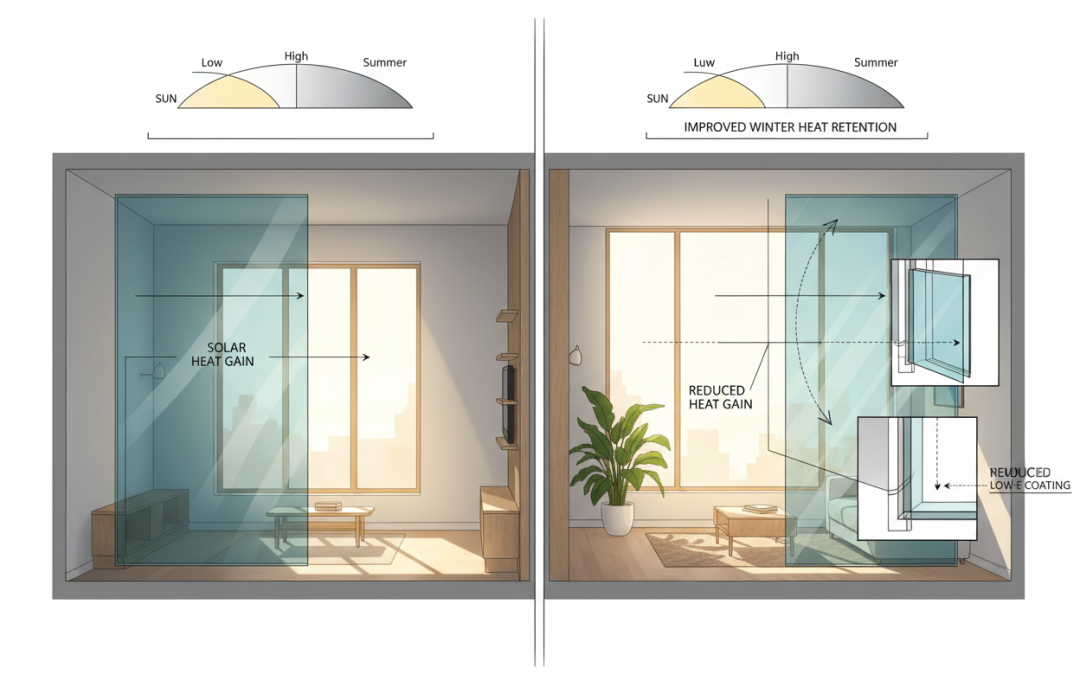
The beauty of passive solar design lies in its simplicity. During winter, low-angled sunlight enters through south-facing windows and warms thermal mass materials like concrete floors or stone walls. These materials store heat during the day and release it slowly throughout the night, maintaining comfortable temperatures. In summer, properly designed overhangs and window treatments block high-angled sunlight, keeping your home naturally cool.
Window replacement in a passive solar home isn’t just about swapping old windows for new ones. It’s about creating a carefully orchestrated system where each window serves a specific purpose in your home’s energy management strategy.
Optimal Window Orientation for Maximum Solar Gain
When planning your window replacement project, orientation becomes your best friend. South-facing windows are the workhorses of passive solar design, capturing the maximum amount of solar energy throughout the day. These windows should typically comprise 60-70% of your total window area in a well-designed passive solar home.
East and west-facing windows present unique challenges and opportunities. East-facing windows welcome gentle morning sunlight, perfect for breakfast nooks and bedrooms where you want natural light to help you wake up. However, west-facing windows can become problematic, as they capture intense afternoon sun that can lead to overheating. During window replacement, consider smaller west-facing windows or invest in high-quality shading solutions.
North-facing windows traditionally receive minimal direct sunlight, making them ideal for consistent, indirect lighting. While these windows won’t contribute significantly to solar heating, they’re perfect for spaces where you want steady illumination without glare, such as home offices or art studios.
Choosing the Right Window Types for Passive Solar Homes
Not all windows are created equal when it comes to passive solar performance. During your window replacement project, you’ll encounter several options, each with distinct advantages for passive solar applications.
Double-hung windows offer excellent versatility and are often the go-to choice for many homeowners. They provide good ventilation control and work well in most passive solar applications. However, casement windows might be superior for passive solar homes because they create a tighter seal when closed, reducing air infiltration that can undermine your energy efficiency efforts.
Picture windows and fixed glass panels excel at maximizing solar gain since they have no moving parts to compromise their seal. These work exceptionally well for south-facing installations where you want maximum solar collection without the need for ventilation.
For areas where you need both solar gain and ventilation, consider awning windows. These open outward from the bottom, allowing air circulation while maintaining protection from rain – perfect for those unexpected summer showers when you want to keep windows open.
Window Materials That Enhance Energy Performance
The frame material you choose during window replacement can significantly impact your passive solar home’s performance. Each material offers different benefits and considerations for energy efficiency.
Vinyl windows have become increasingly popular due to their excellent insulation properties and low maintenance requirements. They don’t conduct heat like metal frames, making them ideal for maintaining consistent indoor temperatures. However, in extremely hot climates, vinyl can expand and contract, potentially affecting the window’s seal over time.
Wood windows offer superior insulation and aesthetic appeal, especially in traditional home designs. They’re naturally insulating and can be painted or stained to match your home’s exterior. The downside is maintenance – wood windows require regular upkeep to prevent rot and maintain their energy efficiency.
Fiberglass windows represent a premium option that combines the best of both worlds. They’re incredibly durable, offer excellent insulation, and can mimic the appearance of wood without the maintenance requirements. While they typically cost more upfront, their longevity and performance often justify the investment in passive solar applications.
Glass Technology for Enhanced Solar Performance
Modern window glass technology has revolutionized passive solar design possibilities. When selecting replacement windows, understanding these glass options can help you optimize your home’s solar performance.
Low-E (low-emissivity) coatings are game-changers for passive solar homes. These microscopic metallic layers reflect infrared light while allowing visible light to pass through. For south-facing windows, choose low-E coatings designed to allow solar heat gain while reflecting interior heat back inside during winter.
Triple-pane windows offer superior insulation compared to double-pane alternatives. While they cost more initially, the improved thermal performance can be particularly beneficial in colder climates where maximizing solar gain while minimizing heat loss is crucial.
Gas fills between glass panes, typically argon or krypton, further enhance insulation properties. These inert gases are denser than air, reducing convective heat transfer and improving your windows’ overall thermal performance.
Sizing and Placement Strategies
Getting window size and placement right during replacement can make or break your passive solar design. The general rule suggests that south-facing window area should equal approximately 7-12% of your home’s floor area, but this varies based on your climate and specific design goals.
Window height matters more than you might think. Taller windows allow deeper light penetration into your home, warming thermal mass materials further from the window. This deeper penetration helps distribute solar heat more evenly throughout your living space.
Consider the relationship between window size and thermal mass. Larger south-facing windows require adequate thermal mass to absorb and store the additional solar energy. Without sufficient thermal mass, oversized windows can lead to overheating during sunny winter days.
Integrating Shading Solutions
Effective shading is just as important as the windows themselves in passive solar design. During window replacement, plan for integrated shading solutions that work seamlessly with your new windows.
Fixed overhangs calculated for your latitude can provide automatic seasonal shading. These architectural elements block high summer sun while allowing low winter sun to enter your home. The overhang depth should be carefully calculated – typically 1/4 to 1/3 of the window height for optimal performance.
Adjustable external shading devices offer more flexibility than fixed overhangs. Awnings, shutters, or exterior blinds allow you to fine-tune solar gain based on daily weather conditions and seasonal changes.
Interior window treatments shouldn’t be overlooked either. Thermal curtains or cellular shades can provide additional insulation during cold nights while offering privacy and light control during the day.
Cost Considerations and Return on Investment
Window replacement for passive solar homes requires careful budget planning, but the long-term benefits often justify the initial investment. High-performance windows designed for passive solar applications typically cost 15-25% more than standard replacement windows, but the energy savings can be substantial.
Consider the total cost of ownership when evaluating options. While premium windows with advanced glass technology cost more upfront, their superior energy performance can result in lower heating and cooling bills for decades. Many homeowners see a return on their window replacement investment within 8-12 years through reduced energy costs.
Don’t forget about available incentives. Many utility companies and government programs offer rebates for energy-efficient window replacements. These incentives can significantly offset the higher cost of passive solar-optimized windows.
Professional Installation vs. DIY Considerations
While some handy homeowners might consider DIY window replacement, passive solar applications often benefit from professional installation. Proper air sealing, flashing, and alignment are critical for achieving optimal energy performance.
Professional installers experienced with passive solar design understand the nuances of proper window placement and orientation. They can ensure your new windows are installed to maximize solar gain while minimizing air infiltration.
If you do choose the DIY route, invest in quality installation materials and take extra care with air sealing. Even the best passive solar windows won’t perform optimally if they’re poorly installed.
Maintenance for Long-Term Performance
Once your new passive solar windows are installed, proper maintenance ensures they continue performing optimally for years to come. Regular cleaning is essential – dirty glass can reduce solar transmission by up to 15%, significantly impacting your passive solar system’s effectiveness.
Inspect weatherstripping and seals annually, replacing them as needed to maintain energy efficiency. Check for condensation between glass panes, which could indicate seal failure requiring professional attention.
Keep window tracks and operating mechanisms clean and lubricated. Properly functioning windows ensure you can take advantage of natural ventilation when appropriate, contributing to your home’s overall comfort and energy efficiency.
Conclusion
Window replacement for passive solar home design represents one of the most impactful improvements you can make to your home’s energy efficiency and comfort. By carefully considering orientation, window types, materials, and glass technology, you can create a system that harnesses the sun’s energy to naturally heat and cool your home year-round.
Remember that successful passive solar window replacement isn’t just about buying the most expensive windows available – it’s about selecting the right windows for your specific climate, home orientation, and energy goals. Take time to understand your home’s unique characteristics and work with professionals who understand passive solar principles.
The investment in high-quality, properly designed windows pays dividends in comfort, energy savings, and environmental impact. As energy costs continue to rise, homes with effective passive solar window systems become increasingly valuable, both financially and environmentally. Your window replacement project today creates a more sustainable, comfortable living environment for years to come.
Frequently Asked Questions
How much can I expect to save on energy bills with passive solar windows?
Energy savings vary based on your climate, home size, and current windows, but many homeowners see 20-40% reductions in heating and cooling costs. In colder climates with good solar exposure, savings can be even higher, particularly during winter months when passive solar heating is most effective.
What’s the best time of year to replace windows for passive solar design?
Fall and spring typically offer the best installation conditions, with moderate temperatures and lower humidity. However, planning your project for completion before winter allows you to immediately benefit from passive solar heating during the coldest months.
Do I need special permits for passive solar window replacement?
Most window replacement projects require building permits, especially if you’re changing window sizes or locations. Check with your local building department, as requirements vary by location. Some areas have expedited permitting for energy efficiency improvements.
Can I retrofit existing windows for better passive solar performance?
While complete replacement usually offers the best results, you can improve existing windows with storm windows, window films, or upgraded weatherstripping. However, these modifications typically provide only modest improvements compared to purpose-designed passive solar windows.
How do I calculate the right window-to-floor area ratio for my home?
The ideal ratio depends on your climate zone, but generally ranges from 7-12% of floor area for south-facing windows. Consult with a passive solar design professional who can perform detailed calculations based on your specific location, home orientation, and thermal mass characteristics.
Will passive solar windows make my home too hot in summer?
Properly designed passive solar systems include adequate shading and ventilation strategies to prevent overheating. The key is balancing window size with appropriate overhangs, thermal mass, and ventilation options to maintain comfort year-round.

























Affordable replacement windows Van Alstyne Texas











Best home window replacement Grand Prairie Texas



Home replacement window companies Princeton Texas








Colleyville TX Estimate For Siding Replacement

Ponder TX Replacement Siding Installation Services














North Richland Hills TX Siding Replacement Company