
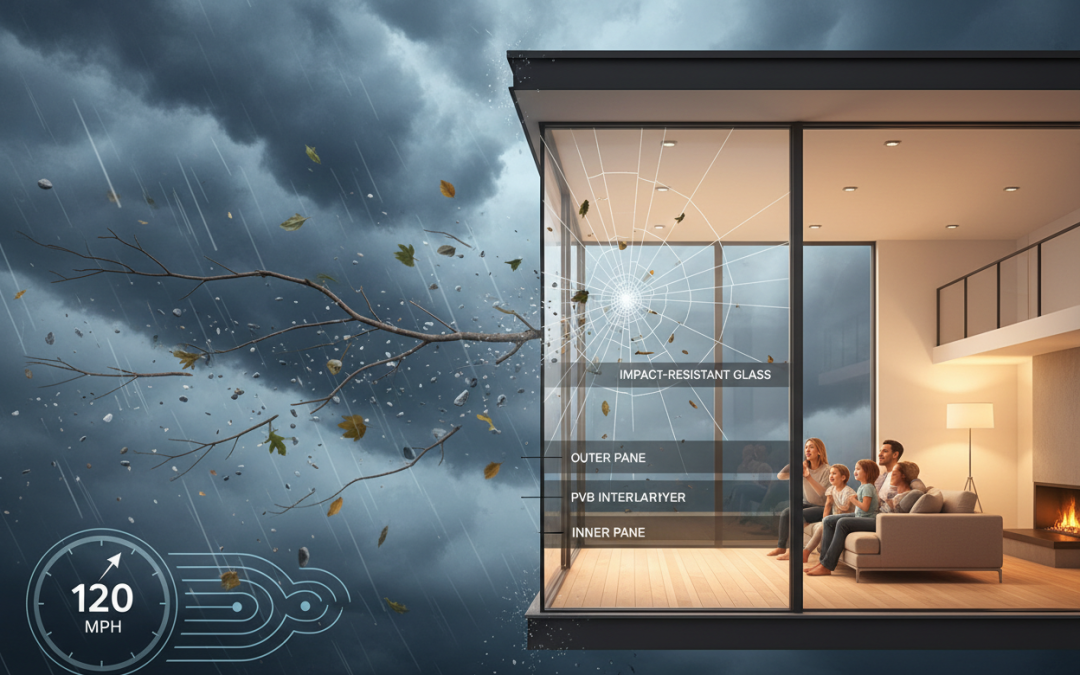
Window Replacement: Understanding Impact Resistance Ratings for Ultimate Home Protection
When Mother Nature decides to throw a tantrum, your windows become the first line of defense between your family and the fury outside. If you’ve ever watched the news during hurricane season or lived through a severe storm, you know just how critical impact-resistant windows can be. But here’s the thing – not all impact-resistant windows are created equal, and understanding their ratings can mean the difference between minor repairs and major reconstruction.
Whether you’re building a new home in a storm-prone area or considering window replacement for your existing property, navigating the world of impact resistance ratings doesn’t have to feel like deciphering ancient hieroglyphics. Let’s break down everything you need to know about these life-saving window specifications, so you can make informed decisions that protect both your home and your peace of mind.
What Are Impact Resistance Ratings and Why Do They Matter?
Impact resistance ratings are standardized measurements that tell you exactly how well a window can withstand flying debris during severe weather events. Think of them as your window’s report card for toughness. These ratings aren’t just marketing fluff – they’re based on rigorous testing protocols that simulate real-world conditions you’d face during hurricanes, tornadoes, and severe storms.
The importance of these ratings extends far beyond just keeping the rain out. When a window fails during a storm, it creates a breach in your home’s envelope. This allows wind pressure to enter, potentially causing catastrophic roof damage or even complete structural failure. Insurance companies understand this risk, which is why many offer significant discounts for homes with properly rated impact-resistant windows.
From a practical standpoint, impact-resistant windows also provide year-round benefits. They’re excellent at reducing noise pollution, improving energy efficiency, and deterring break-ins. It’s like getting a security system, soundproofing, and storm protection all rolled into one upgrade.
The Science Behind Impact Window Testing Standards
Understanding how impact windows earn their ratings helps you appreciate what you’re really buying. The testing process is surprisingly intense and methodical. Windows undergo what’s called the “large missile test,” where a 9-pound 2×4 piece of lumber is fired at the window at 34 miles per hour for small missiles, or 50 miles per hour for large missiles, depending on the wind zone requirements.
But that’s just the beginning. After surviving the initial impact, the window must then endure 9,000 cycles of positive and negative pressure loads that simulate the fluctuating winds of a hurricane. This cycling test ensures the window won’t gradually fail under sustained storm conditions.
The testing standards are primarily governed by three organizations: ASTM International, the American Architectural Manufacturers Association (AAMA), and the International Code Council (ICC). Each has specific protocols, but they all aim to ensure windows can protect your home when it matters most.
Decoding Impact Resistance Classification Systems
The classification system for impact-resistant windows might seem complex at first, but it follows a logical pattern once you understand the basics. The most common system uses designations like Design Pressure (DP) ratings, which indicate how much wind pressure the window can handle.
Design Pressure ratings typically range from DP-15 to DP-50 or higher. A DP-30 window, for example, can withstand wind pressures equivalent to approximately 130 mph winds. The higher the DP number, the stronger the window. However, you’ll also encounter other rating systems depending on your location and local building codes.
Some regions use the Miami-Dade County certification system, which is often considered the gold standard for impact resistance. Products that pass Miami-Dade testing receive a Notice of Acceptance (NOA), which is recognized in many hurricane-prone areas as proof of superior performance.
Wind Zone classifications (I, II, III, and IV) are another important factor. These zones correspond to different geographic areas and their typical wind speeds. Zone IV areas, like South Florida, require the highest level of protection, while Zone I areas have more moderate requirements.
Different Levels of Impact Protection Explained
Not every home needs the same level of impact protection, and understanding the different levels available helps you choose appropriately for your situation and budget. The protection levels generally fall into three main categories: basic, enhanced, and maximum protection.
Basic protection typically meets minimum code requirements for your area. These windows will protect against small debris like gravel and small branches, but they may not survive larger projectiles. They’re often suitable for areas with moderate storm risk or for homeowners on a tight budget who still want some protection.
Enhanced protection windows can handle larger debris and higher wind speeds. They’re designed for areas with regular severe weather but not necessarily the most extreme conditions. These represent the sweet spot for many homeowners, offering substantial protection without the premium cost of the highest-rated options.
Maximum protection windows are engineered for the most severe conditions. They can withstand large debris impacts and extreme wind pressures. While they come with a higher price tag, they’re essential for homes in high-risk areas like coastal regions prone to major hurricanes.
How Location Affects Your Impact Window Requirements
Your zip code plays a huge role in determining what level of impact resistance you need. Building codes vary significantly based on local weather patterns, and what’s required in Kansas differs dramatically from what’s mandated in Key West.
Coastal areas typically have the strictest requirements due to hurricane risk. If you live within a certain distance of the coast – often called the “wind-borne debris region” – you’ll likely need windows that meet specific impact standards. These requirements aren’t suggestions; they’re legal mandates that affect everything from building permits to insurance coverage.
Inland areas may have different concerns. Tornado-prone regions might focus more on rapid pressure changes, while areas with frequent hailstorms might prioritize resistance to smaller, high-velocity impacts. Even within the same state, requirements can vary significantly between counties or municipalities.
It’s worth noting that meeting minimum code requirements might not be enough for optimal protection or insurance benefits. Many insurance companies offer better rates for windows that exceed minimum standards, making higher-rated windows a smart financial investment even when they’re not required.
Cost Considerations and Return on Investment
Let’s address the elephant in the room – impact-resistant windows aren’t cheap. Quality impact windows typically cost 15-25% more than standard windows, and the highest-rated options can cost even more. However, this upfront investment often pays dividends in multiple ways.
Insurance savings can be substantial. Many insurers offer discounts of 10-45% on windstorm premiums for homes with certified impact windows. In high-risk areas, these savings can amount to thousands of dollars annually, potentially paying for the window upgrade over time.
The potential to avoid storm damage costs is perhaps even more valuable. A single hurricane can cause tens of thousands of dollars in damage to a home with standard windows, while impact-resistant windows might prevent most or all of that damage. When you consider the cost of temporary repairs, insurance deductibles, and the hassle of major restoration work, the investment in quality windows becomes much more attractive.
Energy efficiency benefits also contribute to long-term savings. Impact windows typically feature multiple panes and advanced glazing that reduce heating and cooling costs. While these savings are smaller than insurance discounts, they add up over the window’s 20-30 year lifespan.
Installation and Maintenance Best Practices
Even the best impact-resistant windows won’t perform as rated if they’re not installed correctly. Proper installation is absolutely critical – it’s not a DIY project, and choosing the right contractor is just as important as choosing the right windows.
Look for installers who are certified by the window manufacturer and have experience with impact-resistant products. The installation process involves more than just fitting the window into the opening. Proper anchoring, sealing, and integration with the building envelope are essential for the window to perform as tested.
Maintenance requirements for impact windows are generally minimal, but there are some specific considerations. The seals around impact windows are crucial for maintaining their integrity, so regular inspection and maintenance of weatherstripping is important. The hardware should also be checked periodically to ensure it operates smoothly and locks securely.
Most manufacturers recommend annual inspections and cleaning, along with immediate attention to any signs of damage or wear. While impact windows are incredibly durable, they’re not indestructible, and small issues can compromise their performance if left unaddressed.
Frequently Asked Questions About Impact Window Ratings
Q: Do I need impact-resistant windows if I don’t live in a hurricane zone?
A: While hurricane zones have the strictest requirements, severe weather can occur anywhere. Impact windows also provide security benefits and noise reduction, making them valuable even in areas with minimal storm risk. Consider your local weather patterns, crime rates, and noise levels when making your decision.
Q: Can I install impact-resistant windows in my existing home, or are they only for new construction?
A: Impact windows can definitely be installed in existing homes through window replacement. However, the existing window openings may need modifications to accommodate the thicker frames and proper anchoring requirements of impact windows.
Q: How long do impact-resistant windows typically last?
A: Quality impact windows typically last 20-30 years or more with proper maintenance. The impact-resistant properties don’t degrade significantly over time, unlike some other protective measures.
Q: Will impact windows completely eliminate the need for storm shutters?
A: In most cases, properly rated impact windows eliminate the need for additional storm protection. However, some extremely high-risk areas or specific insurance policies may still require or recommend additional protection.
Q: Are there different impact ratings for different parts of the same window?
A: The impact rating applies to the entire window unit, including the frame, glass, and hardware. However, larger windows may require additional reinforcement or different ratings than smaller ones in the same home.
Q: Can I upgrade my impact windows later if my needs change?
A: Yes, impact windows can be replaced with higher-rated units, though this involves the full cost of new windows and installation. It’s generally more cost-effective to install the appropriate rating initially rather than upgrade later.
Understanding impact resistance ratings empowers you to make informed decisions about your home’s protection. While the initial investment might seem significant, the combination of safety, security, insurance savings, and peace of mind makes impact-resistant windows one of the smartest upgrades you can make. Take time to assess your specific needs, consult with qualified professionals, and choose windows that will keep your family safe for decades to come.


Affordable home window replacement Preston Hollow Dallas Texas




How much does it cost for vinyl replacement windows Justin Texas






Home window replacement near me Lake Dallas Texas

































Sadler TX Replacement Siding Installation Services













Farmersville TX Siding Replacement Contractors




Whitesboro TX Replacement Siding Installation Services