
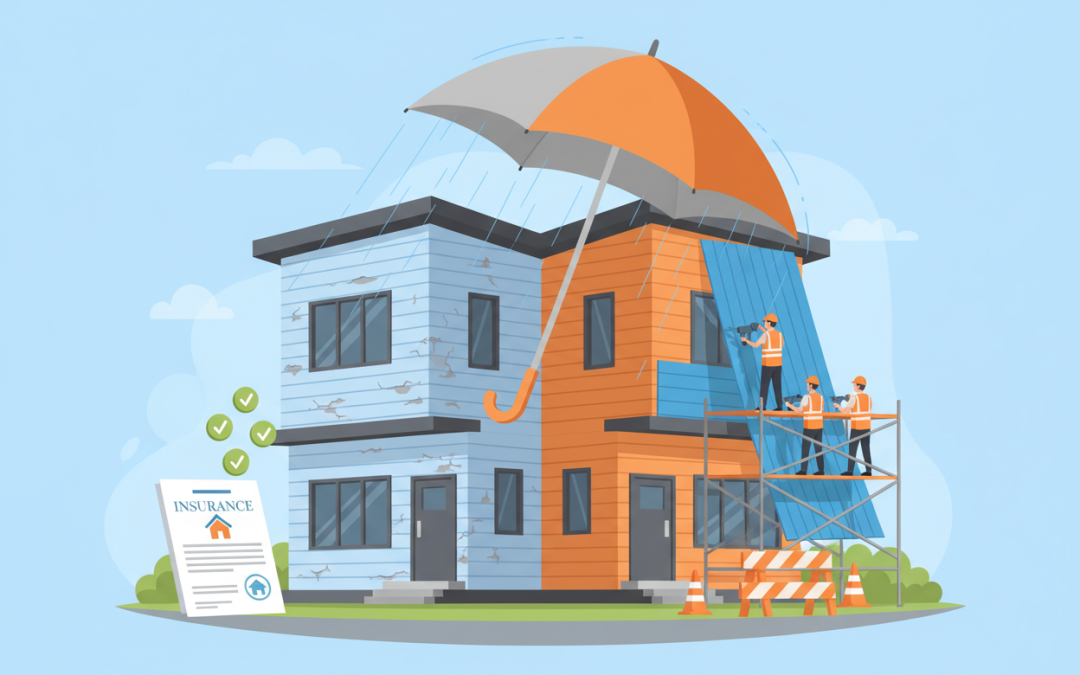
Siding Replacement and Home Insurance: What You Should Know
When your home’s siding starts showing signs of wear, damage, or age, the question of replacement becomes inevitable. But here’s what many homeowners don’t realize until they’re knee-deep in the process: your home insurance policy might play a bigger role in this decision than you think. Understanding the relationship between siding replacement and home insurance can save you thousands of dollars and prevent major headaches down the road.
Whether you’re dealing with storm damage, aging materials, or simply want to upgrade your home’s exterior, knowing how insurance factors into siding replacement is crucial for making informed decisions. Let’s dive into everything you need to know about navigating this complex but important topic.
Understanding Home Insurance Coverage for Siding
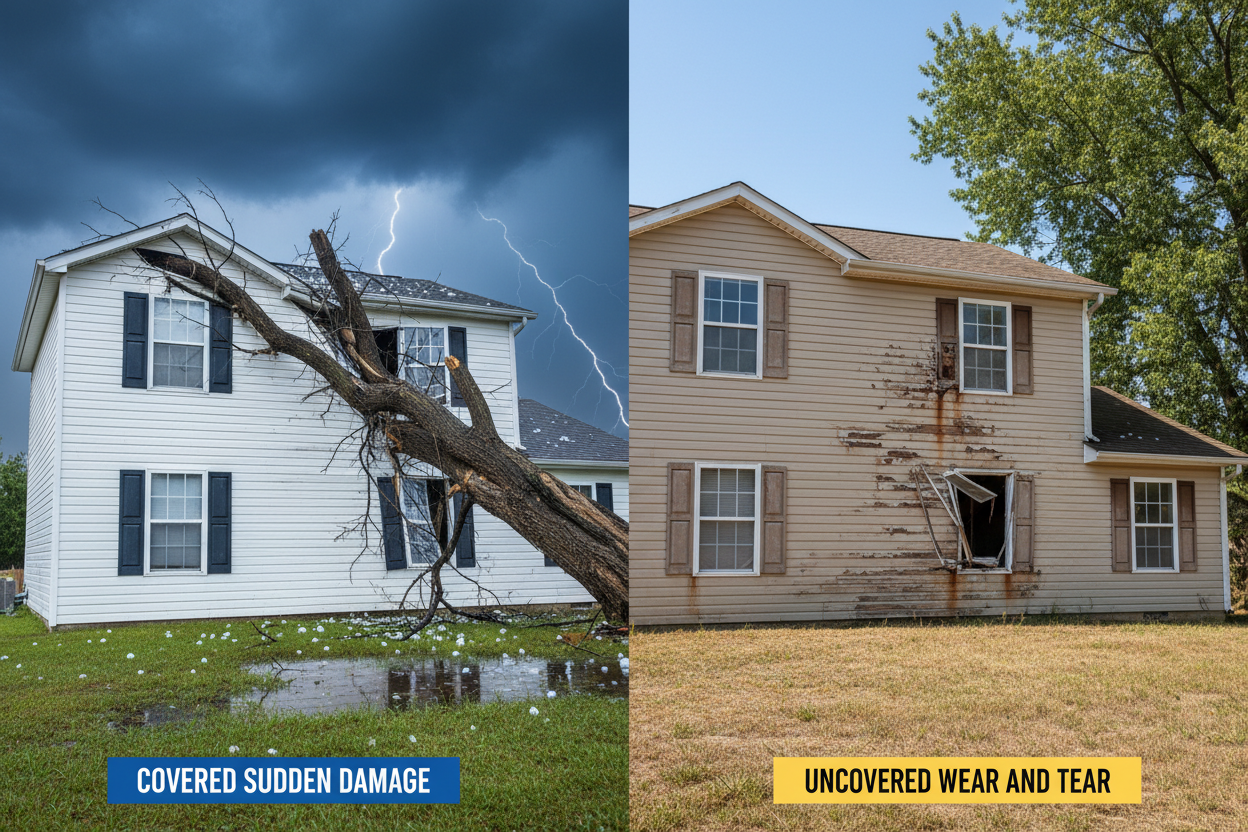
Most standard homeowners insurance policies do cover siding damage, but the devil is in the details. Your policy typically covers what insurance companies call “sudden and accidental” damage. This means if a tree falls on your house during a storm, or hail damages your vinyl siding, you’re likely covered. However, damage from normal wear and tear, poor maintenance, or gradual deterioration usually isn’t covered.
The key is understanding what your specific policy considers a covered peril. Common covered events include wind damage, hail, fire, vandalism, and impact from vehicles or aircraft. What’s not covered? Damage from floods, earthquakes (unless you have separate coverage), pest infestations, or simply old age catching up with your siding materials.
Here’s something that surprises many homeowners: even if the damage starts with a covered event, insurance companies will only pay for damage directly related to that event. If a storm damages part of your siding but reveals that other sections were already deteriorating from age, your insurer will only cover the storm-related damage.
Types of Siding Damage Typically Covered by Insurance
Understanding which types of siding damage insurance typically covers can help you better assess your situation and set realistic expectations when filing a claim.
Storm damage tops the list of covered siding issues. High winds can tear off siding panels, while hail can create dents, cracks, or holes in various siding materials. If you live in an area prone to severe weather, this type of coverage becomes particularly valuable. Wind damage claims are quite common, especially for homes with older or improperly installed siding.
Fire damage is another major category that’s typically covered. Whether it’s from a house fire, wildfire, or even damage from a neighbor’s fire that spreads to your property, insurance usually covers siding replacement in these scenarios. The coverage often extends beyond just the siding to include any underlying structural damage.
Impact damage from falling objects also falls under most policies. This could be anything from a tree branch during a storm to a neighbor’s baseball that cracks your siding. Vehicle impacts, though less common, are also typically covered if someone accidentally drives into your house.
Vandalism and theft-related damage round out the common covered categories. If someone spray-paints your siding or damages it during a break-in attempt, your insurance should help cover the replacement costs.
When Insurance Won’t Cover Siding Replacement
Unfortunately, there are several scenarios where you’ll be on your own for siding replacement costs. The most common exclusion is maintenance-related deterioration. If your wood siding is rotting because you haven’t painted it in fifteen years, or your vinyl siding is cracking due to age, insurance won’t help.
Flood damage is a major exclusion that catches many homeowners off guard. Standard homeowners insurance doesn’t cover flood damage, which means if rising water damages your siding, you’ll need separate flood insurance to have coverage. This is particularly important for homes in flood-prone areas.
Poor installation or defective materials also aren’t covered. If your siding fails because it was improperly installed or the materials were defective, you’ll need to pursue remedies through warranties or potentially legal action against contractors or manufacturers.
Pest damage is another common exclusion. If termites, carpenter ants, or other pests damage your siding, most insurance policies won’t cover the replacement. This is considered a maintenance issue that homeowners should prevent through regular inspections and treatments.
How to File a Successful Siding Insurance Claim
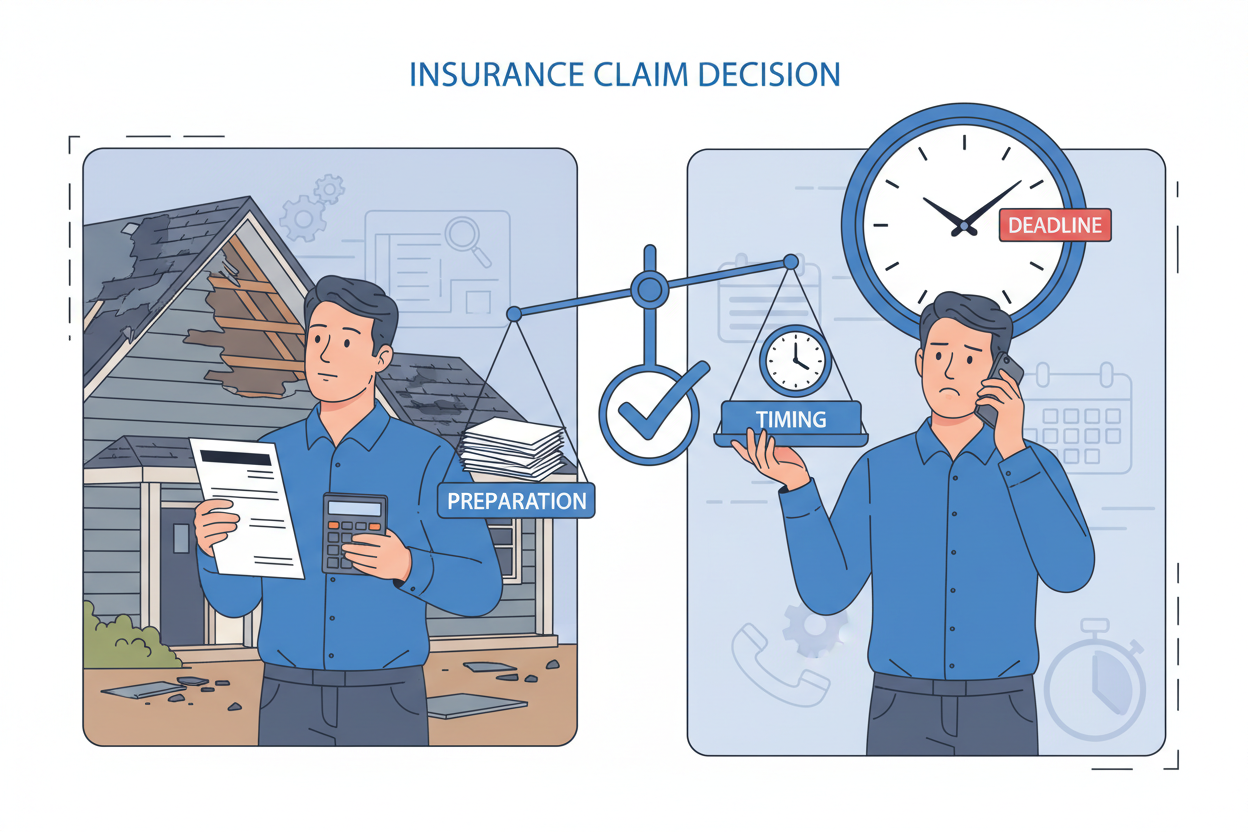
Filing a successful siding insurance claim requires preparation, documentation, and understanding the process. The moment you notice damage, start documenting everything. Take photos from multiple angles, showing both close-up details of the damage and wider shots that show the extent of the affected area.
Contact your insurance company as soon as possible after discovering the damage. Most policies require prompt notification, and waiting too long could potentially void your coverage. When you call, be prepared to provide basic information about when and how the damage occurred.
Before the insurance adjuster arrives, make temporary repairs to prevent further damage, but keep receipts for any materials or services you pay for. Your insurance should reimburse reasonable costs for temporary protection. However, don’t make permanent repairs until after the adjuster has assessed the damage.
When the adjuster visits, be present if possible. Walk through the damage with them, pointing out all affected areas. Don’t be afraid to ask questions about their assessment or request clarification on anything you don’t understand. Remember, their initial estimate isn’t necessarily final.
Consider getting your own contractor’s estimate for comparison. If there’s a significant discrepancy between the insurance estimate and your contractor’s quote, you can request a re-inspection or provide additional documentation to support the higher estimate.
Choosing Insurance-Friendly Siding Materials
When it comes time to replace your siding, the materials you choose can impact both your insurance premiums and coverage. Some materials are viewed more favorably by insurance companies due to their durability and resistance to common perils.
Fiber cement siding has gained popularity partly because of its insurance benefits. It’s fire-resistant, doesn’t attract pests like wood, and holds up well against hail and wind damage. Many insurance companies offer discounts for homes with fiber cement siding, especially in areas prone to wildfires or severe weather.
Metal siding, particularly steel or aluminum, is another insurance-friendly option. It’s highly resistant to fire, wind, and impact damage. While the upfront cost might be higher than some alternatives, the potential insurance savings over time can help offset this initial investment.
Vinyl siding, while popular due to its affordability, may not offer the same insurance benefits. It can be more susceptible to hail damage and extreme temperature fluctuations. However, high-quality vinyl products with impact resistance ratings may still qualify for some discounts.
Traditional wood siding, while beautiful, often comes with higher insurance premiums due to its fire risk and susceptibility to pest damage. If you choose wood siding, consider treatments that improve fire resistance and maintain it properly to minimize insurance concerns.
Impact of Siding Replacement on Insurance Premiums
Replacing your siding can affect your insurance premiums in several ways, and understanding these impacts can help you make more informed decisions about materials and timing.
Generally, upgrading to more durable, weather-resistant siding materials can lead to premium reductions. Insurance companies recognize that better materials mean lower risk of claims, and they often pass some of those savings on to homeowners through discounts.
The timing of your replacement matters too. If you’re replacing damaged siding through an insurance claim, your premiums might increase at renewal time, depending on your claims history and the cause of the damage. However, this increase is often temporary and may decrease over time if you don’t file additional claims.
On the flip side, if you proactively replace aging siding before it fails, you might avoid premium increases while potentially qualifying for discounts. This is especially true if you upgrade from a high-risk material like wood to a low-risk option like fiber cement.
Don’t forget to notify your insurance company about the replacement. Failing to update your policy with information about new siding could potentially cause coverage issues if you need to file a claim later. Your insurer needs accurate information about your home’s current condition and materials.
Working with Contractors and Insurance Adjusters
The relationship between contractors, insurance adjusters, and homeowners can be complex, but understanding how to navigate it effectively is crucial for a successful siding replacement project.
Choose contractors who have experience working with insurance claims. These professionals understand the documentation requirements, know how to communicate effectively with adjusters, and can help ensure that all necessary work is included in the insurance settlement.
Be wary of contractors who offer to “work with your insurance deductible” or suggest inflating claims. These practices are not only unethical but could also be considered insurance fraud. Legitimate contractors will provide honest estimates and work within the bounds of your insurance settlement.
Communication is key throughout the process. Make sure your contractor and insurance adjuster are in contact and that everyone understands the scope of work to be covered. If discrepancies arise, address them promptly rather than letting them fester.
Keep detailed records of all communications, estimates, and agreements. This documentation can be invaluable if disputes arise or if you need to provide additional information to your insurance company.
Maximizing Your Insurance Benefits
Getting the most out of your insurance coverage for siding replacement requires strategy and attention to detail. Start by thoroughly understanding your policy before you need to use it. Know your deductible, coverage limits, and any special provisions related to dwelling coverage.
Consider the concept of “matching” when filing claims. If only part of your siding is damaged, your insurance company should pay for replacement siding that matches the existing material as closely as possible. If matching materials aren’t available, they may need to replace larger sections to maintain a uniform appearance.
Understand depreciation and how it affects your claim. Some policies pay replacement cost value, while others pay actual cash value (which factors in depreciation). Replacement cost coverage is generally more beneficial for siding claims, as siding can depreciate significantly over time.
Don’t settle for the first estimate if you believe it’s inadequate. You have the right to dispute insurance settlements and provide additional documentation to support your position. Sometimes a second inspection or independent appraisal can result in a more favorable settlement.
Frequently Asked Questions
Will filing a siding insurance claim increase my premiums?
Filing a claim may affect your premiums, but the impact depends on several factors including the cause of damage, your claims history, and your insurance company’s policies. Weather-related claims typically have less impact than claims for preventable damage. The increase, if any, is often temporary and may decrease over time with no additional claims.
How long do I have to file a siding damage claim after discovering the problem?
Most insurance policies require “prompt” notification, which typically means as soon as reasonably possible after discovering the damage. While some policies specify timeframes like 30 or 60 days, it’s best to report damage immediately. Waiting too long could potentially jeopardize your coverage.
Can I upgrade my siding material when insurance is paying for replacement?
Insurance typically pays for “like kind and quality” replacement, meaning similar materials to what was damaged. However, you can usually upgrade by paying the difference in cost between the covered amount and your preferred materials. Some policies may have provisions for upgrades if matching materials aren’t available.
What if my contractor’s estimate is higher than the insurance settlement?
This is common and doesn’t necessarily mean you’re stuck with the lower amount. You can request a re-inspection, provide additional documentation, or get a second contractor’s opinion. Many insurance companies will work with you to resolve reasonable discrepancies. You also have the option to pay the difference if you want to proceed with the higher estimate.
Does insurance cover the cost of permits for siding replacement?
Most homeowners insurance policies do cover necessary permits required for covered repairs, but this varies by policy and location. Check with your insurance company and include permit costs in your claim documentation. Your contractor should be able to help identify what permits are required for your specific project.
Should I get multiple estimates before filing an insurance claim?
While not required before filing a claim, getting at least one professional estimate can help you understand the scope and cost of damage. This information can be valuable when discussing the claim with your adjuster. However, don’t delay filing your claim to get estimates, as prompt notification is more important.
Conclusion
Navigating siding replacement and home insurance doesn’t have to be overwhelming when you understand the basics. Remember that insurance is designed to protect you from sudden, unexpected damage, not routine maintenance or wear and tear. By choosing quality materials, maintaining your siding properly, and understanding your policy coverage, you can make the most of your insurance benefits when you need them.
The key to success lies in preparation and communication. Document damage thoroughly, work with experienced professionals, and don’t hesitate to ask questions throughout the process. Whether you’re dealing with storm damage or planning a proactive replacement, understanding how insurance factors into your siding decisions will help you protect both your home and your wallet.
Taking the time to understand these concepts now, before you need them, will serve you well if and when siding issues arise. Your home is likely your largest investment, and proper siding maintenance and insurance management are crucial parts of protecting that investment for years to come.












Affordable replacement windows Lowry Crossing Texas




Home replacement window cost North Richland Hills Texas



Affordable home window replacement Rosston Texas



Affordable replacement windows Lake Dallas Texas

















Energy-efficient vinyl windows Preston Hollow Dallas Texas
















Richardson TX Vinyl Siding Replacement Near Me