
The Impact of Window Quality on Home Comfort Levels: Why Your Windows Matter More Than You Think
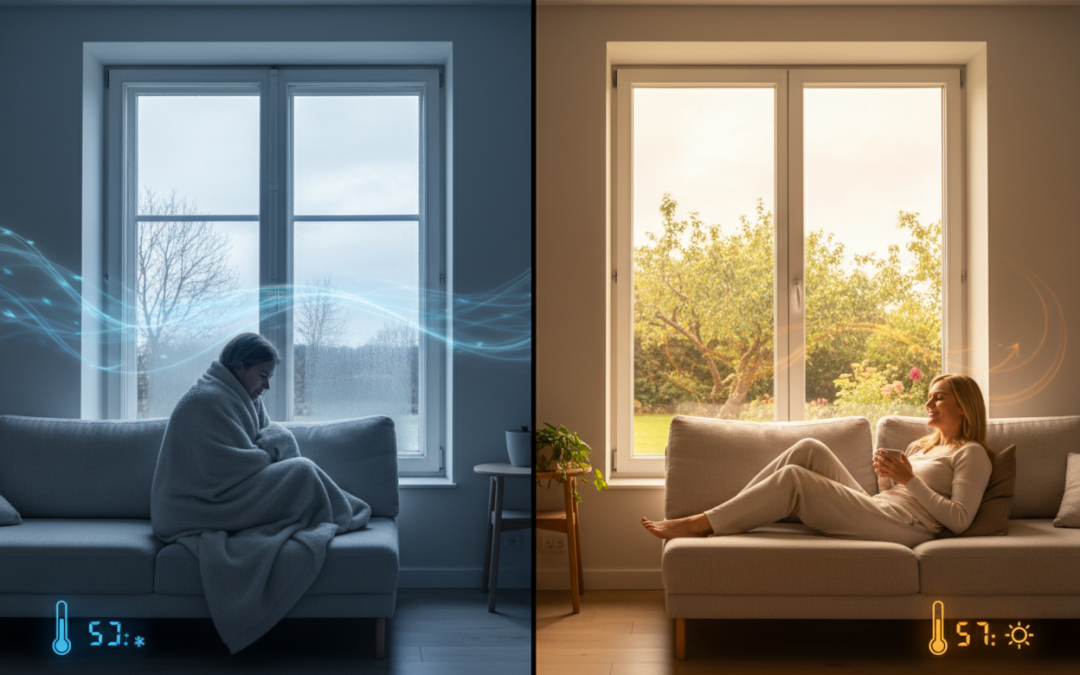
Have you ever wondered why some homes feel instantly comfortable the moment you step inside, while others leave you reaching for a sweater or cranking up the air conditioning? The secret might be staring you right in the face – literally. Your windows play a far more significant role in home comfort than most homeowners realize, affecting everything from temperature control to energy bills and even your overall quality of life.
When I first moved into my century-old home, I couldn’t understand why certain rooms felt like arctic tundra in winter and tropical rainforests in summer, despite having a perfectly good HVAC system. It wasn’t until I started researching window replacement that I discovered the profound impact window quality has on indoor comfort. This revelation changed not only my understanding of home efficiency but also transformed my living experience entirely.
Understanding Window Quality: More Than Just Glass and Frames
Window quality encompasses several critical components that work together to create a barrier between your comfortable indoor environment and the unpredictable outdoor elements. It’s not simply about having a transparent surface to look through – modern windows are sophisticated systems designed to regulate temperature, control moisture, reduce noise, and enhance security.
The quality of your windows depends on multiple factors including the frame material, glass type, weatherstripping, installation quality, and overall construction. Each element contributes to the window’s ability to maintain consistent indoor temperatures, prevent drafts, and create the comfortable living environment you deserve.
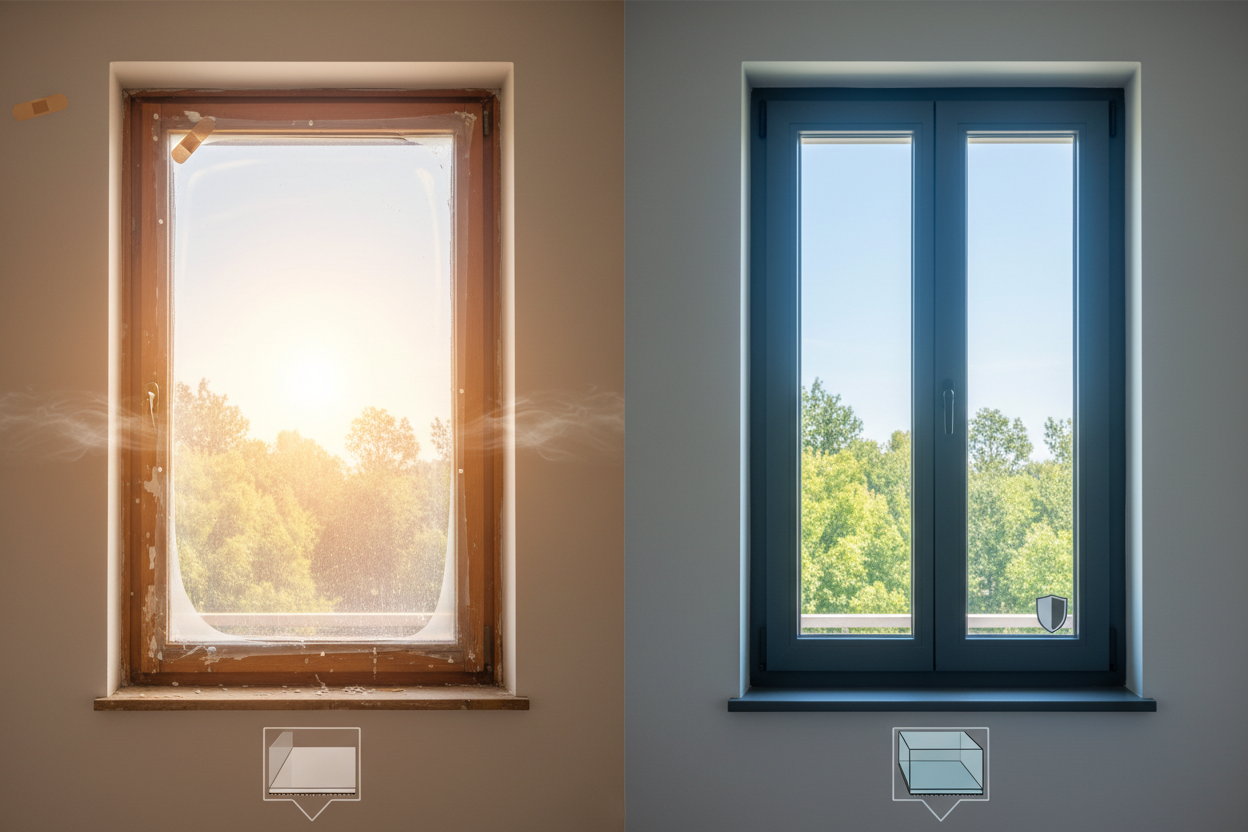
Think of your windows as the guardians of your home’s comfort. Just as a good security system protects your property from intruders, quality windows protect your indoor climate from outdoor temperature fluctuations, moisture infiltration, and unwanted air exchange.
Temperature Control: The Foundation of Home Comfort
Temperature regulation stands as perhaps the most noticeable way window quality affects your daily comfort. Poor-quality windows create thermal bridges – pathways that allow heat to transfer freely between indoor and outdoor environments. During winter months, these thermal bridges allow precious heated air to escape while letting cold air infiltrate your living spaces.
High-quality windows feature advanced glazing systems, often with double or triple-pane glass filled with inert gases like argon or krypton. These gases provide superior insulation compared to regular air, creating an effective thermal barrier that maintains consistent indoor temperatures regardless of outdoor conditions.
The frame material also plays a crucial role in temperature control. While traditional aluminum frames conduct heat readily, modern vinyl, fiberglass, and thermally-broken aluminum frames minimize heat transfer. Wood frames, when properly maintained, offer excellent insulation properties and add natural warmth to your home’s aesthetic.
Low-emissivity (Low-E) coatings represent another breakthrough in window technology. These microscopic metallic layers reflect infrared radiation while allowing visible light to pass through, keeping your home warmer in winter and cooler in summer without sacrificing natural illumination.
Energy Efficiency: Comfort That Pays for Itself
The relationship between window quality and energy efficiency creates a beautiful synergy where improved comfort directly translates to reduced energy costs. According to the Department of Energy, windows can account for 25-30% of residential heating and cooling energy use. Upgrading to high-performance windows can reduce these energy losses significantly.
Energy-efficient windows work around the clock to maintain your home’s thermal envelope. During summer months, they prevent solar heat gain that would otherwise force your air conditioning system to work overtime. In winter, they retain heated air while blocking cold drafts that make you feel chilly even when the thermostat reads a comfortable temperature.
The initial investment in quality windows often pays for itself through reduced utility bills over time. Many homeowners report 10-25% reductions in their heating and cooling costs after window replacement, with some experiencing even greater savings depending on their home’s age and the condition of their previous windows.
Additionally, many utility companies offer rebates for energy-efficient window installations, and federal tax credits may be available for qualifying products. These incentives can significantly offset the upfront costs while providing immediate comfort improvements.
Draft Prevention: Eliminating Invisible Comfort Killers
Drafts represent one of the most insidious comfort problems in homes with poor-quality windows. These invisible air currents create uneven temperatures, making some areas of your home feel significantly colder or warmer than others. You might find yourself constantly adjusting the thermostat or avoiding certain rooms during extreme weather.
Quality windows eliminate drafts through superior weatherstripping, precise manufacturing tolerances, and professional installation. The weatherstripping creates an airtight seal when windows are closed, preventing air infiltration that can make your home feel uncomfortable even when indoor temperatures are technically within the comfort zone.
Modern weatherstripping materials like EPDM rubber and silicone maintain their sealing properties for decades, unlike older materials that become brittle and ineffective over time. Some high-end windows feature multiple weatherstripping layers for enhanced protection against air infiltration.
Proper window installation is equally important for draft prevention. Even the highest-quality windows will perform poorly if not installed correctly. Professional installers ensure proper alignment, adequate insulation around the frame, and appropriate sealing to prevent air leakage around the window perimeter.
Noise Reduction: Creating Peaceful Indoor Environments
Comfort extends beyond temperature control to include acoustic comfort, and window quality significantly impacts your home’s ability to block exterior noise. If you live near busy streets, airports, or other noise sources, poor-quality windows can make your home feel more like a fishbowl than a peaceful sanctuary.
Sound transmission through windows occurs primarily through vibrations in the glass and air gaps between panes. Quality windows address both transmission paths through thicker glass, laminated glass layers, and optimized air space dimensions between panes.
Laminated glass, in particular, excels at noise reduction by incorporating a sound-dampening interlayer between glass sheets. This technology, originally developed for automotive windshields, can reduce noise transmission by 30-50% compared to standard glass.
The window frame also contributes to acoustic performance. Solid frames with minimal gaps and high-quality weatherstripping prevent sound from bypassing the glass entirely. Some manufacturers offer specialized acoustic windows designed specifically for homes in high-noise environments.
Moisture Control: Preventing Comfort-Robbing Humidity Issues
Excessive moisture infiltration through poor-quality windows can create a cascade of comfort problems including condensation, mold growth, and structural damage. These issues not only affect your immediate comfort but can also impact indoor air quality and your family’s health.
Quality windows prevent moisture infiltration through superior sealing and proper drainage systems. Weep holes in window frames allow any moisture that does penetrate to drain safely to the exterior, preventing accumulation that could lead to rot or mold growth.
Condensation on window surfaces indicates either high indoor humidity or poor window insulation performance. Quality windows with insulated glass and thermally-broken frames minimize surface temperature differences that cause condensation, maintaining clear views and preventing moisture-related problems.
Some advanced windows feature moisture-sensing technology that alerts homeowners to potential humidity problems before they become serious issues. This proactive approach helps maintain optimal comfort levels while protecting your investment in your home.
Natural Light Optimization: Enhancing Comfort Through Illumination
The quality and quantity of natural light entering your home profoundly affects comfort levels, mood, and even circadian rhythms. Poor-quality windows with thick frames, small glass areas, or tinted glass can make your home feel dark and cramped, forcing you to rely on artificial lighting during daylight hours.
Modern high-performance windows maximize visible light transmission while controlling heat gain and glare. Low-E coatings are engineered to be selective, blocking infrared radiation while allowing maximum visible light penetration. This technology keeps your home comfortable without sacrificing the natural illumination that makes spaces feel open and welcoming.
Larger glass areas made possible by stronger frame materials flood your home with natural light, creating a sense of spaciousness and connection to the outdoors. This psychological comfort factor is just as important as physical temperature comfort for overall well-being.
Some premium windows offer dynamic glazing that automatically adjusts tint levels based on sunlight intensity, providing optimal comfort throughout the day without manual intervention.
Long-Term Comfort Investment: Durability and Maintenance
Window quality affects not just immediate comfort but also long-term comfort maintenance. Poor-quality windows degrade quickly, developing air leaks, hardware failures, and seal problems that gradually erode their comfort-enhancing properties.
Quality windows are built to maintain their performance characteristics for decades with minimal maintenance. Superior materials, precision manufacturing, and robust hardware systems ensure consistent comfort levels year after year without the frustration of declining performance.
The peace of mind that comes with durable, reliable windows is itself a comfort factor. You won’t find yourself dreading extreme weather or worrying about rising energy bills when your windows are performing as designed.
Many quality window manufacturers offer comprehensive warranties covering both materials and performance, providing additional assurance that your comfort investment is protected.
Conclusion: Windows as the Gateway to Home Comfort
The impact of window quality on home comfort levels extends far beyond simple temperature control, encompassing energy efficiency, noise reduction, moisture management, and natural light optimization. Quality windows create a comprehensive comfort system that enhances your daily living experience while providing long-term value through reduced energy costs and minimal maintenance requirements.
Investing in high-quality windows represents one of the most effective ways to improve your home’s comfort levels. Whether you’re dealing with drafty rooms, high energy bills, excessive noise, or simply want to create a more pleasant living environment, window replacement can provide immediate and lasting benefits.
As you consider your home improvement priorities, remember that windows are not just functional necessities – they’re the gateway between your indoor sanctuary and the outside world. Choose wisely, and your windows will reward you with decades of enhanced comfort, efficiency, and enjoyment of your home.
Frequently Asked Questions
How long do quality windows typically last?
High-quality windows can last 20-30 years or more with proper maintenance. The lifespan depends on materials, installation quality, and local weather conditions. Premium windows often come with warranties of 15-20 years, indicating manufacturer confidence in their durability.
What’s the difference between double-pane and triple-pane windows for comfort?
Triple-pane windows provide superior insulation and noise reduction compared to double-pane windows. While double-pane windows offer significant improvements over single-pane, triple-pane windows excel in extreme climates and high-noise environments. The additional pane and gas fill create better thermal barriers and acoustic dampening.
Can window film improve comfort levels in existing windows?
Window film can provide modest improvements in solar heat gain reduction and glare control, but it cannot address fundamental issues like air leaks, poor insulation, or structural problems. Film is a temporary solution that may help with comfort but won’t match the performance of quality replacement windows.
How do I know if my windows are affecting my home’s comfort?
Signs include noticeable temperature differences near windows, condensation on glass surfaces, drafts when standing near closed windows, difficulty maintaining consistent indoor temperatures, and unusually high heating or cooling costs. A professional energy audit can identify specific problem areas.
What window features are most important for comfort in different climates?
In cold climates, prioritize low U-factors (heat loss prevention) and gas-filled spaces. In hot climates, focus on low Solar Heat Gain Coefficients (SHGC) and Low-E coatings. Mixed climates benefit from balanced performance in both categories. Local building codes often specify minimum performance requirements for your area.
Is professional installation really necessary for optimal window comfort performance?
Yes, professional installation is crucial for achieving rated performance levels. Improper installation can create air leaks, thermal bridges, and moisture problems that negate the benefits of quality windows. Professional installers ensure proper sealing, insulation, and alignment for optimal comfort performance.





Affordable home window replacement Copeville Texas













Window replacement near me in Lowry Crossing Texas

Affordable home window replacement Red Oak Texas

Home replacement window companies Highland Park Texas



How much does it cost for vinyl replacement windows Seagoville Texas







Home window replacement near me Caddo Mills Texas



How much does it cost for vinyl replacement windows Myra Texas

Home window replacement near me Little Elm Texas

Replacement window cost North Richland Hills Texas

How much does it cost for vinyl replacement windows Prosper Texas