
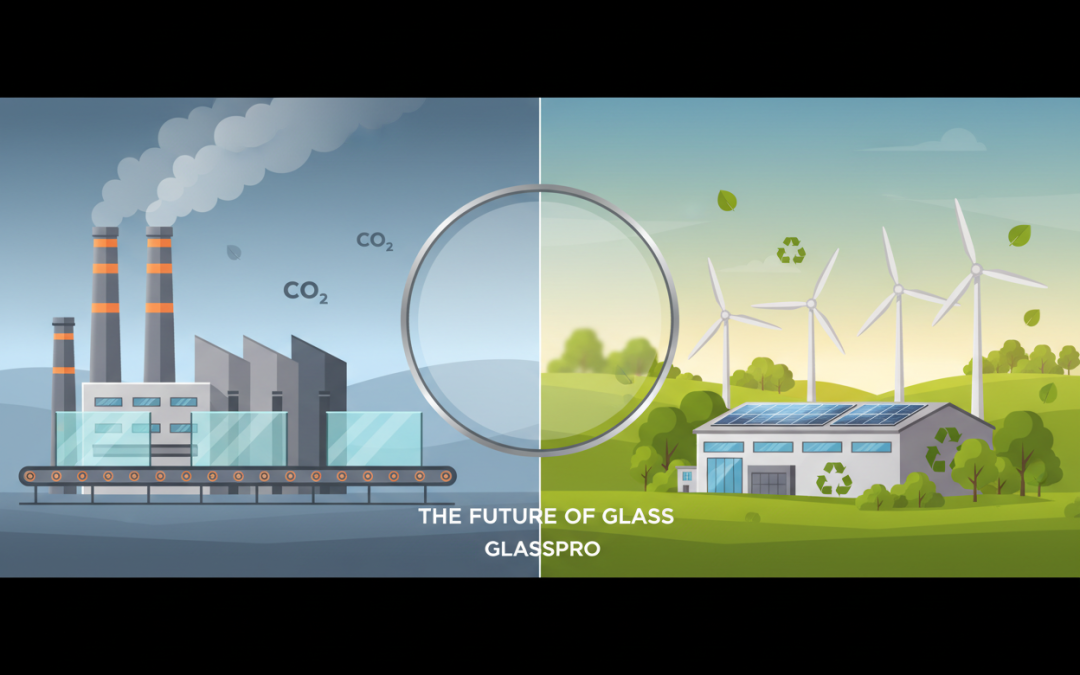
The Environmental Impact of Window Manufacturing Processes: A Deep Dive into Sustainable Glass Production
When you look through your windows each morning, you probably don’t think about the environmental journey those panes of glass took to reach your home. Yet, the window manufacturing industry plays a significant role in our planet’s environmental health, from the energy-intensive processes required to create glass to the carbon footprint of transportation and installation. As consumers become increasingly conscious about sustainability, understanding the environmental impact of window manufacturing has never been more crucial.
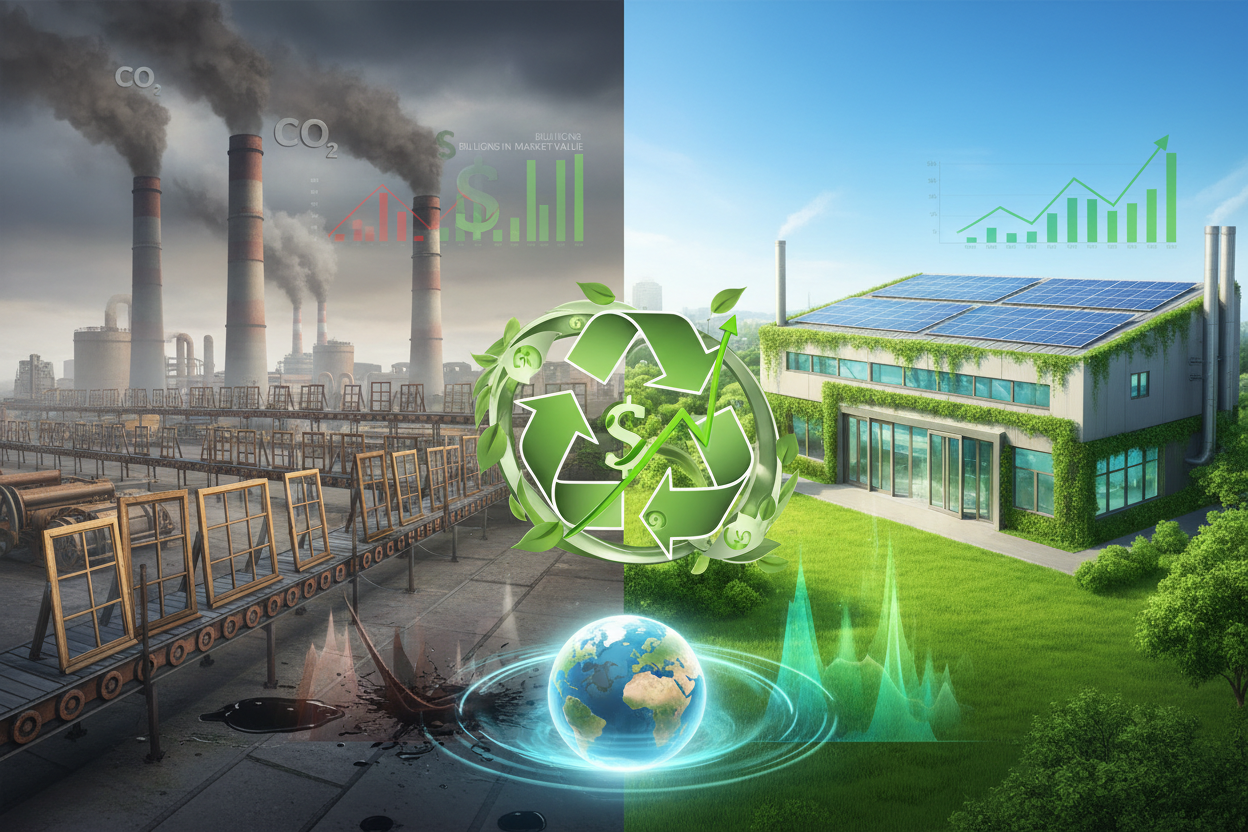
The global window market is worth billions of dollars, with millions of windows produced annually worldwide. This massive scale of production inevitably creates environmental consequences that ripple through our ecosystems. However, the story isn’t entirely doom and gloom – innovative manufacturers are pioneering sustainable practices that could revolutionize how we think about window production.
Raw Material Extraction and Its Environmental Consequences
The environmental impact of window manufacturing begins long before the first piece of glass is formed. The primary raw materials for glass production – silica sand, soda ash, and limestone – must be extracted from the earth through mining operations that can significantly disrupt local ecosystems.
Silica sand mining, in particular, has raised environmental concerns worldwide. Large-scale sand extraction can lead to habitat destruction, water table disruption, and air quality issues in surrounding communities. The process often requires heavy machinery that consumes substantial amounts of fossil fuels, contributing to greenhouse gas emissions even before the manufacturing process begins.
Limestone quarrying presents its own set of challenges. These operations can alter local landscapes permanently, affect groundwater systems, and generate dust that impacts air quality. Additionally, the transportation of these heavy raw materials from extraction sites to manufacturing facilities adds another layer of carbon emissions to the overall environmental footprint.
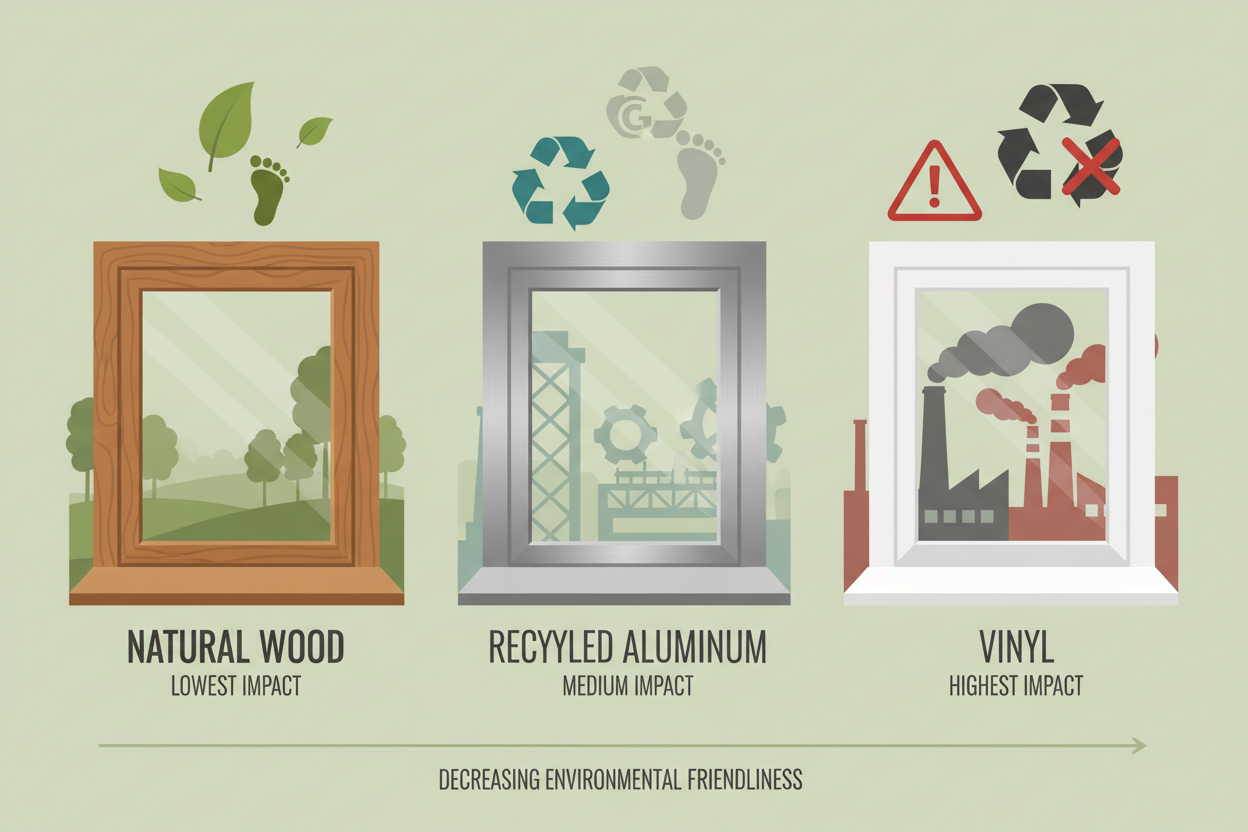
Window frames compound these concerns, as they typically require materials like aluminum, vinyl (PVC), or wood. Aluminum production is particularly energy-intensive, requiring significant electricity to extract aluminum from bauxite ore. PVC manufacturing involves chlorine production, which can release harmful chemicals into the environment if not properly managed.
Energy-Intensive Glass Production Methods
The heart of window manufacturing lies in glass production, a process that demands enormous amounts of energy. Traditional glass furnaces operate at temperatures exceeding 2,800 degrees Fahrenheit, requiring continuous fuel consumption – typically natural gas – to maintain these extreme conditions.
A typical float glass production line can consume enough energy to power thousands of homes. The melting process alone accounts for approximately 75% of the total energy used in glass manufacturing. This energy intensity translates directly into carbon dioxide emissions, making glass production one of the more carbon-heavy manufacturing processes in the construction industry.
The float glass process, while efficient for producing large quantities of flat glass, requires maintaining molten tin baths at precise temperatures. This process, though revolutionary for creating smooth, uniform glass surfaces, adds additional energy requirements and introduces concerns about tin waste management.
Modern window glass often requires additional processing steps that further increase energy consumption. Low-emissivity coatings, tempering for safety glass, and laminating processes all require additional heating, cooling, and chemical treatments that compound the environmental impact of basic glass production.
Chemical Usage and Waste Generation in Window Manufacturing
Window manufacturing involves numerous chemicals that can pose environmental risks if not properly managed. The glass production process requires various additives to achieve desired properties – colorants, clarifying agents, and flux materials that can include potentially harmful substances.
Coating processes for energy-efficient windows involve sputtering techniques that use precious metals like silver and various chemical compounds. While these coatings significantly improve window performance, their production generates chemical waste that requires careful handling and disposal.
Frame manufacturing introduces additional chemical concerns. PVC window frames require stabilizers and plasticizers, some of which have raised environmental and health concerns. The extrusion process can release volatile organic compounds (VOCs) into the atmosphere if proper ventilation and filtration systems aren’t in place.
Water usage in window manufacturing is substantial, particularly for cooling processes and cleaning operations. The treatment and disposal of contaminated water from manufacturing operations require sophisticated systems to prevent environmental contamination. Many facilities now implement closed-loop water systems to minimize waste, but this remains an ongoing challenge for the industry.
Transportation and Distribution Environmental Footprint
The environmental impact of windows extends well beyond the factory floor. Glass is heavy and fragile, requiring specialized transportation methods that often result in partially loaded trucks to prevent breakage. This inefficient transportation model increases the carbon footprint per window unit significantly.
International trade in windows and glass products adds another dimension to transportation emissions. While global supply chains can offer cost advantages, they also mean that windows might travel thousands of miles from production facilities to installation sites, accumulating substantial transportation-related emissions along the way.
Packaging requirements for windows further contribute to environmental impact. Protective materials, often including plastic films, foam padding, and wooden crates, generate additional waste streams. While some packaging materials can be recycled, the mixed-material nature of window packaging often complicates recycling efforts.
The logistics of window delivery to construction sites also present challenges. Multiple delivery trips may be required for large projects, and the timing constraints of construction schedules can lead to less-than-optimal routing and increased emissions per delivered unit.
Sustainable Manufacturing Innovations and Green Technologies
Fortunately, the window manufacturing industry is embracing innovative approaches to reduce environmental impact. Leading manufacturers are investing in electric furnaces powered by renewable energy sources, dramatically reducing the carbon footprint of glass melting processes. Some facilities have achieved significant emission reductions by transitioning to solar and wind power for their operations.
Recycled glass content in new window production is becoming increasingly common. Using cullet (recycled glass) in the manufacturing process requires less energy than melting raw materials from scratch, as recycled glass melts at lower temperatures. Some manufacturers now incorporate up to 30% recycled content in their products without compromising quality.
Advanced manufacturing technologies are improving efficiency across the production process. Computer-controlled cutting systems minimize waste, while improved furnace designs reduce energy consumption. Some facilities have implemented waste heat recovery systems that capture and reuse thermal energy from glass production for other facility needs.
Innovative frame materials are also emerging as sustainable alternatives. Manufacturers are developing bio-based plastics, recycled aluminum frames, and sustainably sourced wood products that reduce the environmental impact of window frames while maintaining performance standards.
Recycling and End-of-Life Window Management
The environmental story of windows doesn’t end with installation. Proper end-of-life management is crucial for minimizing long-term environmental impact. Glass is infinitely recyclable without quality loss, making it an excellent candidate for circular economy principles.
However, window recycling faces practical challenges. The combination of glass, frame materials, hardware, and sealants requires separation processes that can be labor-intensive and costly. Many windows end up in landfills simply because convenient recycling options aren’t available in all areas.
Progressive manufacturers and municipalities are developing take-back programs for old windows. These initiatives ensure that materials are properly separated and recycled, keeping valuable resources in the production cycle rather than becoming waste.
Innovative recycling technologies are emerging to handle complex window assemblies more efficiently. Automated separation systems can break down windows into component materials, making recycling more economically viable and environmentally effective.
The Future of Environmentally Conscious Window Manufacturing
Looking ahead, the window manufacturing industry is poised for significant environmental improvements. Carbon-neutral manufacturing goals are becoming common among major producers, driving investment in renewable energy and process efficiency improvements.
Emerging technologies like hydrogen-powered furnaces could revolutionize glass production by eliminating carbon emissions from the melting process. While still in development, these technologies represent the potential for truly sustainable glass manufacturing.
Circular economy principles are gaining traction, with manufacturers designing windows for easier disassembly and recycling. This design-for-recycling approach considers the entire lifecycle of windows from the earliest design stages.
Consumer awareness and demand for sustainable products are driving market changes. Green building certifications increasingly consider the environmental impact of windows, creating market incentives for manufacturers to adopt more sustainable practices.
The environmental impact of window manufacturing is significant, but the industry’s commitment to sustainability is growing stronger each year. From innovative production technologies to improved recycling systems, manufacturers are finding ways to reduce their environmental footprint while continuing to provide the high-performance windows that modern buildings require. As consumers, our choices can support these positive changes by prioritizing products from environmentally responsible manufacturers and properly managing windows at the end of their useful life.
Frequently Asked Questions
How much energy does it take to manufacture a single window?
The energy required varies significantly based on window size, type, and manufacturing methods, but a typical residential window requires approximately 15-25 kilowatt-hours of energy to produce, equivalent to running an average home for about one day.
Are energy-efficient windows worth their higher environmental manufacturing cost?
Yes, energy-efficient windows typically offset their higher manufacturing environmental impact within 2-5 years through reduced heating and cooling energy consumption in buildings. Over their 20-30 year lifespan, they provide substantial net environmental benefits.
Can old windows be recycled, and where can I take them?
Yes, windows can be recycled, though the process requires separating different materials. Contact your local waste management authority or search for construction material recycling centers in your area. Some window manufacturers and retailers also offer take-back programs.
Which window frame material has the lowest environmental impact?
The environmental impact depends on various factors, but generally, sustainably sourced wood frames have the lowest carbon footprint, followed by recycled aluminum. However, the longevity and maintenance requirements of different materials should also be considered in the overall environmental assessment.
How do transportation distances affect the environmental impact of windows?
Transportation can account for 10-20% of a window’s total environmental impact. Choosing locally manufactured windows or those produced within 500 miles of the installation site can significantly reduce transportation-related emissions.
What should consumers look for when choosing environmentally friendly windows?
Look for windows with high recycled content, energy-efficient ratings, local manufacturing, minimal packaging, and manufacturers with documented sustainability practices. Third-party certifications like ENERGY STAR and green building product certifications can help guide environmentally conscious choices.








Replacement window companies Balch Springs Texas



Affordable home window replacement North Richland Hills Texas








Home window replacement cost Lakewood Dallas Texas









Home replacement window companies Duncanville Texas





Replacement window companies Lakewood Dallas Texas

Affordable home window replacement Celeste Texas









Affordable home window replacement Rowlett Texas


Little Elm TX Cost Of Vinyl Siding Replacement










Colleyville TX Replacement Siding Installation Services

Bedford TX Replacement Siding Installation Services