
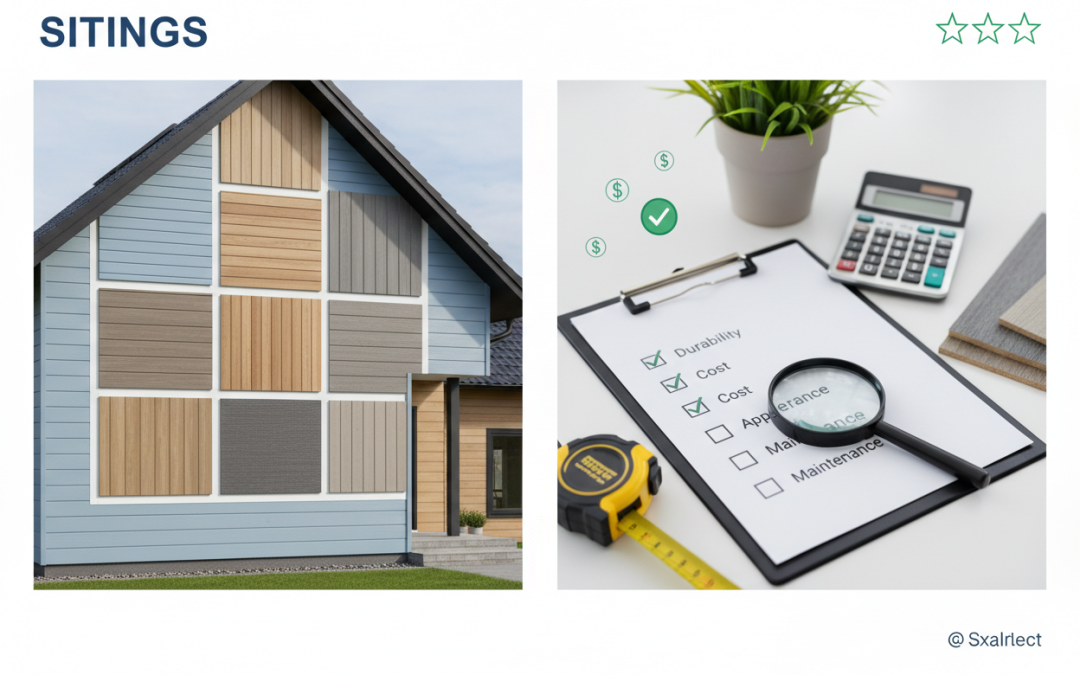
How to Evaluate Siding Replacement Estimates Accurately: A Homeowner’s Complete Guide
Getting your home’s siding replaced is a significant investment that can dramatically improve your property’s curb appeal, energy efficiency, and overall value. However, navigating the world of contractor estimates can feel overwhelming, especially when you’re comparing wildly different quotes for what seems like the same job. I’ve seen too many homeowners make costly mistakes simply because they didn’t know what to look for in a siding estimate.
The truth is, not all siding estimates are created equal. Some contractors provide detailed breakdowns that help you understand exactly what you’re paying for, while others hand you a single number on a napkin. Learning how to properly evaluate these estimates will save you thousands of dollars and ensure you get quality work that stands the test of time.

Understanding the Basics of Siding Replacement Estimates
Before diving into the nitty-gritty details, it’s essential to understand what a comprehensive siding estimate should include. A professional estimate goes far beyond just the cost of materials and labor. It should paint a complete picture of your project from start to finish.
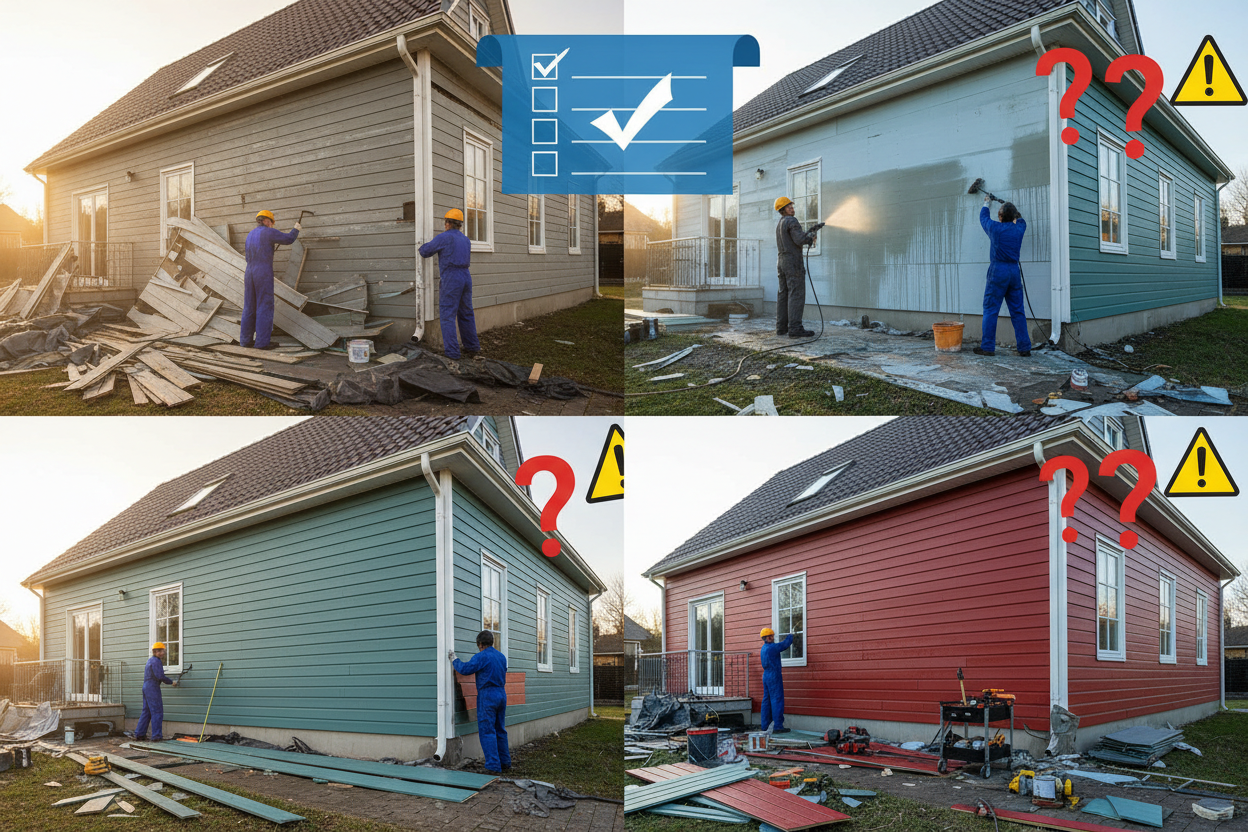
A quality estimate typically includes material specifications, labor costs, project timeline, permit requirements, and cleanup procedures. It should also address potential complications like structural repairs or unexpected discoveries during the removal of old siding. When contractors skip these details, you’re likely looking at an incomplete estimate that could lead to surprise costs down the road.
The best estimates also include information about the contractor’s licensing, insurance, and warranty offerings. These aren’t just nice-to-have details – they’re crucial protections for your investment. A contractor who doesn’t mention these items might be cutting corners in other areas of their business as well.
Breaking Down Material Costs and Quality
Material costs often represent 40-60% of your total siding replacement budget, making this section critical to evaluate carefully. However, comparing materials isn’t as simple as looking at square footage costs. Different siding materials have vastly different lifespans, maintenance requirements, and performance characteristics.
When reviewing material specifications, pay attention to brand names, product lines, and specific model numbers. A contractor listing “vinyl siding” without specifics is like a car dealer saying they’ll sell you “a vehicle.” Quality vinyl siding from manufacturers like James Hardie or CertainTeed can cost significantly more than basic builder-grade options, but the performance difference is substantial.
Don’t forget to evaluate what’s included beyond the siding itself. Quality estimates should specify trim pieces, corner posts, starter strips, and finishing materials. These components can add up quickly, and contractors sometimes use low-ball estimates on siding to win bids, then surprise you with expensive “necessary” accessories later.
Analyzing Labor Costs and Project Scope
Labor costs vary dramatically based on your location, project complexity, and the contractor’s skill level. However, extremely low labor costs should raise red flags rather than excitement. Experienced siding installers command higher wages because they deliver better results and work more efficiently.
A detailed estimate should break down labor into specific tasks: old siding removal, surface preparation, installation, and cleanup. This breakdown helps you understand where your money is going and makes it easier to spot potential issues. For instance, if one contractor allocates significantly less time for surface preparation, they might be planning to skip crucial steps that ensure proper adhesion and longevity.
Project scope is equally important to examine. Some estimates might include removing and disposing of old siding, while others expect you to handle disposal yourself. Window and door trim work might be included or listed as an additional cost. These differences can represent thousands of dollars in your final bill.
Comparing Warranties and Guarantees
Warranty coverage is where many homeowners get tripped up when comparing estimates. Manufacturers typically offer material warranties, but these don’t cover installation issues. What you really need is a comprehensive workmanship warranty from your contractor that covers installation problems for several years.
Quality contractors stand behind their work with substantial warranties – often 5-10 years for workmanship. They’re confident in their installation skills and use proper techniques that prevent common problems like water infiltration or premature failure. Contractors offering minimal warranties or vague guarantee language might be signaling that they don’t expect their work to last.
Read warranty terms carefully, paying attention to what’s covered, what voids the warranty, and how claims are handled. Some contractors include warranty service in their estimates, while others charge additional fees for warranty work. Understanding these terms upfront prevents unpleasant surprises later.
Red Flags to Watch Out For
Certain warning signs should immediately put you on guard when reviewing siding estimates. Door-to-door contractors offering limited-time deals often pressure homeowners into quick decisions without proper research. Legitimate contractors rarely need to create artificial urgency to win business.
Estimates that require large upfront payments or full payment before work begins are major red flags. Reputable contractors typically request small deposits and collect the majority of payment upon completion. They have the financial stability to purchase materials and pay workers without your money upfront.
Be wary of estimates that seem too good to be true – they usually are. Contractors who significantly underbid projects often cut corners on materials, skip important preparation steps, or add surprise charges later. While everyone loves a good deal, remember that quality siding installation requires skilled labor and premium materials.
Getting Multiple Estimates for Accurate Comparison
Most experts recommend getting at least three estimates for siding replacement projects. This gives you a good range of pricing and approaches while helping identify outliers on both ends of the spectrum. However, getting multiple estimates is only valuable if you know how to compare them effectively.
When requesting estimates, provide each contractor with identical information about your project requirements. This ensures you’re comparing apples to apples rather than completely different approaches. Ask each contractor to specify the same level of detail in their estimates, including materials, labor breakdown, and timeline.
Don’t automatically choose the lowest bid. Instead, look for estimates that fall within a reasonable range of each other and offer the best overall value. Consider factors like contractor reputation, material quality, warranty coverage, and your comfort level with each company’s communication style.
Questions to Ask Before Making Your Decision
Armed with multiple detailed estimates, you should have specific questions for each contractor before making your final decision. Ask about their experience with your specific siding material and whether they’ve handled similar projects in your neighborhood. Local experience matters because contractors familiar with your area understand climate challenges and local building codes.
Inquire about their crew size and project timeline. Larger crews can complete work faster but might cost more, while smaller crews take longer but often provide more attention to detail. Understanding their approach helps you plan around the disruption to your daily routine.
Don’t hesitate to ask for recent customer references and examples of completed projects. Quality contractors are proud of their work and happy to share references. Take time to contact these references and ask about their experience, including whether the project stayed on budget and schedule.
Making the Final Decision
After thoroughly evaluating all estimates and conducting your research, trust your instincts along with the data. The best contractor for your project combines competitive pricing with quality materials, solid warranties, and excellent communication. They should make you feel confident about your investment rather than pressured or uncertain.
Remember that siding replacement is a long-term investment in your home. Choosing based solely on price often leads to problems that cost more to fix than you saved initially. Focus on overall value, which includes material quality, installation expertise, warranty coverage, and your confidence in the contractor’s ability to deliver.
Once you’ve made your decision, get everything in writing before work begins. A detailed contract should mirror the estimate you approved, including specific materials, timeline, payment schedule, and warranty terms. This protects both you and the contractor by clearly defining expectations for the project.
Frequently Asked Questions
How many siding estimates should I get before making a decision?
Most experts recommend getting 3-5 estimates for siding replacement projects. This gives you enough data points to identify fair market pricing while avoiding the confusion that comes with too many options. Focus on quality contractors with good reputations rather than simply collecting as many estimates as possible.
What’s the biggest mistake homeowners make when comparing siding estimates?
The most common mistake is choosing based solely on the lowest price without considering material quality, workmanship warranties, or contractor reputation. Cheap estimates often hide costs that appear later or result in poor installation that requires expensive repairs within a few years.
How long should a siding replacement estimate be valid?
Most professional estimates remain valid for 30-60 days, though this can vary based on material price volatility and contractor scheduling. Be wary of estimates with very short validity periods, as this might indicate pressure tactics, or extremely long validity periods that might not reflect current material costs.
Should I be concerned if one estimate is significantly lower than others?
Yes, estimates that are dramatically lower than others should raise red flags. This often indicates the contractor is using inferior materials, planning to cut corners on installation, or will add surprise charges later. Investigate these estimates carefully and ask detailed questions about what’s included.
What should I do if contractors refuse to provide detailed written estimates?
Any contractor who won’t provide a detailed written estimate should be eliminated from consideration immediately. Professional contractors understand that written estimates protect both parties and are standard business practice. Verbal estimates or vague written quotes often lead to disputes and unexpected costs.




Home replacement window companies Tom Bean Texas














How much does it cost for vinyl replacement windows The Colony Texas