
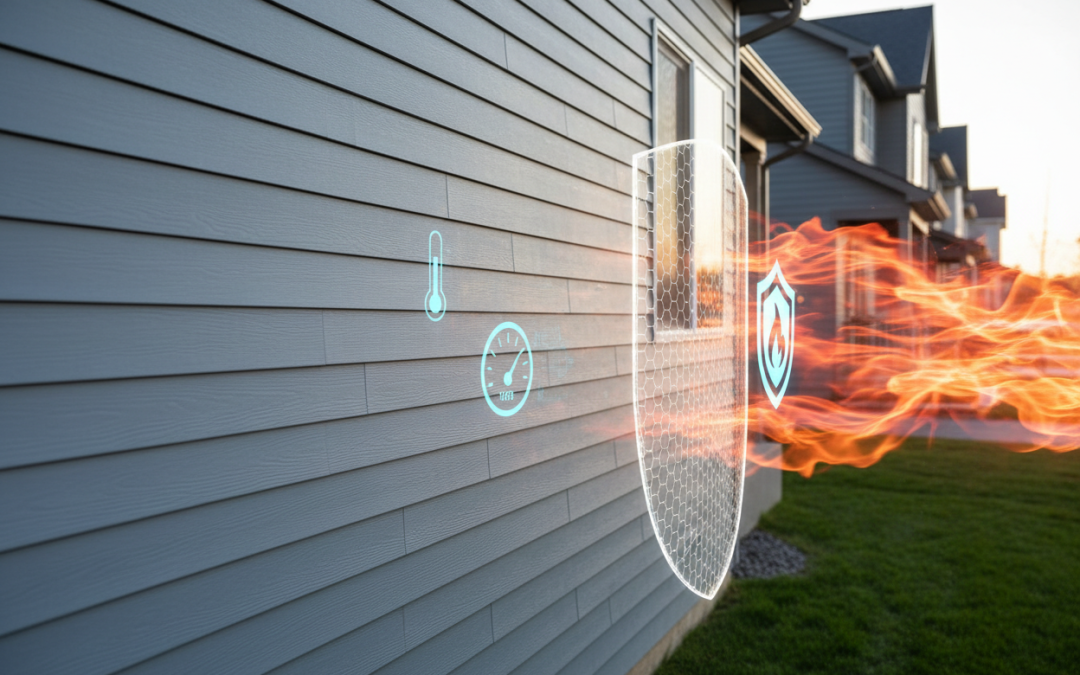
The Truth About Vinyl Siding Fire Resistance: What Every Homeowner Needs to Know
When choosing exterior siding for your home, fire resistance probably isn’t the first thing on your mind. You’re likely thinking about curb appeal, maintenance requirements, and cost. However, understanding how your siding performs in fire situations could be one of the most important decisions you make for your family’s safety and your property’s protection.
Vinyl siding has become incredibly popular over the past few decades, and for good reason. It’s affordable, low-maintenance, and comes in countless colors and styles. But when it comes to fire resistance, there’s a lot of misinformation floating around. Some people believe vinyl siding is completely fireproof, while others think it’s a fire hazard waiting to happen. The truth, as usual, lies somewhere in between.
In this comprehensive guide, we’ll explore the real facts about vinyl siding and fire resistance, helping you make an informed decision about your home’s exterior protection.
Understanding Fire Resistance vs. Fireproof Materials
Before diving into vinyl siding specifically, it’s crucial to understand the difference between fire-resistant and fireproof materials. No building material is truly fireproof – even steel and concrete can fail under extreme heat conditions. Fire resistance refers to how well a material can withstand exposure to fire for a certain period before it begins to deteriorate or contribute to the fire’s spread.
Fire resistance is measured using standardized tests that evaluate factors like ignition temperature, flame spread rate, and smoke development. These tests help building codes and safety standards determine which materials are appropriate for different applications and climates.
When we talk about vinyl siding fire resistance, we’re really discussing how the material behaves when exposed to heat and flames, not whether it’s completely immune to fire damage.
How Vinyl Siding Responds to Fire
Vinyl siding is made from polyvinyl chloride (PVC), a thermoplastic polymer that has some interesting characteristics when it comes to fire exposure. Unlike wood or other organic materials, vinyl doesn’t actually burn in the traditional sense. Instead, it melts and deforms when exposed to high temperatures.
The ignition temperature of vinyl siding is relatively high – typically around 730°F to 850°F. This means it requires significant heat exposure before it will begin to burn. For comparison, wood ignites at temperatures between 500°F and 600°F, making vinyl siding more resistant to initial ignition than many traditional siding materials.
When vinyl siding does catch fire, it tends to burn slowly and often self-extinguishes when the heat source is removed. This self-extinguishing property is due to the chlorine content in PVC, which releases hydrogen chloride gas that can help suppress flames.
Comparing Vinyl Siding to Other Siding Materials
To truly understand vinyl siding’s fire resistance, it’s helpful to compare it with other popular siding options. Each material has its own fire performance characteristics that homeowners should consider.
Wood siding, while beautiful and traditional, is obviously combustible. Even when treated with fire retardants, wood siding will burn and can contribute significantly to fire spread. Cedar shakes and other wood products require regular maintenance and treatment to maintain even minimal fire resistance.
Fiber cement siding offers excellent fire resistance. Made from cement, sand, and cellulose fibers, this material is non-combustible and won’t contribute to fire spread. However, it’s also more expensive and requires more maintenance than vinyl.
Metal siding, particularly steel or aluminum, provides good fire resistance. While metal can conduct heat and may warp under extreme temperatures, it won’t ignite or burn. The main concern with metal siding in fire situations is heat transfer to the building’s interior.
Brick and stone veneer offer superior fire resistance but come with higher installation costs and structural considerations. These materials are essentially non-combustible and provide excellent protection against external fire exposure.
Real-World Fire Performance of Vinyl Siding
Laboratory tests are one thing, but how does vinyl siding actually perform in real fire situations? Fire departments and insurance companies have documented numerous cases where vinyl siding has both helped and hindered fire safety efforts.
In many house fires, vinyl siding has performed admirably by not contributing significantly to fire spread. The material’s tendency to melt and pull away from the heat source can actually create a gap that helps prevent fire from reaching the building’s structure. This characteristic has saved many homes from total loss when fires started in adjacent vegetation or neighboring structures.
However, there are also documented cases where melting vinyl siding has created challenges for firefighters. The melting material can drip and potentially spread fire to lower areas of the building or create additional hazards for emergency responders.
One important factor in vinyl siding fire performance is the quality of installation. Properly installed vinyl siding with appropriate backing and insulation performs much better in fire situations than poorly installed systems with gaps or inadequate backing materials.
Factors That Affect Vinyl Siding Fire Resistance
Several factors can influence how well vinyl siding resists fire and heat exposure. Understanding these factors can help you maximize your siding’s fire resistance performance.
The thickness and quality of the vinyl siding material play crucial roles. Thicker, higher-quality vinyl siding generally offers better fire resistance than thin, budget-grade products. Premium vinyl siding often includes additives that can improve fire resistance and reduce smoke production.
Installation quality significantly impacts fire performance. Proper installation includes adequate backing materials, correct spacing for thermal expansion, and proper sealing around windows and doors. Poor installation can create pathways for fire and heat to reach the building’s structure.
The building’s overall design and the presence of other fire-resistant features also matter. Vinyl siding performs best when combined with fire-resistant roofing materials, proper defensible space around the building, and adequate insulation systems.
Climate and environmental factors can also affect performance. In areas prone to wildfires, the intense heat and ember exposure may exceed vinyl siding’s fire resistance capabilities, regardless of quality or installation.
Building Codes and Vinyl Siding Fire Requirements
Building codes vary significantly across different regions, especially in areas with high wildfire risk. Understanding your local requirements is essential when choosing vinyl siding for fire-prone areas.
Many jurisdictions have specific requirements for siding materials in wildland-urban interface (WUI) zones. These areas, where residential development meets natural vegetation, often have stricter fire resistance requirements that may limit or prohibit certain types of vinyl siding.
The International Building Code (IBC) and International Residential Code (IRC) provide baseline standards for siding fire resistance, but local amendments may impose additional requirements. Some areas require siding materials to meet specific flame spread ratings or pass specialized wildfire resistance tests.
California’s Chapter 7A building standards, for example, have specific requirements for siding materials in high fire hazard areas. These standards may require non-combustible siding materials or vinyl siding that meets enhanced fire resistance criteria.
Improving Your Home’s Fire Safety with Vinyl Siding
If you choose vinyl siding for your home, there are several steps you can take to maximize its fire resistance and improve your overall home fire safety.
Choose high-quality vinyl siding products from reputable manufacturers. Look for siding that meets or exceeds industry standards for fire resistance and carries appropriate certifications. Some manufacturers offer enhanced fire-resistant vinyl siding formulations specifically designed for high-risk areas.
Ensure professional installation by qualified contractors who understand fire-resistant building practices. Proper installation includes using appropriate backing materials, maintaining correct clearances from heat sources, and sealing all penetrations properly.
Consider combining vinyl siding with other fire-resistant building features. Fire-resistant roofing materials, tempered glass windows, and proper landscaping can significantly improve your home’s overall fire resistance even with vinyl siding.
Maintain adequate defensible space around your home. Remove flammable vegetation, store combustible materials safely away from the house, and keep gutters and roof areas clear of debris that could ignite and spread fire to your siding.
The Bottom Line on Vinyl Siding Fire Resistance
The truth about vinyl siding fire resistance is nuanced. While vinyl siding isn’t fireproof, it does offer reasonable fire resistance for most applications, especially when properly selected, installed, and maintained. The material’s high ignition temperature and self-extinguishing properties make it a viable option for many homes, even in areas with moderate fire risk.
However, vinyl siding may not be the best choice for homes in extreme high-risk fire areas where non-combustible materials are recommended or required. In these situations, fiber cement, metal, or masonry siding options may provide better protection.
The key is understanding your specific situation, local building requirements, and risk factors. Consult with local building officials, fire departments, and qualified contractors to determine the best siding choice for your home’s location and your family’s safety needs.
Remember that no single building material can guarantee fire safety. The best approach combines appropriate materials with good design, proper installation, regular maintenance, and comprehensive fire safety planning.
Frequently Asked Questions
Q: Is vinyl siding fireproof?
A: No, vinyl siding is not fireproof. No building material is truly fireproof. However, vinyl siding does offer good fire resistance with a high ignition temperature and self-extinguishing properties when the heat source is removed.
Q: What temperature does vinyl siding melt?
A: Vinyl siding typically begins to soften and deform at temperatures around 160°F to 180°F, but it doesn’t ignite until temperatures reach 730°F to 850°F. The melting point is much lower than the ignition temperature.
Q: Can I use vinyl siding in high fire risk areas?
A: This depends on your local building codes and the specific fire risk level. Some high-risk areas may prohibit vinyl siding or require special fire-resistant formulations. Check with your local building department for specific requirements.
Q: How does vinyl siding compare to wood siding for fire resistance?
A: Vinyl siding generally offers better fire resistance than wood siding. Vinyl has a higher ignition temperature and self-extinguishing properties, while wood is naturally combustible and burns readily once ignited.
Q: Does the color of vinyl siding affect its fire resistance?
A: The color itself doesn’t significantly affect fire resistance, but darker colors may absorb more heat from external sources, potentially reaching critical temperatures faster than lighter colors in extreme heat conditions.
Q: Should I replace my vinyl siding if I live in a fire-prone area?
A: This depends on your specific risk level, local building codes, and personal comfort level. Consider consulting with local fire officials and building professionals to assess your situation and explore options for improving your home’s fire resistance.

How much does it cost for vinyl replacement windows Wylie Texas









How much does it cost for vinyl replacement windows Krum Texas















Home window replacement near me Cedar Hill Texas


























Farmersville TX Vinyl Siding Replacement Near Me

Argyle TX Replacement Siding Installation Services







Grand Prairie TX Vinyl Siding Replacement Near Me




Lowry Crossing TX Replacement Windows And Siding